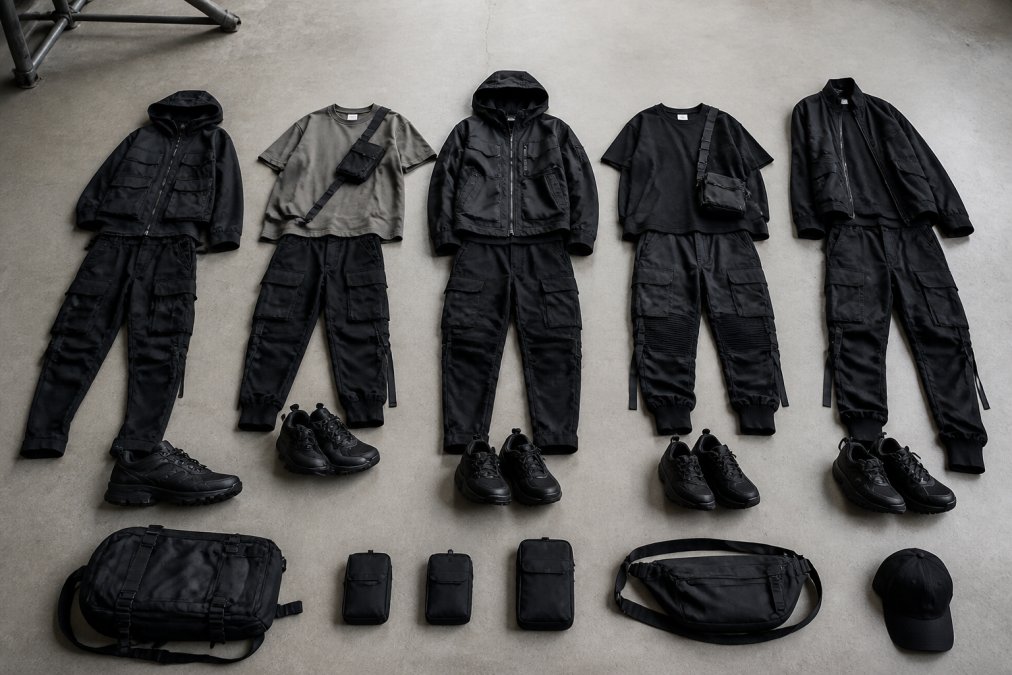
 listicle
7 Ways to Style Techwear for Beginners
Table of Contents
- What Techwear Actually Is (And Why Beginners Get It Wrong)
- 1. Master Techwear Layering as Your Foundation
- 2. Choose the Right Silhouette: Tapered, Cargo, and Relaxed Fits
- 3. Smart Fabric Clothing vs Traditional Cotton: What Actually Matters
- 4. Build a Techwear Color Palette (Monochromatic and Neutral Wins)
- 5. Add Functional Details: Straps, Buckles, and Tactical Pockets
- 6. Techwear Outfit Ideas for Beginners: Three Real Looks
- 7. Choose Footwear That Grounds Your Look
- Frequently Asked Questions
Last Updated: September 24, 2026
What Techwear Actually Is (And Why Beginners Get It Wrong)
Techwear is a style that blends functional, performance-oriented clothing with urban streetwear aesthetics. It prioritizes technical fabrics, modular design, and tactical details like straps and buckles alongside bold graphics and minimalist silhouettes. Most beginners mistake techwear for pure aesthetics, buying pieces that look futuristic but lack the functional foundation that makes the style work.
The real techwear approach starts with layering and fabric choice, not chasing every buckle and strap online. Most beginners focus on visual drama before understanding how pieces fit together and perform.
Techwear is about understanding why silhouettes, colors, and construction details matter, then choosing pieces that work for your body and lifestyle. This guide covers 7 ways to style techwear for beginners, seven practical ways to build an authentic, wearable techwear wardrobe.
1. Master Techwear Layering as Your Foundation
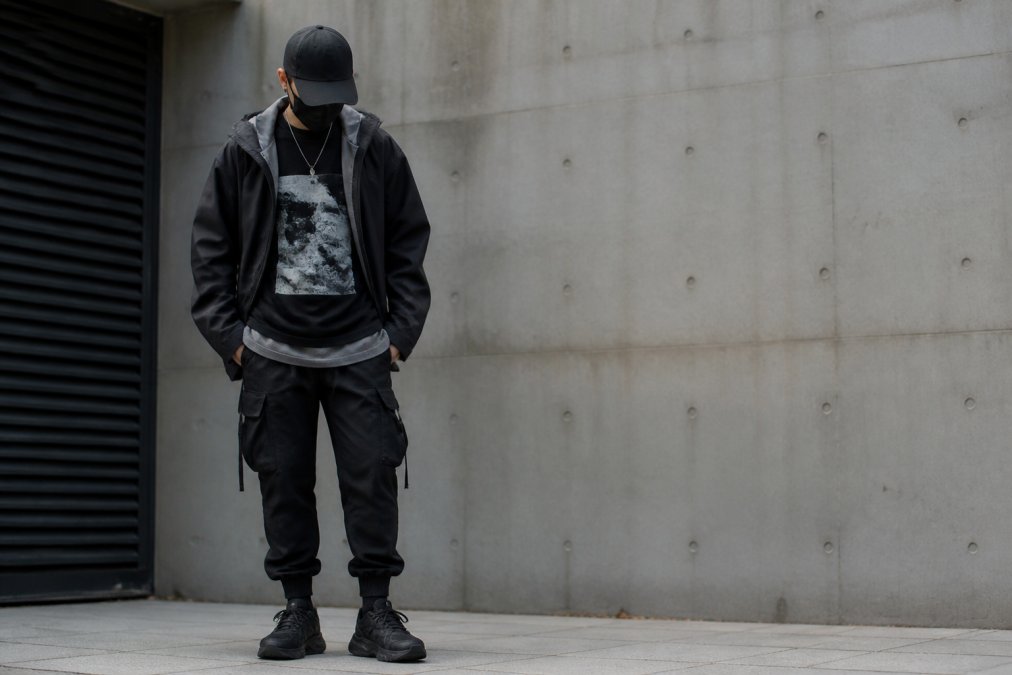
Layering is the core principle separating techwear from random streetwear. Each layer should be distinct enough to read as a separate piece, creating visual depth and functional modularity.
Start with a base layer: a fitted or slightly oversized graphic tee in a neutral color or bold design. The Floral Tech Graphic T-Shirt works because the relaxed fit and reinforced construction sit cleanly under outerwear without bunching, and the 7.5 oz fabric holds its shape through multiple layers.

Your second layer should contrast the first in silhouette: fitted base + oversized mid-layer, or relaxed base + structured mid-layer. This creates visual separation that makes techwear read intentional.
The third layer, outerwear, anchors the look with tactical details like straps and buckles that become functional. Each piece has a clear purpose: base sets the graphic, mid-layer adds silhouette contrast, outer layer adds structure.
2. Choose the Right Silhouette: Tapered, Cargo, and Relaxed Fits
Silhouette is where beginners often stumble. Techwear favors three main fits, and mixing them correctly defines whether your outfit looks cohesive or chaotic.
Tapered fits create clean lines and emphasize the leg. Worn under oversized tops, the proportion contrast reads very techwear and grounds voluminous looks.
Cargo silhouettes bring the tactical element through multiple pockets, straps, and articulated seams. Pair with minimal tops to avoid overwhelming the silhouette.
Relaxed or oversized fits are the easiest entry point for beginners. An oversized graphic tee like the Graphic T‑Shirt, Dark Samurai Illustration Back Print sits comfortably with most bottoms and works with tapered pants, cargo bottoms, or straight-leg jeans.

Avoid combining too many oversized pieces.
3. Smart Fabric Clothing vs Traditional Cotton: What Actually Matters
Techwear uses both technical fabrics and premium cotton. Understanding what each does and how to care for it prevents buyer's remorse and extends garment life.
Technical Fabrics: Nylon, Polyester Blends, and DWR Treatments
Technical fabrics excel at specific functions:
- DWR (Durable Water Repellent) coatings shed light rain and moisture without being fully waterproof. They degrade with washing and typically last 10-20 washes before reapplication is needed.
- Nylon and polyester blends dry faster than cotton, resist wrinkles, and handle repeated compression. They're lighter, so technical jackets offer structure without bulk.
- Breathability trade-off: Technical fabrics that block wind often trap heat. Most affordable technical pieces sacrifice some breathability for weather resistance.
Premium Cotton: Weight, Construction, and Aging
- Seam construction: Double-needle stitching on neck, sleeves, and hem prevents unraveling and distributes stress across two threads.
- Yarn quality: 16-singles yarn (standard in AW3SOME tees) resists pilling and snagging while staying soft.
- Collar reinforcement: Shoulder-to-shoulder neck tape prevents stretching and warping.
- Quarter-turned construction: Seams don't align vertically, reducing stress on any single seam line.
Cotton vs. Technical: Which Should You Choose?
For beginners:
- Choose premium cotton if you want a piece that feels intentional, ages well, and requires minimal care. The Floral Tech Graphic T-Shirt uses 7.5 oz cotton for a smooth print surface and durable hand that improves with wear.
- Choose technical fabrics if you need weather resistance or quick-dry properties. Follow care instructions carefully (cold water, air dry) to preserve coatings.
4. Build a Techwear Color Palette (Monochromatic and Neutral Wins)
Techwear thrives in monochromatic and neutral palettes because they amplify silhouette and detail. Minimal color forces intentionality.
5. Add Functional Details: Straps, Buckles, and Tactical Pockets
Details separate techwear from generic streetwear. Straps, buckles, articulated seams, and cargo pockets signal functional design.
6. Techwear Outfit Ideas for Beginners: Three Real Looks
Look 1: The Minimalist Foundation This is one of the 7 ways to style techwear for beginners: start with a heavyweight graphic tee (like the Floral Tech Graphic T-Shirt in charcoal), tapered black pants, and a simple black overshirt. The graphic is the design statement; everything else is structure. Add a dad cap like the Classic Dad Cap for a grounded finish.

| Element | Look 1 | Look 2 | Look 3 |
|---|---|---|---|
| Base Layer | Heavyweight graphic tee | Fitted long-sleeve + graphic tee | Graphic tee solo |
| Bottoms | Tapered black pants | Cargo pants | Straight or relaxed jeans |
| Outerwear | Simple overshirt | Structured jacket | Oversized overshirt or none |
| Accessories | Dad cap | None or minimal | Sneakers, minimal |
| Vibe | Clean and minimal | Tactical and layered | Effortless and urban |
7. Choose Footwear That Grounds Your Look
Footwear is where most techwear beginners stumble. Shoes must match the proportions and weight of your outfit.
Understanding Shoe Weight and Silhouette Matching
Match shoe weight to pant silhouette.
Heavy, Chunky Footwear (hiking boots, technical sneakers, work boots, combat boots)
- Adds visual weight and grounds a silhouette
- Works best with tapered, fitted, or straight-leg bottoms to balance the heavy shoe
- Amplifies the functional, tactical aesthetic
- Avoid pairing with oversized, relaxed pants (shapeless and costume-like)
Minimal, Lightweight Footwear (clean leather sneakers, slip-ons, minimalist athletic shoes, simple canvas)
- Keeps visual focus on the clothing
- Works best with oversized, relaxed, or cargo bottoms so the minimal shoe doesn't compete with volume
- Best for beginners because it's forgiving and works with almost every techwear combination
The Proportional Rule
Example matches:
- Fitted long-sleeve + tapered pants + technical hiking boot = intentional and grounded
- Oversized tee + tapered pants + minimal sneaker = clean and balanced
Color Strategy for Techwear Footwear
- Black or charcoal shoes disappear into monochromatic outfits and extend the leg line
- White shoes create contrast with darker outfits
- Natural leather (tan, brown) adds warmth
- Colored shoes should echo a color from your outfit or they'll feel random
Footwear Categories for Different Techwear Contexts
Common Beginner Mistakes
-
Buying expensive technical footwear before mastering silhouette. Master proportions first, then invest in premium footwear.
-
Assuming all sneakers are equal. A chunky athletic shoe reads very different from a minimal leather sneaker. Profile and visual weight matter.
-
Ignoring shoe maintenance. Technical footwear requires specific care: spot cleaning and air drying. Machine washing voids water resistance.
-
Choosing shoes based on trend. Fit shoes to your wardrobe, not the other way around.
Starting Point for Beginners
Frequently Asked Questions
What are the essential components of a techwear outfit?
A techwear outfit starts with a base layer (like a graphic tee), a mid-layer for structure (oversized tee or overshirt), and an outer layer for function (jacket or vest). Add tapered or cargo pants, minimal accessories, and functional footwear. The key is building layers that serve both aesthetic and practical purposes, allowing you to adjust for weather and movement without losing the overall silhouette.
How do beginners start building a techwear wardrobe without overspending?
Start with versatile basics: one heavyweight graphic tee, neutral-colored pants, and minimal footwear you already own. A single quality piece like a graphic tee at $39.53 works harder than multiple cheap items because it pairs with everything. Techwear is about intentional pieces, not quantity. Add one item at a time, focusing on items that layer well and match your existing wardrobe.
Can you mix techwear with traditional streetwear?
Yes. Techwear and streetwear overlap significantly. The difference is intentionality: techwear prioritizes utility and modular construction, while streetwear emphasizes bold graphics and cultural expression. A heavyweight graphic tee with original artwork works in both contexts. Pair it with cargo pants for techwear or standard jeans for streetwear. The silhouette and layering approach matter more than rigid category rules.
What is the role of fabric weight in techwear-inspired outfits?
Fabric weight affects drape, durability, and how pieces layer. Heavyweight cotton (7.5 oz / 245-255 GSM) holds its shape when layered and resists wrinkles, making it ideal for techwear's structured silhouettes. Lighter fabrics drape differently and may bunch under layers. Heavier fabrics also age well and maintain their form through repeated wear, which matters when you're building a capsule wardrobe of intentional pieces.
How do you balance functionality and aesthetic in techwear?
Functionality and aesthetic work together, not against each other. Choose pieces with visible utility (buckles, straps, cargo pockets) that also read as intentional design. A graphic tee with technical artwork bridges both worlds. Select neutral color palettes so functional elements stand out visually. Prioritize construction quality (double-needle stitching, reinforced seams) because durability is both practical and part of the aesthetic statement.