 listicle
Dope Graphic T Shirts: Style, Fit & Quality Guide
Table of Contents
- What Makes Dope Graphic T Shirts Worth Wearing
- Heavyweight Cotton T-Shirt Benefits Explained
- What Is DTG Printing and Why It Matters for Your Graphics
- Best Streetwear Brands for Graphic Tees: What Sets Them Apart
- How to Style Oversized Graphic Tees for Different Body Types
- Sizing, Fit, and Care for Long-Lasting Graphic Apparel
- Original Designs vs. Reprinted Drops: Why It Matters
- Frequently Asked Questions
Last Updated: September 26, 2026
What Makes Dope Graphic T Shirts Worth Wearing
Dope graphic t shirts have evolved far beyond basic printed cotton. Today's best graphic tees combine bold artistic expression with construction quality that actually holds up. The difference between a shirt that feels premium and one that doesn't comes down to three things: fabric weight, printing method, and design originality.
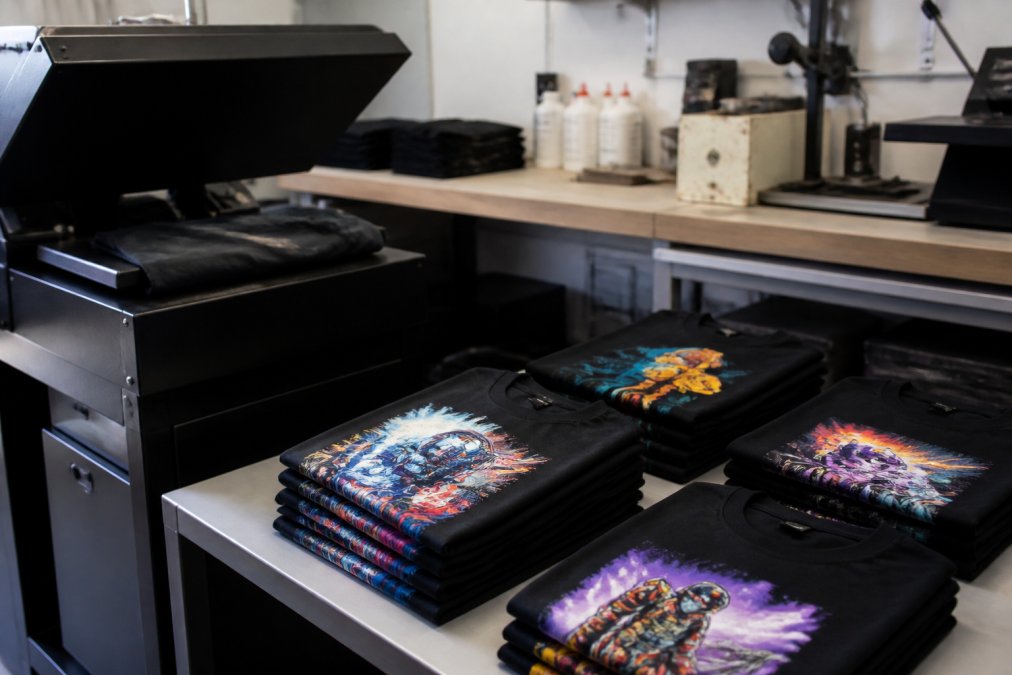
At AW3SOME CLOTHES INC, we've built our entire lineup around this principle. Every dope graphic t shirt in our collection uses 7.5 oz (245-255 GSM) heavyweight cotton with DTG (direct-to-garment) printing. That weight gives the fabric a substantial hand. The tee drapes properly instead of clinging. Print detail stays crisp through dozens of washes because the dense cotton provides a smooth surface for ink adhesion.
What separates a dope graphic tee from ordinary streetwear is intentionality. Original designs matter. Reprinted drops dilute the value of owning something exclusive. When a design sells out and never comes back, it means something. That's why collectors and fashion-forward individuals care about graphic tees that are never reprinted.

Heavyweight Cotton T-Shirt Benefits Explained
A heavyweight t-shirt isn't just heavier, it's structurally different. Standard tees run 150-180 GSM. Heavyweight apparel sits at 245-255 GSM. That difference changes everything about how the garment performs.
First, durability. Heavier fabric resists pilling and thinning. The fibers are more densely packed, so they don't separate as easily with repeated wear and washing. A heavyweight tee holds its shape and opacity when cared for properly.
Second, print longevity. DTG printing bonds ink directly to the fabric surface. On lightweight cotton, the ink sits on top of thinner fibers. On heavyweight fabric, ink penetrates deeper and has more fiber structure to grip. Graphics stay vibrant longer. Cracks and fading happen slower.
Third, comfort. Heavyweight cotton feels more substantial against the skin. It doesn't cling or ride up. The relaxed fit works with the weight to create a silhouette that sits intentionally rather than accidentally. Oversized cuts in lightweight fabric look sloppy. Oversized cuts in heavyweight fabric look deliberate.
Care matters for longevity. Machine wash cold, tumble dry on low or air dry, and skip the iron. These simple steps preserve both the fabric integrity and the printed artwork. The stretch-proof collar and double-needle stitching on quality heavyweight tees mean the garment will last if treated with basic respect.
What Is DTG Printing and Why It Matters for Your Graphics
Direct-to-garment (DTG) printing is a method where ink is sprayed directly onto fabric using industrial inkjet technology, similar to how a desktop printer works but at industrial scale. The ink bonds chemically with the cotton fibers rather than sitting on top of the surface.
This matters for dope graphic t shirts because DTG allows unlimited color variation and photorealistic detail. A single design can include hundreds of colors without additional production steps. Fine lines, gradients, and subtle shading all reproduce cleanly. That's why designs with architectural elements, technical illustrations, and complex artwork look sharp on DTG-printed tees.
The tradeoff is that DTG works best on natural fibers. Cotton absorbs and holds ink. Polyester blends require different ink formulations. This is why many premium graphic tee brands stick to 100% cotton for their most detailed artwork.
DTG also enables small-batch and one-time production runs. You don't need to print 500 units to justify the setup cost. A brand can drop 50 shirts with a unique design, sell out, and move on. That's the foundation of the never-reprinted model that collectors value.
Best Streetwear Brands for Graphic Tees: What Sets Them Apart
The streetwear market splits into two categories: brands that prioritize original design and brands that prioritize volume. The best streetwear brands for graphic tees sit firmly in the first camp.
What separates them is consistency. A brand that drops new designs constantly maintains creative momentum. Collectors know that missing a drop means missing that design forever. That urgency and scarcity drive engagement. Brands that reprint popular designs or cycle through the same artwork dilute that value proposition.
Construction quality is the second differentiator. Not all heavyweight cotton is the same. Some brands use heavy fabric but skip reinforcement details.
AW3SOME CLOTHES INC stands out because it combines both. Every drop features original artwork that's never reprinted. The construction uses premium heavyweight cotton (7.5 oz / 245-255 GSM) with reinforced seams and collars. The fit is intentionally oversized with a slight drop shoulder, designed for layering and styling flexibility.
Consider the Moonlit Wanderer, a heavyweight tee with a cinematic back print and minimalist front emblem. The design feels complete. The fabric is substantial. The construction details are visible and intentional. That's what separates a dope graphic tee from basic apparel.


| Brand Characteristic | Impact | Why It Matters |
|---|---|---|
| Original designs only | Exclusivity | Collectors know they can't buy the same shirt later |
| Never-reprinted policy | Resale value | Limited supply increases perceived value |
| Heavyweight fabric (7.5 oz) | Durability | Garment holds shape and print quality through 100+ washes |
| Double-needle stitching | Longevity | Hems and seams resist tearing and stretching |
| DTG printing | Detail quality | Complex artwork reproduces cleanly without color limits |
| Relaxed oversized fit | Versatility | Works for multiple body types and styling approaches |
How to Style Oversized Graphic Tees for Different Body Types
Oversized graphic tees work across different silhouettes when styled intentionally. The key is balancing volume with proportion.
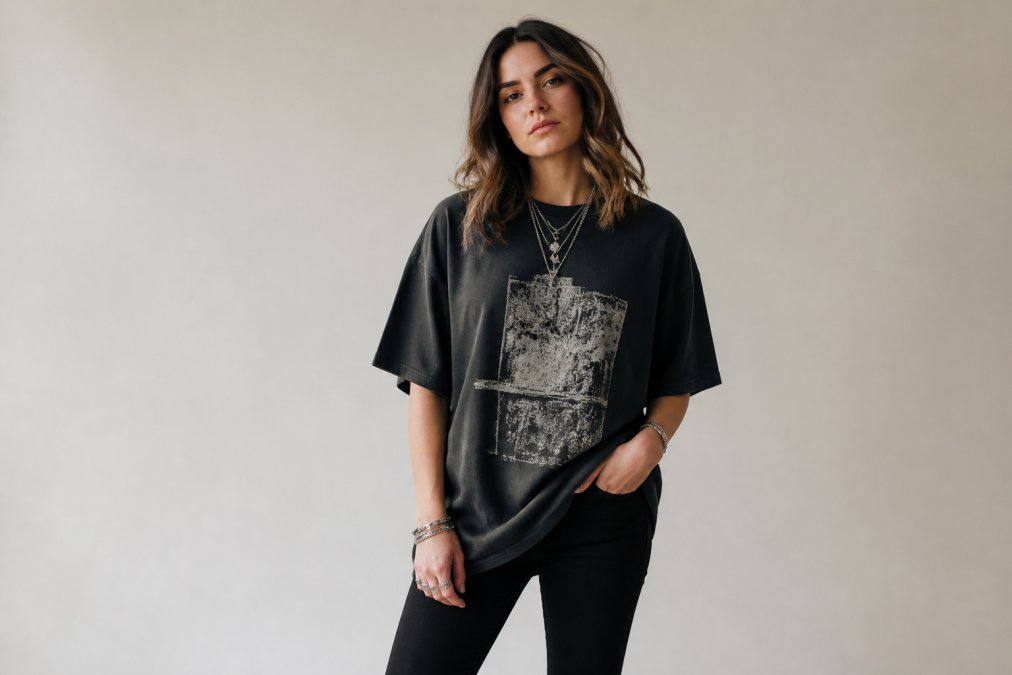
For athletic or muscular builds: Pair an oversized heavyweight tee with fitted or tapered pants. The contrast between loose upper body and fitted lower half creates visual balance. Layer a structured jacket or overshirt to add definition to the shoulders. The substantial fabric weight prevents the tee from looking baggy or shapeless.
For smaller or slimmer frames: An oversized tee can overwhelm a petite silhouette if styled wrong. Tuck the front half into high-waisted jeans or trousers to create structure. Add a belt to define the waist. Layer a fitted cardigan or denim jacket over the tee to frame the body. The heavyweight fabric sits better than lightweight alternatives on smaller frames because it doesn't drape limply.
For larger builds: Oversized graphic tees provide comfort without requiring compromise on style. Pair with straight-leg or relaxed-fit pants rather than skinny cuts. A slight drop shoulder (like AW3SOME tees feature) prevents the armhole from sitting too tight. Avoid excessive layering that adds bulk. Let the substantial fabric speak, it's designed to feel intentional, not accidental.
Universal styling approach: The quality of the graphic matters more than the fit for oversized tees. A dope graphic t shirt with bold, centered artwork or a compelling back print works as a statement piece. Pair it with neutral bottoms, black, navy, gray, or natural denim, so the shirt remains the focal point. Accessories like chains, rings, or a structured bag add visual interest without competing with the graphic.
Sizing, Fit, and Care for Long-Lasting Graphic Apparel
Oversized graphic tees from quality brands like AW3SOME come in a wide range, typically S through 7XL. The relaxed fit and slight drop shoulder mean sizing up isn't necessary for most people. A true-to-size fit works across body types because the construction is designed for comfort, not compression.
Check the specific measurements before ordering. Oversized doesn't mean the same thing across all brands. Some brands interpret it as 2-3 inches of extra room. Others go larger. AW3SOME's oversized silhouette sits comfortably without excessive volume, making it versatile for layering and standalone wear.
Care determines longevity more than anything else. Machine wash in cold water (max 30°C / 90°F).
Original Designs vs. Reprinted Drops: Why It Matters
The streetwear collector market values originality above almost everything else. A shirt that's never been reprinted has different economics and psychology than one that might reappear in six months.
Real Customer Concerns Addressed:
Frequently Asked Questions
What defines a high-quality dope graphic t-shirt?
Quality graphic tees combine three elements: durable heavyweight fabric (7.5 oz or 245-255 GSM), construction details like double-needle stitching and reinforced collars, and printing methods that preserve artwork through washing. The graphic itself should stay crisp and vibrant after multiple washes, without cracking or fading. Original artwork also signals quality, designs that are never reprinted hold their value and cultural relevance longer than mass-produced alternatives.
How does DTG printing compare to screen printing for graphic tees?
DTG (direct-to-garment) printing applies ink directly onto the fabric using inkjet technology, allowing for detailed, multi-color designs and photo-realistic artwork. Screen printing uses stencils and squeegees to push ink through mesh. DTG works well for intricate graphics and small runs, while screen printing excels at high-volume production. Both methods can produce durable results; the difference lies in design complexity and production scale, not inherent quality.
Why should I pay more for a heavyweight graphic tee?
Heavyweight cotton (7.5 oz) holds its shape better than lightweight alternatives, resists shrinkage, and provides a smoother surface for printing detail. The denser fabric feels more substantial and ages gracefully, it softens with wear rather than thinning out. Heavier tees also drape better on the body and maintain their silhouette through multiple wash cycles, making them a longer-term investment than cheaper, thinner options.
How do I know if a graphic tee design is actually original?
Look for brands that explicitly state a no-reprint policy and limit editions to single drops. Original designs often feature artist signatures, limited size runs, or unique artwork that doesn't appear across multiple retailers. Brands committed to originality typically document their design process and avoid recycling old graphics. If a design feels familiar or appears on multiple sites, it's likely been reprinted or isn't exclusive to one brand.
Cotton fabric care standards
Textile durability testing guidelines
Direct-to-garment printing technical specifications