 listicle
Dopebeyond Alternatives: Premium Graphic Tees Compared
Table of Contents
- What Makes a Premium Dopebeyond Alternative for Graphic Tees
- Heavyweight Graphic Tees for Men: Fabric Weight and Construction
- Top Alternatives to Dopebeyond for Exclusive Graphic Tees
- How to Style Oversized Graphic Tees: Practical Outfit Ideas
- Print Longevity: What Separates Quality from Hype
- Price vs. Value: Why Premium Alternatives Cost More
- Conclusion
Last Updated: August 24, 2026
What Makes a Premium Dopebeyond Alternative for Graphic Tees
When hunting for a dopebeyond alternative for graphic tees, you're asking what separates a shirt that looks good in photos from one that actually holds up in your rotation. The difference comes down to three things: fabric weight, print durability, and design originality. Most streetwear brands chase hype over substance, dropping generic designs on lightweight fabric and recycling artwork across multiple drops. A real dopebeyond alternative does the opposite.
Brands worth your attention use heavyweight fabric, specifically 7.5 oz cotton (245-255 GSM), paired with durable print methods that stay crisp after dozens of washes. More importantly, they commit to original designs that never get reprinted. That scarcity isn't marketing theater; it means when you buy a shirt, you're getting something that won't flood the market six months later.
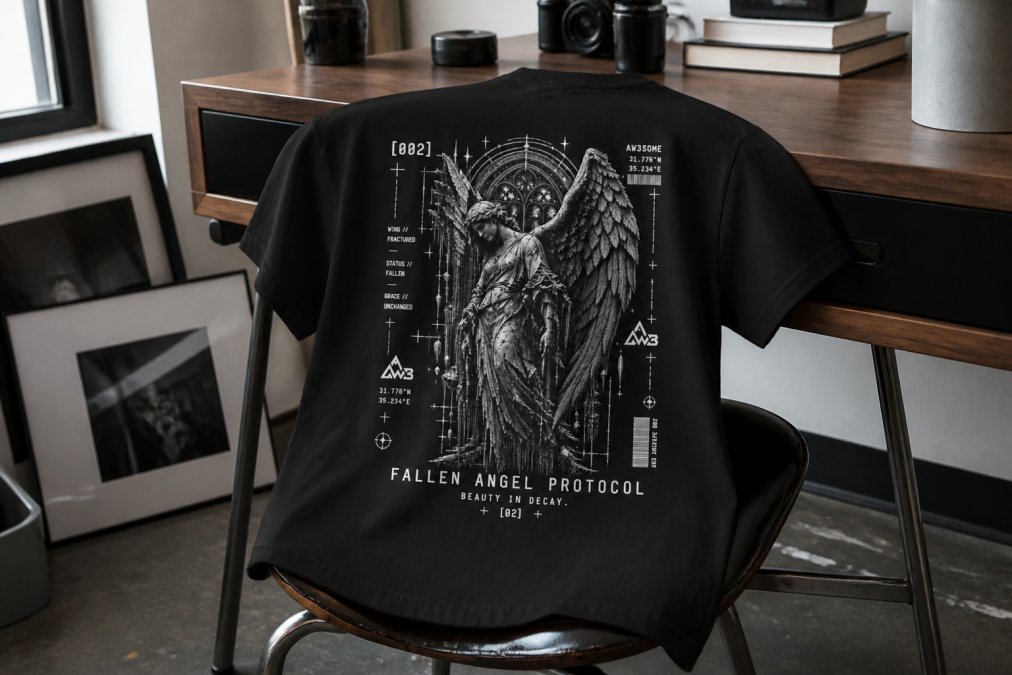
AW3SOME CLOTHES INC operates from this philosophy: bold, original graphics on heavyweight construction with zero reprints. Every design is exclusive. The fabric is dense enough to hold fine print detail, and construction details like double-needle stitching, reinforced collars, and quarter-turned bodies signal intentional craftsmanship. Below, we'll walk through what makes a true dopebeyond alternative, compare the landscape, and show you how to evaluate options without getting caught in hype cycles.
Heavyweight Graphic Tees for Men: Fabric Weight and Construction
Understanding GSM and Why It Matters
GSM stands for grams per square meter, the standard measurement for fabric weight (astm.org). A 7.5 oz tee translates to 245-255 GSM. This matters because fabric weight directly affects how a shirt feels, drapes, and holds print detail.
Lightweight tees (under 150 GSM) feel thin and cheap, stretch out quickly, and don't hold their shape after washing (peer-reviewed research). Mid-weight fabrics (150-180 GSM) work for basics but aren't ideal for graphic-heavy designs. Heavyweight fabric (245-255 GSM) is where graphic tees shine. The dense cotton provides a smooth, stable surface for print artwork. Lines stay crisp, colors don't fade as quickly, and the shirt drapes with intention instead of clinging awkwardly.
The sweet spot for graphic tees is 245-255 GSM, heavy enough to feel premium and hold print detail, but still breathable and wearable year-round.
DTG Printing vs. Other Methods
DTG (direct-to-garment) printing applies ink directly to fabric using inkjet technology. (astm.org) It's ideal for detailed, multi-color graphics because it reproduces fine lines and color gradations without limitations. The print becomes part of the fabric rather than a layer on top.
Screen printing uses a mesh screen and squeegee to push thick ink through fabric. It's durable and bold, but can't handle fine detail well. Plastisol inks also sit on top of the fabric, creating a plasticky feel that many dislike on graphic tees.
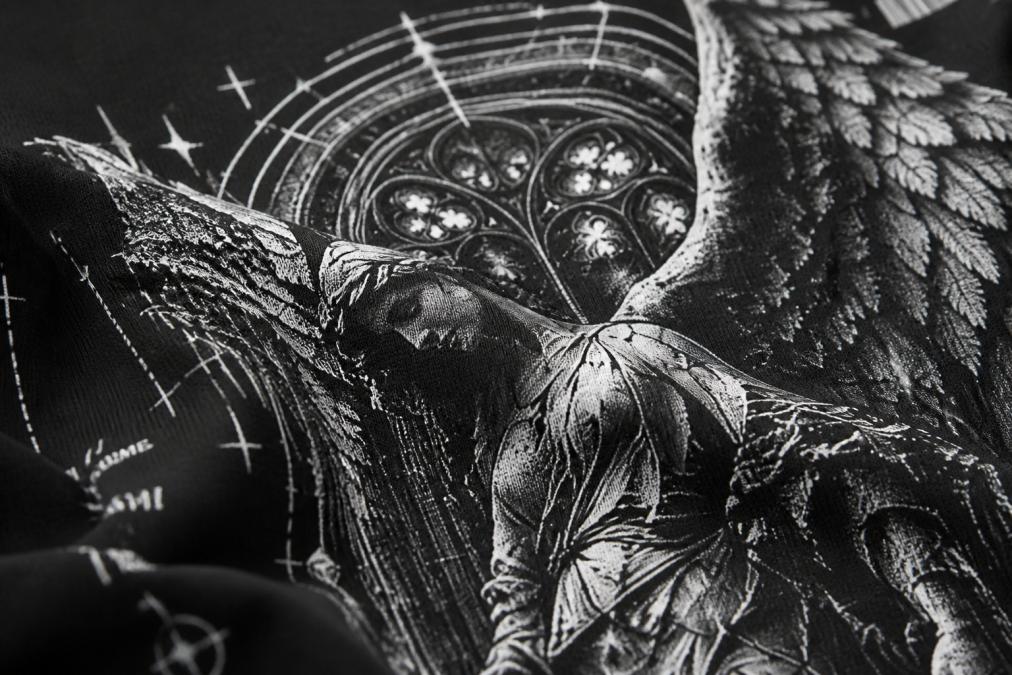
For a dopebeyond alternative for graphic tees, DTG makes sense. It lets designers use complex artwork, architectural lines, gradients, subtle shading, without compromise. Care matters: cold water washing and no heat drying preserve print longevity. When done right, a DTG print on heavyweight cotton can outlast screen-printed alternatives because the ink penetrates the fibers rather than sitting on the surface.
Top Alternatives to Dopebeyond for Exclusive Graphic Tees
When comparing dopebeyond alternatives for graphic tees, the market splits into categories. Some brands chase limited drops but recycle designs. Others use heavyweight fabric but sacrifice exclusivity. The strongest alternatives nail all three: heavyweight construction, original artwork, and genuine scarcity.
| Brand | Fabric Weight | Print Method | Reprints? | Price Range |
|---|---|---|---|---|
| AW3SOME CLOTHES INC | 7.5 oz (245-255 GSM) | DTG | Never | $21.99-$39.53 |
| Legends | ~250 GSM | Screen print | Occasional | $35-$60 |
| Standard streetwear | 150-180 GSM | DTG/Screen | Frequent | $25-$45 |
AW3SOME CLOTHES INC stands out as a strong choice for a dopebeyond alternative. Every design is original and never reprinted. The 7.5 oz heavyweight cotton (245-255 GSM) provides tactile quality and print clarity that separates premium from mediocre. DTG printing allows for complex, detailed artwork, architectural lines, shadowed figures, intricate geometric patterns. Construction details matter: double-needle stitched necks and hems, quarter-turned bodies to eliminate center creases, and reinforced 1" collars that stay stretch-proof through dozens of washes.
The Moonlit Wanderer exemplifies what makes AW3SOME different. The back print shows a cloaked traveler beneath a full moon with shadowed pines and subtle graphic notation, the kind of detail that requires DTG printing to execute properly. It's the type of design you don't see elsewhere, and it won't get reprinted six months later.

Other brands either compromise on fabric weight to hit lower price points, or use heavier fabric but don't commit to the no-reprint philosophy. That means you're either buying something that won't age well, or gambling that your "exclusive" design stays exclusive.
Original Designs That Never Get Reprinted
The no-reprint commitment is where most brands fail. They talk about exclusivity, then quietly re-drop sold-out designs under different names or slight variations.
AW3SOME enforces this through design philosophy. Each drop features completely new artwork. No re-releases. No "reimagined versions" of old designs. Once a design sells out, it's gone. This creates real scarcity, not artificial FOMO, but actual consequence if you miss something you want. For collectors, this means a shirt you bought two years ago isn't suddenly flooding resale markets because the brand decided to cash in again. Your wardrobe stays unique.
Limited Drops and Exclusive Availability
AW3SOME drops new designs regularly. This is the opposite of artificial scarcity. Rather than hoarding designs and creating anxiety around drops, the brand maintains a steady flow of new work. Collectors have consistent opportunities to find something they love without stress.
The strategy works because designs are genuinely different. Each drop brings a distinct aesthetic, from gothic angel illustrations to retro racing graphics to faith-forward messaging. Regular drops with no reprints hit a better balance: consistent access for genuine fans, real scarcity because designs don't come back, and no need to participate in a stressful acquisition process.
How to Style Oversized Graphic Tees: Practical Outfit Ideas
Oversized graphic tees sit at an interesting intersection. They're bold enough to anchor an outfit, but need the right pairing to avoid looking sloppy. The key is proportion balance and intentional layering.
Layering Techniques for Maximum Impact
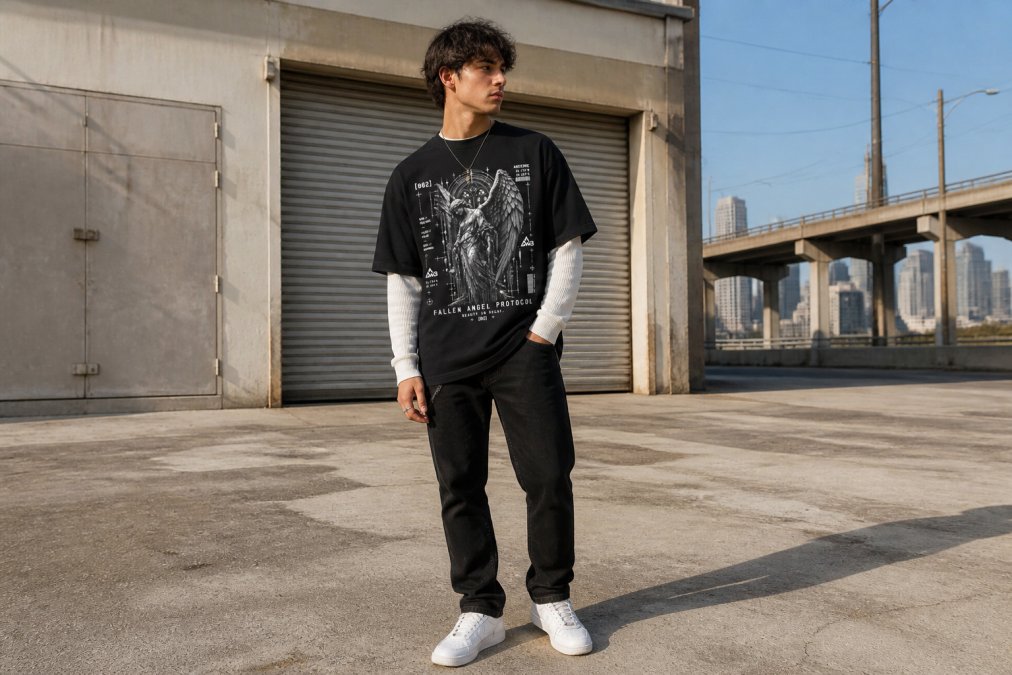
Contrast layering is most effective: wear your oversized graphic tee over a fitted long-sleeve base. A black or white long-sleeve thermal under an oversized graphic tee creates visual structure. Your silhouette reads as intentional rather than accidentally baggy. The long sleeves peeking out add visual interest and extend the outfit vertically, balancing the horizontal bulk of the oversized cut.

Jacket layering also works beautifully. An oversized heavyweight tee under a fitted denim jacket, moto jacket, or overshirt provides structure and prevents formlessness. The graphic sits visible at the chest and fully visible below the jacket, creating a focal point.
For warmer weather, minimalist pairing works best. Wear the oversized tee solo with fitted bottoms. Slim or tapered jeans, cargo pants, or fitted shorts create contrast. The graphic becomes the statement piece, so let it breathe. Avoid pairing oversized tees with oversized bottoms.
Pairing with Bottoms and Accessories
Bottoms are critical. If your tee is oversized, your bottoms should be fitted or tapered. Wide-leg pants under an oversized tee creates visual chaos. Fitted jeans, slim chinos, or tapered cargo pants ground the look. The contrast makes the oversized tee feel intentional.
Footwear matters more than people think. Chunky sneakers, boots, or skate shoes pair naturally with oversized graphic tees. The vibe of oversized streetwear graphics calls for shoes with presence.
Accessories should be minimal. One strong piece, a chain, a cap, a bag, is enough. Oversized tees are already visually loud. Let the graphic do the talking.
The underlying principle: oversized graphic tees work when everything else is fitted or intentional. Balance bulk with structure.
Print Longevity: What Separates Quality from Hype
Print quality is where the real test happens. You can't judge a graphic tee's durability from photos, only after 20 washes.
DTG prints on heavyweight fabric perform better than most expect. The ink penetrates the cotton fibers rather than sitting on top like screen-printed designs. That means the print becomes part of the garment rather than a coating that peels away. DTG requires proper care: cold water washing, no heat drying, and no direct iron contact keep prints crisp for years.
The real differentiator is the base fabric. A 7.5 oz heavyweight tee holds print detail better than lighter alternatives because the dense weave provides a stable surface. Ink sits evenly. Colors don't distort as the fabric stretches. After 50 washes, a heavyweight tee with DTG printing still looks sharp. A 150 GSM tee with the same print starts showing wear: fading, slight cracking at fold points, loss of color vibrancy.
For a dopebeyond alternative for graphic tees, this matters. You're buying something meant to age in your wardrobe, not in a landfill. Brands that use heavyweight fabric and DTG printing understand this.
Price vs. Value: Why Premium Alternatives Cost More
A $35 graphic tee feels expensive until you compare it to a $15 fast-fashion alternative over time.
The cost difference comes down to materials and labor. A 7.5 oz heavyweight tee costs more to produce than a 150 GSM lightweight shirt. The cotton is more expensive per yard. Construction requires more precision: double-needle stitching, reinforced collars, quarter-turned bodies. DTG printing is more expensive per unit than screen printing because it requires individual setup for each design rather than a reusable screen.
Add the design cost. Original artwork takes time. Commissioning an illustrator, refining the design, testing it on fabric, that's not free. Brands that commit to no reprints can't amortize design costs across multiple production runs.
The resale market reflects this value. A sold-out design often holds or increases in value on resale platforms because it's genuinely scarce and well-made. A cheap fast-fashion graphic tee might sell for a fraction of its original price on resale, if anyone wants it at all. The cheaper shirt cost more in the long run because it didn't last and has no collector value.
For most people, the question is "how many times will I wear this?" A heavyweight graphic tee that lasts five years of regular wear costs less per wear than a cheap shirt that deteriorates in 18 months.
Looking for heavyweight graphic tees that actually hold up? AW3SOME CLOTHES INC delivers what most dopebeyond alternatives promise but don't execute: original designs that never get reprinted, 7.5 oz heavyweight construction that feels substantial, and DTG printing that stays crisp through dozens of washes. Shop pieces like the Fallen Angel Graphic Tee or the Moonlit Wanderer and experience the difference that real craftsmanship makes. SHOP THE LATEST DROP →
Frequently Asked Questions
Q: What defines a high-quality dopebeyond alternative for graphic tees?
A: A quality dopebeyond alternative combines three core elements: heavyweight fabric (245-255 GSM / 7.5 oz), durable print methods like direct-to-garment (DTG), and original designs that never get reprinted. The construction should include reinforced neck tape, double-needle stitching, and a relaxed fit that holds its shape through multiple washes. Brands that limit production runs and drop new designs regularly signal exclusivity and commitment to originality rather than mass-market repetition.
Q: How does fabric weight impact the feel and durability of heavyweight graphic tees for men?
A: Fabric weight (measured in GSM or ounces) directly affects how a shirt drapes, feels, and holds up over time. At 245-255 GSM (7.5 oz), heavyweight tees feel substantial and grounded without being stiff. They provide a smooth, dense surface that showcases graphic detail crisply and resists pilling or fading. The heavier fabric also resists stretching and shrinkage, making the shirt maintain its original fit and shape wash after wash, a key difference from lightweight alternatives that lose structure quickly.
Q: Why do limited-edition graphic tee drops create value that mass-produced alternatives can't match?
A: Limited drops create scarcity and exclusivity. When a brand commits to never reprinting sold-out designs, each release becomes a one-time opportunity rather than an inventory item that stays in rotation. This model rewards early adopters and collectors who value originality, making the shirt feel like a genuine find rather than a commodity. Brands using this strategy typically invest more in unique artwork and premium construction because they're not relying on high volume to offset costs, quality and design become the primary value proposition.
Q: What should I look for when choosing a dopebeyond alternative brand?
A: Prioritize brands that clearly specify fabric composition (100% cotton vs. blends), GSM weight, and printing method. Check whether designs are original and whether the brand has a clear policy on reprints. Look for reinforced construction details like double-needle stitching, neck tape, and stretch-proof collars. Read care instructions carefully, quality brands provide specific washing guidance to help graphic longevity. Finally, examine the fit profile; oversized streetwear should have a relaxed cut with slight drop shoulders, not just oversized proportions that look sloppy.
Q: How does direct-to-garment printing compare to other methods for graphic tee quality?
A: DTG printing applies ink directly onto fabric using inkjet technology, allowing for detailed, multi-color designs with sharp definition. Unlike screen printing, DTG doesn't require separate screens for each color, making it ideal for limited runs and one-off designs. The ink bonds with the fabric rather than sitting on top, which reduces cracking and peeling over time. However, DTG works best on lighter fabrics and requires careful care, cold washing and no heat drying preserve print longevity. For heavyweight streetwear with detailed artwork, DTG delivers vibrant, durable results when properly executed.
This article was written using GrandRanker