 listicle
Is Limited Edition Streetwear Worth It? 2026 Guide
Table of Contents
- What Makes Limited Edition Streetwear Different
- The Psychology Behind Drop Culture and Scarcity
- How to Identify Quality Streetwear That Actually Lasts
- Resale Value vs. Personal Utility: The Real Equation
- Streetwear Resale Market Trends and Investment Potential
- Premium Pricing: When You're Paying for Brand vs. Quality
- Original Graphics and Never-Reprinted Designs: A Genuine Value Add
- The Cost-Per-Wear Reality Check
- Frequently Asked Questions
Last Updated: October 2, 2026
What Makes Limited Edition Streetwear Different
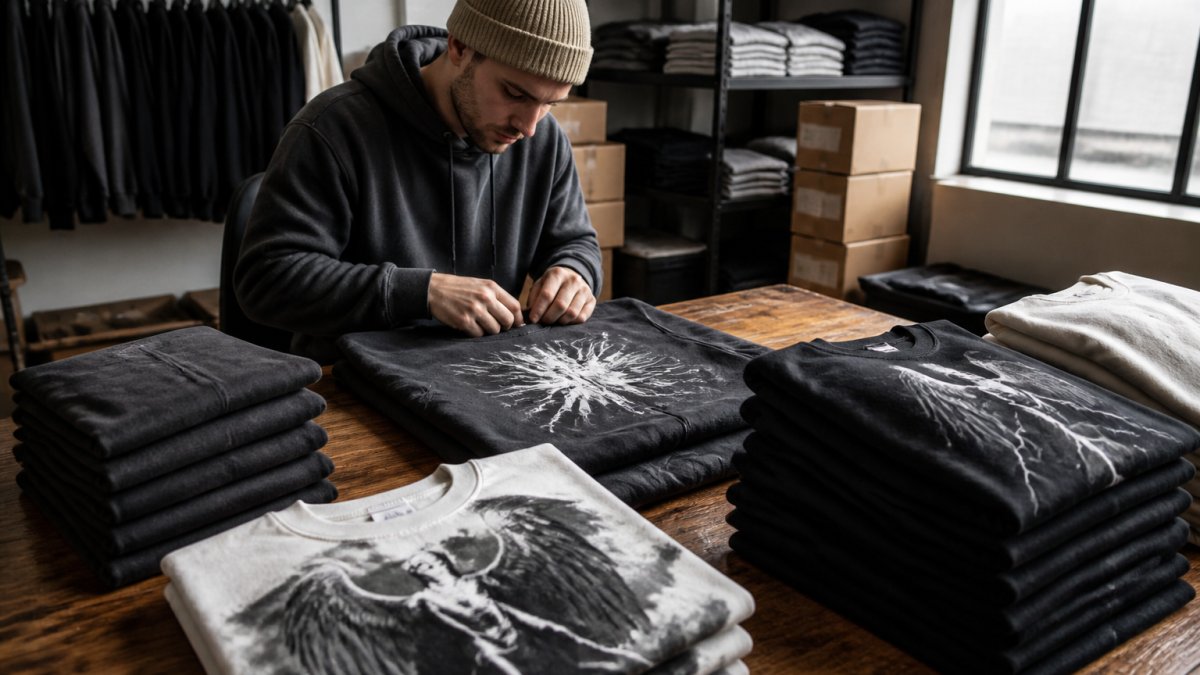
Limited edition streetwear exists in a different category than mass-produced apparel. The defining characteristic is scarcity: a design drops, sells out, and never comes back. That simple constraint shapes everything from pricing to resale value to how collectors perceive the piece.
What separates limited edition streetwear from regular graphic tees is the commitment to finality: once a design is gone, it's gone forever. No restocks. No reruns. This contrasts sharply with fast fashion, where popular items cycle back into inventory whenever demand signals suggest they'll sell again. Limited edition drops create urgency because the window is real, not manufactured.
When you own a piece that will never be reprinted, you own something that can't be commodified the same way. A design from AW3SOME CLOTHES INC's heavyweight collection carries the knowledge that no one else will ever be able to buy that exact graphic again. That permanence is what drives both the initial purchase decision and secondary market value.

The Psychology Behind Drop Culture and Scarcity
Drop culture taps into fundamental consumer behavior: scarcity creates perceived value. When supply is constrained, demand spikes not because the product improved, but because access became finite. Owning something rare signals taste, awareness, and status within a community.
Timing mechanics matter as much as the product itself. A drop announcement creates anticipation, the release window creates urgency, and the sellout creates validation. Both buyers and missers reinforce the perceived value of what sold out.
Brand loyalty intensifies within drop culture. Followers check back regularly, set reminders, and build identity around being part of the community.
The resale market amplifies these dynamics.
How to Identify Quality Streetwear That Actually Lasts
Quality in streetwear comes down to two measurable factors: fabric weight and construction standards. Durability lives in the technical specs.
Fabric Weight and Construction Standards
Heavyweight streetwear typically starts at 7 oz. AW3SOME CLOTHES INC's tees use 7.5 oz / 245-255 GSM fabric, which balances durability without becoming stiff.
GSM (grams per square meter) measures fabric density, not quality.
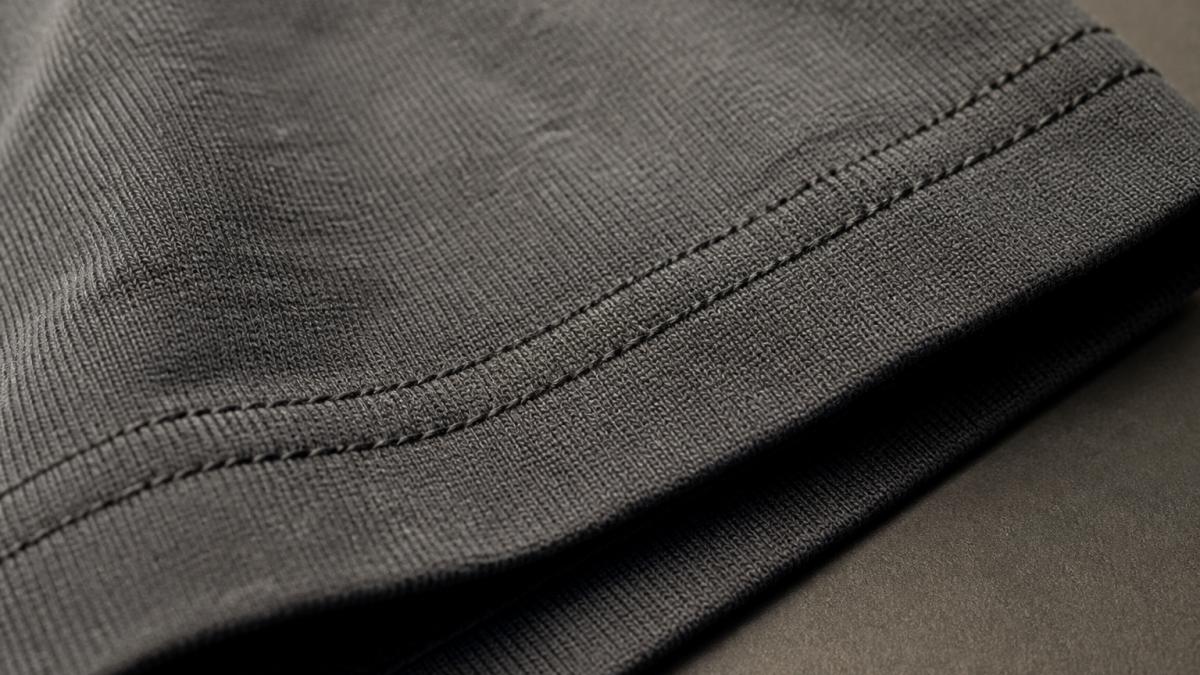
Construction standards separate premium pieces from budget alternatives. Double-needle stitching on the neck, sleeves, and hem prevents seam splitting. Shoulder-to-shoulder neck tape prevents collar stretch. Quarter-turned construction removes the center crease that weakens fabric.
These details cost more to implement, which is why they appear on premium brands and disappear on budget options. Single-needle stitching shows wear sooner, especially around the collar and armholes.
Print Method and Durability
DTG (direct-to-garment) printing applies ink directly to the fabric using inkjet technology. The ink bonds to the fibers, so DTG graphics remain flexible after washing and crack less frequently than rigid print methods.
AW3SOME CLOTHES INC uses DTG exclusively for graphics, prioritizing longevity over tactile feel.

Screen printing creates a thicker, more textured graphic because ink sits on top of the fabric. It looks bolder initially, but can crack and peel with repeated washing.
The quality verification step is simple: examine the seams, check the fabric weight if it's listed, and ask about the print method. Any brand that won't disclose these details is hiding something.
Resale Value vs. Personal Utility: The Real Equation
The resale market creates a mental accounting problem: you're no longer just buying a shirt to wear, you're making an investment decision.
Personal utility is straightforward: does the design appeal to you, do you like the fit, and will you wear it regularly? If yes to all three, the shirt has value regardless of resale price.
Resale value introduces a second calculation. A piece that appreciates 50% feels like a win, even if you never sell it.
Most limited edition streetwear does not appreciate. The pieces that do come from established brands with proven track records, unique designs that resonate across the community, and genuine scarcity.
The cost-per-wear metric clarifies the decision. If you wear a piece 100 times, your cost-per-wear is low.
Streetwear Resale Market Trends and Investment Potential
The secondary market for streetwear has matured significantly. Pieces from established brands with consistent quality and design vision hold value better than hype-driven drops from newer labels.
Resale platforms have standardized pricing, compressing markup potential. Realistic appreciation today is for pieces that resonate; many pieces lose value immediately after the initial drop.
Tokyo Street Racing T‑Shirt — Retro Japanese City Drift Graphic Tee →
Brands that maintain resale value drop consistently, never reprint sold-out designs, and create graphics that appeal beyond a single season. Timeless designs with strong typography and bold imagery age better than trend-tied or meme-based designs.
Original graphics matter more than logo-driven fashion in the resale market. A shirt with a unique illustration holds its value because it's genuinely unreplaceable.
Premium Pricing: When You're Paying for Brand vs. Quality
Limited edition streetwear pricing breaks into two components: material cost and scarcity premium. Understanding the split helps you evaluate whether a price is justified.
A 7.5 oz heavyweight tee with quality construction costs more to produce than a 5 oz standard weight shirt.
The scarcity premium sits on top, the markup that exists because supply is limited. A design that will never be reprinted commands higher pricing than a design that could theoretically come back.
The trap is paying a scarcity premium for substandard construction.
Evaluate limited edition streetwear by separating the two costs. Ask: would I pay this price if the design was in regular rotation? If no, you're overpaying for scarcity.
Original Graphics and Never-Reprinted Designs: A Genuine Value Add
Original artwork changes the equation. When a design is truly unique and never reprinted, it carries permanent scarcity value.
This is the strongest differentiator in streetwear. A brand that commits to never reprinting designs is making a promise about exclusivity and limiting its own profit potential.
The secondary market reflects this. Pieces with unique, compelling graphics appreciate more consistently than pieces that feel generic or interchangeable.
Original designs that don't resonate depreciate faster than reissued classics. A brand betting on never-reprinted designs has to execute consistently; a pattern of misses erodes collector trust.
AW3SOME CLOTHES INC's approach, original graphics on heavyweight blanks, never reprinted, combines quality construction with genuine scarcity. The brand isn't relying on hype or artificial scarcity.
The Cost-Per-Wear Reality Check
Cost-per-wear separates rational purchasing from collection-as-status. It forces you to confront actual utility instead of aspirational ownership.
A piece worn 100 times has a much lower cost-per-wear than a piece worn 10 times. The difference compounds across your collection.
Limited edition pieces often suffer from the "too nice to wear" problem.
Only buy limited edition streetwear if you'll wear it regularly. If you love the design, the fit feels right, and it works with your wardrobe, the cost-per-wear works out.
A piece you wear weekly becomes progressively cheaper per wear, while a piece sitting unworn becomes progressively more expensive relative to the enjoyment you get from it.
| Factor | Impact on Value | What It Means |
|---|---|---|
| Original graphic design | High | Unique designs hold value; generic logos depreciate |
| Heavyweight construction (7+ oz) | High | Durability extends cost-per-wear; cheap blanks show wear fast |
| Brand track record | High | Established brands maintain resale value; new brands are risky |
| Scarcity (never reprinted) | Medium-High | Real scarcity > artificial scarcity; affects secondary market |
| Print method (DTG vs. screen) | Medium | DTG lasts longer; screen printing feels better initially but cracks |
| Fit and personal style match | Medium | Unworn pieces lose value; pieces you wear regularly justify cost |
| Hype and timing | Low | Initial buzz fades; quality and design matter long-term |
Limited edition streetwear is worth it when quality construction meets original design and genuine scarcity.
SHOP THE LATEST DROP →
Frequently Asked Questions
Why is limited edition streetwear so expensive?
Limited edition streetwear commands premium prices for several reasons: scarcity drives exclusivity, original graphic designs require creative investment, and heavyweight construction using quality materials costs more than fast-fashion alternatives. Brands also factor in smaller production runs, which reduce economies of scale. The price reflects both the physical product quality and the social currency of owning something others cannot acquire later.
How do you spot quality in heavyweight streetwear?
Look for fabric weight (quality heavyweight tees typically measure 7.5 oz or 245-255 GSM), reinforced stitching (double-needle seams on neck and hems), and construction details like shoulder-to-shoulder neck tape and quarter-turned bodies that remove center creases. Check the print method: direct-to-garment (DTG) printing bonds ink directly to fabric for durability. Examine seams for evenness, collar stretch-resistance, and whether the garment feels substantial when you hold it.
Does limited edition streetwear hold its resale value?
Resale value depends on brand reputation, design appeal, condition, and market demand at the time of sale. Pieces from established brands with strong collector followings may retain value, while niche or less-recognized designs often depreciate faster. Original graphics and never-reprinted designs can command premiums on secondary markets because scarcity increases desirability. However, resale value should not be your primary purchase driver unless you're actively trading; buying for personal wear provides better value.
Is it better to buy limited drops or high-quality basics?
The answer depends on your priorities. Limited drops offer exclusivity, original artwork, and potential resale upside, but carry higher prices and the risk of missing future availability. High-quality basics provide versatility, consistent availability, and reliable cost-per-wear calculations. Many collectors balance both: investing in limited-edition pieces for statement-making while building a foundation of quality basics for everyday rotation. Consider whether you value uniqueness and scarcity or practicality and accessibility.