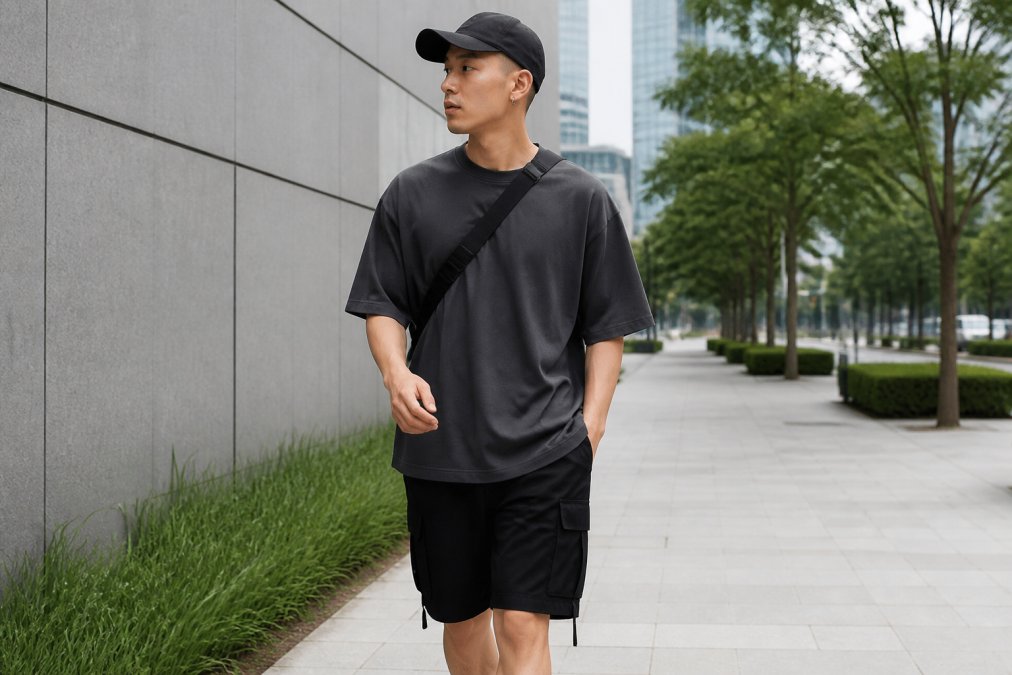
 listicle
Techwear Alternatives for Hot Weather
Table of Contents
- Why Techwear Doesn't Work in Heat
- Essential Fabric Technologies for Heat Management
- Breathable Streetwear Fabrics That Replace Heavy Techwear
- Heavyweight Cotton vs Synthetic Techwear: Which Performs Better in Summer
- How to Style Oversized Tees in Summer Without Overheating
- Layering Strategies for Summer Heat
- Lightweight Alternatives and Accessories for Heat
- Frequently Asked Questions
Last Updated: September 17, 2026
Why Techwear Doesn't Work in Heat
Techwear looks sharp, but most pieces are engineered for cool or moderate climates. Heavy synthetic blends, dense weaves, and multiple layers trap heat instead of dissipating it. When summer arrives, the very features that make techwear appealing become liabilities.
The core issue is breathability. Fabrics designed to block wind and repel moisture can't move heat away from your skin efficiently. Add an oversized fit meant for layering, and you're wearing insulation when you need ventilation. This is where techwear alternatives for hot weather become essential, you want the aesthetic without the thermal burden.
Streetwear doesn't have to sacrifice comfort for style. The solution is choosing fabrics and silhouettes designed for heat management. Heavyweight cotton, strategic layering, and breathable construction deliver the bold graphic presence techwear fans want while keeping you cool.

Essential Fabric Technologies for Heat Management
Breathability (air permeability) and moisture-wicking are essential for summer clothing. These work together: air movement enables evaporative cooling, your body's primary heat-dissipation mechanism.
Natural fibers like cotton excel at moisture absorption and air circulation. Merino wool is another option for heat management, though less common in streetwear.
Synthetic fibers engineered for performance move moisture away from skin faster, while cotton absorbs and then releases it. For pure summer heat, the faster moisture management of synthetics can feel more comfortable, though quality cotton performs admirably with adequate air permeability.
Weight alone doesn't determine performance. A 245-255 GSM pure cotton tee breathes better than a 280 GSM synthetic blend because cotton's fiber structure is inherently more porous. Construction method, yarn spin and weave structure, matters equally.
Breathable Streetwear Fabrics That Replace Heavy Techwear
When shopping for techwear alternatives for hot weather, look for fabrics with proven air permeability. Medium-weight cotton delivers durability without excessive heat retention.
Tubular knit construction eliminates side seams, reducing bulk and improving air circulation around your torso while creating a cleaner silhouette.
DTG (direct-to-garment) printing applies ink directly to fabric without adding layers of plastisol or screen-print buildup. This method preserves breathability because the print doesn't seal the surface, keeping artwork crisp while maintaining thermal properties.
Ribbed collars and shoulder tape reinforce high-stress areas while keeping the garment lightweight, delivering durability without sacrificing clean lines.
Heavyweight Cotton vs Synthetic Techwear: Which Performs Better in Summer
Heavyweight cotton (7.5 oz / 245-255 GSM) offers breathability because cotton fiber is naturally porous, allowing moisture vapor to escape and air circulation to happen readily.
Synthetic techwear blends prioritize durability and weather resistance, but tightly woven structures can limit air permeability. In hot, humid conditions, sweat may accumulate rather than evaporate and thermal regulation can be affected.
| Property | Heavyweight Cotton (7.5 oz) | Synthetic Techwear (280+ GSM) |
|---|---|---|
| Air Permeability | High | Moderate to Low |
| Moisture Absorption | Excellent | Good (faster wicking) |
| Evaporative Cooling | Excellent | Fair |
| Durability | Very Good | Excellent |
| Heat Retention | Low | High |
| Best Use | Summer streetwear | Cool climates, layering |
For pure summer heat, heavyweight cotton wins. For variable weather or technical outdoor activities, synthetic techwear makes sense despite reduced breathability.
AW3SOME's heavyweight tees use 100% USA cotton in standard colors, with 90/10 cotton-poly blends in Heather Grey, providing durability without heat-trapping density.
How to Style Oversized Tees in Summer Without Overheating
Oversized silhouettes are advantageous in heat when styled correctly, creating space for air circulation without adding bulk.
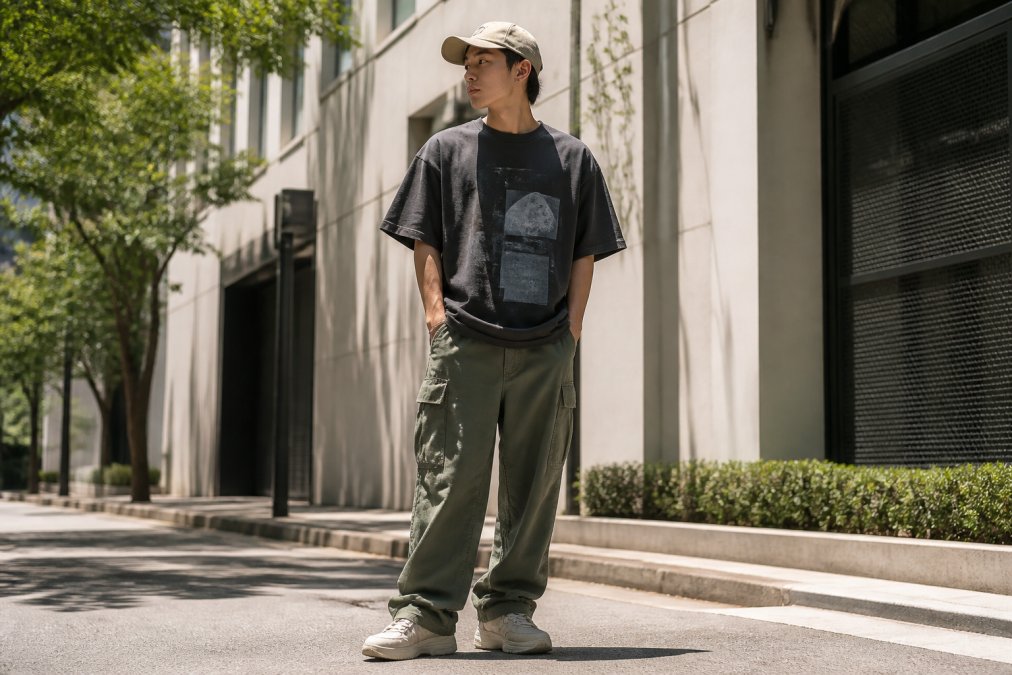
A lightweight long-sleeve under an oversized tee creates visual interest; the gap between garments allows air movement. Alternatively, wear the oversized tee solo for natural ventilation around your torso and shoulders.
Pair oversized tees with fitted or tapered bottoms to balance proportions and improve air circulation around your legs.
A lightweight cotton cap shades your face and head, allowing sweat to evaporate rather than pool under the brim.
Breathable sneakers with mesh panels or canvas uppers can be more comfortable than closed leather shoes in summer.
Layering Strategies for Summer Heat
Summer layering works when you prioritize breathability and air gaps between layers, not fabric overlap.
The Air-Gap Principle
When two fabrics touch directly, they trap warm, humid air against your skin. In summer, you want air gaps instead. A lightweight long-sleeve under an oversized short-sleeve graphic tee creates visual dimension while maintaining an air gap. The long-sleeve should be semi-transparent or moisture-wicking synthetic so it doesn't absorb sweat. This approach works well with techwear alternatives for hot weather because it maintains the layered aesthetic without the bulk of traditional techwear.
A tight, fitted long-sleeve can encourage air circulation around the outer garment rather than trapping it between layers. Fit is as important as fabric choice.
Unbuttoned Overshirts and Open Jackets
An unbuttoned overshirt or open jacket adds style without trapping heat. A lightweight linen or cotton overshirt (150-180 GSM) with a loose weave provides shade and visual interest while allowing full air circulation.
A relaxed or drop-shoulder design allows air to flow under the arms and across your torso, while fitted shoulder seams restrict airflow.
Sleeve Rolling and Vertical Layering
Push the sleeves of an oversized tee to three-quarter length to expose your forearms, improving evaporative cooling while maintaining the relaxed aesthetic.
Vertical layering, stacking pieces without overlap, works better than horizontal layering. A visible long-sleeve under a short-sleeve creates visual interest while allowing air movement.
Fabric Weight and Weave Structure
When layering, prioritize open weaves over weight. Fabrics with visible gaps between yarns allow air to pass through even when worn in contact with skin.
DTG-printed pieces maintain breathability even when layered because the print doesn't seal the fabric surface.
Practical Summer Layering Combinations
A semi-transparent long-sleeve mesh under an oversized 245-255 GSM cotton graphic tee creates visual depth while maintaining air circulation. An open linen overshirt (150-180 GSM, loose weave) over a fitted short-sleeve tee provides shade. A lightweight tank under an oversized graphic tee can maximize skin exposure in very hot climates.
Lightweight Alternatives and Accessories for Heat
Lightweight Overshirts and Layering Pieces
A lightweight overshirt in breathable cotton or linen serves multiple purposes: sun protection, style variation, and thermal regulation. Look for fabrics in the 150-180 GSM range with loose weaves.
Wash lightweight overshirts in cold water without fabric softener. Hang-dry or lay flat to preserve weave structure.
Lightweight Pants and Shorts
Lightweight pants in breathable fabrics are essential. Cargo pants, chino shorts, or lightweight denim allow air circulation. Avoid heavy denim or synthetic blends that trap heat.
Cotton-based pants should be washed in cool water to prevent shrinkage. Air-dry to maintain breathability.
Synthetic-blend pants can develop pilling in high-friction areas. Wash inside-out and air-dry to extend garment life.
Headwear and Sun Protection
A quality cotton cap breathes well, ages attractively, and can wick sweat away from your forehead.
Hand-wash cotton caps in cool water without bleach. Air-dry to maintain shape and extend lifespan.
Synthetic-blend caps can be durable in the washing machine. Wash in cool water and air-dry to preserve finish.
Footwear for Summer Heat
Canvas sneakers, mesh-panel shoes, and breathable athletic footwear can be more comfortable than closed leather shoes in summer.
Hand-wash canvas uppers with a soft brush and cool water. Air-dry completely to prevent mold growth.
Hand-wash mesh panels with a soft brush and air-dry. Seal fraying edges with clear fabric glue if needed.
Lightweight Accessories and Versatility
Cotton bandanas or neck gaiters provide versatility without heat retention. Wash separately in cool water and air-dry to preserve color.
Fabric Care as Performance Maintenance
Proper care can help preserve breathability. Washing in cool water, avoiding fabric softener, and air-drying extends the functional life of summer pieces.
DTG-printed pieces benefit from inside-out washing in cool water with mild detergent, then air-dried to preserve the graphic.
Frequently Asked Questions
What fabrics are best for staying cool in hot weather?
Lightweight cotton blends, merino wool, and technical synthetics with moisture-wicking properties can be effective in heat. Look for fabrics with high air permeability and hydrophilic fibers that pull sweat away from skin. Midweight cotton offers breathability while maintaining durability. Merino wool naturally regulates temperature.
Can you wear techwear in the summer without overheating?
Traditional techwear, with its dense synthetic shells, multiple layers, focus on weather resistance, can trap heat and moisture in summer. However, lightweight techwear alternatives using breathable technical fabrics and minimal layering can work well. Choose pieces with features that promote airflow. Summer-focused techwear prioritizes thermal regulation and evaporative cooling.
Is heavyweight cotton a viable option for summer streetwear?
Heavyweight cotton (7.5 oz / 245-255 GSM) works in summer if you prioritize breathability and fit. The dense fabric holds graphics crisply and resists shrinkage. Pair it with an oversized, relaxed fit to maximize air circulation around your body. Choose standard 100% cotton over blends for moisture absorption.
How do you layer in extreme heat without adding bulk?
Summer layering uses thin, breathable pieces. Start with a lightweight base layer, add a short-sleeve graphic tee, and finish with an unstructured overshirt or lightweight jacket you can remove. Choose fabrics with high air permeability. Loose, oversized fits create ventilation channels between layers. Keep each layer minimal, the goal is thermal regulation, not protection.