 listicle
7 Unique Graphic Design Streetwear Brands
Table of Contents
- What Makes Graphic Design Streetwear Brands Stand Out
- Best Streetwear Graphic Design Inspiration: 7 Brands Redefining the Category
- 1. Brutalist Architecture Meets Organic Nature
- 2. Cyberpunk and Biomechanical Aesthetics
- 3. Classical Art Deconstructed Through Digital Glitch
- 4. Vaporwave and Retro-Futuristic Design
- 5. Minimalist Topographic and Urban Mapping
- 6. Y2K Cyber-Culture and Rave Typography
- 7. High-Contrast Vintage Wash and Skull Graphics
- How to Start a Streetwear Brand with Unique Graphics
- Legal and Copyright Considerations for Streetwear Graphics
- Technical File Preparation for Screen Printing
- Sustainability in Graphic Design Streetwear
- Conclusion
Last Updated: August 13, 2026
What Makes Graphic Design Streetwear Brands Stand Out
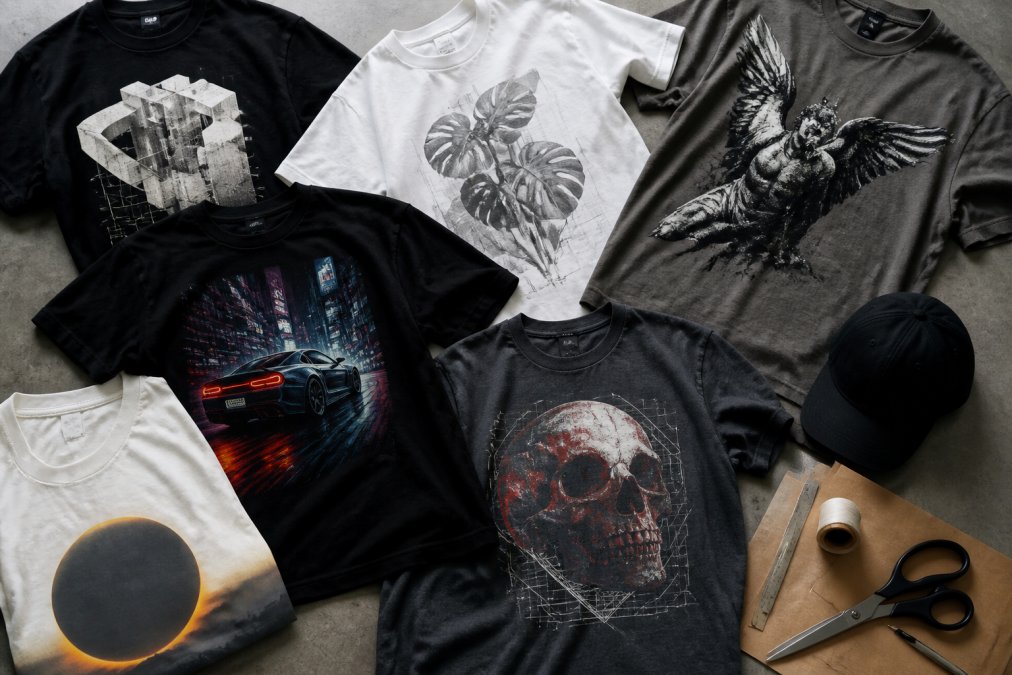
Graphic design streetwear has evolved into wearable art where typography, illustration, and artistic direction converge. The difference between forgettable and collectible comes down to intentionality: aesthetic coherence, technical execution, and creative vision that refuses repetition.
At AW3SOME CLOTHES INC, we've observed that the strongest brands operate on a core principle: exclusivity through originality. They don't reprint sold-out designs or chase trends reactively. Instead, they establish a distinct visual identity, whether brutalist geometry, cyberpunk biomechanics, or deconstructed classical art, and push it forward with every drop. This commitment to singular aesthetic, paired with premium construction, separates brands that build loyal communities from those that fade into noise.
The most successful brands share three characteristics: they treat graphic design as the primary product, invest in technical quality (high-density screen printing, color accuracy, durability), and understand that scarcity drives desire. When a design drops once and never returns, it carries cultural weight.
Best Streetwear Graphic Design Inspiration: 7 Brands Redefining the Category
The seven brands below represent the current frontier of graphic design streetwear, each operating from a distinct aesthetic philosophy that demonstrates how intentional design combined with manufacturing rigor creates pieces that resonate beyond a single season.
1. Brutalist Architecture Meets Organic Nature
This aesthetic fuses rigid geometric forms with flowing natural elements, creating visual tension that feels both industrial and alive. The design language uses high-contrast gridlines, clean vector slicing, and botanical motifs to create pieces that read as architectural blueprints reimagined through nature.
AW3SOME CLOTHES INC's Monstera Structure No. 1 Oversized T-Shirt - Concrete Flora exemplifies this direction. Brutalist gridlines wrap around organic leaf architecture, creating a piece that works equally as a statement or versatile neutral. Printed on premium heavyweight cotton at $21.99, it demonstrates how architectural precision and natural forms coexist without compromise. The oversized fit enhances the structural aesthetic, making the graphic feel intentional rather than decorative.

2. Cyberpunk and Biomechanical Aesthetics
Cyberpunk graphics pull from sci-fi futurism, biomechanical illustration, and darkwear sensibilities, featuring wireframe elements, circuit patterns, and distorted organic forms merged with mechanical components. Color palettes run heavy on blacks, deep purples, and neon accents.
The Synthetic Cobra Techwear Graphic T-Shirt - Neo-Biomedical merges predatory imagery with mechanical engineering. A cobra rendered through biomechanical illustration, part snake, part circuit board, sits as the centerpiece. At $21.99 on heavyweight cotton, it works on both dark and vintage-washed bases. The high-tech illustration succeeds precisely because it doesn't rely on neon or excessive detail, instead using negative space and clean line work to suggest complexity.
3. Classical Art Deconstructed Through Digital Glitch
This aesthetic takes museum-grade imagery, Greek sculpture, Renaissance paintings, classical busts, and fragments them through digital distortion. The result feels like high art colliding with internet culture: precious and irreverent simultaneously.
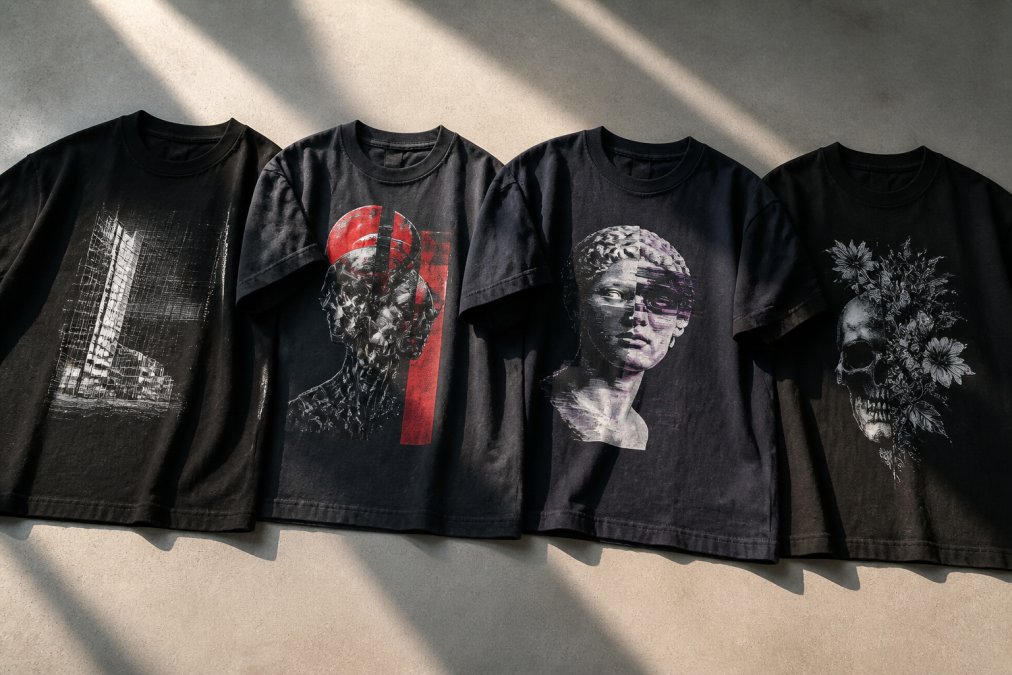
The Fragmented Marble Bust Tee and Fragmented Apollo Statue T-Shirt - Ruin & Marble execute this direction with precision. The marble bust gets sliced cleanly through vector lines, creating controlled deconstruction. Both pieces sit on heavyweight cotton at $21.99 each, positioning classical art appreciation within contemporary streetwear culture.
4. Vaporwave and Retro-Futuristic Design
Vaporwave aesthetics borrow from 1980s and 1990s commercial imagery and early internet aesthetics. The design language features classical statuary rendered through glitch effects and a sense of ironic nostalgia mixed with genuine appreciation for retro visual culture.
The Vapor Renaissance Statue Graphic Tee applies vaporwave sensibilities to classical sculpture using high-contrast vector fracturing and vintage wash treatment. Printed on vintage-washed cotton at $21.99, the pre-worn aesthetic enhances the retro-futuristic vibe while maintaining graphic clarity.
5. Minimalist Topographic and Urban Mapping
Minimalist topographic graphics use clean vector lines to create maps and elevation contours. The design language emphasizes precision, restraint, and visual clarity with typically two to three colors.
The Tokyo Meridian Topographic Streetwear Tee exemplifies this direction. Clean topographical vector lines contrast against bold crimson accents, creating a refined, modern look. Japanese typography integration adds cultural specificity without overwhelming the minimalist aesthetic. At $21.99 on 100% carded cotton, the relaxed fit works across multiple styling contexts.
6. Y2K Cyber-Culture and Rave Typography
Y2K aesthetics pull from late-1990s and early-2000s internet culture and rave flyer design, featuring distorted letterforms, wireframe elements, and bold color contrasts.
The Signal Loss 1999 Cyber Graphic T-Shirt - Digital Entropy channels late-90s cyber-culture through wireframe cybernetics and distorted typography. At $21.99 on ultra-soft combed cotton, the piece balances visual intensity with wearability while maintaining readable typography.
7. High-Contrast Vintage Wash and Skull Graphics
The strongest contemporary skull graphics use high-contrast screen printing on vintage-washed bases. The Static Frequency Skull Graphic Tee demonstrates technical excellence: high-density screen inks on pre-shrunk vintage wash cotton create texture and visual depth. At $21.99, premium construction and careful material selection transform familiar imagery into something worth collecting.
How to Start a Streetwear Brand with Unique Graphics
Building a graphic design streetwear brand requires clarity across visual identity, production capability, and distribution strategy.
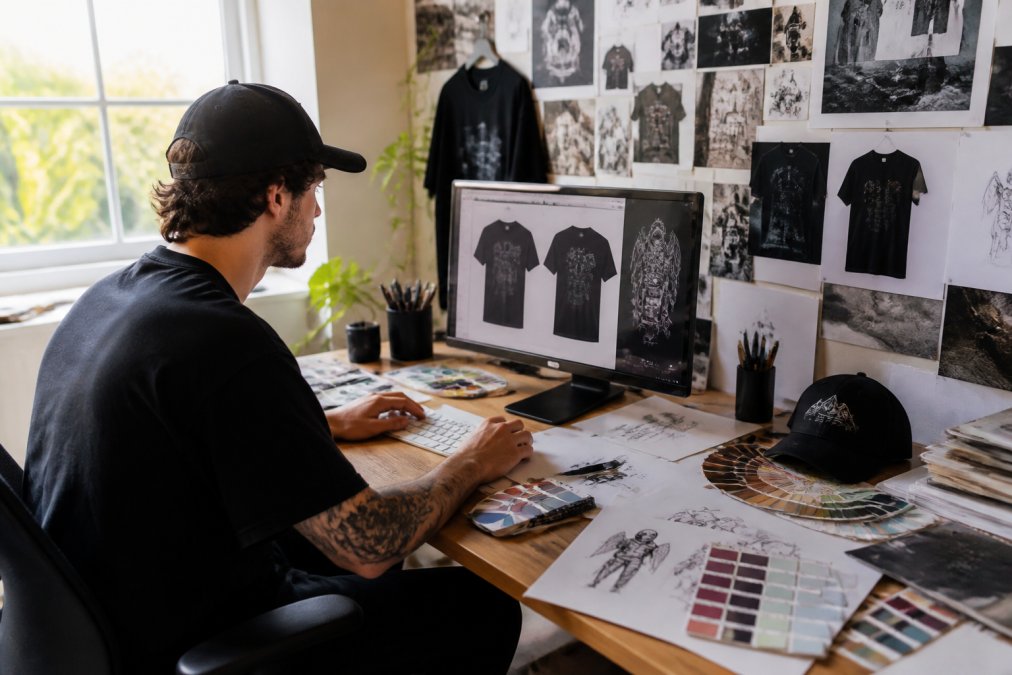
Define Your Visual Language First. Establish aesthetic principles that guide every design decision: core design themes, color palettes, typography direction, and imagery types. Document your aesthetic in a design system that includes approved colors, typography rules, illustration styles, and examples of what fits your brand direction.
Build Production Partnerships Before Launch. Screen printing quality determines whether graphics read as premium or commodity. Find screen printers experienced with streetwear production and request samples before committing. Evaluate color accuracy, ink density, durability across washes, and consistency. Premium screen printing costs more upfront but pays dividends in customer satisfaction.
Design for Print Constraints. Screen printing has technical limitations. Understand color separation requirements, minimum line weights, and how designs render across different fabric bases. Work with your screen printer to develop print-ready files that account for these constraints.
Establish a Release Cadence. Consistency matters more than frequency. Whether you drop monthly, quarterly, or loosely, maintain a predictable pattern. The no-reprint commitment becomes more powerful when paired with consistent releases.
Invest in Visual Presentation. Invest in professional product photography showing the garment, graphic detail, and fit on human bodies. Create lifestyle imagery that shows pieces in context. Poor photography undermines exceptional design.
Legal and Copyright Considerations for Streetwear Graphics
Creating original graphic design streetwear requires understanding intellectual property principles.
Original Artwork vs. Derivative Work. Classical art in the public domain (generally works created before 1928) can be referenced and reimagined without copyright concerns. Contemporary art, photography, and modern illustrations typically remain under copyright protection. Ensure your interpretation is sufficiently transformative.
Typography and Font Licensing. Verify that your intended use complies with font licenses. Most commercial fonts permit use in printed garments, but some restrict commercial application. Purchase appropriate licenses or use open-source fonts that explicitly permit commercial use.
Trademark and Brand Identity. Avoid incorporating recognizable logos, brand marks, or trademarked imagery without explicit permission. The strongest graphic design streetwear brands build original visual identity rather than relying on borrowed cultural references.
Documentation and Attribution. If you collaborate with artists or purchase illustrations, document ownership clearly. Obtain written agreements confirming copyright transfer or commercial use licenses. Keep records of original artwork creation that document your creative process.
According to U.S. Copyright Office guidance on fair use, transformative use may qualify as fair use. However, fair use determinations are fact-specific. When in doubt, consult intellectual property counsel before producing designs that incorporate existing artwork.
Technical File Preparation for Screen Printing
Creating print-ready files requires understanding screen printing constraints and technical specifications.
Color Separation and Spot Color. Screen printing uses separate screens for each color. Understand the difference between spot color (specific, premixed inks) and process color (CMYK four-color printing). Most graphic design streetwear uses spot color (typically 2-4 colors) because it delivers superior visual impact. Prepare files as separated artwork with each color on its own layer.
Vector Graphics and Resolution. Screen printing requires vector-based artwork, not rasterized images. Use design software supporting vector creation: Adobe Illustrator, Affinity Designer, or equivalent. Export final artwork as vector files (.ai, .eps, or .pdf).
Minimum Line Weights and Detail. Lines thinner than 1 point may not print consistently. Very small text becomes illegible. Intricate detail may fill in or disappear during printing. Consult with your screen printer about minimum specifications.
Bleed and Placement. Specify exactly where on the garment your graphic should print. Include placement guides and measurements. Consider how the graphic interacts with garment seams, neck openings, and sleeve placement.
File Format Specifications. Work with your screen printer to understand specific file requirements. Most prefer high-resolution PDFs or native Adobe files with all fonts converted to outlines and colors specified in CMYK or Pantone. Provide both separated artwork and a composite preview.
Sustainability in Graphic Design Streetwear
The graphic design streetwear industry generates significant environmental impact through fabric production, screen printing chemistry, and fast-fashion cycles. Brands addressing sustainability gain competitive advantage.
Fabric Selection and Production. Premium heavyweight cotton requires substantial water and pesticide inputs. Organic cotton eliminates synthetic pesticide use and reduces environmental impact, though it costs more. Alternative fibers, recycled cotton, hemp blends, innovative synthetics, reduce environmental footprint compared to conventional cotton.
Screen Printing Chemistry. Water-based inks offer lower environmental impact and safer working conditions for printers, though they typically deliver less vibrant colors and durability compared to plastisol inks.
No-Reprint Culture as Sustainability. The commitment to never reprinting sold-out designs actually supports sustainability by discouraging overproduction and fast-fashion mentality. When designs drop once and never return, brands avoid waste inherent in constant reprinting.
Garment Durability and Lifespan. Premium heavyweight construction directly supports sustainability. A tee lasting 100+ washes has lower environmental impact per wear than cheaper alternatives deteriorating after 20 washes. Brands investing in quality construction inherently reduce product environmental footprint.
| Sustainability Factor | Impact on Brand | Customer Benefit |
|---|---|---|
| Organic cotton | Higher material cost, reduced pesticide use | Cleaner production, premium feel |
| Water-based inks | Slightly less vibrant color, safer for workers | Lower environmental impact |
| No-reprint model | Encourages careful inventory management | Scarcity value, reduced waste |
| Premium construction | Higher upfront cost, longer garment life | Pieces remain wearable for years |
Brands like AW3SOME CLOTHES INC demonstrate that sustainability and premium quality coexist. By committing to original graphics, heavyweight construction, and no-reprint principles, they inherently reduce waste while delivering products customers keep long-term.
The graphic design streetwear landscape rewards intentionality. Brands establishing distinct visual language, investing in technical excellence, and maintaining consistency across releases build loyal communities. Start by clarifying your visual identity. Build relationships with screen printers who understand premium production. Design with technical constraints in mind. Establish a release cadence your audience anticipates. Commit to the no-reprint principle that transforms each drop into an event.
AW3SOME CLOTHES INC exemplifies this approach with pieces like the Monstera Structure No. 1 Oversized T-Shirt - Concrete Flora and the Synthetic Cobra Techwear Graphic T-Shirt - Neo-Biomedical, each representing distinct aesthetic directions executed with premium heavyweight construction. Every piece drops once. The graphics never reprint. The quality never compromises. That's the standard defining contemporary graphic design streetwear.

SHOP THE LATEST DROP →
Frequently Asked Questions
What defines a unique graphic design in streetwear?
Unique streetwear graphics combine original visual identity with intentional aesthetic direction. They avoid mass-market trends by blending specific artistic movements (brutalism, cyberpunk, vaporwave) with technical execution like high-contrast screen printing and premium typography. The difference lies in commissioning custom artwork rather than licensing generic templates, ensuring your brand's visual storytelling stands apart from competitors.
How often do leading graphic design streetwear brands release new designs?
Top-tier graphic design streetwear brands typically drop new collections every 2-4 weeks, creating urgency and exclusivity. Many operate on a limited-edition model where designs are never reprinted, forcing collectors to act quickly. This strategy builds community engagement and prevents design saturation. Brands like AW3SOME CLOTHES INC maintain constant innovation cycles to keep their visual identity fresh and their audience invested.
Why does premium heavyweight fabric matter for graphic streetwear?
Premium heavyweight cotton (typically 200+ GSM) provides superior durability for screen-printed graphics. Heavy fabric resists shrinking, maintains graphic integrity through washing, and prevents ink cracking over time. It also drapes better on the body and feels more substantial, justifying premium pricing. When paired with high-density screen printing and proper pre-shrinking, heavyweight construction ensures your graphic investment lasts for years.
How do I know if a streetwear brand's graphics are truly never reprinted?
Legitimate brands document their design archive and communicate clearly about limited-edition status. Look for transparent communication about production runs, numbered editions, or public archives showing sold-out designs. Brands committed to exclusivity often display their design history openly and avoid re-releasing similar designs under different names. Customer reviews and community discussions also reveal whether brands honor their no-reprint promises.
What's the difference between graphic design streetwear and fast fashion graphic tees?
Graphic design streetwear prioritizes original artwork, premium materials, and intentional aesthetic direction. Fast fashion relies on trend-chasing, thin cotton, and mass-produced designs. Streetwear brands invest in commissioning unique creative assets, using professional screen printing techniques, and maintaining consistent visual identity. The result is apparel that functions as wearable art rather than disposable clothing, with graphics that maintain quality through repeated wear and washing.
This article was written using GrandRanker