 listicle
Why Original Graphic Designs Matter in Streetwear
Table of Contents
- Original Graphic Designs Build Brand Identity and Recognition
- How Original Artwork Impacts Customer Perception and Trust
- Benefits of Original Graphic Design in Streetwear Culture
- How to Identify High-Quality Graphic Tees Worth Your Investment
- The Importance of Unique Streetwear Designs in a Crowded Market
- Why the Value of Limited Edition Clothing Keeps Growing
- Original Design vs. Mass Production: What Makes the Difference
- Conclusion
Last Updated: August 21, 2026
Original Graphic Designs Build Brand Identity and Recognition
Your tee becomes part of how people see you. A graphic with original artwork functions as visual communication, it tells a story before you speak. Unlike mass-produced graphics recycled across thousands of identical shirts, original designs create authenticity that resonates with anyone who values standing out.

When you consistently wear pieces with distinctive, never-reprinted artwork, you build visual recognition. Friends associate certain design styles with you. The graphic becomes part of your personal aesthetic, building brand recall for you as an individual with distinct style. People gravitate toward authenticity. An original graphic signals deliberate choice; mass-produced graphics feel interchangeable. This distinction shapes how others perceive you and how you perceive yourself when wearing the piece.
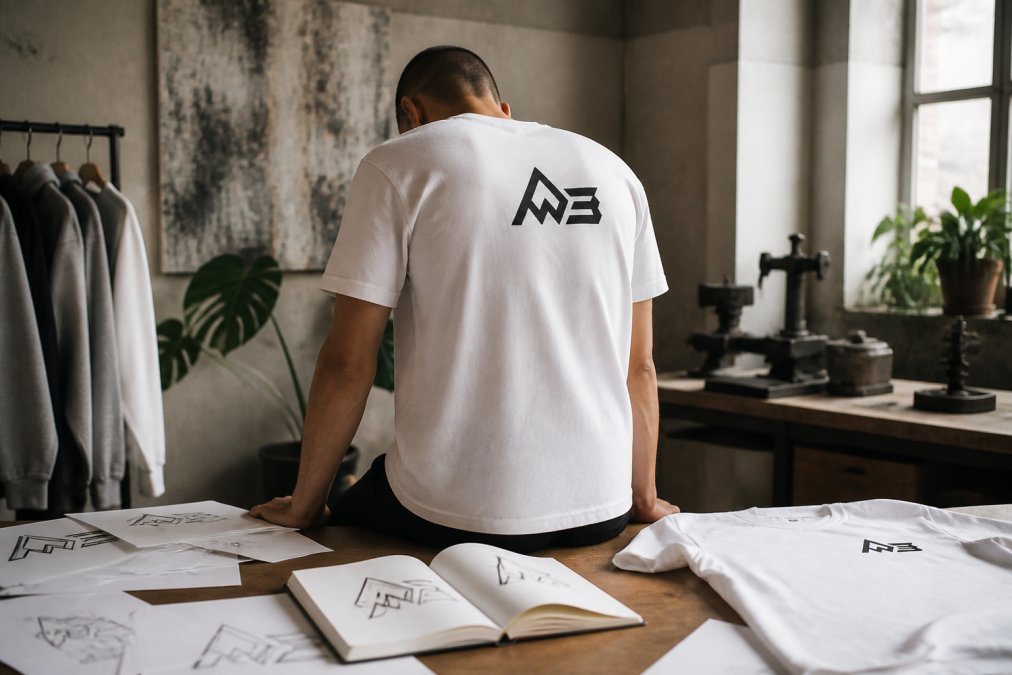
At AW3SOME CLOTHES INC, we've built an entire brand around this principle: original artwork that never gets reprinted, ensuring what you wear stays distinctly yours.
How Original Artwork Impacts Customer Perception and Trust
Original artwork builds trust in ways generic designs cannot. When a brand commits to creating unique graphics that never get reprinted, it promises genuine exclusivity. This separates brands that care about their community from those chasing profit.
Customer perception shifts when they know they're wearing something truly original. The tee becomes a collectible rather than just a shirt. People ask where you got it, what the design means, whether they can still grab one. This creates a feedback loop where exclusivity increases desirability, which increases trust in the brand.
Trust also emerges from consistency. If a brand says designs are never reprinted and sticks to that promise, customers remember and return. They recommend the brand to friends. This differs fundamentally from brands that restock sold-out graphics or drop the same design under different names.
The visual quality of original artwork reinforces trust. Thoughtfully designed graphics with attention to composition, color, and storytelling feel premium and intentional. A poorly executed design, no matter how original, undermines trust. But original artwork executed at a high level communicates that the brand respects its audience enough to invest in quality.

Benefits of Original Graphic Design in Streetwear Culture
Original graphic design in streetwear serves multiple functions beyond aesthetics. It's about cultural participation, personal expression, and community belonging.
Differentiation stands first. In a crowded streetwear market, original designs cut through visual noise. When everyone else wears similar graphics from mass-production runs, an original design catches attention. This visibility matters whether you're at a concert, scrolling social media, or walking through a city.
Emotional resonance comes second. Original artwork tells stories. A well-executed graphic evokes feelings, memories, or ideas that generic designs never reach. When a design resonates emotionally, people connect with it, keep it longer, and recommend it more enthusiastically.

Cultural credibility matters too. In streetwear, authenticity is currency. Brands that create original graphics signal they understand the culture deeply enough to contribute something new. They're adding to the community, not just extracting value. This credibility opens doors to collaborations and word-of-mouth marketing.
Original designs also create conversation. When someone asks about your tee, you have a story to tell. These conversations build community and create moments of connection between strangers who share appreciation for original artwork.
How to Identify High-Quality Graphic Tees Worth Your Investment
Identifying high-quality graphic tees requires understanding what separates a piece worth keeping from one that deteriorates quickly. Start with the fundamentals: fabric weight, construction, and print quality.
Fabric weight determines durability and aging. Quality graphic tees use heavyweight cotton, typically around 7.5 oz (245-255 GSM). This weight creates a substantial feel, holds shape through repeated wears and washes, and provides a smooth surface for detailed graphics. Lighter fabrics feel flimsy and tend to warp, shrink unevenly, or develop pilling. When you pick up a quality tee, it should feel dense and grounded.
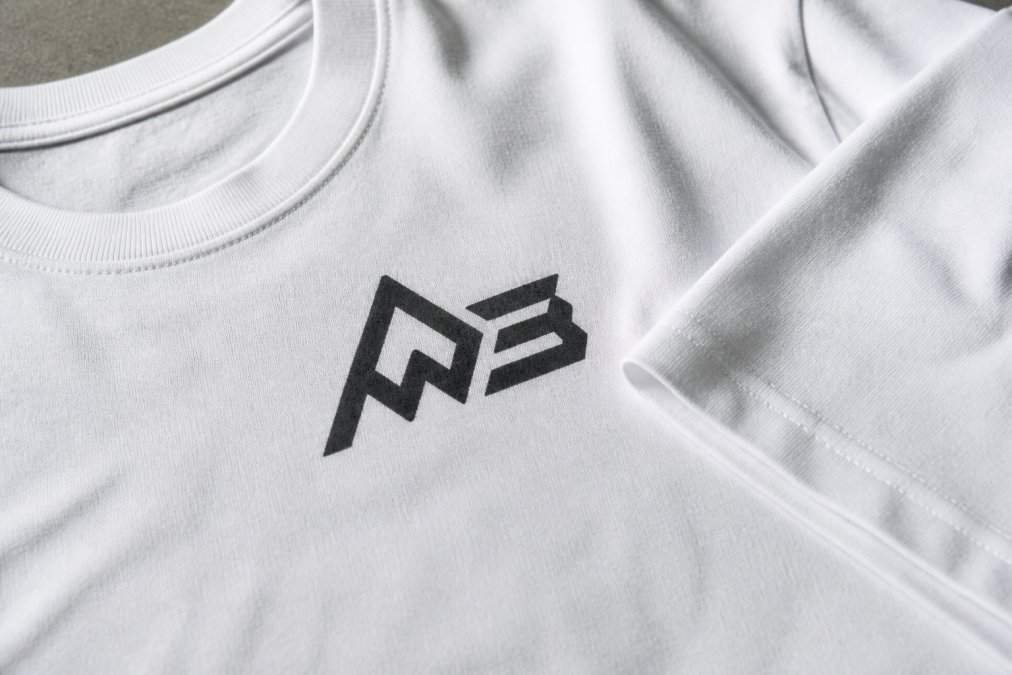
Construction details reveal longevity. Look for double-needle stitching on the neck, sleeves, and hems, this reinforcement prevents unraveling and maintains shape through dozens of washes. Check the collar for shoulder-to-shoulder neck tape that resists stretching. Examine seams; they should be clean and straight. The overall fit should be intentional, whether relaxed or fitted, not accidentally proportioned.
Print quality determines how long the graphic lasts. DTG (direct-to-garment) printing applies ink directly onto fabric, creating detailed, nuanced graphics that integrate with the material rather than sitting on top of it. The print should feel smooth and integrated, not plasticky or raised. When you run your hand over the graphic, it shouldn't crack, peel, or separate from the fabric.
Check the color consistency and composition of the graphic. Original artwork should show intentional choices and tell a story, not look randomly applied. Look at line weight, shading, and proportion, these signal whether the design was thoughtfully created.
Ask about design exclusivity. Is this a one-time print, or does the brand restock it regularly? High-quality graphic tees gain value because they're limited. Brands that commit to never reprinting designs signal they value the original artwork enough to retire it permanently.
The Importance of Unique Streetwear Designs in a Crowded Market
The streetwear market is saturated. Walk into any store or scroll through any brand's inventory and you'll see similar silhouettes, color palettes, and vibes. The only real differentiation is the graphic. Unique streetwear designs aren't just nice to have, they're essential for standing out.
Unique designs create market positioning. A brand that commits to original artwork positions itself as a creator, not a copycat. This attracts customers who value originality, authenticity, and cultural participation. These customers pay more because they're buying exclusivity, not just fabric.
The crowded market means designs similar to competitors' work get ignored. When a brand uses generic graphics or trends that dozens of others chase, it becomes invisible. Original design work commands attention and stands out in feeds, stores, and streets.
Unique designs also create retention. A customer who buys a generic graphic might wear it once and forget. A customer who buys an original design they genuinely connect with keeps it, wears it repeatedly, and builds attachment. They're more likely to return and buy again, and more likely to recommend the brand.
The competitive advantage of original design compounds. As a brand builds a library of unique graphics that never get reprinted, it becomes increasingly difficult for competitors to copy. Each piece becomes a cultural artifact. Collectors seek them out. The brand's reputation strengthens. New customers arrive based on word-of-mouth about past designs they missed.
Why the Value of Limited Edition Clothing Keeps Growing
Limited edition clothing gains value over time because scarcity creates demand. When a design is released in limited quantity and never reprinted, supply is fixed. As time passes and people wear their pieces, available inventory decreases. Meanwhile, new people discover the brand and want pieces they missed. Demand increases while supply decreases, the classic formula for increasing value.
This value proposition attracts collectors who view limited edition tees as cultural artifacts worth holding onto. They store them carefully, wear them strategically, and sometimes resell them at higher prices. This secondary market creates legitimacy around limited edition streetwear.
The emotional value also grows. A limited edition piece you bought years ago becomes a time capsule. You remember where you were when you grabbed it, what was happening in your life, what the design meant to you then. Over time, that emotional connection deepens.
Limited edition designs also create community. People who own the same limited edition tee form an implicit community. They recognize each other, share stories about how they got their copy, and celebrate the exclusivity together. This sense of belonging increases the perceived value beyond material worth.
From a brand perspective, limited edition designs create urgency that drives sales. When people know a design will never be reprinted, they don't hesitate. They buy immediately or miss out forever.
Original Design vs. Mass Production: What Makes the Difference
The fundamental difference between original design and mass production comes down to intention and commitment. Mass production prioritizes volume and profit margins; original design prioritizes cultural contribution and exclusivity.
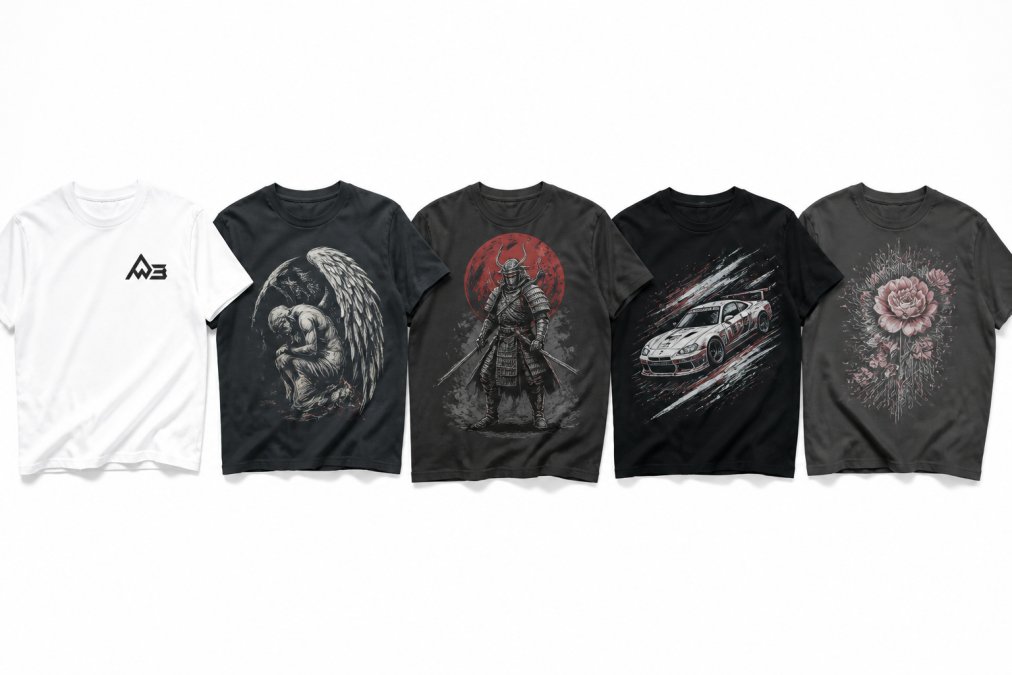
Mass production relies on trend-chasing. A brand identifies a popular aesthetic, designs something similar, and produces it in volume. If it sells well, they restock it. The goal is moving units, not creating something culturally significant. This creates an ocean of similar-looking pieces.
Original design takes a different approach. A brand or artist creates artwork with a specific vision. That vision might be inspired by trends, but it's filtered through a unique perspective. The piece is produced in limited quantity, released, and then retired. The design never gets reprinted. This creates cultural artifacts where each piece becomes memorable and valuable precisely because it's not everywhere.
The quality implications differ too. Mass production often uses lighter fabrics and simpler printing methods to maximize profit margins. Original design typically invests in premium materials and detailed printing techniques because the goal is creating something worth keeping.
The customer relationship also diverges. Mass production creates transactional relationships; original design creates community relationships. Customers of original design brands feel like they're part of something; customers of mass production brands feel like they're making a purchase.
A mass-produced graphic that's been reprinted dozens of times has minimal resale value. It's everywhere; it's not rare. An original design produced once and never again increases in cultural value. People hold onto it, treasure it, and talk about it.
AW3SOME CLOTHES INC operates from the original design philosophy. Every graphic is created with intention, produced in limited quantity using heavyweight 7.5 oz cotton with DTG printing, and never reprinted. This commitment means each piece you own is genuinely exclusive. You're not competing with thousands of other people wearing the exact same design.
The case for original graphic designs in streetwear is straightforward. Original artwork builds identity, creates trust, generates conversation, and produces pieces worth keeping. In a market flooded with mass-produced alternatives, original design is the only way to create something genuinely distinctive.
If you're building a wardrobe that reflects who you are, original graphic designs matter. They're the difference between wearing what everyone else is wearing and wearing something distinctly yours. Start with pieces that resonate visually and emotionally. Look for brands committed to original artwork and limited production. Choose quality construction that will last. Build your collection intentionally.
Fashion industry research on consumer preferences for unique designs shows that customers increasingly value authenticity and exclusivity over trends. Streetwear culture analysis and community engagement studies documents how original artwork drives community formation and brand loyalty. Textile and apparel quality standards for durability and construction outline the specifications that separate quality garments from disposable ones.
SHOP THE LATEST DROP →
| Design Type | Production Method | Durability | Exclusivity | Value Over Time |
|---|---|---|---|---|
| Original Graphic | DTG on heavyweight cotton | High (7.5 oz) | Limited, never reprinted | Increases |
| Mass-Produced Graphic | Various methods on lighter fabric | Lower (under 5 oz typical) | Reprinted regularly | Decreases or stays flat |
| Trend-Chasing Design | Fast-fashion methods | Very low | High volume | Minimal |
| Collector's Edition | Premium printing on premium fabric | Very high | Extremely limited | Significantly increases |
Frequently Asked Questions
Why does original graphic design matter in fashion?
Original graphic designs create emotional connection and differentiation in a saturated market. They tell a story, signal authenticity, and build brand loyalty because customers feel they're wearing something created with intention rather than a generic mass-produced print. When designs are never reprinted, they also preserve exclusivity and collector value, making each piece feel personally significant to the wearer.
What distinguishes original graphic designs from mass-produced prints?
Original designs are created specifically for a brand and often never repeated, whereas mass-produced prints are manufactured in high volume and available indefinitely. Original artwork typically reflects a brand's unique visual voice and creative vision, while mass-produced designs prioritize cost efficiency over artistic distinctiveness. Original designs also build scarcity, which drives perceived value and customer engagement.
How does high-quality graphic design influence garment perception?
Quality graphic design elevates how customers perceive the entire garment. Sharp, detailed artwork printed on premium fabric signals craftsmanship and attention to detail, encouraging customers to view the piece as an investment rather than disposable clothing. Strong visual communication through design also increases brand recall and creates opportunities for customers to express identity through their wardrobe choices.
Why do streetwear enthusiasts prioritize exclusive graphic designs?
Streetwear collectors value exclusivity because it allows them to stand out and express individual identity. Limited, never-reprinted designs create scarcity and community, wearing an exclusive piece signals you're part of a select group who discovered that specific drop. Exclusive designs also resist commodification, meaning the garment retains cultural relevance and personal meaning rather than becoming ubiquitous.
This article was written using GrandRanker