 how-to
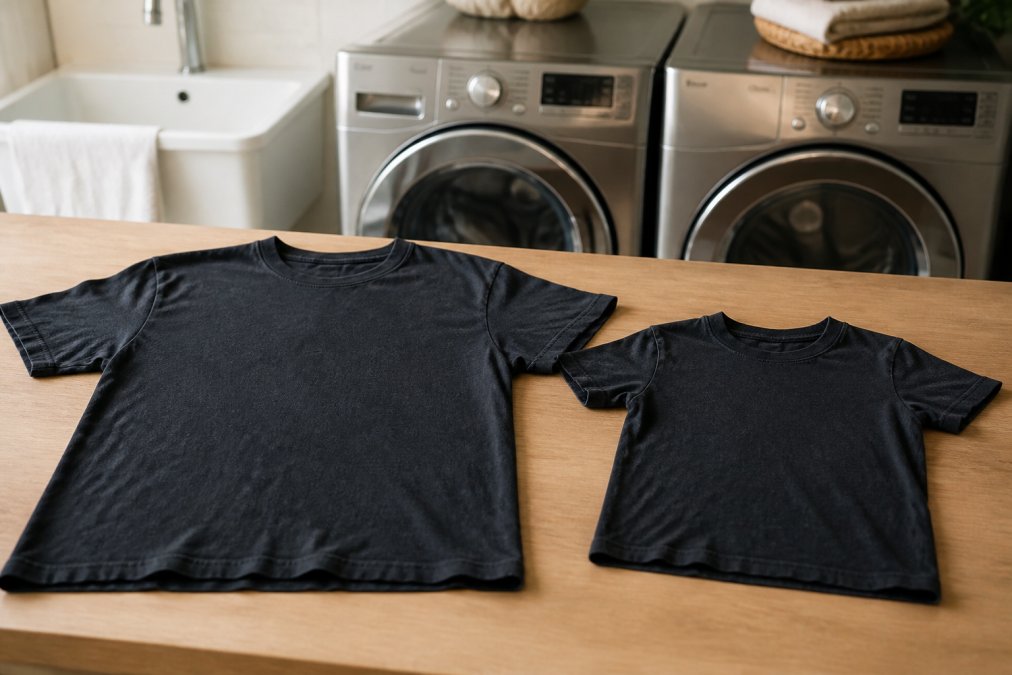
Do Heavyweight Shirts Shrink in the Wash?
Table of Contents
- Why Heavyweight Shirts Shrink: The Science Behind It
- How Much Does Cotton Shrink in the Wash?
- How to Wash Heavyweight Cotton T-Shirts Without Shrinking Them
- The Tumble Dryer Is the Real Culprit, Here's What to Do Instead
- How to Stretch Out a Shrunken Shirt
- How to Shrink a Heavyweight Shirt Intentionally
- Conclusion
Last Updated: August 10, 2026
Why Heavyweight Shirts Shrink: The Science Behind It
Do heavyweight shirts shrink in the wash? Yes. Cotton is a natural fiber that absorbs moisture and contracts under heat. During manufacturing, cotton yarn is stretched under significant tension to create stable fabric. When heat and water are introduced, fibers relax and return toward their original state, a process textile engineers call dimensional stability loss. Heavyweight shirts, typically above 6 oz per square yard, contain more cotton fiber per square inch than lighter alternatives, meaning more stored tension and greater shrinkage potential if care instructions are ignored. At AW3SOME CLOTHES INC, we build our tees from dense, USA-spun cotton precisely because we know what premium fabric demands in terms of care.

How Heat and Mechanical Agitation Break Down Fabric Integrity
Two forces drive shrinkage: heat and mechanical agitation. Heat accelerates fiber contraction, the higher the wash temperature, the faster and more dramatically cotton fibers contract. Mechanical agitation adds tensile stress to the fabric weave. The spin cycle deserves special mention; a high-speed spin can stretch fabric in unpredictable directions, distorting garment construction before the dryer even begins.
Pre-Shrunk vs. Raw Cotton: What the Label Actually Tells You
Pre-shrunk cotton has been treated during manufacturing to force initial shrinkage before the garment is cut and sewn, so fibers have already relaxed before the shirt reaches you. Raw cotton retains all stored tension and will shrink noticeably on the first wash, sometimes dramatically.
Pre-shrunk fabric can still shrink further, especially under repeated heat exposure. "Pre-shrunk" is not the same as "shrink-proof."
How Much Does Cotton Shrink in the Wash?
Cotton shrinkage varies based on fabric construction, washing method, and whether the garment has been pre-treated. Raw cotton garments shrink dramatically in the first wash; after that initial event, the fabric improves in stability, though it never becomes fully immune to further contraction under heat. Pre-shrunk cotton is more stable but not immune, repeated hot wash cycles continue to degrade fabric integrity over time.
According to American Textile Manufacturers guidance on fiber care, natural fibers like cotton require specific care to maintain their original dimensions and extend garment longevity.
GSM and Shrinkage: Does Fabric Weight Change the Numbers?
GSM (Grams per Square Meter) measures fabric density. A standard t-shirt typically falls in the 140-160 GSM range; a heavyweight tee generally starts at 200 GSM and can reach 280 GSM or higher. Higher GSM fabrics contain more cotton fibers per unit area, meaning more stored tension. However, heavyweight fabrics often shrink less dramatically in percentage terms because the denser weave provides more structural resistance to fiber contraction.
The practical takeaway: a heavyweight shirt is not more vulnerable to shrinkage than a lightweight one, but it is less forgiving when it does shrink. Because the fabric is denser, shrinkage affects overall garment dimensions more noticeably.
| Fabric Weight | GSM Range | Shrinkage Risk | Recommended Wash |
|---|---|---|---|
| Lightweight | 140-160 GSM | Moderate | Cold, gentle cycle |
| Midweight | 160-200 GSM | Moderate | Cold, gentle cycle |
| Heavyweight | 200-280 GSM | Lower % but more visible | Cold, minimal agitation |
| Ultra-heavyweight | 280+ GSM | Low % but high impact | Cold hand wash or delicate |
How to Wash Heavyweight Cotton T-Shirts Without Shrinking Them
The biggest mistake people make with premium cotton is treating it like any other laundry. Success comes down to four variables: temperature, agitation, detergent, and drying method.
Here's the step-by-step process:
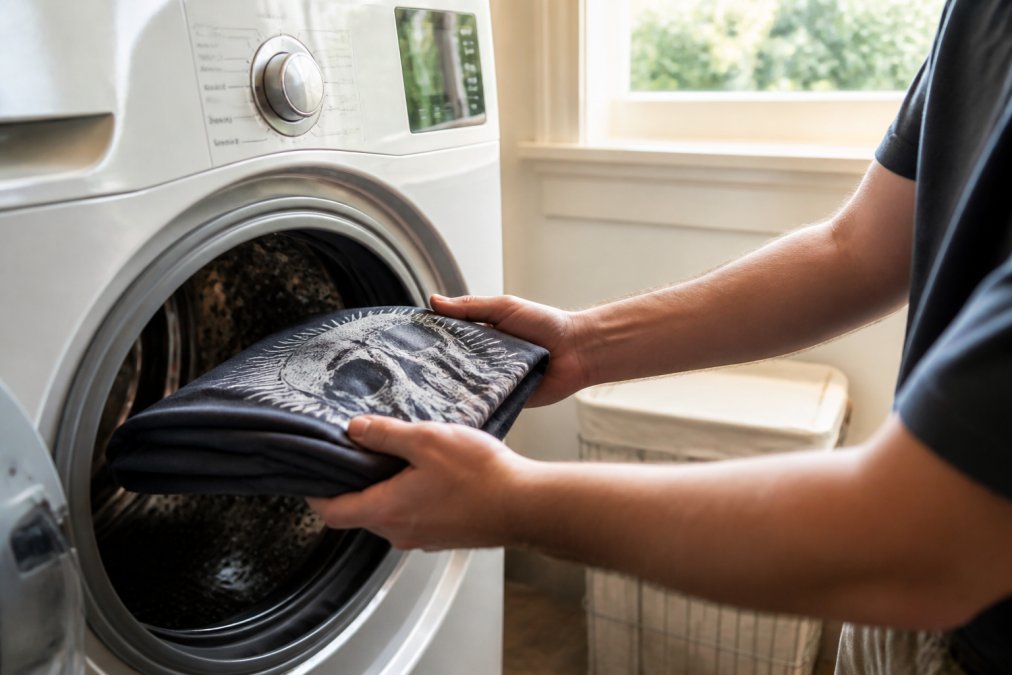
- Turn the shirt inside out. This protects the graphic print from friction and direct heat exposure.
- Select cold water. Cold water wash is the single most effective way to prevent fiber contraction.
- Choose a gentle or delicate cycle. Lower agitation means less tensile stress on the fabric weave.
- Use a short spin cycle at low speed. High-speed spinning distorts garment construction.
- Remove the shirt promptly. Leaving wet cotton bunched in a drum allows wrinkles to set and puts uneven pressure on the fabric.
Water Temperature: Cold Wash vs. Warm Wash
Cold water wash is the clear winner for cotton care. Warm water accelerates fiber relaxation and increases shrinkage risk; hot water should never be used on 100% cotton garments. Cold water keeps cotton fibers in their current state, maintaining moisture content without triggering contraction. Warm water softens the fiber structure, making it more susceptible to both shrinkage and distortion under agitation.
As noted in FTC care labeling guidelines for textile products, manufacturers are required to provide accurate washing instructions on garment labels. Following those instructions is the first line of defense against unintentional shrinkage.
Detergent Choice and Chemical Interaction With Cotton Fibers
Harsh detergents with high alkaline content can break down cotton fiber surfaces over time, weakening the fabric weave. Enzyme-based detergents, while effective at removing stains, can also degrade natural fibers with repeated use.
For heavyweight cotton, choose a mild, pH-neutral detergent and use the recommended amount, more detergent does not mean cleaner clothes. Excess detergent residue is difficult to rinse out and can stiffen fabric.
The Tumble Dryer Is the Real Culprit, Here's What to Do Instead
The wash cycle is not your biggest enemy. The tumble dryer is. Heat exposure in a dryer is far more intense and sustained than in a wash cycle, and combined with mechanical tumbling, the dryer applies both heat and agitation simultaneously at levels that dwarf what happens in the washing machine.
The options, in order of preference:
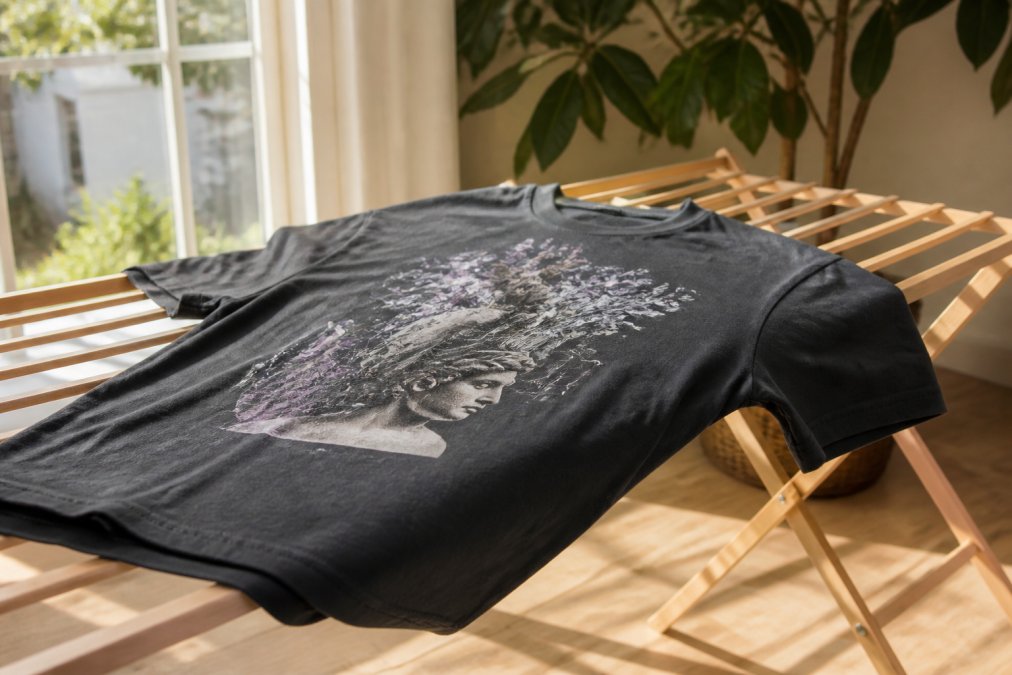
- Air dry flat on a drying rack. This maintains the garment's shape and eliminates all heat and agitation risk.
- Hang dry on a hanger. Acceptable for most shirts, though very heavy wet garments can stretch at the shoulders.
- Tumble dry on the lowest heat setting. If you must use a dryer, select the lowest heat setting and remove the shirt while still slightly damp.
- Never use high heat. High heat in a dryer is the fastest route to a permanently shrunken shirt.
Drying Methods for Heavyweight Fabrics: Air Dry vs. Low Heat
Air drying is the correct method for heavyweight fabrics. No heat means no fiber contraction; no tumbling means no mechanical agitation. The fabric loses moisture gradually at room temperature, maintaining dimensional stability. Denser fabric holds more moisture than lightweight alternatives, meaning extended dryer time equals extended heat exposure. Air drying sidesteps this entirely.
The Textile Research Journal on fabric care and fiber degradation consistently shows that air drying significantly extends garment longevity compared to machine drying, particularly for natural fiber garments.
How to Stretch Out a Shrunken Shirt
Learning how to stretch out a shrunken shirt is possible, though results depend on how much shrinkage occurred and how many times the shirt has been through a hot wash or dryer cycle. One or two shrinkage events are often recoverable; repeated heat exposure compounds fiber damage and makes full recovery unlikely.
Here's the method that works best for heavyweight cotton:
- Soak the shirt in lukewarm water for 10-15 minutes. This relaxes the cotton fibers and makes them pliable again.
- Add a small amount of hair conditioner or baby shampoo to the water. These products relax cotton fibers more effectively than plain water.
- Gently squeeze out excess water. Do not wring or twist the fabric.
- Lay the shirt flat on a clean towel. Roll the towel up with the shirt inside to absorb remaining moisture.
- Unroll and lay the shirt flat. While the fabric is still damp, gently pull and stretch the shirt in the direction it has shrunk, typically the length.
- Pin or weight the edges to hold the stretched shape. Use heavy objects at the corners to maintain stretched dimensions while the shirt dries.
- Air dry completely before wearing or washing again.
This process works best on shirts that have shrunk once. Heavily damaged fabric may not recover fully.
How to Shrink a Heavyweight Shirt Intentionally
Sometimes the goal is the opposite. A shirt runs large, or you want a more fitted look. Intentional shrinkage is straightforward:
- Wash on the hottest water setting your machine offers. Hot water immersion triggers maximum fiber contraction.
- Use a standard wash cycle with normal agitation. More agitation accelerates the process.
- Tumble dry on high heat. Check the shirt every 10-15 minutes to monitor progress.
- Repeat if necessary. A single hot wash and dry cycle may not produce the full effect on heavyweight fabric.
- Be conservative. Check fit while the shirt is still slightly damp, since cotton relaxes slightly as it dries.
Intentional shrinkage degrades the fabric faster than careful cold washing. If the shirt has a detailed screen print, aggressive shrinking will shorten its lifespan.
Caring for premium heavyweight streetwear is a real consideration, especially when you've invested in exclusive pieces that can't be replaced. AW3SOME CLOTHES INC builds every shirt from dense USA-spun cotton with high-density screen printing specifically designed to hold up over time, but only if the garment is treated right. Cold wash, air dry, and a pH-neutral detergent will keep your tee looking exactly as it did on drop day. If you're ready to add something worth protecting to your rotation, SHOP THE LATEST DROP →
Frequently Asked Questions
Do 100% cotton heavyweight shirts shrink?
Yes, 100% cotton heavyweight shirts can shrink, but higher GSM fabrics shrink more slowly and less dramatically than lighter cotton. The main causes are hot water immersion and heat from a tumble dryer, which cause cotton fibers to contract and lose dimensional stability. Washing in cold water and air drying instead of machine drying significantly reduces shrinkage on heavyweight tees.
How much do heavyweight shirts shrink on average?
Cotton shirts generally shrink between 3% and 5% after the first wash, though untreated raw cotton can shrink up to 20% under hot water and high dryer heat. Heavyweight shirts (typically 280 GSM and above) tend to sit at the lower end of that range because their denser fabric weave resists fiber contraction better than lighter fabrics. Pre-shrunk garments shrink far less, often under 2%.
Does cold water prevent heavyweight shirts from shrinking?
Cold water wash is the single most effective step you can take to prevent shrinkage. Hot water causes cotton fibers to swell and contract, breaking down fabric tension over time. A cold wash cycle protects fiber integrity and keeps garment construction intact. Pair it with air drying on a flat surface or drying rack, and your heavyweight shirt will hold its size through many washes.
Should I size up when buying heavyweight t-shirts?
If you plan to machine dry your shirts regularly, sizing up by one size is a practical move. Pre-shrunk heavyweight tees washed in cold water and air dried will hold their shape well, so sizing up is not strictly necessary if you follow proper laundry care. Check the product's fit notes before ordering, some heavyweight styles are cut oversized by design, which already accounts for a relaxed fit.
This article was written using GrandRanker