 blog
blog
FNDMNTLS vs Legends: Heavyweight Comparison
Table of Contents
- What FNDMNTLS and Legends Heavyweight Tees Are
- FNDMNTLS vs Legends Fit: Key Differences
- Heavyweight T-Shirt GSM Comparison
- Oversized Heavyweight T-Shirt Sizing Guide
- How to Care for Heavyweight Cotton Shirts
- Construction and Durability in Heavyweight Division
- Choosing Your Heavyweight Champion
- Frequently Asked Questions
Last Updated: October 6, 2026
What FNDMNTLS and Legends Heavyweight Tees Are
A heavyweight comparison in streetwear comes down to two different approaches to the same product: a premium graphic tee made from substantial fabric. FNDMNTLS and Legends both market themselves as heavyweight, but the specifics matter more than the category name.
What separates one heavyweight brand from another isn't marketing language, it's fabric weight, construction, fit philosophy, and how the garment performs over time.
A heavyweight t-shirt is defined by fabric density, typically measured in GSM (grams per square meter) or ounces per yard. Most casual tees fall in the 150-180 GSM range; heavyweight options start around 200 GSM and climb. Both FNDMNTLS and Legends position themselves in this space, but understanding what they deliver requires looking past the claims.
The real question isn't whether heavyweight is better, it's whether a particular construction matches your needs. Some want maximum durability and weight; others prioritize feel and drape.
FNDMNTLS vs Legends Fit: Key Differences
Here's where the FNDMNTLS vs Legends heavyweight comparison gets practical. Fit is the first thing you notice, and often the reason people return a shirt.
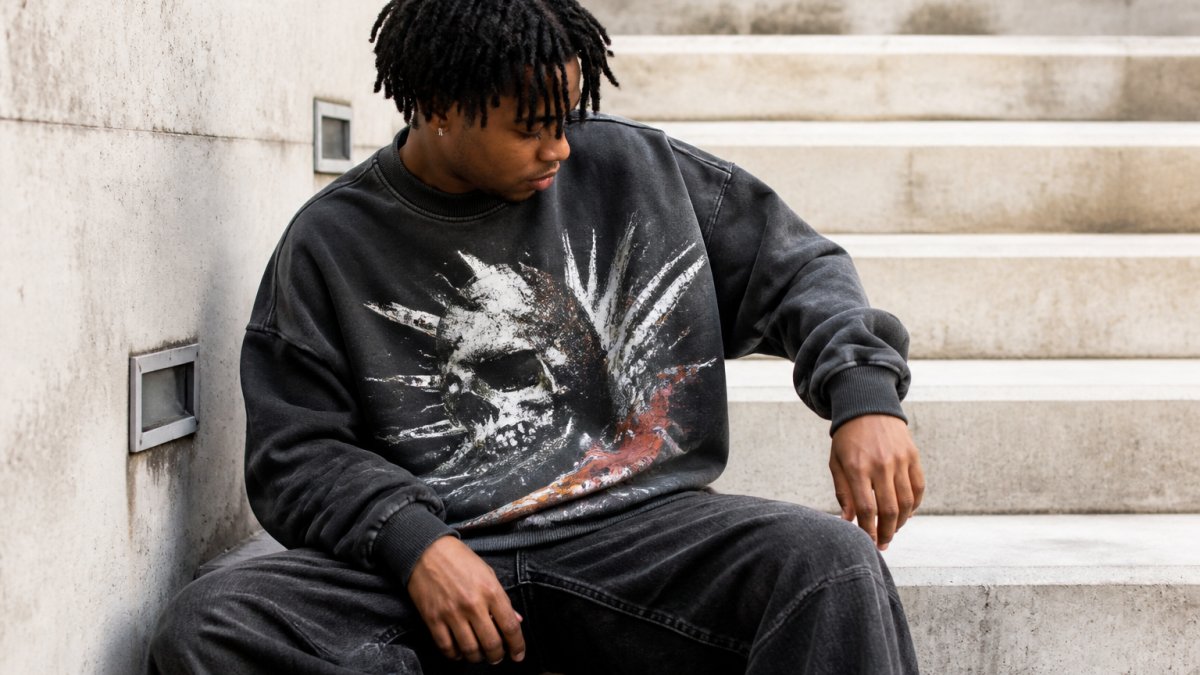
FNDMNTLS emphasizes an oversized, relaxed silhouette, intentionally generous through the body and sleeves, with a slight drop shoulder. The garment sits away from your body rather than following its contours.
Legends runs closer to true-to-size with a more traditional cut: shoulders sit higher and the body is less voluminous. If you prefer a tee that follows your frame, Legends delivers that, the trade-off is less of the oversized aesthetic that defines modern streetwear.
AW3SOME CLOTHES INC uses a relaxed, oversized approach with a slight drop shoulder and generous body width. That fit works well for graphic-forward designs because the extra fabric gives artwork room to breathe without distortion.
The fit difference matters more than people expect. Heavyweight fabric in a tight cut feels restrictive; the same fabric in an oversized cut feels intentional and comfortable. Consider which silhouette matches how you actually dress.
Heavyweight T-Shirt GSM Comparison
GSM stands for grams per square meter, the standard measurement for fabric weight. Understanding it lets you compare tees on a spec that actually shows up on a label or product page.
A quick reference for context:
- Lightweight tees: roughly 130-150 GSM. Thin, breathable, and more prone to warping over time.
- Midweight tees: roughly 180-200 GSM. Noticeably thicker than a basic tee but still relatively light.
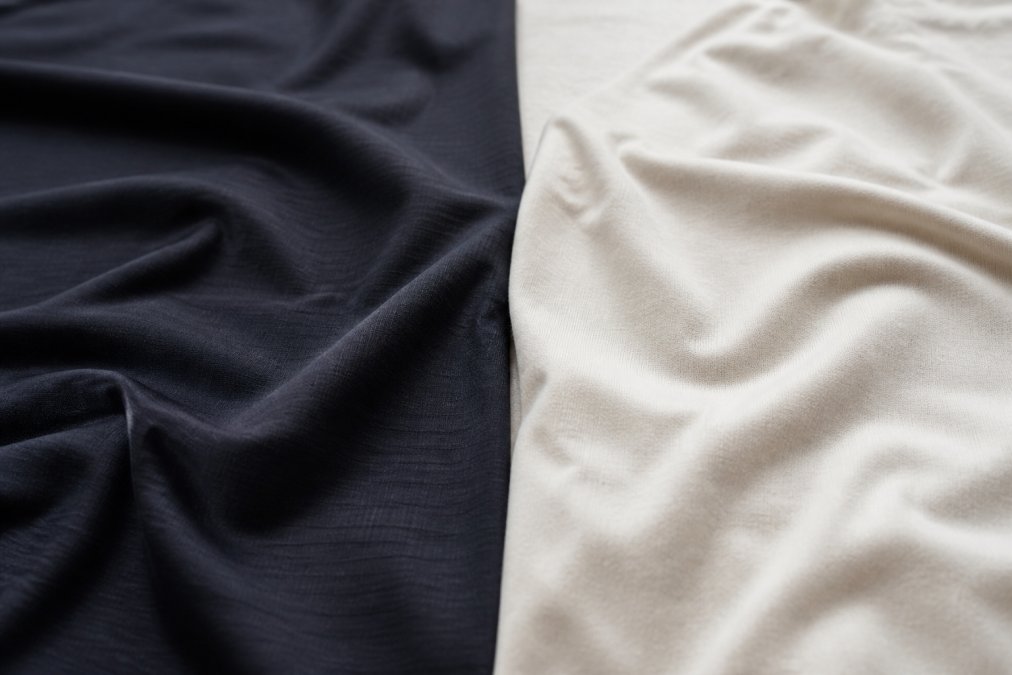
- Heavyweight territory: roughly 220-280 GSM. This is where structure, opacity, and shape retention become obvious.
These ranges are useful shorthand, not a universal quality scale. GSM measures fabric density, not softness, stitch quality, or cut. Treat it as one data point among several.
What We Can Verify vs. What We Can't
This is where most heavyweight comparisons go wrong. Brands rarely publish exact GSM for every colorway, and weight can shift by dye lot, color, and mill. Rather than repeat unverified numbers, check for yourself:
- Look for a stated GSM or oz/yd² figure on the product page. If a brand publishes it, that's a good sign they're confident in the spec.
- Check the fabric content. 100% cotton, cotton/poly blends, and ring-spun vs. open-end yarns all behave differently at the same weight.
- Read the construction details. Neck tape, hem stitching, and seam type tell you more about longevity than a single weight number.
- Compare in person if you can. Hand-feel at 245 GSM vs. 260 GSM is subtle; the difference shows up after repeated washes, not on day one.
AW3SOME tees are built on the Shaka Wear SHMHSS Unisex Max Heavyweight, specified at 7.5 oz / 245-255 GSM. Standard colors are 100% USA cotton, Heather Grey is 90/10 cotton/poly, and Charcoal Grey is 50/50, the actual specs of the garment we use, not a marketing range.
Reading the Trade-Offs Honestly
Heavier fabric within the heavyweight band tends to drape with more structure, resist show-through, and hold a print's shape. Lighter heavyweight fabric feels less rigid, breathes better in warm weather, and layers more easily. Neither is objectively better. If you run hot or wear tees year-round in a warm climate, 245-255 GSM is often the more livable choice; if you want maximum structure and don't mind a stiffer hand-feel, a heavier option may suit you.
For FNDMNTLS and Legends specifically, verify the current GSM or oz figure on each brand's own product page before comparing. Published specs change, and a comparison built on secondhand numbers ages badly. Put the two spec sheets side by side and check them against the criteria above.
Oversized Heavyweight T-Shirt Sizing Guide
Oversized fit changes how you should approach sizing. The fix isn't a rule of thumb like "size down", it's measuring a tee you already like and matching those numbers to the size chart.
Measure First, Then Choose
Grab a tee from your closet that fits the way you want your heavyweight tee to fit. Lay it flat and measure three things:
- Chest width: pit-to-pit, straight across, doubled for full circumference.
- Body length: from the highest point of the shoulder (HPS) to the bottom hem.
- Sleeve length: from the shoulder seam to the sleeve opening.
Write those numbers down, then compare them to the size chart of whichever brand you're considering. This is the only reliable way to predict how an oversized cut will land, because "medium" means something different at every brand.
How Oversized Cuts Actually Behave
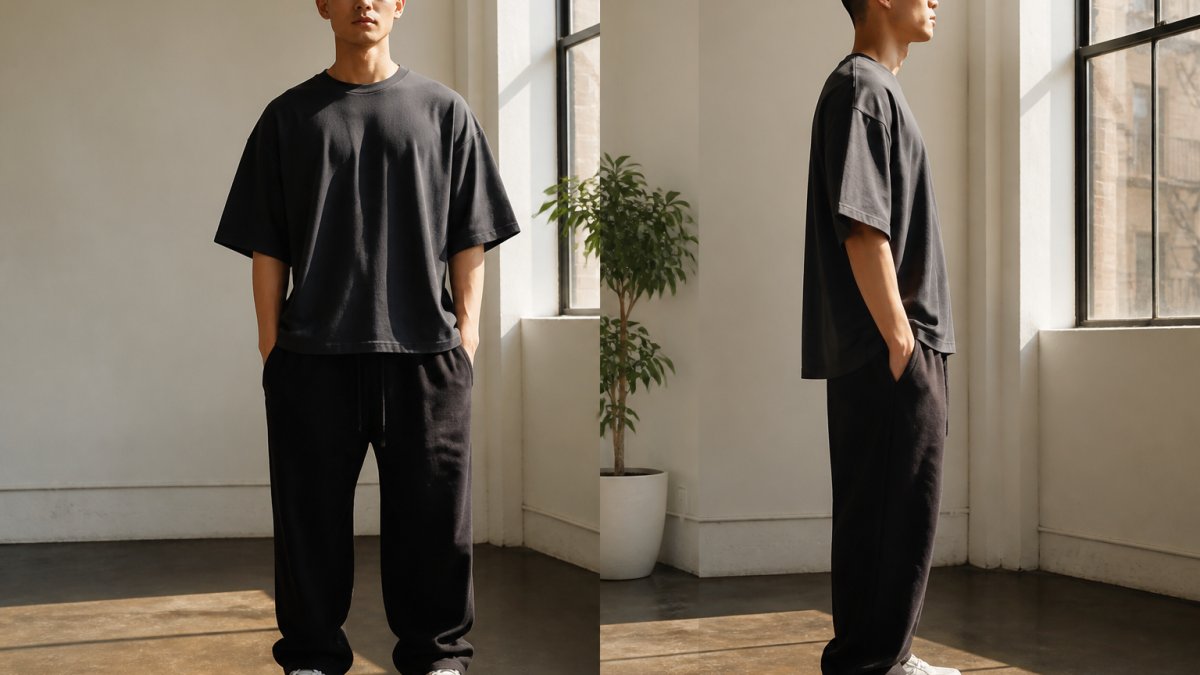
An oversized heavyweight tee is designed with extra volume through the chest and body, often with a slight drop shoulder where the seam sits below the natural shoulder point. That drop shoulder is what creates the relaxed, unstructured look rather than a fitted one.
Because of that construction, the same labeled size can feel dramatically different across brands. A tee with a 2-inch drop shoulder and 24-inch chest width looks nothing like one with a standard shoulder and 21-inch chest width, even if both are labeled "large."
A Practical Approach by Fit Goal
- Want a classic oversized look: match your favorite tee's chest width, then add 1-2 inches for extra drape.
- Want a relaxed but not billowy fit: match your favorite tee's chest width exactly and check that the body length isn't more than an inch longer than you prefer.
- Want a fitted oversized look: size down one from your usual, but verify the chest width still gives you at least 2-3 inches of ease over your actual chest measurement.
AW3SOME tees use an oversized, relaxed fit with a slight drop shoulder, built on the Shaka Wear SHMHSS. If you prefer a closer fit, sizing down one is a reasonable starting point; for maximum volume, stay true to size. Either way, check the actual measurements before ordering.
Why This Matters More With Heavyweight Fabric
A heavyweight tee in a tight cut can feel restrictive because the fabric has less give; the same fabric in an intentionally oversized cut feels comfortable and deliberate. Evaluate fit and fabric weight together, not separately.
Oversized doesn't mean undefined, it means intentional extra space with proportions that still work visually. The only way to confirm that is with a tape measure, not a guess.
How to Care for Heavyweight Cotton Shirts
Heavyweight cotton responds differently to washing and drying than standard tees because of its density.
Wash in cold water. Hot water accelerates fading and can cause uneven shrinkage in heavier fabrics; cold water preserves color and fiber integrity. This applies to FNDMNTLS, Legends, or AW3SOME tees.
Turn graphics inside-out before washing. This protects printed designs from friction against other garments and the washer drum. DTG-printed graphics (which AW3SOME uses) benefit especially from this protection.
Use a gentle cycle for graphic tees. Heavy agitation stresses the fabric-ink bond over time; delicate or permanent-press cycles work better than normal or heavy-duty settings.
Dry on low heat or air-dry. High heat is the enemy of longevity. It can cause shrinkage, fade colors, and weaken fibers.
Avoid fabric softener. Heavyweight cotton doesn't need it, and softener leaves buildup that dulls colors and changes how the fabric feels. The natural cotton texture is part of what you paid for.
Fold rather than hang for storage. The weight of a heavyweight tee can stretch it if hung for extended periods. Folding preserves the shoulder and sleeve shape.
These practices apply to heavyweight graphic tees generally. The heavier the fabric, the more these steps matter for the garment's longevity.
Construction and Durability in Heavyweight Division
What separates a long-lasting tee from a short-lived one comes down to construction details most people never think about.
Seam quality matters more in heavyweight fabric. Double-needle stitching, where two parallel threads reinforce seams, is standard in premium tees; single-needle seams fail faster under heavier fabric's stress.
Neck tape is the reinforcement strip sewn into the neckline; quality tape prevents the collar from stretching out and warping. Shoulder-to-shoulder neck tape runs the full width rather than partway around.
Hem construction determines whether sleeves and the bottom stay crisp or curl and fray. A 1-inch double-needle hem is the standard for quality tees; anything less tends to degrade within a year or two of regular wear.
Quarter-turned construction is a detail most people don't notice but should.
Yarn quality affects how the fabric ages. 16-singles yarn (a measure of yarn thickness) is considered premium for heavyweight tees. Finer yarn pills more easily; thicker yarn resists pilling but can feel coarse.
AW3SOME tees use 16-singles yarn, double-needle stitching throughout, shoulder-to-shoulder neck tape, and quarter-turned construction, the actual specifications of the Shaka Wear SHMHSS fabric we use, not marketing claims.
Choosing Your Heavyweight Champion
The heavyweight comparison between FNDMNTLS and Legends comes down to what matters most: aesthetic direction, fit preference, or specific durability features.
Choose FNDMNTLS if you want maximum oversized volume and a relaxed, contemporary silhouette. Their sizing aligns with modern streetwear aesthetics, and the heavyweight fabric supports it without feeling stiff.
Choose Legends if you prefer a more traditional fit with premium construction. Their sizing stays closer to conventional standards, good for anyone who wants heavyweight quality without the oversized statement.
Choose AW3SOME if original graphics are your priority. Bold, never-reprinted artwork paired with heavyweight construction means the design is the centerpiece. The oversized fit and 245-255 GSM fabric create a canvas where graphics stand out, and every drop features new designs, no reprints.
All three brands deliver genuine heavyweight quality. The differences are in fit philosophy, graphic approach, and construction details, none objectively superior. What matters is which aligns with how you dress and what you value in a premium tee.
With premium heavyweight graphic tees, construction quality and design authenticity make the difference between a piece you wear for years and one that fades into your closet. Every drop brings new designs. Shop the latest drop and own pieces that stand apart.
Frequently Asked Questions
What is the difference between FNDMNTLS and Legends heavyweight tees?
FNDMNTLS and Legends are both heavyweight cotton brands, but they differ in fit, fabric weight, and construction details. FNDMNTLS typically offers a more oversized silhouette, while Legends may fit closer to true-to-size. Fabric weights vary between brands, affecting durability and feel. Comparing their specific GSM, stitching methods, and fiber composition helps determine which heavyweight division suits your style and performance needs.
Does a higher GSM always mean a better heavyweight T-shirt?
No. GSM (grams per square meter) measures fabric weight, not overall quality. A 7.5 oz (245-255 GSM) heavyweight shirt can be excellent if construction is solid, with double-needle stitching, reinforced seams, and quality cotton. A heavier GSM without proper construction may shrink, fade, or feel stiff. Focus on fiber quality, stitching technique, and durability standards alongside weight.
How should you wash and care for a heavyweight cotton T-shirt?
Wash heavyweight cotton shirts in cold water to prevent shrinkage and fading. Use gentle detergent, turn the shirt inside out to protect graphics, and avoid bleach. Dry on low heat or air dry to extend the shirt's life. Check care tags for specific instructions, as blends (like 90/10 cotton/poly) may have different requirements. Proper care preserves the fabric's weight and appearance over time.
Which heavyweight T-shirt brand fits more oversized?
Fit varies by brand design philosophy. FNDMNTLS typically emphasizes a relaxed, oversized silhouette with drop shoulders, while Legends may offer a more standard oversized fit. Check each brand's size chart and customer feedback on fit before ordering. Oversized heavyweight tees should feel comfortable without excessive bagginess; sizing up one size from your normal fit often works for relaxed styles.