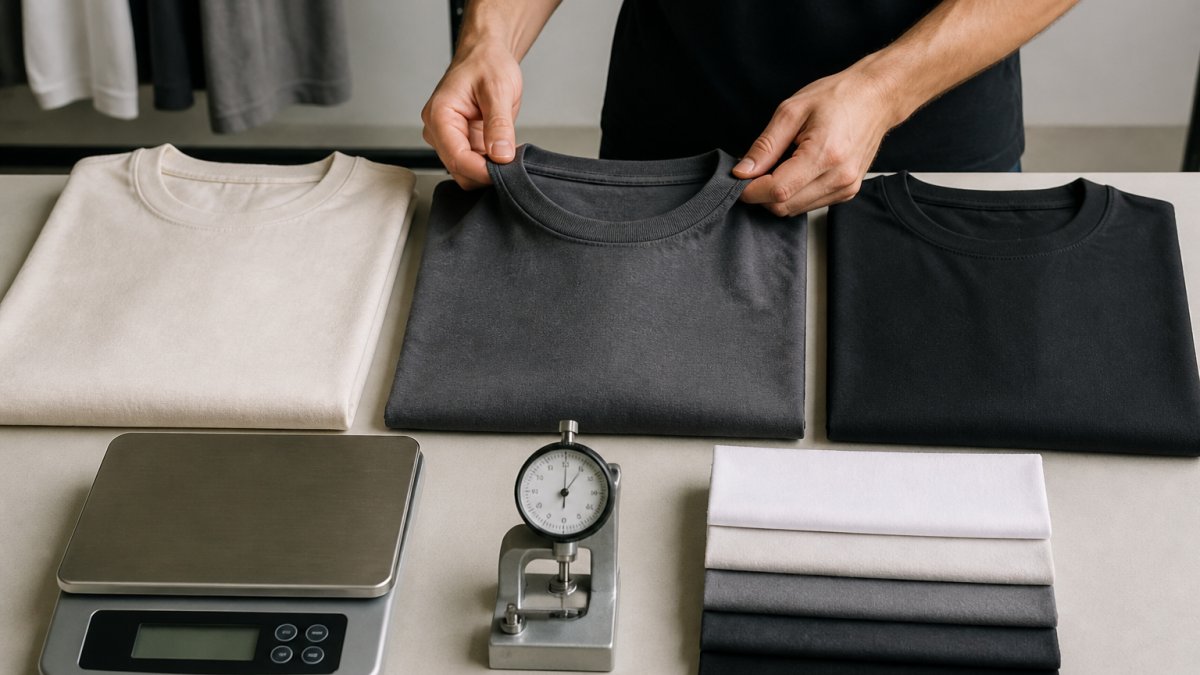
 comparison
Heavyweight Tees: Quality, Fit & Durability Explained
Table of Contents
- What Makes a Heavyweight Tee Different
- Understanding GSM and Fabric Weight in T-Shirts
- Fit, Silhouette & Construction Standards
- How to Style Oversized Heavyweight Shirts for Modern Streetwear
- Maintaining Heavyweight Cotton Apparel for Longevity
- Print Quality and Durability: DTG vs. Traditional Methods
- Choosing the Right Heavyweight Tee for Your Wardrobe
- Frequently Asked Questions
Last Updated: October 1, 2026
What Makes a Heavyweight Tee Different
Heavyweight tees differ from standard cotton apparel primarily through fabric density and construction. GSM (grams per square meter) measures fiber density: standard tees run 150-180 GSM, while heavyweight tees reach 245-255 GSM, creating a thicker hand-feel that resists wrinkles and holds shape through repeated wear and washing.
Heavyweight construction uses tightly spun yarn (16-singles or higher) to create a denser weave that resists friction and maintains color vibrancy. Reinforced seams, double-needle stitching, and shoulder-to-shoulder neck tape prevent collar stretch, hem separation, and print cracking.
AW3SOME CLOTHES INC builds every tee with 7.5 oz (245-255 GSM) fabric and reinforced construction. The oversized fit with slight drop shoulder reduces seam stress, distributes wear evenly, and creates the relaxed silhouette that defines modern streetwear without sacrificing durability.
Over time, lightweight tees fade and stretch at the collar. Heavyweight tees age like denim: fabric softens without degrading, prints remain crisp, and the garment improves after repeated washing.
Understanding GSM and Fabric Weight in T-Shirts
GSM (grams per square meter) measures fiber density: a 150 GSM tee has less fiber than a 245 GSM tee, which is why heavier fabrics feel more substantial.
GSM alone doesn't determine quality. Yarn construction matters equally: AW3SOME tees use 16-singles yarn (tightly twisted fibers) that creates a smooth surface holding DTG prints with clarity and preventing pilling.

A 245-255 GSM heavyweight tee resists shrinkage, maintains color saturation, and avoids thin spots after dozens of washes while breathing adequately for everyday wear.
When comparing heavyweight tees, evaluate GSM, yarn construction, and fiber quality. AW3SOME standard colors use 100% USA cotton; Heather Grey is 90/10 cotton-poly; Charcoal Grey is 50/50. These blends adjust hand-feel and color options without sacrificing the 245-255 GSM weight.
Fit, Silhouette & Construction Standards
Oversized fit dominates modern streetwear, but construction determines whether it drapes intentionally or sloppily. The key is garment cut and seam placement.
Quality heavyweight tees feature a slight drop shoulder (seam sits forward of actual shoulder point), reducing neckline tension and preventing collar stretch. The boxy cut allows layering while maintaining structure.
Construction details separate premium tees from budget alternatives: double-needle stitching prevents seam unraveling and distributes stress; shoulder-to-shoulder neck tape prevents collar stretch; 1-inch double-needle hems resist curling and fraying.
Quarter-turned construction eliminates the center crease found on mass-produced tees, allowing front graphics to sit centered and distributing wear evenly.
AW3SOME tees incorporate all these construction standards as baseline, including stretch-proof collar tape and reinforced seams that maintain shape through years of use.
How to Style Oversized Heavyweight Shirts for Modern Streetwear
Oversized heavyweight tees anchor streetwear looks through layering and proportion balance.
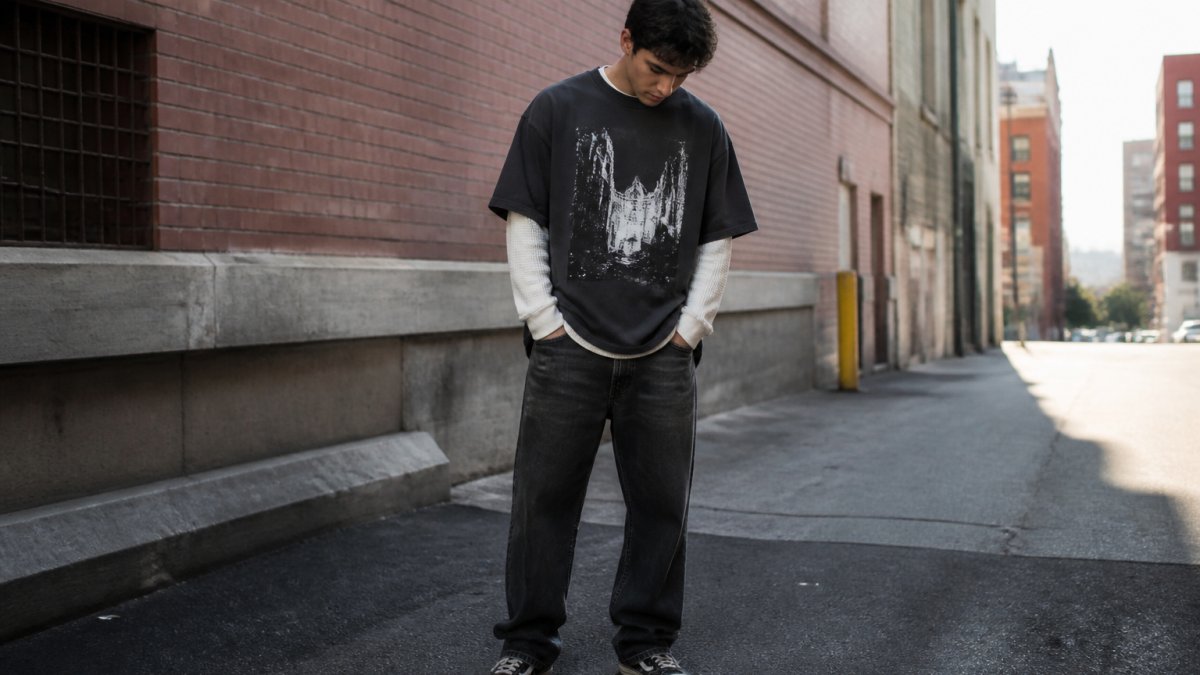
Layering over long-sleeve shirts creates depth and extends the visual silhouette. A fitted thermal or ribbed long-sleeve under an oversized heavyweight tee creates contrast, the tight base layer emphasizes the relaxed tee, and the combination reads intentional rather than accidental. This works particularly well with graphic tees where the print is the focal point.
Worn solo, an oversized heavyweight tee pairs cleanly with fitted or tapered bottoms. The volume on top needs balance at the bottom, slim jeans, tapered trousers, or fitted shorts prevent the look from becoming shapeless. The weight of heavyweight fabric actually helps here: it drapes cleanly without bunching, so the proportions remain clear.
Layering under jackets works because heavyweight tees don't add bulk. A moto jacket, denim jacket, or overshirt over an oversized tee creates a cohesive silhouette. The tee becomes a base layer rather than the focal point, which means the graphic design works as a secondary visual element peeking out at the neck or hem.
Fallen Angel Graphic Tee — Gothic Angel Illustration Short Sleeve Shirt →
The vintage aesthetic that defines modern streetwear relies on heavyweight construction. A well-worn heavyweight tee with a detailed graphic print reads as a piece with history and authenticity. The fabric softens without degrading, colors settle into a lived-in patina, and the garment actually improves with age. This is why collectors and streetwear enthusiasts specifically seek out heavyweight apparel, it develops character over time.
Graphic placement matters more with oversized fits. Front prints work best when they're sized to the garment, not tiny logos lost in fabric, but substantial designs that anchor the look. Back prints create visual impact when layered with an overshirt or worn solo. AW3SOME tees use DTG printing, which maintains sharpness and color saturation even on heavyweight fabric, allowing detailed graphics to remain crisp wash after wash.
Maintaining Heavyweight Cotton Apparel for Longevity
Proper care determines whether a heavyweight tee lasts two years or ten. The fabric itself is durable, but washing habits either preserve or degrade that durability.
Cold water washing is non-negotiable. Hot water accelerates dye bleeding and weakens cotton fibers. Set your machine to cold (30°C or 90°F maximum) and use a gentle or normal cycle, not heavy-duty. The fabric is strong enough that aggressive agitation isn't necessary and only increases wear.
Drying matters as much as washing. Heat damages cotton and causes shrinkage, so tumble dry on low or air dry completely. Many people skip this step and throw tees in a hot dryer out of habit, then wonder why the collar shrinks and the print cracks. Line drying or lay-flat drying preserves the garment's integrity and prevents the stress that heat creates.
Avoid bleach unless the tee is white and heavily stained. Non-chlorine bleach is acceptable for whites, but chlorine bleach degrades cotton fibers over time and can create yellowing or weak spots. For colored tees, spot-treat stains or use oxygen-based cleaners before washing.
Don't iron heavyweight tees, the heat and pressure flatten the fabric's natural texture and can damage DTG prints. If wrinkles develop, hang the tee in a steamy bathroom or use a garment steamer on low heat at a distance. The fabric's weight means wrinkles often release simply from hanging.
Wash inside-out to minimize fading and print wear. This simple step reduces friction on the graphic and extends color vibrancy significantly. Separate darks from lights to prevent dye transfer, and wash with similar colors when possible.
Print Quality and Durability: DTG vs. Traditional Methods
Direct-to-garment (DTG) printing and traditional screen printing represent fundamentally different approaches to applying graphics to fabric, each with distinct advantages depending on the use case.
DTG printing applies ink directly to the fabric using inkjet technology, similar to how a desktop printer works. The process allows photographic detail, unlimited colors without additional screens, and precise color matching. DTG works exceptionally well on heavyweight fabric because the dense weave provides a smooth, stable surface for ink adhesion. The ink sits on top of the fibers rather than being pressed into them.
Screen printing, by contrast, forces ink through a mesh screen onto the fabric. Each color requires a separate screen, which is why screen-printed designs typically use 2-6 colors. The ink penetrates deeper into the fabric weave, creating a more durable bond that resists fading and cracking through extreme conditions. However, screen printing requires the design to be simplified to accommodate the technical limitations of the process.
For graphic streetwear with detailed, photographic, or multi-color designs, DTG is the appropriate choice. AW3SOME uses DTG exclusively because our designs are original artwork that demands color accuracy and detail.
Choosing the Right Heavyweight Tee for Your Wardrobe
The decision between heavyweight tees comes down to three factors: construction quality, graphic aesthetic, and fit consistency.
| Factor | What to Look For | Why It Matters |
|---|---|---|
| GSM/Weight | 245-255 GSM minimum | Determines durability and print hold |
| Seam Construction | Double-needle stitching, shoulder tape | Prevents seam failure and collar stretch |
| Fit | Oversized with drop shoulder, quarter-turned | Creates intentional silhouette, eliminates crease |
| Print Method | DTG for detailed graphics | Maintains color and detail through repeated wear |
| Material | 100% cotton or specified blends | Affects durability, feel, and color options |
| Design | Original, limited-edition graphics | Ensures exclusivity and long-term wearability |
Frequently Asked Questions
What defines a true heavyweight cotton t-shirt?
A heavyweight tee typically weighs 7.5 oz or higher (measured in ounces per square yard, or GSM, grams per square meter). At 245-255 GSM, heavyweight tees use tightly spun, high-density cotton that resists pilling, holds graphic prints with sharp detail, and maintains shape through repeated washing. The denser fabric creates a smoother hand-feel and more substantial drape than standard-weight tees, which usually run 5-6 oz.
How does 7.5 oz fabric compare to standard weight t-shirts?
Standard-weight tees are typically 5-6 oz and feel lighter and thinner. A 7.5 oz heavyweight tee offers noticeably more structure, durability, and print longevity. The extra weight comes from tighter yarn construction and higher fiber density, which means the fabric resists shrinkage, holds its shape better after washing, and provides a premium feel. Heavyweight tees also tend to age more gracefully, developing a worn-in character rather than deteriorating.
How do I style an oversized heavyweight shirt for a modern look?
Oversized heavyweight tees work best when balanced with fitted pieces below. Pair an oversized graphic tee with tapered or slim-fit jeans, cargo pants, or fitted shorts to create silhouette contrast. Layer it over a long-sleeve shirt for depth, or wear it solo with a structured jacket like denim or leather. Tuck the front slightly into high-waisted bottoms for definition, or let it drape freely for a relaxed vibe. The key is intentional proportion, avoid pairing oversized on top with loose bottoms.
What should I look for in a premium streetwear graphic tee?
Prioritize fabric weight (7.5 oz or higher), construction details (double-needle stitching, reinforced neck tape, stretch-proof collar), and print method. DTG (direct-to-garment) printing delivers detailed, vibrant graphics that bond directly to the fabric. Verify the fit is genuinely oversized with a slight drop shoulder, not just sized up. Finally, confirm the design aesthetic aligns with your style: vintage-inspired, dark/moody, minimalist, or bold statement pieces.