 comparison
FNDMNTLS vs Premium Streetwear: Quality & Value
Table of Contents
- How Premium Streetwear Brands Differ from Mass Production
- Fabric Weight and Construction: What Actually Matters
- How to Compare Streetwear Quality Across Brands
- Limited Edition Streetwear and Drop Culture
- Fit, Silhouette, and Sizing Across Premium Options
- Streetwear Drop Buying Guide: Timing, Scarcity, and Value
- Price-to-Quality Analysis: Where Your Money Goes
- Frequently Asked Questions
Last Updated: October 9, 2026
How Premium Streetwear Brands Differ from Mass Production
Premium streetwear brands operate on fundamentally different principles than mass-produced clothing. The difference isn't just about price, it's about design philosophy, production methods, and the relationship between the brand and its audience.
Mass production prioritizes volume and cost efficiency. A factory might produce 100,000 identical units monthly, optimizing every step to reduce waste and speed. Premium brands work differently. They release limited quantities of original designs, often dropping new graphics that are never reprinted. This scarcity model creates both exclusivity and urgency.
The construction process separates premium from standard. Most mass-produced tees use lightweight fabric (around 150-180 GSM) and basic stitching. Premium streetwear brands invest in heavier, denser cotton, like the 7.5 oz (245-255 GSM) fabric that AW3SOME CLOTHES INC uses, paired with reinforced seams, shoulder-to-shoulder neck tape, and double-needle stitching throughout. These details compound: a shirt that holds its shape through 50 washes instead of 20 justifies a higher price point.
Brand identity matters too. A mass-produced tee is interchangeable. A premium streetwear piece tells a story through its graphic, and when designs never get reprinted, owning one means something. Collectors know that missing a drop means missing that design forever.
Fabric Weight and Construction: What Actually Matters
Fabric weight is one of the easiest specifications to compare, but it's often misunderstood. GSM (grams per square meter) measures density, how much cotton is packed into the weave. A heavier tee isn't automatically better; it's better for specific purposes.
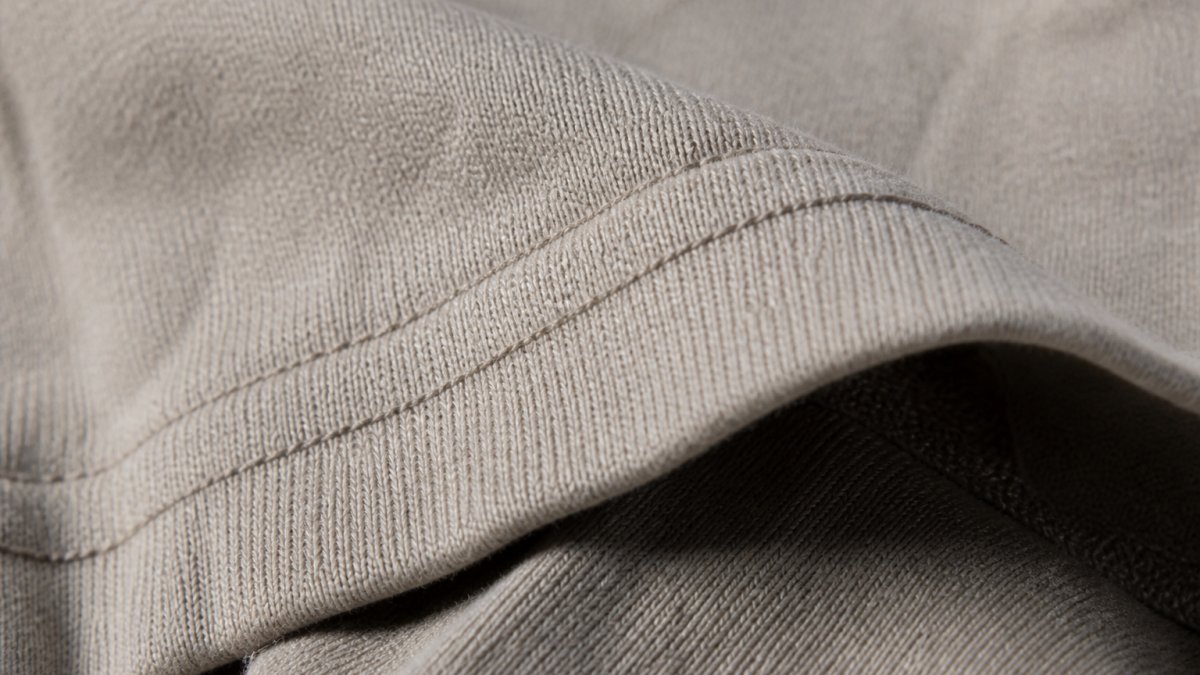
Standard tees typically run 150-180 GSM. Heavyweight tees (240-255 GSM) feel substantial. The fabric doesn't move around under your hands. Prints sit flatter and hold detail longer because there's more surface to grip the ink.
AW3SOME CLOTHES INC uses 7.5 oz (245-255 GSM) fabric in their heavyweight pieces. This density means the shirt breaks in rather than wears out. The cotton softens with age instead of thinning. A well-made heavyweight tee at this weight is built for durability.
Construction quality amplifies the fabric advantage. Double-needle stitching on the neck, sleeves, and hem means the seams won't split. Shoulder-to-shoulder neck tape prevents stretching and keeps the collar aligned. Quarter-turned construction removes the center crease that usually runs down the front. These aren't visible until you've owned the shirt for months, then you notice how yours still looks new while cheaper alternatives have faded and warped.
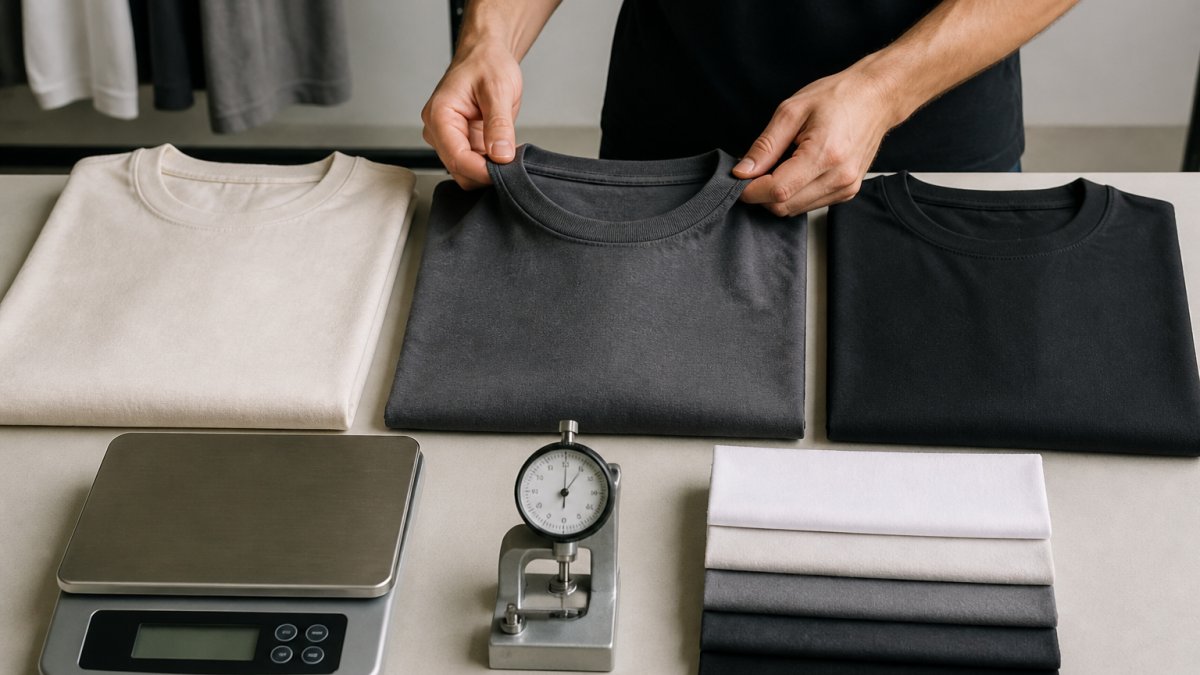
The real test: hold a 180 GSM tee and a 245 GSM tee side by side. The weight difference is immediate. That density translates to durability.
How to Compare Streetwear Quality Across Brands
When evaluating premium streetwear brands, focus on measurable factors rather than marketing claims. Here's what to examine:
Fabric composition and weight. Ask for the GSM or ounce weight. Know what you're buying. Standard colors should be 100% cotton; blends (like 90/10 or 50/50) are acceptable if the brand discloses them upfront.
Stitching and seam reinforcement. Single-needle stitching fails faster. Double-needle stitching holds. Check the neck tape, quality brands use shoulder-to-shoulder tape that prevents stretching. Look at the hems.
Print method and durability. DTG (direct-to-garment) printing applies ink directly to fabric, creating detailed graphics. What matters is whether the brand's chosen method suits their designs and whether they're transparent about care instructions.
Design originality and scarcity. This is where premium streetwear separates itself. Does the brand reprint sold-out designs? Do they drop new graphics regularly or recycle the same artwork? Brands that commit to never-reprinted designs create genuine scarcity. That scarcity is either a feature (if you value exclusivity) or irrelevant (if you just want cool clothes to wear).
Sizing and fit consistency. Premium brands usually offer extended sizing (XS-3XL or beyond) and maintain consistent fit across colors. Oversized and relaxed fits are intentional design choices, not manufacturing inconsistency. Read reviews from multiple sources to understand how a brand's sizing actually runs.
| Comparison Factor | What to Check | Why It Matters |
|---|---|---|
| Fabric Weight | GSM or ounce specification | Determines durability and longevity |
| Stitching | Double-needle seams, neck tape | Prevents seams from splitting |
| Print Method | DTG, screen, or other | Affects graphic detail and wash durability |
| Design Scarcity | Never-reprinted or regularly recycled | Impacts perceived value and exclusivity |
| Sizing Range | XS to 3XL or beyond | Ensures accessibility across body types |
| Color Consistency | Solid cotton vs. blends disclosed | Affects how fabric behaves when washed |
Limited Edition Streetwear and Drop Culture
Drop culture has become central to premium streetwear. A "drop" is a scheduled release of new designs in limited quantities. Once they sell out, they're gone, no restock, no second chances.
This model creates urgency and community. Collectors mark their calendars. The moment a drop launches, fans compete for pieces they want. Designs become cultural artifacts because scarcity makes them mean something.
The never-reprinted commitment is the core of this strategy. AW3SOME CLOTHES INC, for example, releases original designs that are never reprinted. This means if you miss a drop, that specific graphic is gone forever. You can't wait for a restock. You can't hunt for it months later. That finality is either thrilling or frustrating depending on your perspective.
The downside is real: if you're not constantly checking for drops, you'll miss pieces you'd have bought. The upside is equally real: the designs you own become genuinely exclusive.
Drop culture also means smaller inventory per release. This keeps production costs down and reduces waste. It also means the barrier to entry is timing, not just money.
Fit, Silhouette, and Sizing Across Premium Options
Fit is where personal preference overrides any objective ranking. What works for one body type or style preference might not work for another.
Premium streetwear brands typically offer relaxed or oversized fits. This is intentional, the silhouette is part of the design. A tee with a slight drop shoulder and oversized body reads differently than a fitted cut. It layers better. It photographs better. It signals a specific aesthetic.
Graphic Tee — Geometric Emblem Back Print with Minimal Front Logo →
The challenge is consistency. Some brands size generously; others run true. Extended sizing (S-7XL or beyond) is increasingly standard at premium brands, but fit can still vary between colors because of fabric blends.
AW3SOME CLOTHES INC offers sizing from S to 7XL with a relaxed, slightly oversized fit and forward-placed seams. The oversized silhouette is consistent across the range because of quarter-turned construction, which removes the center crease and keeps the proportions balanced.
Before buying, check multiple reviews from different body types. A tee that fits perfectly on someone 5'10" might be too long or too short for someone 6'2". Shoulder width matters more than height. Chest size matters more than overall weight. Read reviews that mention specific measurements, not just "runs large" or "true to size."
Streetwear Drop Buying Guide: Timing, Scarcity, and Value
Understanding drop mechanics helps you make smarter purchasing decisions. Here's how the system actually works:
Timing is everything. Most premium brands announce drops in advance, sometimes weeks ahead. They post on social media, email lists, or their website. Set reminders. Drops often sell out within hours, sometimes minutes. Being early matters.
Scarcity is real but quantifiable. A brand might produce 3,000 units of a design. If 10,000 people want it, 7,000 go without. This isn't artificial scarcity, it's the result of limited production capacity. Smaller runs mean lower overhead and less waste, but also less availability.
Value appreciation is unpredictable. Some sold-out pieces resell for more on secondary markets. Others don't. Resale value depends on design popularity, condition, and demand. Don't buy a drop expecting to flip it for profit. Buy because you want to wear it or own it.
Sizing strategy matters. If you know a brand's fit, buy your size confidently. If you're unsure, buy the size you normally wear and check return policies. Many premium brands offer free returns, but not all. Confirm before checkout.
Frequency matters to your wallet. If a brand drops weekly, you're constantly tempted. If they drop monthly, you can budget more predictably. Know how often your preferred brands release and plan accordingly.
Price-to-Quality Analysis: Where Your Money Goes
The price gap between mass-produced and premium streetwear can be substantial. Understanding where that premium goes helps you decide if it's worth it.
A mass-produced heavyweight tee might cost $15-20. A premium streetwear piece typically runs $25-45 for standard releases, with limited editions sometimes higher.
The perceived value question is different from the actual value question. The premium brand's higher price doesn't always mean higher profit per unit.
What you're paying for is durability, design originality, and scarcity. If you wear a tee until it fades or deteriorates, the cost-per-wear is lower than a cheaper tee you wear fewer times. If you value owning designs that aren't mass-produced, you're paying for that exclusivity.
AW3SOME CLOTHES INC's pieces range from $21.99 to $39.53. The Tokyo Street Racing tee at $21.99 uses 180 GSM midweight cotton with DTG and DTF printing. The Floral Tech Graphic T-Shirt at $39.53 uses 245-255 GSM heavyweight USA cotton with reinforced construction. The price difference reflects material and construction quality, not just brand markup.

The honest answer: premium streetwear costs more because it's made to last longer and designed to be original. Whether that justifies the price is personal. If you wash and wear a tee until it falls apart, premium quality pays for itself. If you buy tees as collectibles, scarcity and design matter more than durability.
Premium streetwear brands solve a specific problem: they offer original designs, superior construction, and genuine scarcity. They're not for everyone. If you want affordable basics, mass production works fine. If you want tees that feel substantial, hold their shape, and feature artwork you won't see on someone else, premium brands deliver.
The key is matching the brand to your actual needs. Do you want everyday wear that lasts? Focus on fabric weight and stitching. Do you want collectible pieces? Prioritize design originality and scarcity. Do you want both? That's where premium streetwear analysis and community reviews help you narrow down which brands align with your values.
AW3SOME CLOTHES INC stands out for its commitment to never-reprinted original designs paired with heavyweight construction (7.5 oz / 245-255 GSM fabric with double-needle reinforcement). If you value designs that stay exclusive and tees that don't degrade after a season, their approach addresses both priorities. SHOP THE LATEST DROP →
Frequently Asked Questions
What makes a premium streetwear brand different from FNDMNTLS?
Premium streetwear brands typically emphasize original graphic design, limited production runs, and heavyweight construction (245-255 GSM or higher). They focus on brand identity and exclusivity rather than trend-chasing. Many premium brands never reprint designs, creating genuine scarcity. FNDMNTLS positions itself as accessible streetwear, while premium alternatives prioritize craftsmanship, fabric durability, and design longevity as core value propositions.
How do you know if a heavyweight graphic tee is actually high quality?
Check the fabric weight (GSM or ounces per square yard), fiber composition, and construction details. Quality indicators include double-needle stitching, reinforced neck tape, and a smooth print surface. Examine the seam placement and collar construction, premium tees use shoulder-to-shoulder neck tape and quarter-turned bodies to prevent center creasing. Read care instructions carefully; premium brands provide detailed washing guidance because they expect longevity.
Does higher GSM always mean a better T-shirt?
GSM (grams per square meter) measures fabric weight, not overall quality. A heavier fabric can feel more substantial and durable, but construction, fiber quality, and print method matter equally. A 245-255 GSM tee with reinforced seams and quality cotton will outperform a 300+ GSM tee with weak stitching. Weight alone doesn't guarantee longevity; how the garment is built, neck reinforcement, hem strength, print durability, determines real-world performance.
What should you look for in a limited edition streetwear drop?
Verify authenticity: check whether designs are truly never reprinted (ask directly or review brand history). Examine production quantity. Review the graphic design itself: original artwork commands higher resale value and personal satisfaction than licensed or derivative designs. Assess fit and sizing options to ensure you can grab your size during the drop window. Check shipping and return policies before committing.