 Comparison
Streetwear vs High Fashion: 2026 Trends Compared
Last Updated: October 29, 2026
Quick Summary
Streetwear vs high fashion comes down to purpose: streetwear is casual, identity-driven clothing built around graphics, fit and cultural references, while high fashion is designer clothing shown on runways, valued for tailoring, fabric and craftsmanship. Many shoppers now blend the two.
- Streetwear asks what a piece says about you; high fashion asks who designed it and how it was made.
- Streetwear typically releases in frequent drops, while high fashion follows seasonal runway collections.
- Compare cost-per-wear by dividing a piece's price by how many times you actually wear it.
- Layer a heavyweight graphic tee under an unstructured overshirt or blazer to blend both styles.
- Balance an oversized top with slimmer bottoms so the silhouette looks intentional rather than bulky.
Table of Contents
- Streetwear vs High Fashion: How the Two Categories Differ
- 2026 Trends: Silhouettes, Proportions and Color in Each Camp
- Quick Comparison: Streetwear vs High Fashion at a Glance
- Streetwear Layering Outfits That Borrow From High Fashion
- How to Style Oversized Streetwear Without Looking Bulky
- Price, Cost-Per-Wear and Sustainability Differences
- Streetwear Outfit Ideas for Building Your 2026 Wardrobe
- Frequently Asked Questions
Streetwear vs High Fashion: How the Two Categories Differ
Streetwear and high fashion share a lot of visual language, but they come from different places. Streetwear started on sidewalks, skate parks and record shops, and it still rewards originality, graphic storytelling and a relaxed fit. High fashion is built around runway calendars, couture houses and the seasonal cycle of new collections. Knowing that difference makes it easier to judge what each category is trying to say in 2026.
A clear framework helps. Compare the two across four dimensions:
| Dimension | Streetwear | High Fashion |
|---|---|---|
| Design roots | Graphics, cultural references, fit-driven | Tailoring, draping, fabric experimentation |
| Distribution | Drops, direct-to-consumer, select stockists | Runway shows, luxury retail, seasonal wholesale |
| Audience | Identity-driven, community and subculture | Occasion-driven, status and craft appreciation |
| Cultural role | Fast-moving, remix-friendly, grassroots | Canon-building, trend-setting, institutional |
Streetwear is casual, identity-driven clothing built around graphics, fit and cultural references. Its value comes from originality and how a piece signals belonging to a scene or moment. High fashion is designer clothing shown on runways and sold through luxury labels, usually with an emphasis on tailoring, fabric and craftsmanship. Its value comes from design authorship and construction.
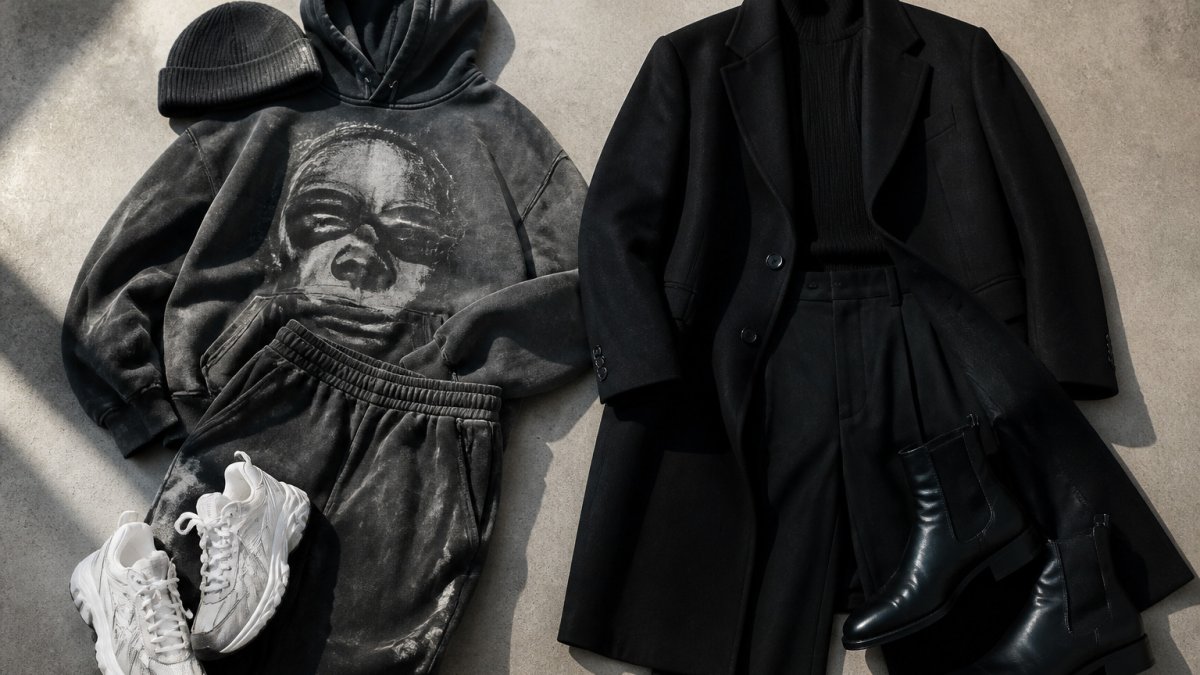
Many shoppers now blend the two. A heavyweight graphic tee can sit under a tailored overcoat, and a runway-inspired jacket can pair with worn denim. The useful question is not which category wins, but which signals you want your clothes to send, and which construction details you are willing to pay for.
For a piece-by-piece breakdown of how the two camps compare on silhouette, color and price, see the comparison table below.
2026 Trends: Silhouettes, Proportions and Color in Each Camp
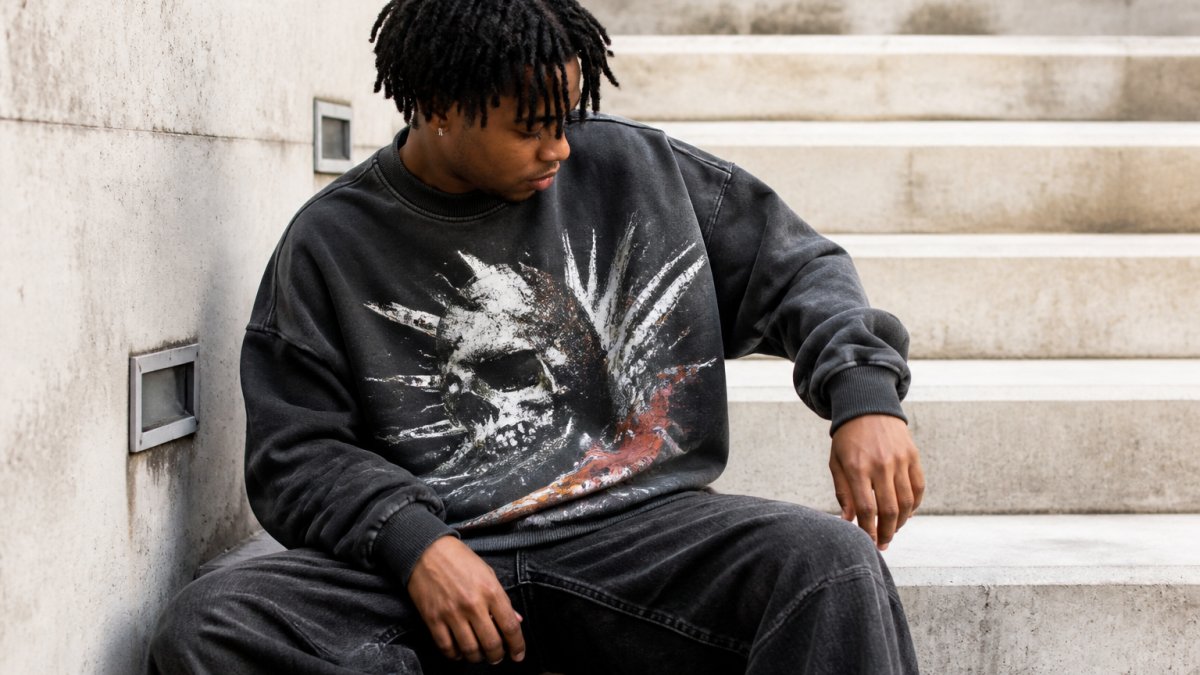
Silhouettes are where the two worlds currently overlap most. Streetwear has embraced relaxed and oversized cuts for several seasons now, and that proportion still defines the category. Here, we see the weight of a garment doing much of the styling work.
High fashion has moved in a similar direction, with looser tailoring and unstructured shapes showing up on runways. The difference is in the finish. A streetwear oversized tee reads as casual and graphic. A high-fashion version of the same shape usually arrives in cleaner lines, richer fabric and more restrained color.
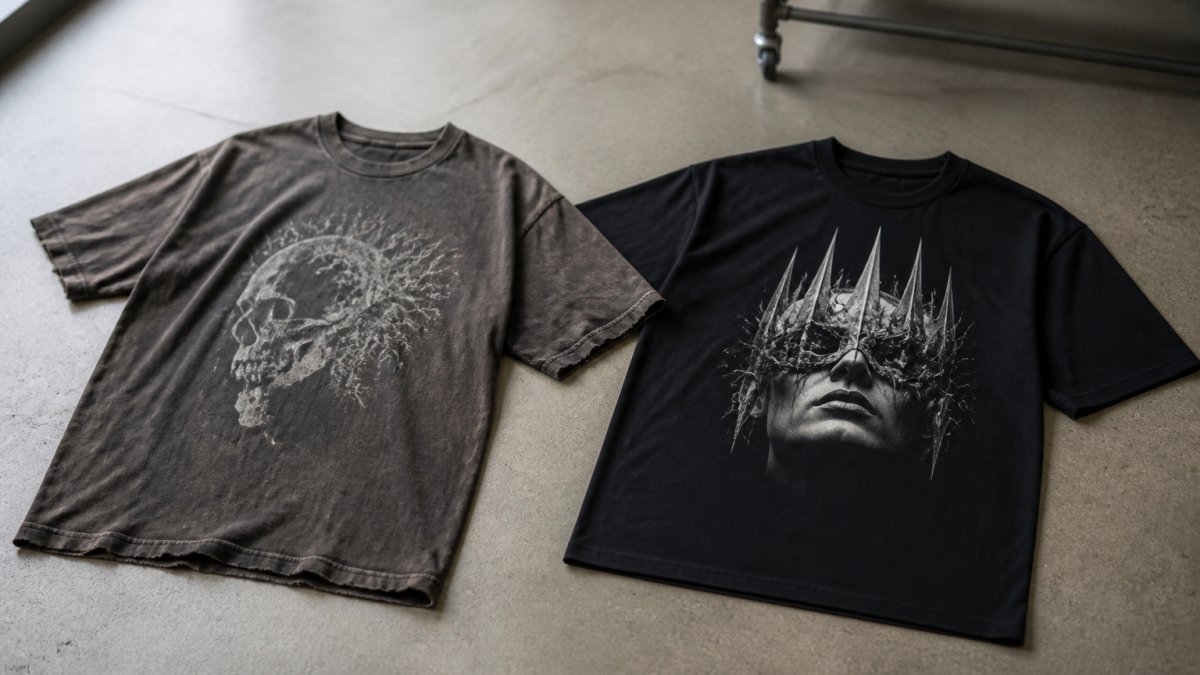
Color follows a similar split. Streetwear tends toward bold graphics and strong contrasts, while high fashion leans toward tonal palettes and deliberate accents. Our Floral Tech Graphic T-Shirt pairs a muted charcoal base with a detailed back graphic.
Quick Comparison: Streetwear vs High Fashion at a Glance
| Factor | Streetwear | High Fashion |
|---|---|---|
| Core focus | Graphics, identity, fit | Tailoring, fabric, runway design |
| Typical silhouette | Oversized, relaxed | Structured or deliberately unstructured |
| Color approach | Bold graphics, strong contrast | Tonal palettes, restrained accents |
| Release rhythm | Frequent drops | Seasonal collections |
| Typical price | Often under $50 for graphic tees | Usually far higher for comparable pieces |
| Best for | Everyday expression, collectors | Occasion dressing, formal polish |
Use this table as a starting point. The categories blur more every season, so judge each piece on its own construction and purpose.
Streetwear Layering Outfits That Borrow From High Fashion
Layering is where the two styles meet most naturally. Start with a heavyweight streetwear base, such as our Graphic T-Shirt, Dark Samurai Illustration Back Print, and add a more refined outer layer. An unstructured overshirt or a tailored blazer over a relaxed tee creates contrast without looking costume-like.
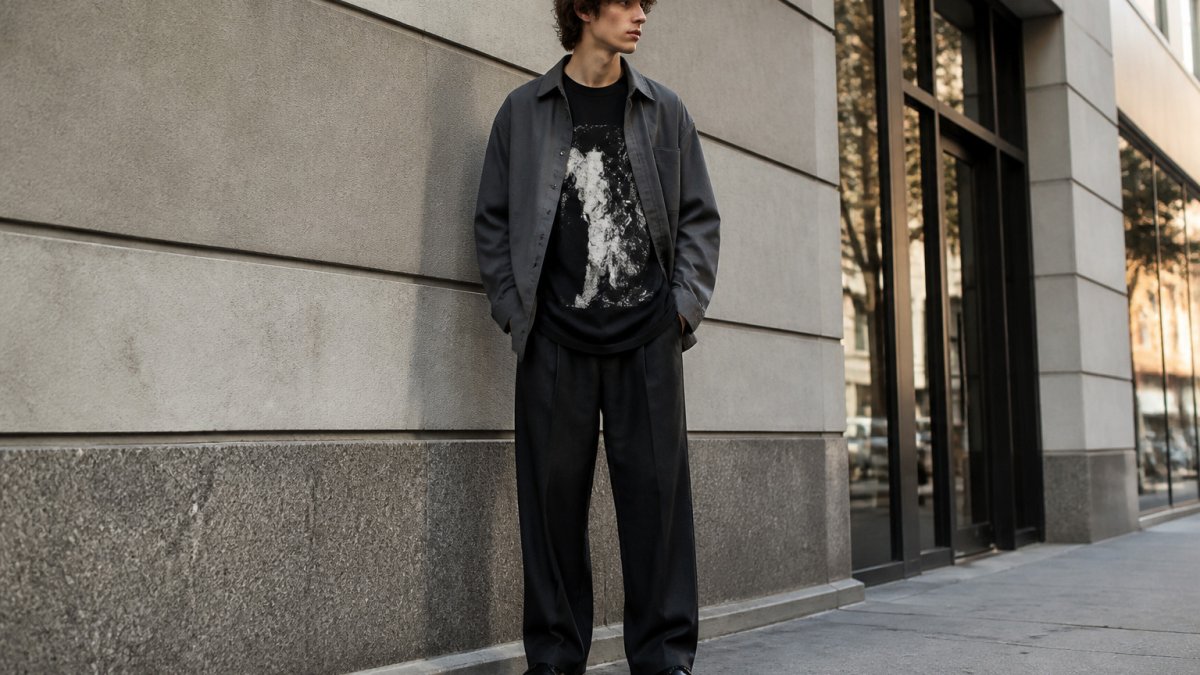
Keep the balance simple. Pair a graphic piece with one structured element, either the trousers or the outerwear, and let the rest stay clean. Too many competing details flatten the look.
Here is a practical formula to try:
- Heavyweight graphic tee as the base
- Unstructured overshirt or light jacket
- Tailored or straight-leg trousers
- Clean sneakers or leather loafers
How to Style Oversized Streetwear Without Looking Bulky
Oversized fits work when the proportions are controlled. Balance a loose top with a slimmer bottom, such as straight or slightly tapered trousers, and avoid stacking several loose layers at once. The silhouette should look intentional.
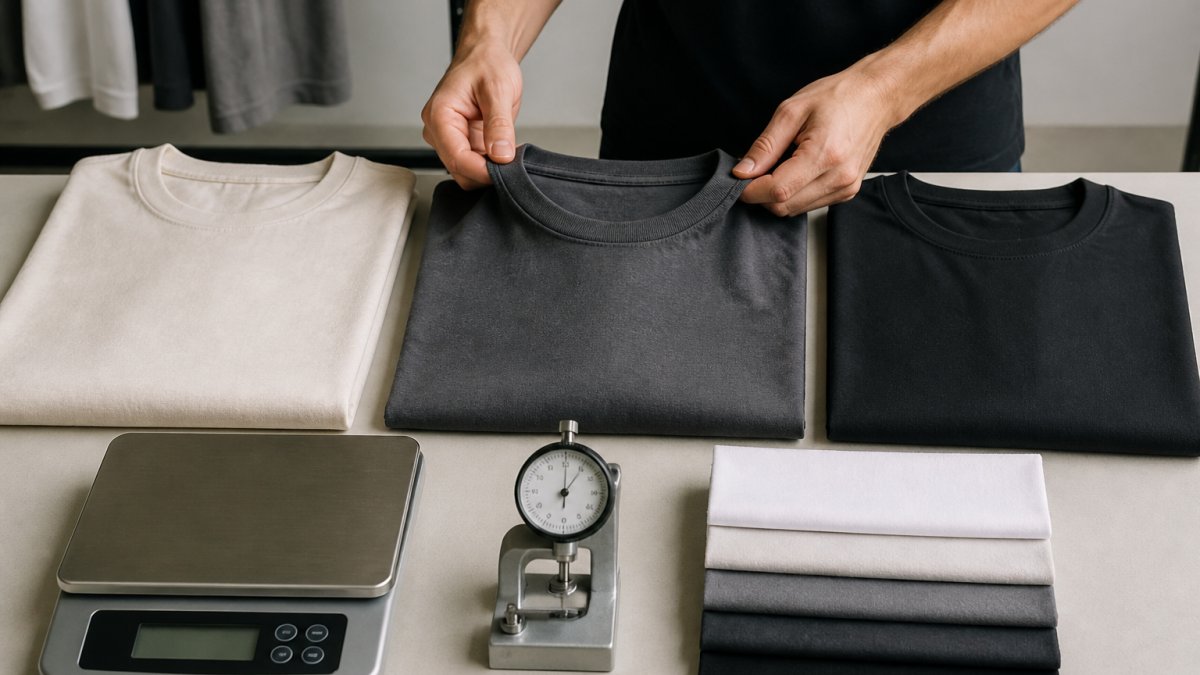
Fabric weight matters here. A heavier tee holds its shape and drapes cleanly, so it looks structured rather than sloppy. Our Graphic Tee, Geometric Emblem Back Print with Minimal Front Logo pairs well with a tapered trouser for this reason.
Tokyo Street Racing T‑Shirt — Retro Japanese City Drift Graphic Tee →
For more detail on the styling side, read our guide on how to style heavyweight streetwear, which covers how thicker garments behave when layered.
Price, Cost-Per-Wear and Sustainability Differences
Price is one of the clearest separators between the two categories, but the sticker price tells only part of the story. The more useful question is cost-per-wear: the price of an item divided by how many times you actually wear it.
A simple framework helps. Estimate how many wears you will get in a year, then divide. A piece you reach for weekly spreads its cost across far more outings than a statement garment you wear twice a season. That math often favors a well-made everyday piece over a rarely worn luxury item, even when the everyday piece costs less up front.
What drives the price gap
- Fabric and construction. Higher fabric weight, denser yarns and reinforced seams add production cost. Our tees use a 7.5 oz / 245-255 GSM heavyweight cotton with shoulder-to-shoulder neck tape, double-needle stitched neck and 1" double-needle sleeve and bottom hems, details that add cost but also help a garment hold its shape through repeated wear.
- Design and development. Runway collections carry sampling, show and seasonal development costs that drop-based streetwear usually avoids.
- Distribution and margin. Luxury labels build in retail, wholesale and brand margin that direct-to-consumer streetwear can trim.
- Release rhythm. Frequent small drops versus seasonal collections change how much inventory risk a brand carries, and that risk is priced in.
Accessibility and resale
Streetwear is generally the more accessible entry point, and resale has become a real middle ground: limited streetwear drops and past-season luxury pieces both trade on secondary markets, which lets shoppers compare construction and condition directly. When you buy secondhand, check fabric weight, seam condition and whether the print has cracked, those signals matter more than the label.
Sustainability: compare specifics, not categories
Neither category is inherently more sustainable. Production volume, fabric sourcing, drop frequency, print method and garment longevity all shape a brand's footprint. A high-frequency drop model can generate overproduction; a seasonal luxury model can generate waste through markdowns and unsold inventory. The honest approach is to check each brand's specifics rather than assume.
At AW3SOME CLOTHES INC, graphics are applied with DTG (direct-to-garment) printing, and our product pages list the fabric details for every piece. We do not make broader environmental claims beyond what those pages state. For a deeper look at why heavier fabric costs more to produce, see our guide to why heavyweight streetwear costs more.
Streetwear Outfit Ideas for Building Your 2026 Wardrobe
A focused wardrobe beats a crowded one. Start with three or four versatile streetwear pieces, then add one or two high-fashion-inspired items that bridge the two styles. A graphic tee, a tailored overshirt and a pair of clean trousers can produce several different looks.
Try these starting combinations:
- Weekday: Graphic tee, straight trousers, clean sneakers
- Weekend: Oversized tee, cargo trousers, canvas jacket
- Evening: Tonal graphic tee, unstructured blazer, dark denim
The Tokyo-inspired Tokyo Street Racing T-Shirt works as a bold weekend base, while darker tones suit the evening combinations. Build outward from one or two favorites and let the rest of the wardrobe follow.
Frequently Asked Questions
What is the difference between streetwear and high fashion?
Streetwear grew out of skate, hip-hop and youth culture and centers on casual silhouettes, graphic design and drop-based releases. High fashion comes from runway houses and emphasizes tailoring, luxury materials and seasonal collections shown at fashion weeks. The two overlap more each year, but the core difference is origin: streetwear is built around identity and community, while high fashion is built around design authority and exclusivity. Shoppers can tell them apart by how each garment is made, sold and styled.
Are streetwear and high fashion blending in 2026?
Yes. Many 2026 collections borrow oversized proportions, graphic details and casual fabrics from streetwear, while streetwear labels adopt cleaner tailoring and more refined fabrics. For shoppers, the blend means a heavyweight graphic tee can sit comfortably beside a structured blazer. The practical result is that you can build one outfit using pieces from both categories without it looking mismatched.
How do you style streetwear with high-fashion pieces?
Start with one anchor piece from each side, such as an oversized graphic tee and a tailored coat or structured trouser. Keep the palette limited to two or three colors so the mix reads intentional. Tuck or half-tuck the tee to define the waist when pairing it with wide trousers, and let the high-fashion piece provide the clean line. Matching shoes and a single accessory tie the outfit together.
How can you layer streetwear without making an outfit look bulky?
Choose one oversized layer per outfit and keep the others close to the body. A relaxed heavyweight tee works well under a fitted jacket or overshirt, while slimmer trousers balance the volume above. Avoid stacking three loose pieces at once, and check that the shoulder seams of each layer sit where they should. Cropped outer layers also keep the silhouette from overwhelming the frame.