 How-to
How to Layer Clothes for Streetwear: A Step-by-Step Guide
Last Updated: October 29, 2026
Quick Summary
To layer clothes streetwear style, stack three pieces in order: a fitted base layer, an open mid-layer for shape and texture, and an outer layer that finishes the look. Each piece should be slightly heavier than the one beneath it. Balance the proportions by pairing an oversized top with slimmer bottoms.
- Use a base, mid-layer and outer layer, each with one clear job.
- Go thin-to-thick so each layer is slightly heavier than the one beneath it.
- Keep the mid-layer open or half-open so the base graphic still shows.
- Pair an oversized top with straight or tapered bottoms for a clean line.
- Check the outfit from front, side and back before leaving the house.
Table of Contents
- What Makes a Streetwear Layered Outfit Work
- Step 1: Choose a Lightweight Base Layer
- Step 2: Add a Mid-Layer for Shape and Texture
- Step 3: Finish With Outerwear and Balance Proportions
- How to Style Oversized Clothes Without Looking Bulky
- Streetwear Color Combinations That Layer Well
- Winter Streetwear Outfits: Layering for Cold Weather
- Build Your Next Layered Look With AW3SOME Tees
- Frequently Asked Questions
What Makes a Streetwear Layered Outfit Work
Layering is the fastest way to make a simple outfit look intentional. Learning to layer clothes streetwear style works because it stacks pieces with different weights, lengths and textures, so each piece adds depth instead of bulk. This guide walks through a repeatable method you can use with almost any wardrobe.
A layered streetwear outfit is a set of pieces worn in a deliberate order, usually a base layer, a mid-layer and an outer layer. Each piece has one job. The base sets the fit, the mid-layer adds shape and texture, and the outer layer finishes the look.
Most layering mistakes come from stacking without a plan. Three similar pieces in the same weight look like a pile of clothes. Three pieces with clear roles look like a style.
The Three-Layer Formula
Use this base-to-outerwear method to layer clothes streetwear pieces by default. It works for most body types, occasions, and temperatures.
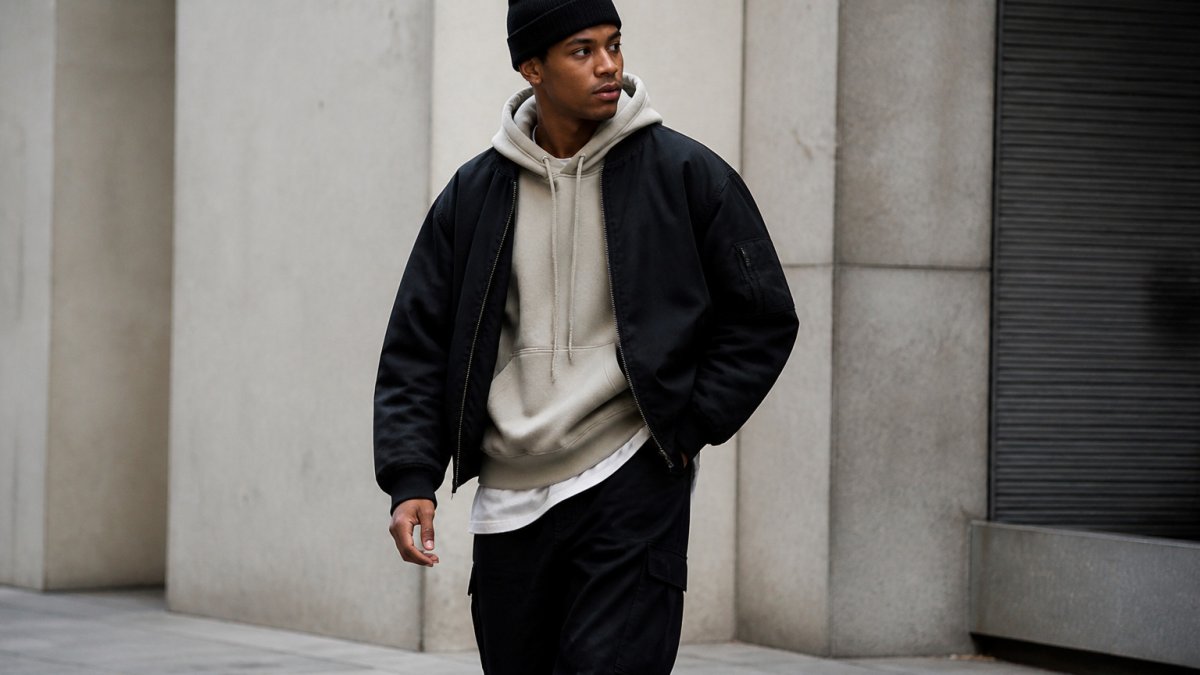
- Base layer (fit and foundation): A lightweight or midweight tee, long-sleeve, or thermal. This layer should fit close to the body without being tight. It sets the silhouette and provides a clean canvas.
- Mid-layer (shape and texture): An open flannel, zip-up hoodie, overshirt, or light sweater. This layer adds visual interest and defines the outfit's character. Keep it open or half-open to show the base.
- Outer layer (finish and function): A jacket, coach jacket, bomber, or parka. This layer completes the look and provides warmth or weather protection. Choose based on climate and desired formality.
Why This Order Works
- Thin-to-thick progression: Each layer should be slightly heavier or more structured than the one beneath it. This prevents bunching and allows for easy removal indoors.
- Visual hierarchy: The base is the quietest, the mid-layer adds contrast, and the outer layer frames the whole outfit. This creates depth without clutter.
- Adjustability: You can remove the outer layer without losing the outfit's structure. The mid-layer becomes the statement piece.
Proportion and Silhouette
Layering changes your silhouette. Use these rules to keep the look intentional:
- Volume balance: If the top half is oversized, keep the bottom straight or slim. If the top is fitted, you can go wider on the bottom.
- Length variation: Let hems stack at different lengths, a longer base under a shorter mid-layer, or a cropped outer layer over a longer tee. This creates vertical interest.
- Shoulder placement: A slight drop shoulder on the base layer looks relaxed. A mid-layer or outer layer with a defined shoulder adds structure.
For a broader look at why layering suits streetwear, read Benefits of Layering Streetwear: Style, Comfort, Range. It covers how layers help with comfort across seasons.
Step 1: Choose a Lightweight Base Layer
Start with a base that fits well and sits comfortably under everything else. A heavyweight graphic tee can be a strong base because its structure helps it hold its shape under other layers. Keep the base simpler than the layers on top of it.
Use these checks when you pick a base:
- Fabric weight: Choose something that won't feel bulky under a jacket.
- Length: Let the hem sit where it won't bunch at the waist.
- Shoulder line: A slightly dropped shoulder looks relaxed, not sloppy.
- Color: Start with a neutral or a single bold graphic you want to show.
Watch out: If the base is too tight, every layer on top will look cramped. Leave room for the next piece to sit cleanly.
To judge how a shirt should sit before you layer it, see How to Check T-Shirt Fit: A Complete Guide.
Here is a quick reference for checking your base layer before adding anything on top.
| Check | What to look for | Why it matters |
|---|---|---|
| Fabric weight | Won't feel bulky under a jacket | Keeps later layers clean |
| Length | Hem sits where it won't bunch at the waist | Prevents waist bunching |
| Shoulder line | Slightly dropped, not sloppy | Gives a relaxed, deliberate look |
| Color | A neutral or one bold graphic | Lets the graphic show |
| Fit | Not too tight | Leaves room for the next piece |
Step 2: Add a Mid-Layer for Shape and Texture
The mid-layer is where the outfit gets its character. An open flannel, a zip-up or a light overshirt adds contrast in texture and gives the silhouette a clear shape. Choose a piece with a different fabric feel than your base, such as a brushed flannel over smooth cotton.
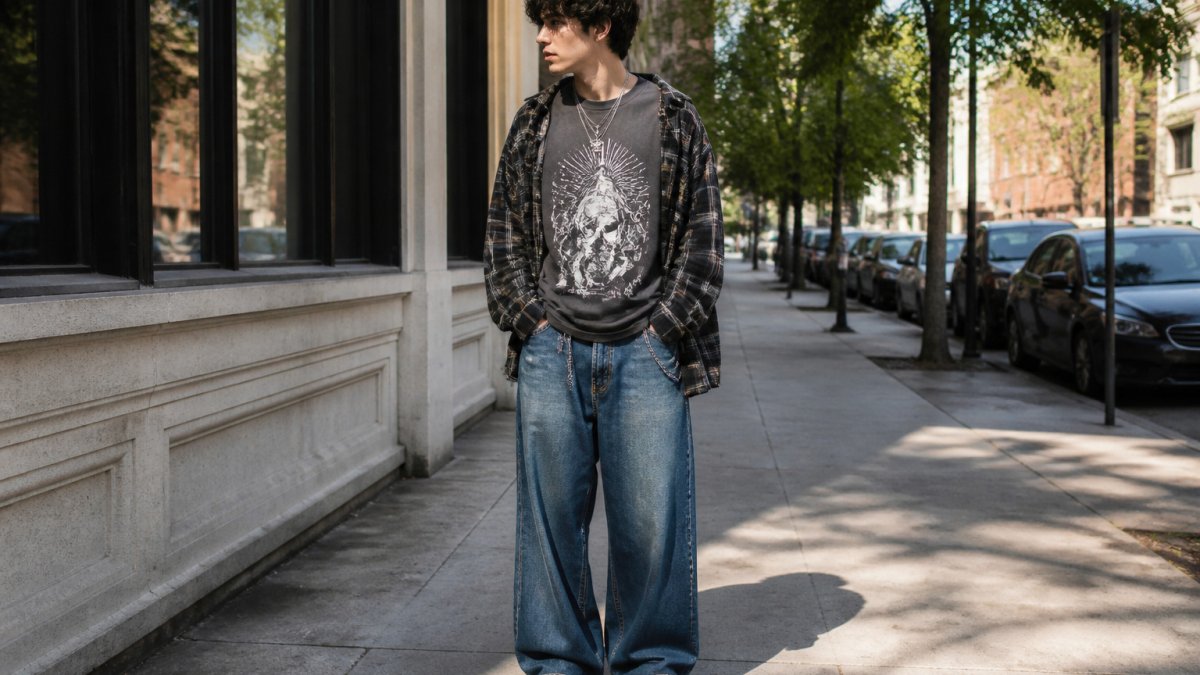
Keep the mid-layer open or half-open so the base graphic still shows. Roll the sleeves once or twice to break up the line. Your graphic tee stays the focus, and the mid-layer frames it.
For more ways to style a graphic tee with a layer on top, see How to Style Graphic Tees for a Modern Look.
Step 3: Finish With Outerwear and Balance Proportions
Outerwear closes the look. A cropped jacket, a utility jacket or a coach jacket each changes the outfit's mood. Pick the outer layer based on how much warmth you need and how much shape you want.
Proportion Rules That Make Layering Look Intentional
Balance is the rule that makes layering work. When the top half is loose and wide, pair it with a slimmer bottom, like straight or tapered denim. When the top is cropped, let the bottom have more volume. Here are specific formulas:
Tokyo Street Racing T‑Shirt — Retro Japanese City Drift Graphic Tee →
- Oversized top + slim bottom: A relaxed heavyweight tee or hoodie with straight-leg or tapered jeans. This creates a clean line from shoulder to ankle.
- Fitted top + wide bottom: A fitted long-sleeve or thermal with baggy cargo pants or wide-leg denim. This balances volume and adds visual interest.
- Cropped outer + longer base: A cropped jacket over a longer tee or hoodie. The hem difference creates vertical contrast and makes legs look longer.
- Long outer + short base: A longer coach jacket or parka over a shorter tee. This adds drama and works well with slim bottoms.
Silhouette Checkpoints
Before you leave, run through these checks:
- Shoulder line: The outer layer should sit cleanly on your shoulders. If it's too wide, it will swallow your frame. If it's too narrow, it will bunch.
- Hem stack: Look at where each layer ends. You want a clear visual break, not all hems at the same length, and not so many lengths that it looks messy.
- Movement test: Raise your arms, sit down, and walk. If any layer restricts movement or bunches uncomfortably, adjust the fit or swap the piece.
Common Proportion Mistakes and Fixes
- Too much volume everywhere: If your top and bottom are both very wide, add a fitted layer underneath or switch to a slimmer bottom.
- Bunching at the waist: This happens when the base layer is too long or too thick. Try a shorter base or tuck it in slightly.
- Outer layer hides the mid-layer: If the jacket is too long or too dark, it can swallow the outfit. Choose a shorter or lighter-colored outer layer to keep the mid-layer visible.
Look at the full outfit in a mirror before you leave. Check that the hems stack cleanly, no layer hides the one beneath it completely, and the proportions feel even.
How to Style Oversized Clothes Without Looking Bulky
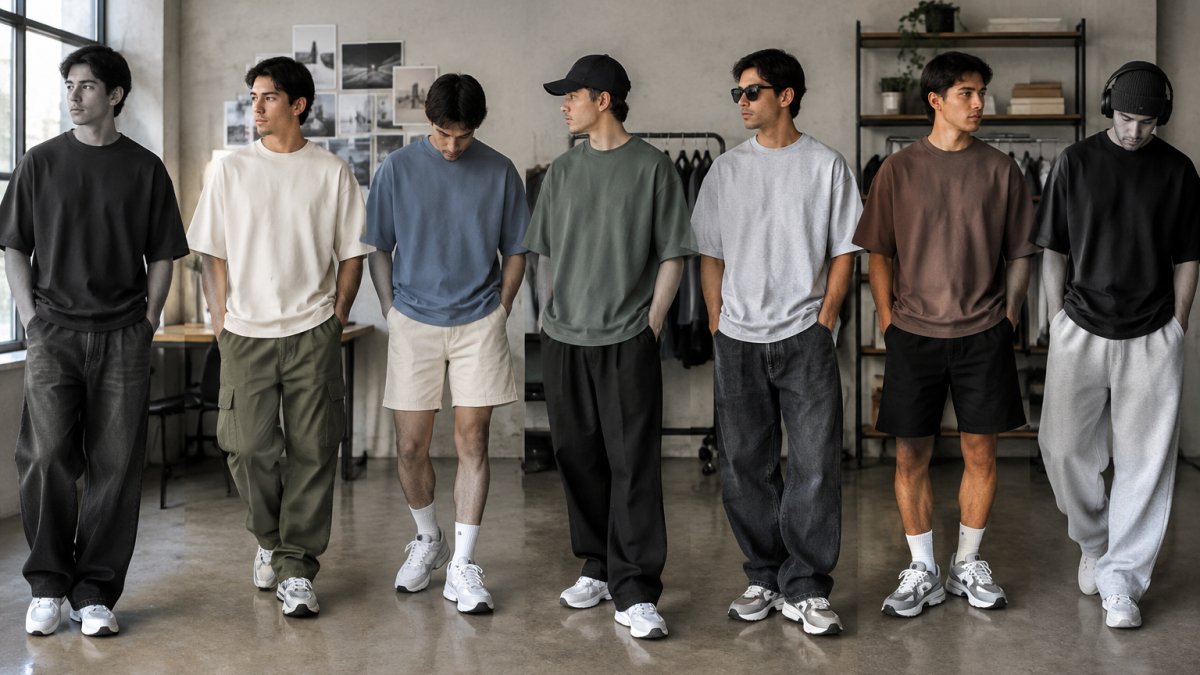
Oversized streetwear is easy to get wrong. Too much fabric all over the body can swallow the frame. The fix is to make one part of the outfit fitted and let the rest stay loose.
A common approach is to keep the top oversized and the bottoms straight or slim. That creates a clear line from shoulder to ankle. If the top is very wide, a belt or a tucked-in hem can add definition without adding tightness.
The oversized look also depends on shoulder placement. A shirt with a dropped shoulder falls naturally into place. A shirt that is simply too big in the body can look messy.
For a fuller guide to wearing wide pieces in everyday settings, read How to Wear Oversized Streetwear Comfortably. It covers fit, movement and comfort.
Streetwear Color Combinations That Layer Well
Color decides whether a layered outfit feels calm or loud. Most strong streetwear looks use one of three approaches:
- Tonal: Stick to one color family, such as black, charcoal and grey. This reads clean and modern.
- Neutral plus accent: Pair neutral layers with one bright piece or a bold graphic.
- Contrast: Mix a dark base with a light mid-layer for a clear break between pieces.
Keep the number of strong colors low. Two dominant colors plus one neutral usually works. When you add a bold print, let the rest of the outfit stay quiet so the print can carry the look.
Winter Streetwear Outfits: Layering for Cold Weather
Cold weather calls for more layers, but the same order still applies: base, mid-layer, outer layer. The challenge is keeping the outfit from becoming heavy.
Build warmth with thin layers rather than one thick piece. A fitted thermal or long-sleeve base under a heavyweight tee, then an overshirt, then a jacket gives warmth and still moves well. Thin-to-thick layering also lets you remove a piece indoors without losing the outfit.
Winter fabrics mix well when the textures differ. Try a smooth cotton base with a brushed flannel and a nylon or wool outer layer. The contrast in texture keeps the look interesting even in dark colors.
Build Your Next Layered Look With AW3SOME Tees
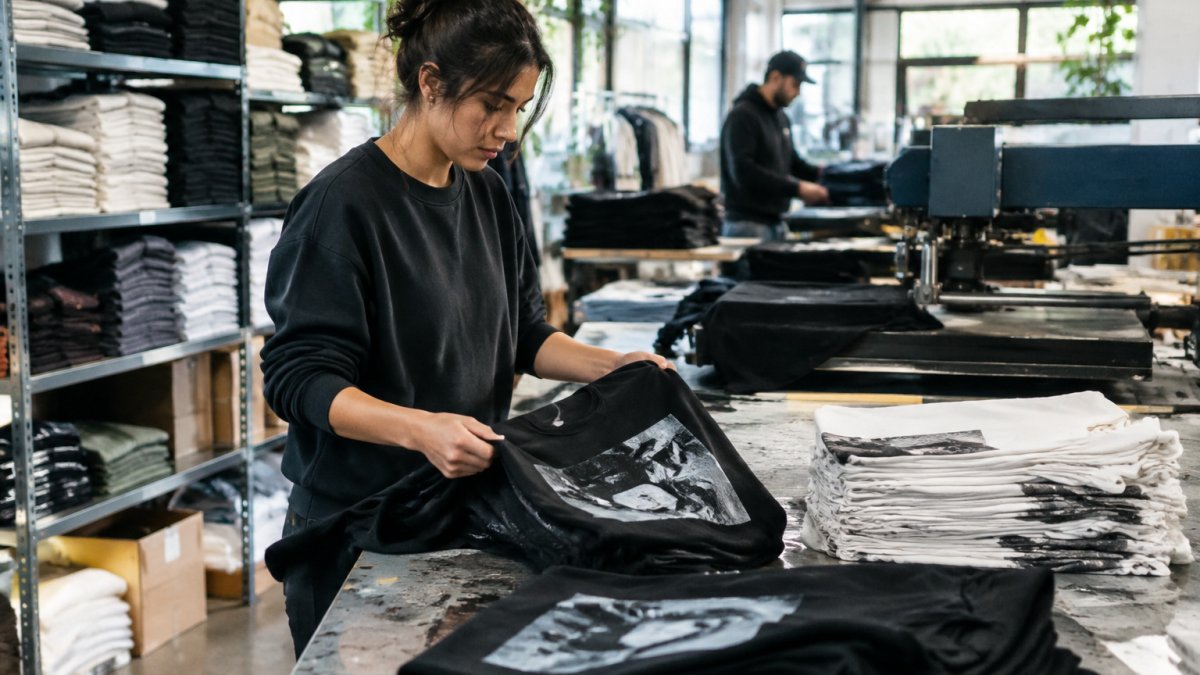
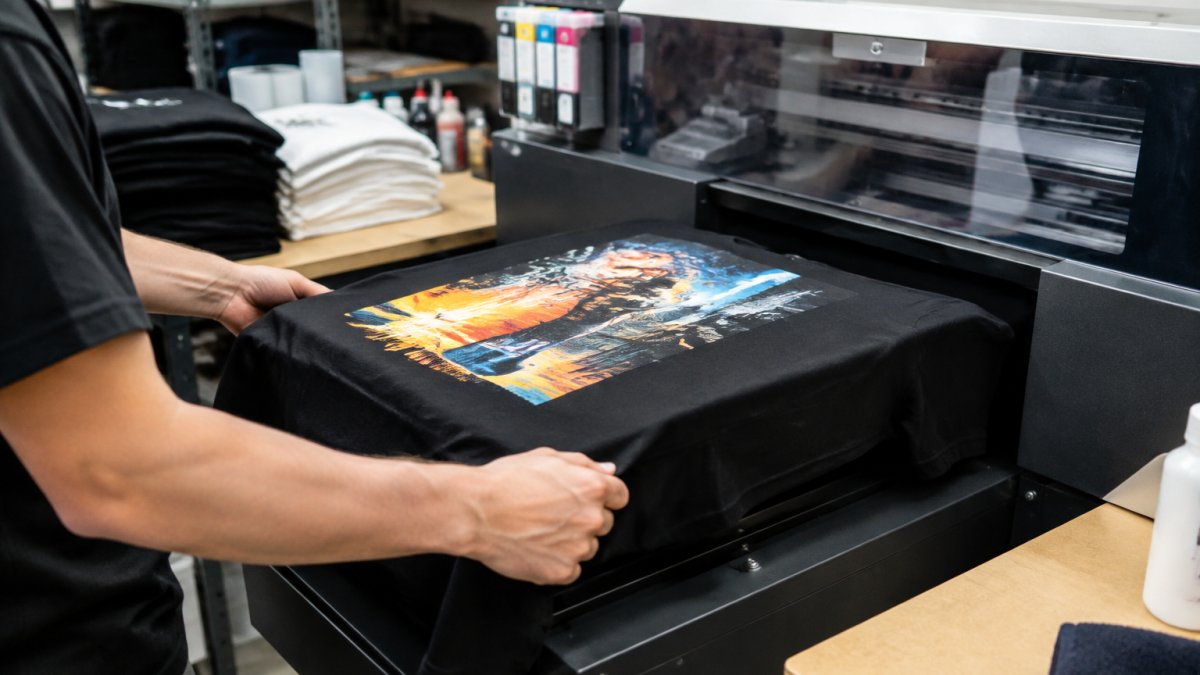
Heavyweight tees make a strong base for layering because they keep their shape under a mid-layer and jacket. AW3SOME CLOTHES INC makes original graphic tees. Our graphics are DTG printed, and our tees use 7.5 oz / 245-255 GSM cotton with an oversized, relaxed fit.
Here is a simple way to start:
- Pick one graphic tee as the base.
- Add an open flannel or overshirt in a neutral color.
- Finish with a jacket that matches your warmth needs.
For more on pairing your tee with other pieces, browse the latest drops at AW3SOME CLOTHES INC.
Frequently Asked Questions
How do you layer clothes for a streetwear outfit?
Start with a lightweight base layer such as a heavyweight graphic tee, add a mid-layer like an overshirt or flannel, and finish with outerwear if the weather calls for it. Work from thinnest to thickest so each piece remains visible. Keep one piece as the focal point, such as the graphic on the base tee, and let the other layers stay in a restrained palette so the outfit reads as deliberate rather than cluttered.
How do you layer oversized clothes without looking bulky?
Balance an oversized top with slimmer or straight-leg bottoms rather than matching volume on both halves. A relaxed, slightly dropped-shoulder tee works well under a shirt-style layer if the mid-layer stays open and the hemlines are staggered. Avoid stacking three oversized pieces at once; one oversized element plus one fitted or structured element usually keeps the silhouette controlled.
How do you make a layered streetwear outfit look balanced?
Balance comes from proportion and repetition of color. Pair a bold top with neutral bottoms, or carry one accent color from the top layer into a shoe or accessory. Mix one textured piece, such as a flannel or knit, with smoother fabrics so the outfit has visual interest without looking busy. Check that the longest layer ends at a point that does not visually cut your body in half.
How can you layer streetwear outfits for cold weather?
Add warmth through the mid-layer and outerwear rather than stacking many thin pieces that restrict movement. Choose a jacket with enough room to sit over a mid-layer without pulling at the shoulders. Heavier cotton tees provide a solid base in cooler weather, and a jacket you can open or remove makes the outfit easier to adjust when moving between cold outdoors and warm indoor spaces.