 How-to
Is Oversized Clothing Still in Style in 2026?
Last Updated: October 25, 2026
Quick Summary
Yes, is oversized clothing still in style in 2026. The relaxed silhouette has evolved from a niche aesthetic into a cornerstone of modern streetwear and everyday fashion, moving beyond a passing trend to become the dominant way people dress across age groups and style preferences.
- Balance oversized tops with fitted bottoms like slim jeans or tapered trousers to create an intentional silhouette.
- Fabric weight matters: heavier cotton holds shape and prevents draping, while lightweight fabric clings and defeats the oversized effect.
- Pair one oversized piece as your focal point with fitted or normally sized items elsewhere in your outfit.
- An intentionally oversized cut has a slight drop shoulder and hem at mid-hip, not a sized-up regular tee that reads as borrowed.
- Audit your existing fitted basics before buying new pieces; most wardrobes already contain the contrast pieces oversized clothing needs.
Table of Contents
- Oversized Clothing Remains a Dominant Fashion Trend in 2026
- How Oversized Fashion Has Evolved Since the Early 2020s
- How to Style Oversized Clothes Without Looking Shapeless
- Oversized T-Shirt Outfit Ideas for Every Season and Occasion
- How to Wear an Oversized Shirt With Fitted Pieces to Balance Proportions
- How to Balance Oversized Proportions Across Your Entire Outfit
- Building Your Oversized Wardrobe With Heavyweight Basics
- Frequently Asked Questions
Oversized Clothing Remains a Dominant Fashion Trend in 2026
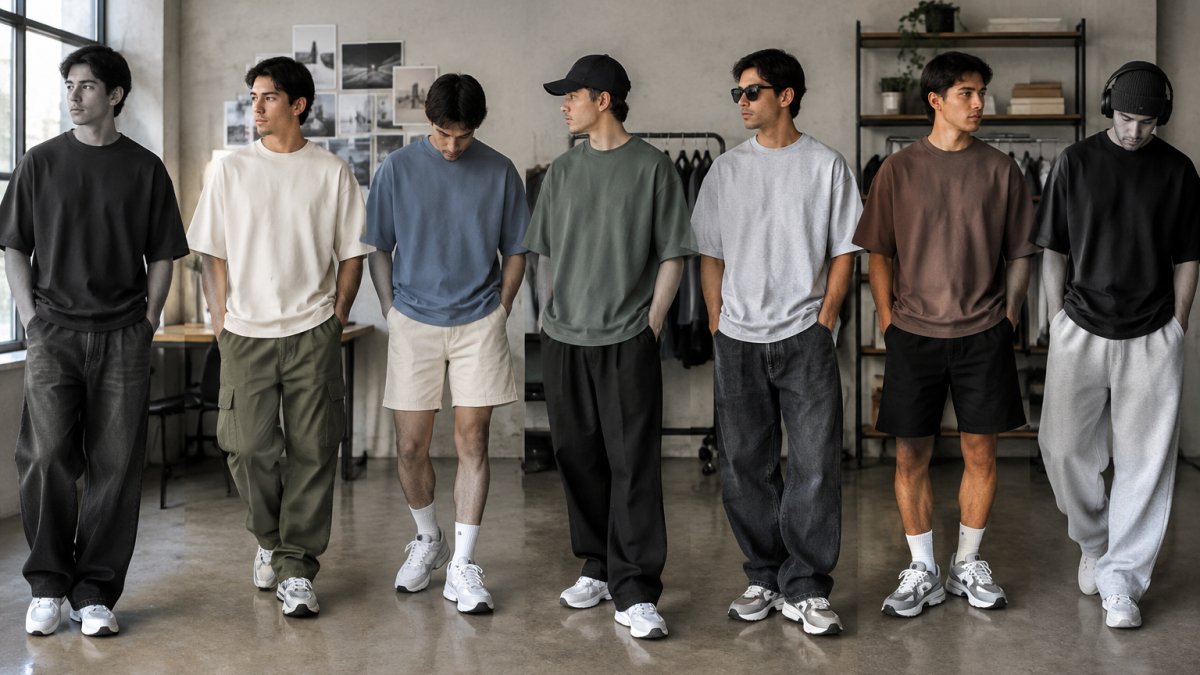
The question of whether is oversized clothing still in style has a clear answer: yes, absolutely in 2026. The relaxed silhouette has moved beyond a passing trend to become a cornerstone of modern streetwear and everyday fashion, evolving from a niche aesthetic into the dominant way people dress across age groups and style preferences.
The appeal is simple: oversized clothing offers comfort without sacrificing visual impact. A well-fitted oversized shirt commands attention through bold graphics and quality construction rather than tight tailoring, reflecting a broader cultural move toward self-expression and ease of movement.
Oversized fashion works because it's inclusive. The relaxed fit accommodates different body types while maintaining a confident, intentional silhouette, giving it staying power that trends tied to a single demographic lack.
The key to wearing oversized pieces successfully isn't complexity. It's understanding proportion, choosing quality fabrics, and pairing pieces strategically. That's what we'll cover below.
How Oversized Fashion Has Evolved Since the Early 2020s
Oversized fashion didn't emerge in 2026. The silhouette has roots in 1990s hip-hop culture, 2000s skate fashion, and Japanese streetwear movements. What's changed is how mainstream and refined it's become.
In the early 2020s, the question of whether is oversized clothing still in style remained uncertain, as the silhouette was still fighting for legitimacy.
By 2024-2025, that gap closed. Oversized fashion became accessible and aspirational at once: luxury brands leaned into relaxed silhouettes while everyday retailers offered quality oversized basics, reflecting a cultural reset around what "put-together" means.
Today, oversized clothing is refined and intentional. A heavyweight oversized tee isn't a default; it's a choice that signals taste and confidence, backed by better construction, more durable fabrics, and graphics that hold up to repeated wear.
The trend isn't cyclical anymore. It's structural: fashion has moved from tight-fitting as the default to proportional dressing as the norm, and oversized pieces are a central tool in that toolkit.
How to Style Oversized Clothes Without Looking Shapeless
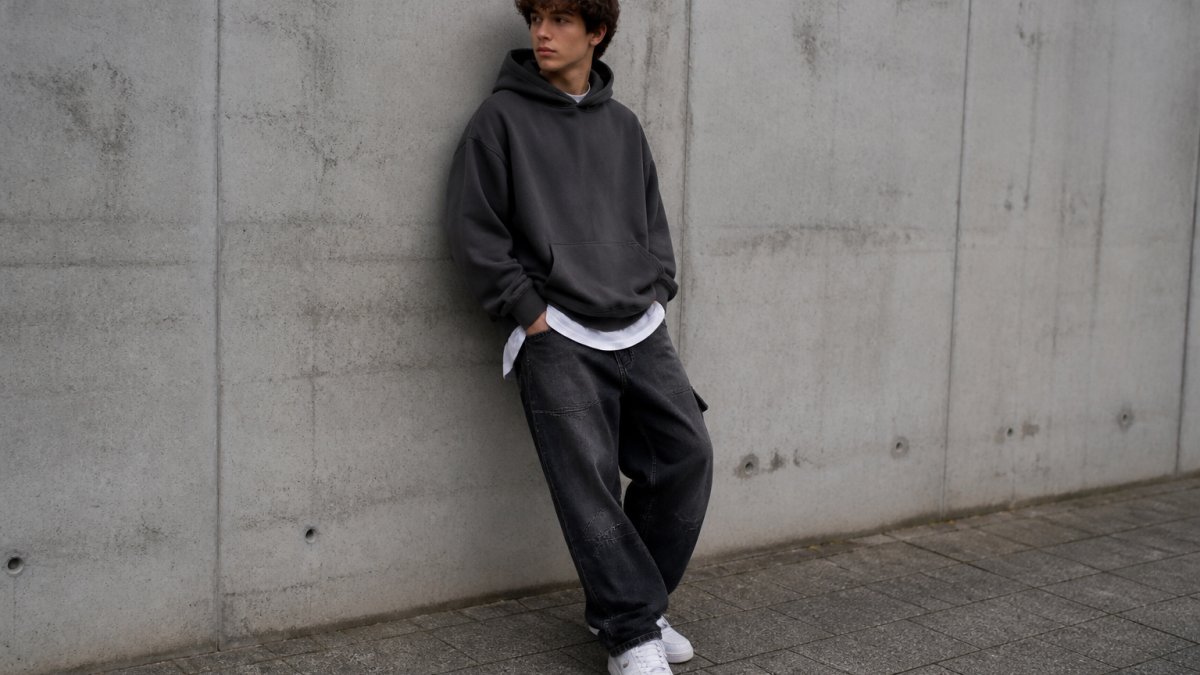
The biggest mistake people make with oversized clothing is pairing it with other oversized pieces. A huge shirt plus loose pants plus chunky shoes reads as unintentional, not confident.
The rule is simple: balance volume with fitted pieces. An oversized tee works best with slim or tapered bottoms. Fitted jeans, tailored trousers, or even leggings create definition at the bottom half.
Layering matters too. An oversized shirt over a fitted long-sleeve creates visual interest, and a structured jacket worn open over an oversized tee adds definition at the shoulders.
Length is critical. An oversized shirt that hits mid-hip works better than one that extends to your knees. Read how to style oversized heavyweight shirts for a deeper guide on fit, fabric, and proportions.
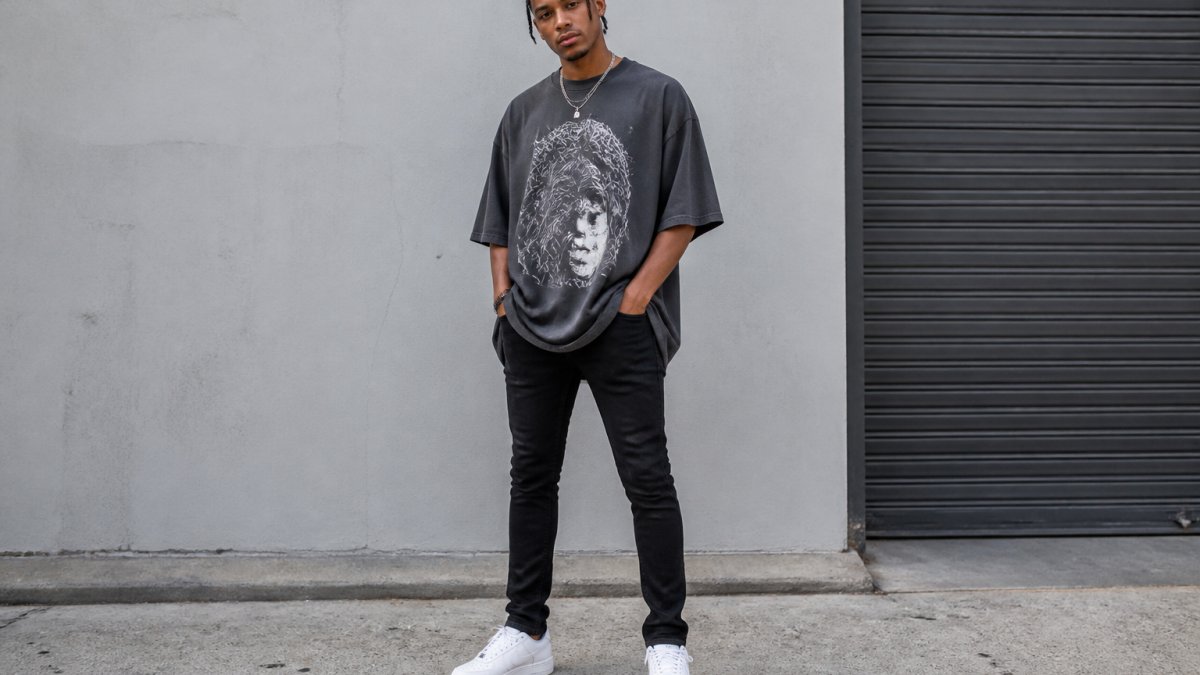
Consider your silhouette when choosing oversized pieces.
Accessories anchor the look.
Oversized T-Shirt Outfit Ideas for Every Season and Occasion
Oversized tees work across seasons and contexts when you build the outfit intentionally.
Spring and Summer: Pair an oversized graphic tee with fitted white or black shorts and clean sneakers or minimal sandals. A lightweight overshirt or linen jacket adds dimension without bulk. This works for casual outings, coffee runs, or weekend errands.
Fall and Winter: Layer an oversized tee under a fitted sweater or structured cardigan, then add tapered jeans and ankle boots or clean sneakers. A wool coat worn open over the whole outfit adds structure.
Casual Office or Creative Workspace: An oversized tee tucked into high-waisted trousers creates a polished silhouette. Add a fitted blazer and clean sneakers or loafers; the tuck defines your waist while keeping the relaxed vibe.
Evening or Social Occasions: Pair a quality graphic tee with tailored trousers or a fitted midi skirt, then add a structured jacket and minimal jewelry.
The common thread across all these combinations is contrast: oversized pieces pair with fitted bottoms, and relaxed silhouettes mix with structured layers.
How to Wear an Oversized Shirt With Fitted Pieces to Balance Proportions
Most styling advice stops at "pair oversized with fitted." The harder question is how to choose an oversized shirt that actually looks intentional rather than like you bought the wrong size.
Created Different Graphic T-Shirt →
Shoulder. A deliberately oversized shirt has a slight drop shoulder, meaning the seam sits just off the natural shoulder point rather than halfway down your arm.
Sleeve. Sleeves should end between mid-bicep and just above the elbow; sleeves that swallow your hands push the shirt from relaxed into sloppy.
Hem. The hem is where most oversized outfits fail. A tee that hits at mid-hip keeps your proportions readable, while one that reaches mid-thigh shortens your visible leg line.
The size-up trap. Buying your regular size in a bigger number is not the same as buying an intentionally oversized cut.
Fabric weight changes everything. A lightweight oversized shirt collapses and clings, which exposes the body underneath and defeats the purpose.
Putting it together. Start with an intentionally oversized top that fits correctly at the shoulder and hem, and pair it with bottoms that have a defined shape.
How to Balance Oversized Proportions Across Your Entire Outfit
Building a balanced outfit with oversized pieces requires thinking about your entire silhouette, not just one garment. Start by identifying one oversized element as your focal point, an oversized tee, shirt, or pants, and keep everything else fitted or normally sized.
If your oversized piece is on top, keep your bottom fitted. Slim jeans, tapered trousers, fitted leggings, or a pencil skirt all work. The fitted bottom grounds the look and prevents it from feeling uncontrolled.
If your oversized piece is on bottom (oversized joggers or relaxed trousers), keep your top fitted or cropped, a fitted tee, cropped sweater, or fitted jacket balances volume below.
Outerwear adds another layer of proportion management. A fitted jacket worn open over an oversized tee creates structure at the shoulders. A structured coat with a defined waist adds shape to the silhouette. Oversized outerwear works only if everything underneath is fitted.
Vertical lines help too. Learn how to wear oversized streetwear comfortably for practical strategies on balancing volume across your entire outfit.
Color and contrast matter for proportion too.
Building Your Oversized Wardrobe With Heavyweight Basics
Before buying anything new, audit what you already own. Most people already have pieces that work with an oversized silhouette, they just haven't paired them correctly.
What to keep. Fitted bottoms with a defined shape: straight-leg or tapered jeans, tailored trousers, pencil skirts, leggings. These are the contrast pieces that make oversized tops work. Keep fitted long-sleeves and lightweight knits for layering.
What to update. Regular-fit tees that have stretched at the collar or lost their shape are worth replacing with intentionally oversized cuts.
What to avoid. Oversized everything at once. Buying an oversized top, oversized bottoms, and chunky shoes in the same shopping trip usually produces outfits that read as shapeless.
Build in this order.
- One or two heavyweight oversized tees in neutrals. Black, white, and gray pair with nearly everything. Look for a fabric weight that holds its shape, our tees use 7.5 oz / 245-255 GSM cotton with a slight drop shoulder and a stretch-proof collar, so the neckline doesn't sag after repeated wear. Use how to build a streetwear wardrobe as a complete guide to constructing a collection that works together.
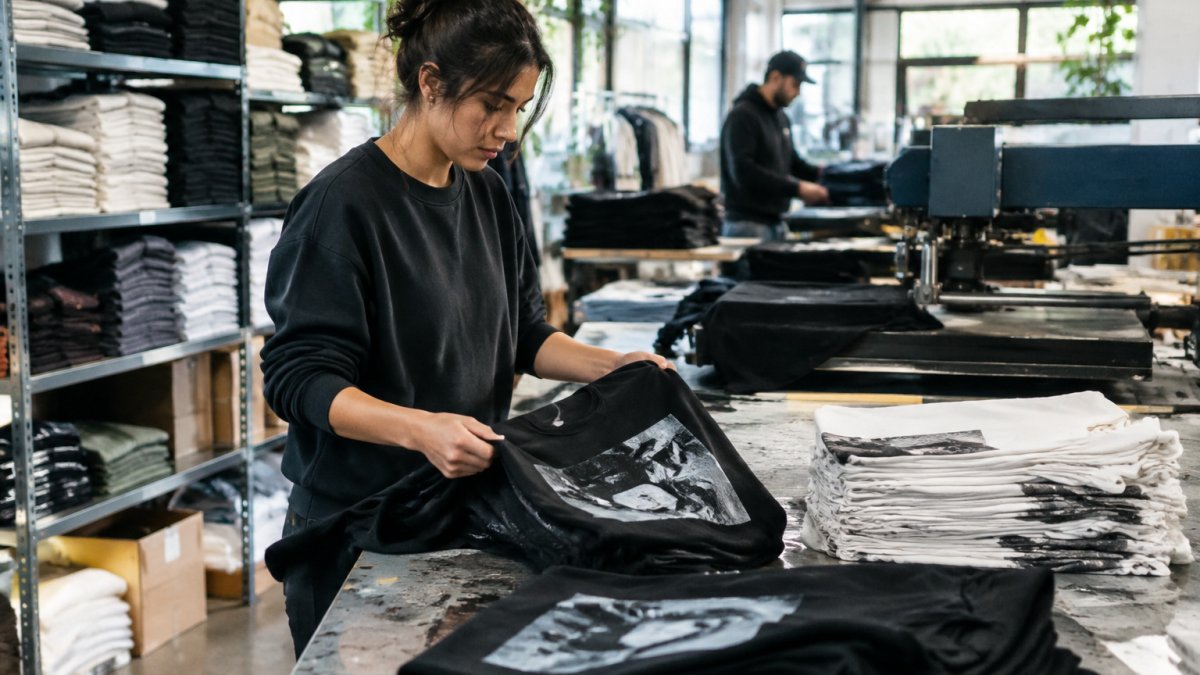
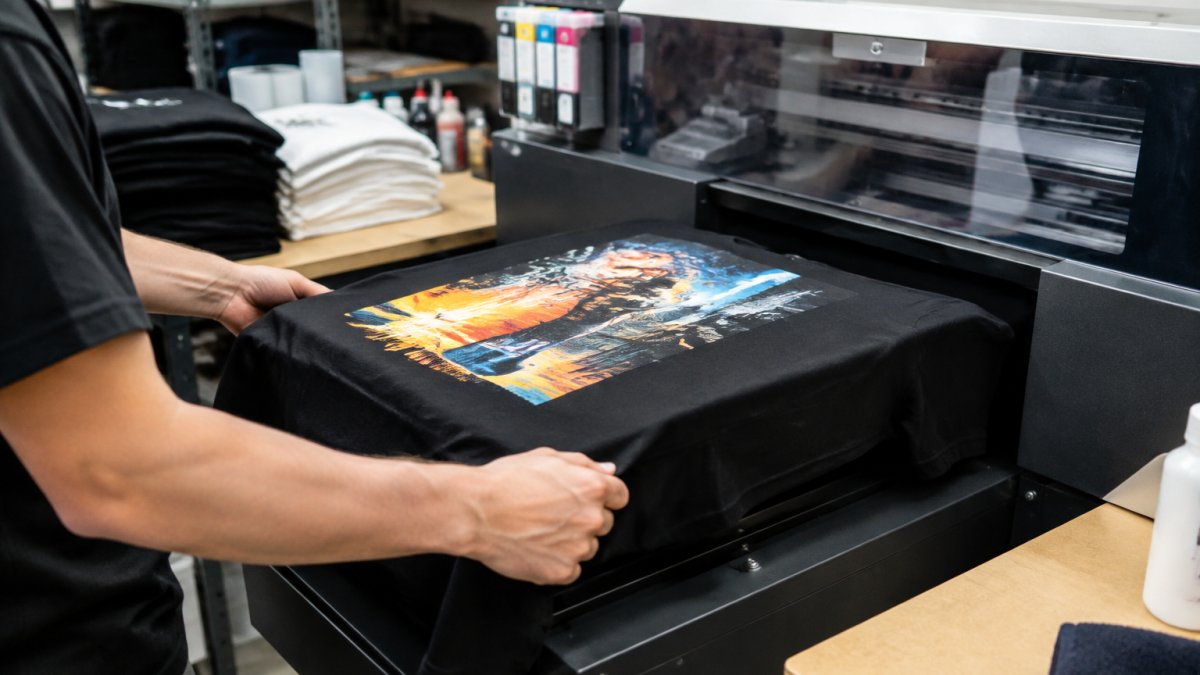
- One statement graphic tee. This is where original artwork earns its place. A graphic you'll wear for years beats five trend-driven prints. Our graphics are printed with DTG (direct-to-garment). Shop a created different graphic t-shirt as a concrete example of an oversized graphic tee.
- Fitted basics to anchor the oversized pieces. Dark straight-leg or tapered jeans, neutral trousers, fitted long-sleeves. These are the backbone of every balanced outfit.
- One or two structured layers. A fitted blazer, a denim jacket, or a cardigan. These define your silhouette and extend oversized tees across seasons.
Fabric and care trade-offs. Heavier cotton holds shape and resists the cling that ruins oversized silhouettes, but it also feels warmer and takes longer to air-dry.

| Element | Purpose | Fit Type | Notes |
|---|---|---|---|
| Foundation tee | Everyday wear, layering base | Intentionally oversized | Neutrals; check shoulder seam and hem length |
| Statement graphic tee | Self-expression | Intentionally oversized | Original artwork; DTG print |
| Fitted jeans | Bottom proportion balance | Slim, straight, or tapered | Defined shape is the point |
| Fitted long-sleeve | Layering, warmth | Fitted | Works under oversized tees |
| Structured jacket | Silhouette definition | Fitted or tailored | Adds shoulder line |
Building a wardrobe this way means fewer purchases that work harder. Quality oversized basics pair with fitted pieces you already own, which is both practical and easier on your budget than replacing a full closet each season.
Frequently Asked Questions
Is oversized clothing still in style in 2026?
Yes. Oversized clothing remains a core trend in 2026, but the way people wear it has matured. The focus has shifted from simply oversizing everything to creating intentional, balanced proportions. Oversized T-shirts and relaxed-fit pieces are now styled with fitted bottoms, layering, and structured accessories to create a modern silhouette. This evolution reflects how oversized fashion has become less about shock value and more about comfort, self-expression, and confident personal style.
How do you style oversized clothes without looking shapeless?
Balance is the key. Pair an oversized top with fitted or tapered bottoms, slim jeans, tailored trousers, or fitted leggings. Add structure through layering: wear an oversized shirt over a fitted base layer or under a structured jacket. Use accessories like belts to define your waist, and choose shoes with presence, such as chunky trainers or boots. Tuck the front or sides of an oversized shirt to create shape. The goal is contrast: if your top is loose, keep your bottom half fitted, and vice versa.
What's the difference between oversized fashion and looking sloppy?
Intentionality separates the two. Oversized fashion is deliberate: the garment fits loosely but is well-constructed, clean, and styled with purpose. A sloppy look often comes from poor fit, low-quality fabric, or mismatched proportions. Heavyweight oversized pieces with quality construction hold their shape better and look intentional. Styling also matters, pairing oversized pieces with fitted items, grooming, and cohesive accessories signals confidence and control, not carelessness.
How do I know if an oversized T-shirt is good quality?
Look for heavyweight fabric (around 7.5 oz or 245-255 GSM), reinforced construction like double-needle stitching and shoulder-to-shoulder neck tape, and a relaxed fit with a slight drop shoulder that still holds its shape. Quality oversized tees use premium cotton or cotton-blend materials and maintain their structure after washing. The graphic should be crisp and durable. Avoid thin, floppy oversized tees that lose shape quickly; they won't look intentional or feel as comfortable over time.
Should I size up when buying an oversized T-shirt?
Not necessarily. True oversized T-shirts are already cut with relaxed proportions and a drop shoulder, so sizing up isn't always needed. Many oversized pieces fit well at your true size or one size up, depending on how roomy you want the fit. Check the brand's fit guide and sizing details before ordering. Oversized doesn't mean baggy; it means a deliberate, comfortable fit that still has structure and can be styled intentionally with fitted pieces.