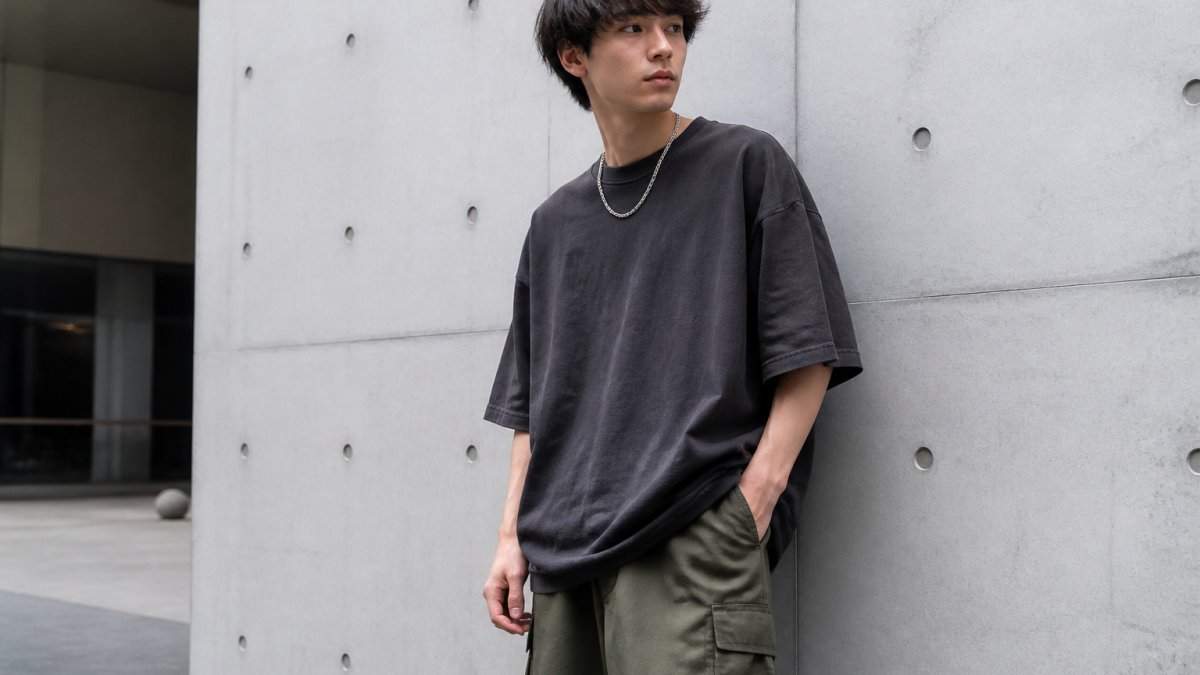
 ultimate-guide
How to Style Oversized Heavyweight Shirts: A 2026 Guide
Table of Contents
- Understanding Oversized Heavyweight Shirt Fit and Structure
- How to Layer Oversized Shirts for Maximum Impact
- Balancing Proportions: The Front-Tuck and Silhouette Control
- Heavyweight Cotton T-Shirt Outfit Ideas for Streetwear
- How to Care for 7.5 oz Heavyweight Cotton
- Color Theory and Palette Coordination for Impact
- Conclusion: Building Your Oversized Heavyweight Wardrobe
- Frequently Asked Questions
Last Updated: October 3, 2026
Understanding Oversized Heavyweight Shirt Fit and Structure
How to style oversized heavyweight shirts starts with understanding what you're working with. The silhouette, fabric weight, and construction details determine how the garment drapes on your body and what styling options actually work.
At AW3SOME CLOTHES INC, we build our tees from 7.5 oz (245-255 GSM) heavyweight USA cotton with a relaxed fit and slight drop shoulder. That specific weight and cut create a foundation that holds its shape through layering and styling, unlike lighter tees that collapse under additional pieces.

What Makes a Shirt 'Heavyweight': Fabric Density and GSM
Fabric weight, measured in GSM (grams per square meter), directly affects how a garment feels and moves.
This density matters for styling because heavier fabric drapes differently than lightweight cotton. It holds its shape when you layer, resists wrinkles from movement, and provides a smooth surface for printed graphics.
GSM itself isn't a universal quality marker. A higher number doesn't automatically mean "better", it means denser. Some streetwear pieces use 280+ GSM; others sit at 150 GSM.
How Oversized Silhouettes Work: Drop Shoulders and Relaxed Proportions
An oversized silhouette isn't just "a bigger size." It's a deliberate cut with specific proportions: relaxed fit through the chest and torso, a slight drop at the shoulder seam, and enough length to hit mid-hip or slightly lower.
The drop shoulder, where the seam sits lower on your arm than a standard fit, creates visual width and a laid-back aesthetic. Combined with a relaxed body, this cut works for multiple body types because it doesn't cling.
When you understand this structure, styling becomes strategic. You're not fighting the fit; you're working with it through layering, tucking, and proportion balance.
How to Layer Oversized Shirts for Maximum Impact
Layering transforms an oversized shirt from a standalone piece into a versatile foundation. The heavyweight fabric and relaxed fit create a perfect base for building depth and visual interest without looking bulky.
Layering Underneath: Long Sleeves and Fitted Base Layers
Wearing a fitted long-sleeve underneath an oversized tee creates immediate contrast and proportion control.
This approach works because fitted pieces underneath anchor the oversized silhouette. Your eye reads the slim sleeves first, then registers the volume of the shirt, creating a sense of intentional styling rather than shapelessness.
The contrast principle applies across textures too. A smooth, fitted base layer under a textured or printed heavyweight tee emphasizes both pieces. The structure of the long-sleeve prevents the oversized shirt from overwhelming your frame.
Layering Over: Jackets, Flannel, and Outerwear Balance
Throwing outerwear over an oversized heavyweight shirt requires attention to proportions. A fitted denim jacket or moto jacket works because it cinches at the waist, creating definition that the oversized shirt alone doesn't provide. The jacket's structure counterbalances the shirt's volume.
Flannel shirts layered over (unbuttoned or half-buttoned) add texture and visual weight without constricting your silhouette. Oversized flannels over oversized tees risks looking formless, so pair an oversized tee with a more fitted or standard-fit flannel for clarity.
Heavier outerwear like bombers or utility jackets also grounds an oversized shirt by adding weight to the top half of your outfit.
Balancing Proportions: The Front-Tuck and Silhouette Control
The front-tuck is the single most effective styling hack for oversized heavyweight shirts. Instead of letting the shirt hang straight, you tuck the front portion into your pants or shorts, creating definition at the waist while keeping the back relaxed and longer.
Front-Tuck vs. Full-Tuck: When and How to Use Each
A front-tuck works by folding the front center of the shirt into your waistband, leaving the sides and back untucked.
The front-tuck pairs perfectly with baggy cargo pants or loose-fit jeans because it prevents the outfit from becoming entirely shapeless. Your eye has a focal point, the tucked waist, that organizes the proportions.
A full-tuck (tucking the entire shirt in) works only with tailored or slim-fit bottoms. This approach is better suited to smart-casual or elevated styling.
The half-tuck (tucking one side only) is a middle ground, though it reads more fashion-forward and less universally wearable than the clean front-tuck.
Pairing with Slim-Fit Trousers and Tapered Bottoms
When you pair an oversized heavyweight shirt with slim or tapered trousers, you're creating deliberate contrast in proportions.
This pairing works especially well when you tuck the shirt, either front-tuck or full-tuck. The tailored bottom half grounds the relaxed top, making the oversized silhouette feel like a styling choice rather than a fit issue.
Tapered jeans or chinos work similarly. The taper at the ankle creates a visual line that counterbalances the shirt's width. This is the formula for elevated casual: oversized graphic tee, tapered or slim bottoms, and intentional accessories.
Heavyweight Cotton T-Shirt Outfit Ideas for Streetwear
Styling an oversized heavyweight tee depends on your context and the visual weight you want to create. Here are three distinct approaches that work across different occasions.
Urban Casual: Baggy Cargo Pants and Chunky Sneakers
This is the quintessential streetwear formula: oversized shirt, relaxed bottoms, and substantial footwear. Baggy cargo pants match the oversized silhouette of the shirt, but the pairing works because of proportion intentionality and texture contrast.
The heavyweight fabric of the shirt prevents the outfit from looking sloppy.
Graphic T‑Shirt — Dark Samurai Illustration Back Print →
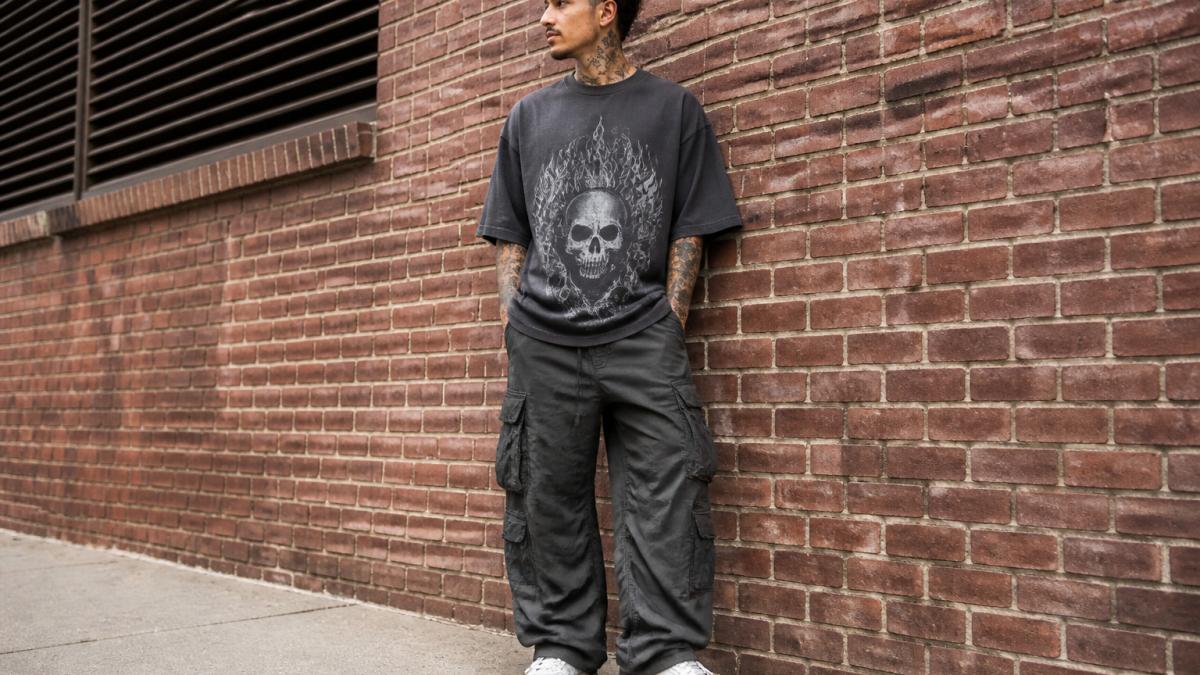
Accessories matter here. A simple chain, a structured bag, or a beanie adds definition without competing with the shirt's graphic.
Elevated Casual: Slim Jeans, Minimal Accessories, and Boots
Swap the cargo pants for slim or tapered jeans and you shift the energy immediately. Slim jeans create definition that grounds the oversized shirt.
This outfit works because the proportions are intentional. The fitted jeans make clear that the oversized shirt is a styling choice, not a fit accident.
The heavyweight fabric of the shirt ensures it reads as a premium piece, not just an oversized basic. The construction details, the reinforced collar, the clean print, become visible when the rest of the outfit is pared back.
Dressing Up: Smart-Casual Integration with Blazers
An oversized heavyweight graphic tee under a fitted blazer creates unexpected contrast that reads as intentional and modern. The blazer provides structure and formality; the oversized tee adds personality and breaks convention.
This works best with a front-tuck to create waist definition. The blazer's fitted lines counterbalance the shirt's relaxed proportions. Choose a blazer in a neutral tone (charcoal, navy, black, or camel) so the shirt's graphic remains the visual focus.
Smart-casual doesn't require the shirt to be hidden, it's the unexpected combination that makes the outfit work. Tapered trousers and loafers or clean sneakers complete the look.
How to Care for 7.5 oz Heavyweight Cotton
Heavyweight cotton requires intentional care to maintain both the fabric and the print quality over time. The weight and density that make these shirts durable also mean they need specific washing and drying practices.
Cold Water Washing and Avoiding Heat Damage
Cold water (max 30°C or 90°F) is non-negotiable for heavyweight cotton with printed graphics. Heat sets dyes and can cause inks to crack or fade.
Turn the shirt inside out before washing to protect the print from friction. This simple step extends graphic longevity significantly. Use non-chlorine bleach only if needed; most heavyweight cotton doesn't require bleaching to stay bright.
Never tumble dry on heat. Air drying preserves both the fabric structure and the print. Hang-drying is ideal, though laying flat works too.
The heavyweight construction makes the garment durable, but heat and harsh chemicals are what wear it down.
Color Theory and Palette Coordination for Impact
Color choice affects how an oversized heavyweight shirt reads in an outfit. Bold graphics demand thoughtful pairing to avoid visual chaos.
A dark graphic on a light base (like a black print on white cotton) creates high contrast and reads boldly.
Light graphics on dark bases (like a white or grey print on charcoal) create subtler impact.
Heather grey and charcoal blends (which include polyester for texture) offer middle-ground versatility. They work with nearly any bottom color because they're inherently neutral.
Consider the overall palette: if your graphic is dark and moody, pair with darker bottoms or neutral earth tones.
Conclusion: Building Your Oversized Heavyweight Wardrobe
Styling oversized heavyweight shirts is about understanding proportions, layering strategically, and choosing bottoms that create intentional contrast.
The pieces you choose from AW3SOME CLOTHES INC bring original graphics and premium construction to this foundation. Whether you're building streetwear looks with cargo and chunky sneakers, elevated casual with slim jeans and boots, or smart-casual with a blazer, the quality of the garment itself sets the tone.

Frequently Asked Questions
What's the difference between a 7.5 oz heavyweight shirt and standard cotton tees?
Heavyweight cotton at 7.5 oz (245-255 GSM) feels denser and more substantial than standard tees, which typically weigh 4-5 oz. The extra fabric weight means better structure, sharper print detail, and improved durability through repeated washing. Heavyweight shirts hold their shape longer and resist pilling, making them ideal for graphic-heavy designs where you want artwork to stay crisp.
How do you balance proportions when wearing an oversized shirt?
Pair oversized tops with fitted or tapered bottoms to create visual contrast. A front-tuck works well with wide-leg or baggy pants, while leaving the shirt untucked pairs better with slim trousers or fitted jeans. Layering underneath with a long-sleeve fitted base layer also adds definition. The key is creating a visual anchor at your waist or hips so the outfit doesn't feel shapeless.
Can you tuck in an oversized heavyweight shirt?
Yes. A front-tuck (tucking only the front portion) works best for oversized shirts, as it defines your waist without bunching fabric at the sides. This method suits relaxed fits and slightly dropped shoulders. A full tuck can work if your shirt has a truly boxy cut, but test the proportions first, you want the tuck to look intentional, not like the shirt is too large.
What's the best way to care for heavyweight cotton to keep it looking new?
Wash in cold water (no hotter than 90°F) and skip the dryer, air dry instead. Avoid bleach and never iron or dry clean, as heat damages both the fabric and any DTG-printed graphics. Turn the shirt inside out before washing to protect prints. Heavyweight cotton at 7.5 oz is durable, but cold water and air drying preserve color vibrancy and keep the fabric from weakening over time.
How should a high-quality heavyweight tee fit on the shoulders?
A premium heavyweight tee should have a slight drop shoulder, the seam sits slightly past your natural shoulder point, creating a relaxed, comfortable fit. The shoulder-to-shoulder seam should be reinforced with quality neck tape, and the collar should feel stable and stretch-resistant. This construction prevents sagging and keeps the shirt looking structured even after multiple washes, which is a hallmark of 7.5 oz heavyweight construction.
What footwear works best with oversized heavyweight shirts?
Chunky sneakers pair well with baggy or cargo pants for a streetwear aesthetic, while slim sneakers or minimalist shoes suit fitted bottoms. Boots, whether combat, Chelsea, or work-style, add weight and formality to an oversized silhouette and work for both casual and smart-casual looks. The goal is balancing the visual weight of the oversized top with footwear that either echoes that heaviness or provides clean, minimal contrast.
How do I know if an oversized shirt is too big?
If the shirt extends past your hip bone, the sleeves reach past your wrist, or the collar gaps noticeably when you move, it's likely too large. Oversized should feel intentional and comfortable, not sloppy. A proper oversized fit drapes cleanly, the sleeve hem hits near your wrist, and the overall silhouette still has some shape. Size down if the shirt feels like it's wearing you rather than the other way around.
Styling oversized heavyweight shirts effectively transforms how these pieces work in your everyday rotation. AW3SOME CLOTHES INC's heavyweight tees are built with 7.5 oz USA cotton, reinforced construction, and original graphics designed to be the focal point of your outfit. Explore the latest drops and find pieces that match your aesthetic, from dark, moody graphics to bold, statement designs that never get reprinted. SHOP THE LATEST DROP →