 Ultimate guide
Why Collectors Value Exclusive Apparel Drops
Quick Summary
Collectors value exclusive apparel drops because of originality, limited quantities and the sense of owning something most people did not get. A piece from a drop that will never be reprinted gives the wearer a design a restock cannot. Perceived value and intrinsic value are separate, so buyers should weigh them separately.
- Originality matters most: each design is built to stand alone, not as a variation of a previous release.
- A real, stated production run is a genuine constraint, unlike a countdown timer with no actual limit.
- Completed resale sales are more meaningful evidence than listed asking prices, which are not sales.
- Check tags, neck labels and print details, and keep receipts or order confirmations to document provenance.
- Set a budget and maximum price per drop before release so the countdown does not drive your decision.
Table of Contents
- What Makes an Apparel Drop Collectible
- The Scarcity Principle in Streetwear
- Perceived Value vs. Intrinsic Value: What You Are Really Paying For
- How Fabric Quality and Construction Shape Perceived Value
- Community, Identity and Brand Storytelling
- How to Collect Limited Edition Clothing Without Overpaying
- Booking Your Next Move: Choosing Which Drop to Buy Into
- Frequently Asked Questions
Why Collectors Value Exclusive Apparel Drops
Last Updated: November 17, 2026
Limited releases can look like a marketing gimmick from the outside. Inside a collector's wardrobe, though, a shirt from one of these exclusive apparel drops that will never be reprinted tells a different story. At AW3SOME CLOTHES INC, we design graphic tees around original artwork, and we see the same question come up again and again: why does a drop feel special enough to chase? The answer combines scarcity, design, material quality and the sense of belonging that comes with owning something most people did not get.
What Makes an Apparel Drop Collectible
A drop is a limited release of clothing, usually released on a fixed date with a fixed quantity. Collectibility comes from a few factors working together: the design is original, the run is small, and the piece is hard to get once it sells out.
Originality matters most. A graphic that exists only on one release gives the wearer something a restock cannot. We build each design to stand alone, so a shirt from one drop is not just a variation of the last one.
The Scarcity Principle in Streetwear
Scarcity works because people value things more when they are hard to get. In streetwear, a limited run makes the purchase feel like a decision that matters, and a sellout turns a shirt into something people talk about.
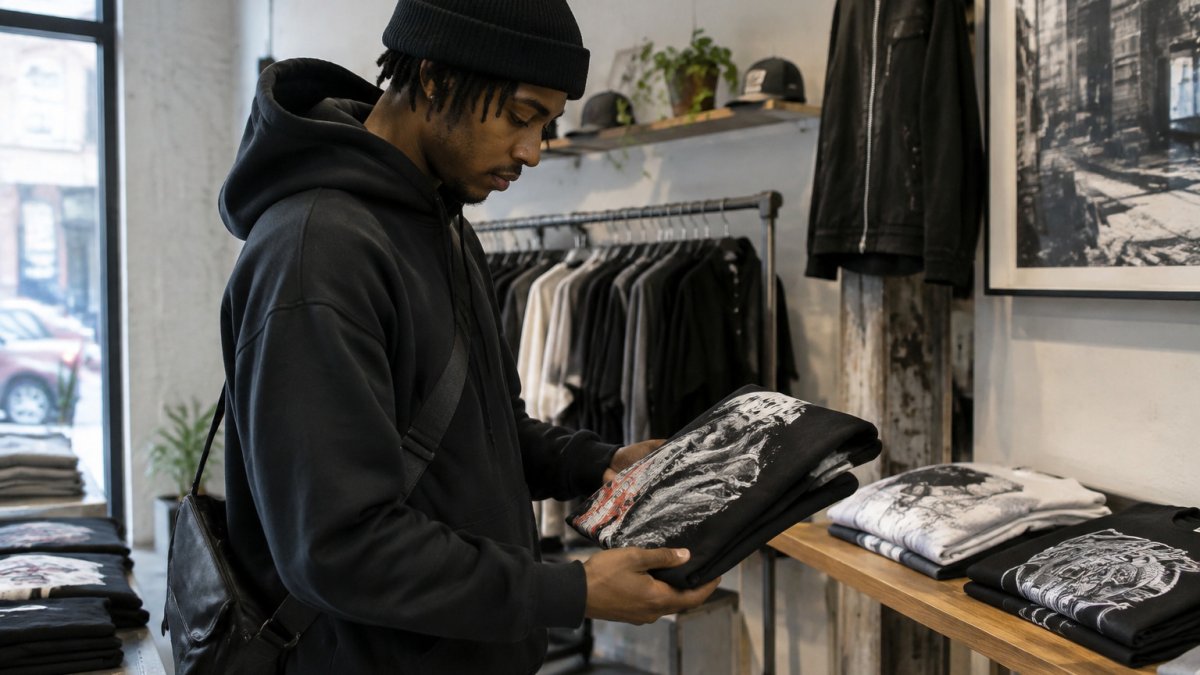
Scarcity is not the same as artificial hype, and the difference matters. A small run is a real constraint. A countdown timer with no real limit is not.
Watch out: a drop that sells out in minutes can leave buyers feeling shut out. Treat limited releases as a way to own something specific, not as a requirement to win every time.
Perceived Value vs. Intrinsic Value: What You Are Really Paying For
Perceived value is what a shirt seems worth to you because of its design, story, and scarcity. Intrinsic value is what the garment is made of and how well it is built. A drop can carry both, but they are separate, and a fair buyer weighs them separately.
Price reflects both. A tee that costs more than a basic shirt is paying for design work, limited production, and materials. Whether that premium is worth it depends on how much you value the original art and how much you will actually wear the piece.
Reading resale evidence without overtrusting it
Secondary-market listings are the most visible signal of perceived value, but they are easy to misread. A listed price is an asking price, not a sale. Completed sales, the prices buyers actually paid, are the more meaningful evidence, and even those move with the season, the platform, and the size.
A few habits help:
- Compare completed sales of the same design in the same size and condition, not a mix of sizes and states.
- Expect volatility. A design can sell high one month and sit unsold the next.
- Account for platform fees and shipping when you compare a sale price to what a seller actually receives.
- Treat liquidity as part of the picture. A piece that rarely trades is harder to value than one with a steady record of sales.
None of this guarantees future value. Resale prices are not a promise, and a design that trades well today can cool off. Use resale evidence to understand the market, not to predict it.
Authentication and provenance
Counterfeits exist in every collectible category, and apparel is no exception. Concrete checks help:
- Compare tags, neck labels, and print details against known examples of the same release.
- Ask for a receipt, order confirmation, or original packaging where available.
- Photograph and keep your own documentation when you buy, so ownership is easy to show later.
- Be skeptical of certificates that cannot be tied to a specific release or seller.
Provenance is strongest when it is specific: a dated receipt, a release confirmation, or a clear chain from the original buyer. Vague claims of authenticity carry little weight.
Condition, care, and storage
Condition is part of intrinsic value, and it changes over time. Washing, drying heat, sunlight, and storage all affect how a print and a garment age. For pieces you want to keep collectible, wash inside out on a cool setting, avoid high dryer heat, and store folded away from direct light.
Condition grading is a judgment call rather than a universal standard, but most collectors distinguish between unworn with tags, worn but clean, and visibly worn or altered. Being honest about which category a piece falls into protects both buyer and seller.
The ethics of scarcity
Manufactured scarcity can also encourage overconsumption and speculation. A useful test is whether a brand is clear about quantities and whether the limit is real. Collecting with a budget and buying pieces you will wear is the simplest way to keep the hobby from becoming a pile of unworn purchases.
The article separates two kinds of worth that a buyer should weigh on their own.
| Type of value | What it is | Example from the article |
|---|---|---|
| Perceived value | What the shirt seems worth due to design, story and scarcity | Original artwork and a small run |
| Intrinsic value | What the garment is made of and how well it is built | Fabric, construction and print quality |
| Price | Reflects both types of value | Pays for design, limited production and materials |
| Resale listing | An asking price, not a sale | Completed sales are more meaningful evidence |
How Fabric Quality and Construction Shape Perceived Value
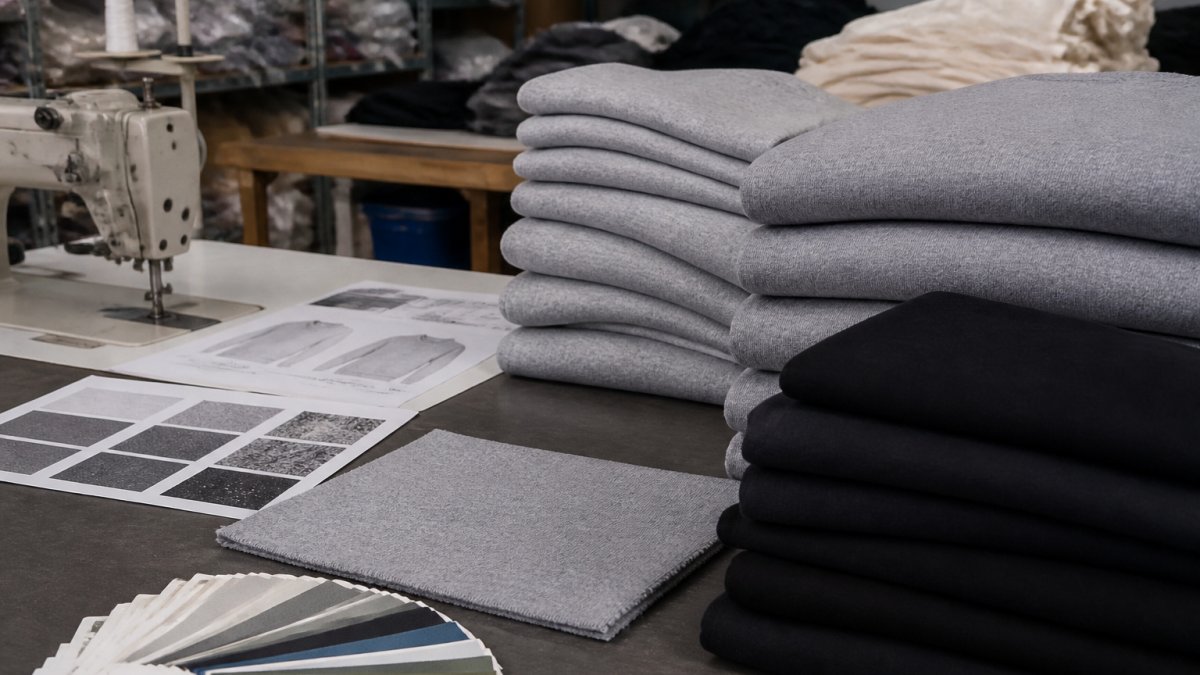
Fabric weight, usually measured in GSM (grams per square meter) or ounces per square yard, is one measurable part of how a shirt feels. Construction details such as neck taping, seam stitching and hem finish also affect how a tee holds up over time.
Our current AW3SOME tees use a 7.5 oz (245-255 GSM) heavyweight fabric with an oversized, relaxed fit, a slight drop shoulder, shoulder-to-shoulder neck tape, a double-needle stitched neck and double-needle sleeve and bottom hems. The graphics are printed using direct-to-garment (DTG) printing.
Community, Identity and Brand Storytelling
Collectors often say a drop is about belonging as much as the shirt itself. Wearing a design that few others own signals taste to people who know the reference, and it starts conversations with people who recognize it.
We put effort into explaining where each graphic comes from, because the story is part of what buyers are paying for. A shirt with a clear story feels more personal to wear than one that is just a logo.
How to Collect Limited Edition Clothing Without Overpaying
Collecting limited edition clothing works best with a plan, because the drop calendar is designed to compress your decision time. A practical approach separates three things: whether a piece has lasting collector value, how the release mechanics actually work, and how to avoid paying more than a design is worth to you.
A framework for judging lasting value
Scarcity alone is not proof of value. A small run of a weak design is still a weak design. Most experienced collectors weigh several factors together:
- Design: Is the artwork original and distinctive, or a variation of something already common? Original graphics tend to hold attention longer than trend-chasing ones.
- Provenance: Can you trace the piece to a specific release, artist, or collaboration? Documented origin is easier to value than an unattributed shirt.
- Production quantity: A stated, limited run is a real constraint. An unstated quantity with a countdown timer is not.
- Cultural significance: Did the drop connect to a moment, scene, or artist that people still reference? Relevance that fades in a season rarely supports long-term interest.
- Condition: A worn, faded, or altered piece sits in a different category than one kept clean and complete.
- Demand: Is there an active group of buyers who still want the piece after release week? Demand that persists is the clearest signal.
Treat these as a checklist, not a score. A piece can be strong on design and weak on provenance, and that trade-off is a judgment call only you can make for your own collection.
How drop mechanics work
Limited releases use a handful of common formats, and knowing them helps you prepare instead of panic-buying:
- Release calendars: Brands publish dates and times in advance. Add them to your own calendar and check time zones so you do not miss a window.
- Raffles and draws: You enter for a chance to buy rather than racing to checkout. Entering does not guarantee a pair or a shirt.
- Queues and virtual waiting rooms: You join a line online and wait for your turn. Multiple tabs and refreshes usually do not improve your position.
- Purchase limits: Many drops cap how many units one buyer can order. Respect the limit; orders above it are often canceled.
- Restocks: Some brands restock, some do not. Never assume a sold-out design will return, and never assume a restock means the original run lost value.
A common pattern is that the most sought-after pieces sell out during the release window, while slower designs remain available longer. That is useful information: if a design is still in stock weeks later, the market is telling you demand was moderate.
Avoiding overpaying and avoiding scams
Set a budget per drop before the release and decide your maximum in advance, so the countdown does not make the decision for you.
Be cautious with resale. Prices on secondary markets rise and fall, and a shirt is worth what someone will pay on a given day.
Most collectors also find that a few well-chosen pieces give more satisfaction than a large pile of shirts bought in a rush.
Booking Your Next Move: Choosing Which Drop to Buy Into
Start with the design you would reach for most. Our Midnight Racing Club Tee, Vintage Race Car Graphic (1998) suits anyone drawn to vintage motorsport graphics, and the Tokyo Street Racing T‑Shirt, Retro Japanese City Drift Graphic Tee suits fans of retro city-night imagery. Our Graphic Tee, Geometric Emblem Back Print with Minimal Front Logo is a quieter option for people who prefer sharp, geometric artwork, and the Soldiers Graphic Hoodie, Gothic Eagle & Skull Back Print is a heavier layer for cooler months.
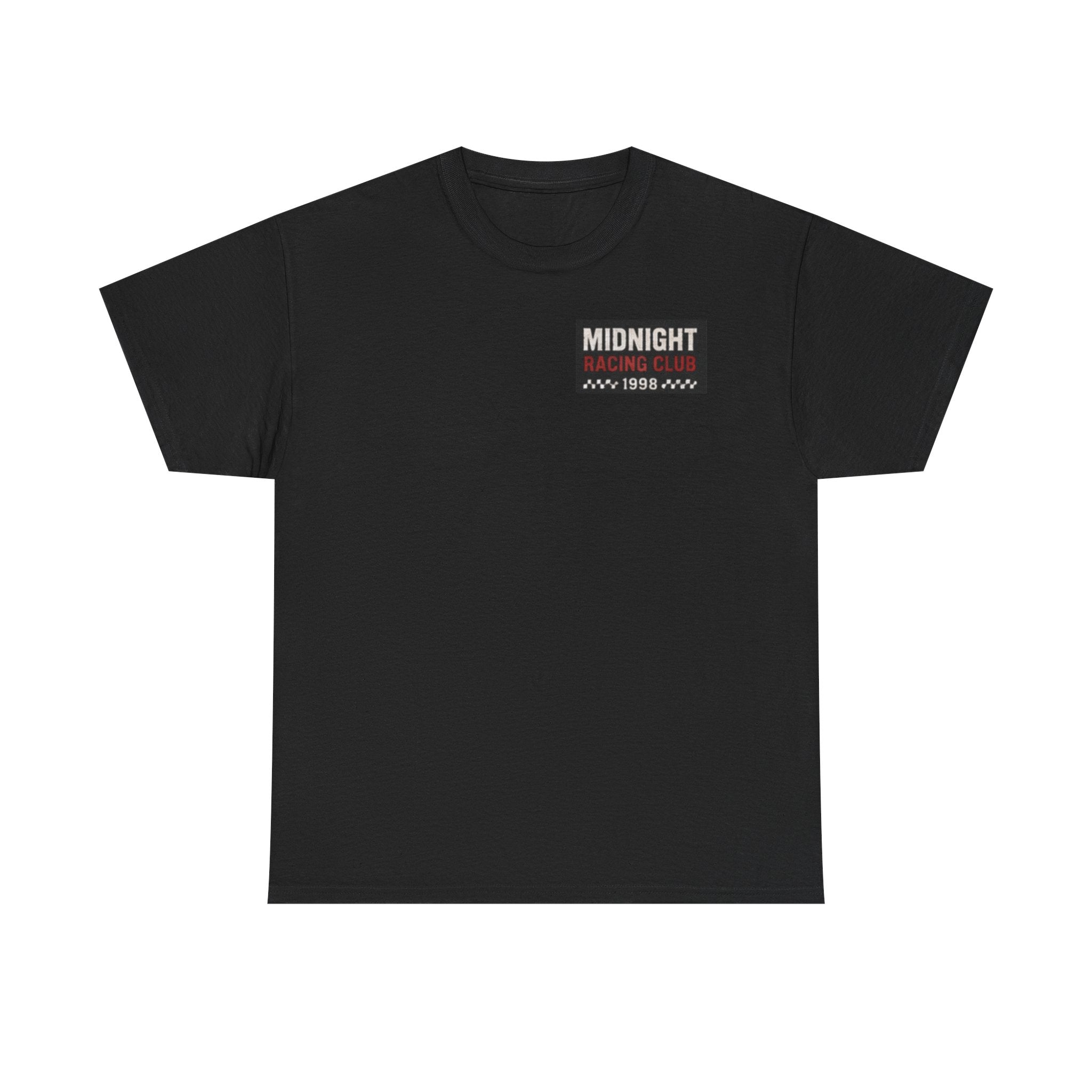
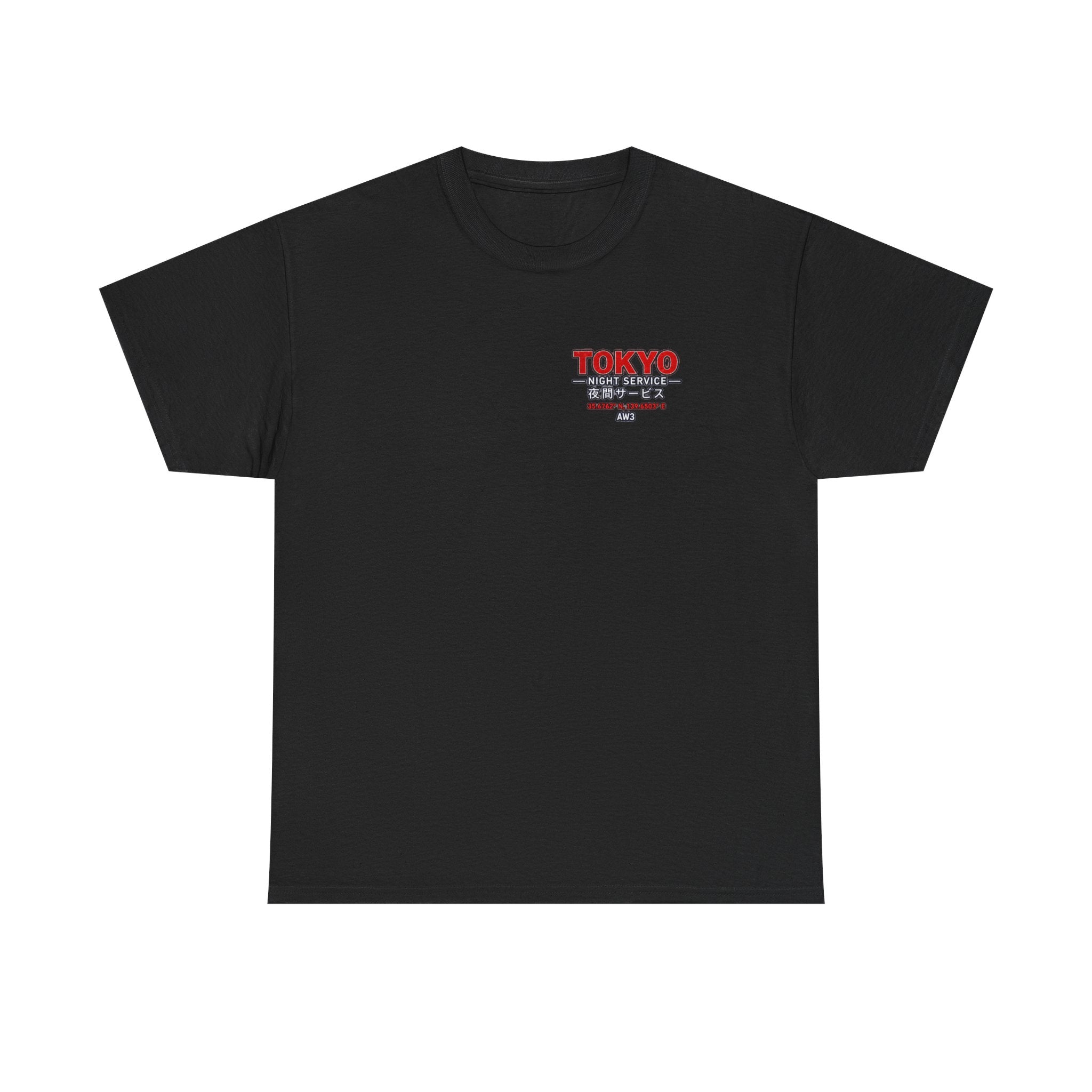
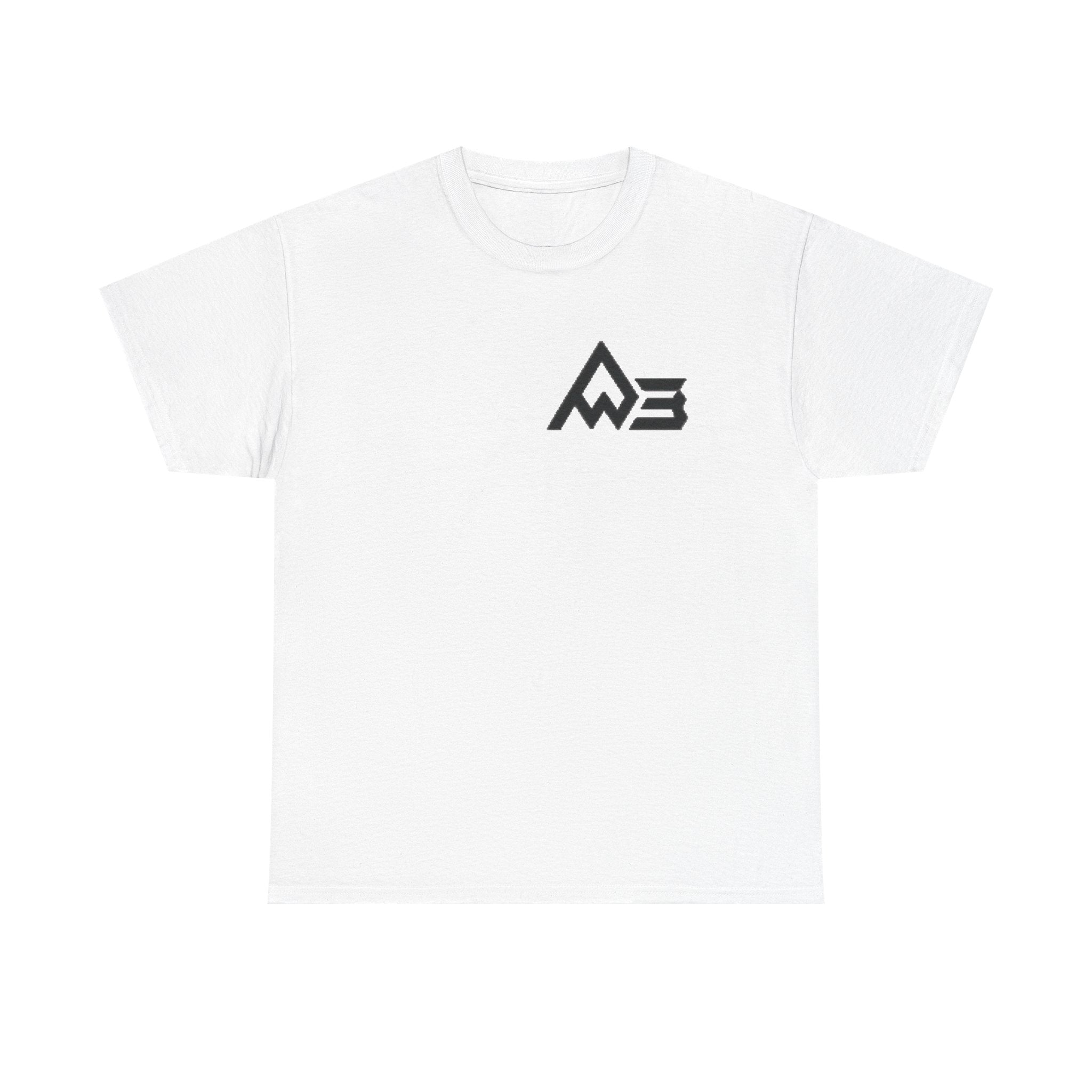
Choose the drop that fits how you will actually wear it, check the size guidance, and buy the design you would still want to wear after the hype fades. That is the collecting approach we would recommend.
Frequently Asked Questions
Are limited-edition clothes worth collecting?
They can be, but value depends on the design, the production run and whether the piece is genuinely tied to a specific release. A limited run only means something if the garment itself holds up in construction and wear. Before buying for collection, check whether the brand states clearly that a design will not be reprinted, look at how the product is made, and ask yourself whether you would still want it if no one ever resold it. Resale potential is never guaranteed, so buy for the piece you want to own.
Does original artwork make clothing more collectible?
Original artwork can make a piece more distinctive, which is a core reason collectors pay attention to it. A design that is not reprinted is harder to replicate, so it stands apart from the mass-market graphics that flood retail. That distinctiveness does not automatically create resale value, but it gives the garment a clear identity. Collectors often value a piece most when the art, the release context and the garment quality all point in the same direction.
How can you tell whether a streetwear drop is genuinely limited?
Look for specifics rather than slogans. A genuine limited drop usually names the design, the release window, and whether the design is planned to return. Check whether the brand says how often new designs appear and whether previous designs are reprinted. Be cautious of vague claims like 'almost gone' that cannot be verified. The safest approach is to compare the brand's stated policy with what you see on its site over several release cycles.