 Ultimate guide
What Makes a T-Shirt Feel Heavyweight?
Last Updated: October 24, 2026
Quick Summary
What makes a t-shirt feel heavyweight comes down to three interconnected factors: fabric weight measured in grams per square meter (GSM), the thickness and density of the yarn itself, and how the garment is constructed. These elements work together to create that unmistakable solid, grounded sensation that separates a premium heavyweight tee from lightweight alternatives.
- Heavyweight t-shirts start at 220 GSM and above, compared to 150-180 GSM for basic lightweight tees.
- 16-singles yarn creates noticeably more substantial fabric than thinner yarn constructions.
- Double-needle stitching, reinforced neck tape, and quarter-turned construction determine how a garment holds up over time.
- Heavyweight fabric is opaque and drapes intentionally away from the body rather than clinging to contours.
- Pure cotton offers the most natural feel while blends like 90/10 cotton-polyester provide better color stability.
Table of Contents
- What Makes a Heavyweight T-Shirt Feel Different
- T-Shirt GSM Explained: Understanding Fabric Weight
- What Does 6 oz Mean in a T-Shirt
- Yarn Construction: How Thicker Yarns Build Substance
- Heavyweight vs Lightweight T-Shirt: Key Differences
- How to Choose a Heavyweight T-Shirt That Feels Right
- Finding Your Ideal Heavyweight Tee
- Frequently Asked Questions
What Makes a Heavyweight T-Shirt Feel Different
When you pull on a heavyweight t-shirt, you notice it immediately. The fabric has substance, drapes with intention rather than clinging, and settles on your shoulders with a permanence a standard tee doesn't deliver.
What makes a t-shirt feel heavyweight comes down to three interconnected factors: fabric weight measured in grams per square meter (GSM), the thickness and density of the yarn itself, and how the garment is constructed. These elements work together to create that unmistakable solid, grounded sensation that separates a premium heavyweight tee from the lightweight alternatives most people wear daily.
At AW3SOME CLOTHES INC, we've built our entire collection around this principle. Every piece uses 7.5 oz fabric at 245-255 GSM, paired with 16-singles yarn and reinforced construction techniques that ensure the garment holds its shape and structure through repeated wear and washing. The difference isn't subtle, it's something you feel the moment you put it on.
Understanding what creates that heavyweight feel matters whether you're shopping for quality basics or graphic tees designed to last. Fabric weight, yarn construction, and garment engineering determine how a shirt feels initially and how it performs over time.
T-Shirt GSM Explained: Understanding Fabric Weight
GSM stands for grams per square meter, a standardized measurement of how much fabric weighs across a fixed area. It's the most reliable way to compare fabric density between different t-shirts, regardless of size or brand.
In practical terms, GSM tells you how tightly the fibers are packed together. A 150 GSM shirt has less material per square meter than a 245 GSM shirt, and that difference translates directly to how the fabric feels, thicker and more substantial.
Most basic t-shirts fall in the 150-180 GSM range. Heavyweight t-shirts, which is what makes a t-shirt feel heavyweight in the truest sense, start at 220 GSM and climb from there. Learn more about GSM standards and how they apply to heavyweight cotton selection
The relationship between GSM and durability isn't automatic, since construction quality matters enormously, but higher GSM generally means the fabric withstands more washing, stretching, and wear before showing breakdown.
GSM vs. Ounces Per Square Yard
You'll encounter both GSM and ounces per square yard (oz/yd²) when shopping for t-shirts. They measure the same thing: fabric weight per unit area. The conversion is straightforward: divide GSM by 33.906 to get ounces per square yard, or multiply ounces per square yard by 33.906 to get GSM.
A 7.5 oz/yd² shirt equals approximately 245-255 GSM. A 6 oz/yd² shirt is around 203 GSM. These numbers help you compare across brands that use different measurement systems.
GSM has become the global standard in textile manufacturing, but American retailers sometimes still reference ounces. Knowing both lets you shop confidently across domestic and international brands, since a 245 GSM tee feels the same whether you call it 7.5 oz or 245 GSM.
What Does 6 oz Mean in a T-Shirt
A 6 oz t-shirt weighs approximately 203 GSM, solidly in the midweight category. These shirts occupy the middle ground between lightweight basics and true heavyweights.
Six-ounce fabric provides noticeably more substance than a 150 GSM lightweight tee while staying breathable and flexible. It has enough body to hold its shape and resist some stretching and wear, and many people find 6 oz tees comfortable for everyday wear because they feel substantial without being restrictive or overly warm.
However, 6 oz falls short of what most consider true heavyweight territory. A 7.5 oz shirt (245-255 GSM) offers approximately 25% more fabric density, which creates a noticeably different hand feel and durability profile.
Moving from 6 oz to 7.5 oz represents a meaningful step up in substance and longevity, the gap between a shirt that feels solid and one that feels premium.
Yarn Construction: How Thicker Yarns Build Substance
The yarn itself, the individual strands of fiber twisted together, determines how much surface area gets packed into the finished fabric.
A 16-singles yarn is relatively thick and coarse. When these substantial strands are woven or knitted together densely, they create a fabric with real weight and structure.
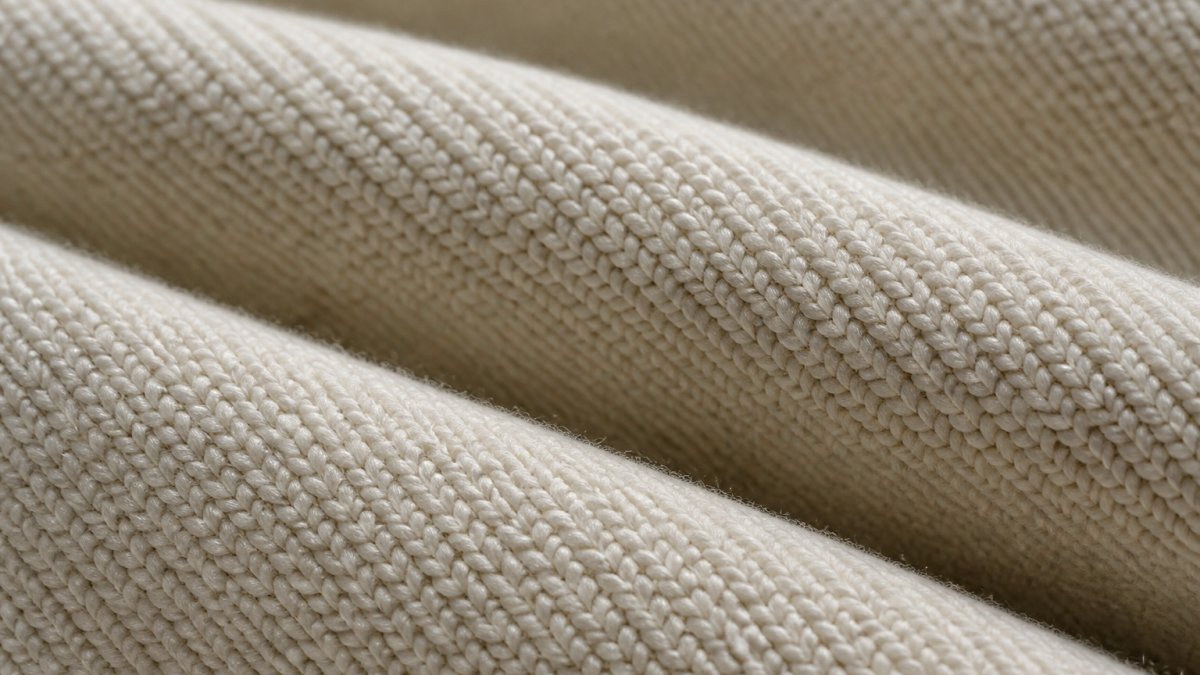
Thinner yarns (higher singles numbers) create more delicate, lightweight fabrics that feel airier against the skin, ideal for summer wear but without the same durability or premium feel as thicker yarn constructions.
The relationship between yarn thickness and what makes a t-shirt feel heavyweight is direct.
Yarn quality also matters.
Heavyweight vs Lightweight T-Shirt: Key Differences
The distinction between heavyweight and lightweight t-shirts extends beyond simple weight. These categories represent different approaches to garment design, each suited to different purposes.
Fabric density and opacity separate these categories most obviously. Lightweight shirts are translucent enough that you can see through them when held to light.
Drape and structure feel entirely different.
Durability and longevity favor heavyweight construction. The denser fabric resists pilling, stretching, and thinning over time. A lightweight shirt might show visible wear after 20 washes.
Breathability is one area where lightweight wins.
Print performance strongly favors heavyweight fabric. The dense surface provides better ink absorption, resulting in sharper, more vibrant graphics.
Understanding these differences helps you choose the right weight for your use case.
Heavyweight and lightweight t-shirts differ across several measurable dimensions that affect how they feel and perform.
| Characteristic | Heavyweight | Lightweight |
|---|---|---|
| Fabric density | Opaque, blocks light completely | Translucent, see-through to light |
| Drape and structure | Hangs away from body intentionally | Clings to body contours |
| Durability | Resists pilling, stretching, thinning | Shows visible wear after 20 washes |
| Breathability | Less air circulation | More air circulation |
| Print performance | Sharp, vibrant graphics with better absorption | Fades faster, may crack more easily |
| GSM range | 220+ GSM | 150-180 GSM |
How to Choose a Heavyweight T-Shirt That Feels Right
Selecting a heavyweight t-shirt that works for your body and preferences requires attention to several specific factors beyond just checking the GSM number.
Start with fabric composition. Standard colors in quality heavyweight tees use 100% cotton, which provides the best feel and durability.
Evaluate the yarn construction. 16-singles yarn creates a noticeably more substantial fabric than 20-singles or higher. Lower singles numbers mean thicker yarns and denser fabric. If you want that unmistakable heavyweight feel, look for 16-singles or lower.
Check the construction details. Double-needle stitching on hems and necklines means seams won't unravel after repeated washing. Shoulder-to-shoulder neck tape reinforces the collar, preventing stretching and distortion. Quarter-turned body construction eliminates the center crease that appears on cheaper tees.
Consider the fit profile. Oversized or relaxed fits work differently on different body types. Get a sizing guide to ensure the chosen heavyweight tee fits properly after purchase A relaxed fit with a slight drop shoulder creates the intentional silhouette that defines contemporary streetwear.
Reading Product Listings for Weight and Feel
When shopping online, product listings don't always make fabric specifications obvious. Knowing what to look for helps you make informed decisions.
Look for GSM or ounce weight explicitly stated. If the listing doesn't mention fabric weight, that's often a red flag. Quality brands highlight this specification because it's a key differentiator.
Check the fiber content. "100% cotton" tells you more than "cotton blend." If the listing specifies the cotton percentage in a blend, you can make a direct comparison.
Review the construction details. Phrases like "double-needle stitching," "reinforced neck tape," and "quarter-turned" indicate quality construction that determines longevity.
Look for yarn information. Not all brands list singles count, but when they do, lower numbers indicate thicker yarn and denser fabric.
Pay attention to weight descriptions. "Heavyweight" should mean 220+ GSM. "Midweight" typically falls in the 180-220 range.
Fiber Content and Blends Matter
Cotton quality and blend ratios directly affect how a heavyweight t-shirt will feel and perform.
USA cotton carries different characteristics than cotton sourced elsewhere. Discover how to identify premium cotton quality when evaluating heavyweight t-shirt materials American cotton tends to have longer staple fibers, which create stronger, smoother yarn.
Heather colors often require blends. Achieving true heather tones, those mottled, textured colors, typically requires mixing polyester with cotton.
Charcoal and other dark tones sometimes use 50/50 blends. This higher polyester ratio provides additional color fastness and shrinkage resistance.
Blends affect shrinkage differently. Pure cotton shrinks more than blends because polyester has minimal shrinkage.
Understanding these distinctions helps you choose the right fiber composition. Pure cotton offers the most natural feel and ages beautifully, while blends offer practical advantages in color stability and shrinkage resistance. Neither is objectively better.
Finding Your Ideal Heavyweight Tee
The best heavyweight t-shirt for you depends on how you'll wear it and what you prioritize. Someone building a capsule wardrobe of basics needs different characteristics than someone collecting limited-edition graphic pieces.
If you're seeking tees designed to make a statement with original artwork, look for brands that invest in premium construction and commit to never reprinting designs.
apparel durability testing standards provide benchmarks for how many wash cycles quality garments should withstand. Heavyweight construction consistently exceeds these standards, which is why premium brands use it as a foundation.
When evaluating options, compare the specific details: GSM weight, yarn construction, fiber content, and construction techniques. A shirt that's 7.5 oz with 16-singles yarn, double-needle stitching, and reinforced neck tape will offer a distinct feel and durability.
Consider how the fit aligns with your preferences.
The AW3SOME CLOTHES INC collection uses 7.5 oz, 245-255 GSM fabric with 16-singles yarn construction, oversized fit, and reinforced details across every piece. Whether you're looking for Moonlit Wanderer with its cinematic back print, the Fallen Angel Graphic Tee with architectural detailing, or the Soldiers Graphic T-Shirt with its bold composition, the construction foundation remains consistent: premium heavyweight fabric that holds prints crisply and maintains structure through years of wear.


Frequently Asked Questions
What does 'heavyweight shirt' mean?
A heavyweight T-shirt refers to a tee made from thicker, denser fabric. The weight comes from using thicker yarns, tighter knit construction, and higher fabric density. This results in a substantial feel, better shape retention, and superior print quality compared to lighter tees. Heavyweight shirts drape with structure rather than cling, making them feel more premium and durable.
Is a 6 oz T-shirt considered heavy?
A 6 oz T-shirt (approximately 200 GSM) offers a noticeable step up in fabric density and substance compared to lighter tees. At this weight, you'll notice the shirt holds its shape better, resists wrinkles more effectively, and provides a more substantial drape. The denser knit also provides a smoother surface for graphic printing, resulting in sharper detail and color vibrancy.
How can you tell if a T-shirt is heavyweight before buying it?
Check the product listing for GSM (grams per square meter) or ounces per square yard. Look for yarn description: 16-singles or higher indicates thicker yarn. Examine fiber content; 100% cotton or cotton-dominant blends feel heavier than synthetic mixes. If you can inspect the shirt in person, feel the fabric between your fingers, heavyweight cotton has a dense, substantial texture that feels noticeably thicker than lightweight alternatives.
Does a higher GSM always mean a better T-shirt?
Not necessarily. While higher GSM generally means thicker, more durable fabric, GSM alone doesn't determine overall quality. Yarn quality, knit construction, stitching, and fiber type all matter. A well-made 6 oz tee with quality 16-singles yarn and double-needle stitching outperforms a poorly constructed 7 oz shirt. Focus on the complete picture: fabric weight, yarn thickness, construction details like shoulder-to-shoulder neck tape and reinforced seams, and fiber composition rather than GSM as a standalone metric.
What makes a t-shirt feel heavyweight ultimately comes down to intentional choices at every stage of production. Heavier fabric, thicker yarn, reinforced construction, and quality fiber all combine to create garments that feel substantial in your hands and perform reliably over time. When you understand these factors, you can shop confidently and invest in pieces that will actually last.