 ultimate-guide
Benefits of Limited Edition Streetwear: Why Exclusivity Matters
Table of Contents
- What Limited Edition Clothing Meaning Really Is
- How Scarcity and Exclusivity Drive Real Value
- Benefits of Limited Edition Clothing for Collectors and Everyday Wearers
- Limited Edition Graphic Tees: Creativity, Craftsmanship, and Design
- Limited Edition Fashion Value: Resale, Durability, and Long-Term Worth
- The Downsides: What Buyers Should Know
- How to Assess Real Value in Limited Edition Streetwear
- Frequently Asked Questions
Last Updated: October 6, 2026
What Limited Edition Clothing Meaning Really Is
Limited edition clothing is apparel produced in controlled quantities that won't be restocked or reprinted once sold out. That intentional scarcity shapes how buyers perceive and pursue it.
When a design exists in finite supply, it becomes a collectible moment rather than just a shirt, a deliberate creative choice separating limited edition streetwear from standard retail fashion.
At AW3SOME CLOTHES INC, every graphic design is original, never reprinted, and released in controlled drops. When a design sells out, it's gone permanently, no restocks. That finality drives the value proposition.
Limited edition also implies intentionality: these are deliberate creative statements, not filler pieces.
How Scarcity and Exclusivity Drive Real Value
Scarcity creates demand in ways abundance cannot. When supply is limited, the decision shifts from "I can get this anytime" to "I need to decide now", urgency that's both psychological and structural.
The mechanics behind a streetwear drop
Limited-edition streetwear rarely sells through ordinary retail. Brands use a few repeatable release formats, each shaping how scarce a piece feels:
- Timed drops. A design goes live at a specific date and time, often announced only days in advance through email lists or social channels. When the window closes, the item is gone regardless of whether it sold out.
- Quantity-capped releases. The brand sets a fixed run, say, a few hundred pieces, and sells until that number is reached. The cap is the scarcity, not the clock.
- Raffles and draws. Buyers enter for a chance to purchase rather than buying outright. This spreads access across more people but removes the guarantee that being online at the right second is enough.
- Queues and waitlists. Some releases open a line, physical or digital, and let buyers in sequentially. Position in the queue becomes its own form of luck.
- Collaborations. When two brands or a brand and an artist release together, the run is usually smaller than either party's standalone output, which concentrates demand on a single item.
The format tells you how hard a piece will be to get, and how much scarcity is genuine versus manufactured.
Why exclusivity still works on buyers
Exclusivity works differently than scarcity. Owning something few others have taps a desire for individuality: in a market saturated with mass-produced graphic tees, a limited run stands out because it won't be reprinted.
The two forces reinforce each other: limited availability feels valuable, perceived value drives seeking, and difficulty reinforces status. That's a genuine economic pattern, but it can also be engineered by simply choosing not to restock a design that would sell fine if it did.
How to tell real scarcity from marketing scarcity
Not every "limited" release is limited in the same way. A few questions separate the two:
- Is the quantity disclosed? A stated run size is a stronger signal than a vague "limited quantities" label.
- Does the brand restock? If sold-out designs quietly reappear, the scarcity claim was marketing.
- Is there a stated reason for the limit? Print runs, fabric availability, or an artist collaboration are concrete constraints. "Because it's exclusive" is not.
- Does the resale market reflect the limit? If a piece is genuinely scarce and genuinely wanted, secondary listings will be thin. If resale is flooded, the run was likely larger than the messaging implied.
Resale markets exist because people recognize scarcity has real worth, but that worth depends on demand holding up, not the label alone. Scarcity fixes supply; it does not guarantee demand.
Benefits of Limited Edition Clothing for Collectors and Everyday Wearers
Limited edition clothing delivers different benefits depending on how you engage with it. For collectors, the appeal is owning rare pieces that represent key moments in a brand's creative history.
For everyday wearers, the benefit is authenticity: you're wearing something genuinely original that won't appear on dozens of others in your city, which matters if you use fashion as self-expression rather than trend-following.
Limited edition also tends to encourage quality. Brands producing limited runs often invest more per piece because they aren't relying on volume, so construction, materials, and design detail tend to be higher.
There's also a community aspect: drops create shared moments, anticipating a release, discussing designs, celebrating when you secure a piece, and you join a smaller group that values the same aesthetic.
Limited Edition Graphic Tees: Creativity, Craftsmanship, and Design
Graphic tees are where limited edition streetwear shines, because the design is the entire product, its value lives in visual impact and execution.
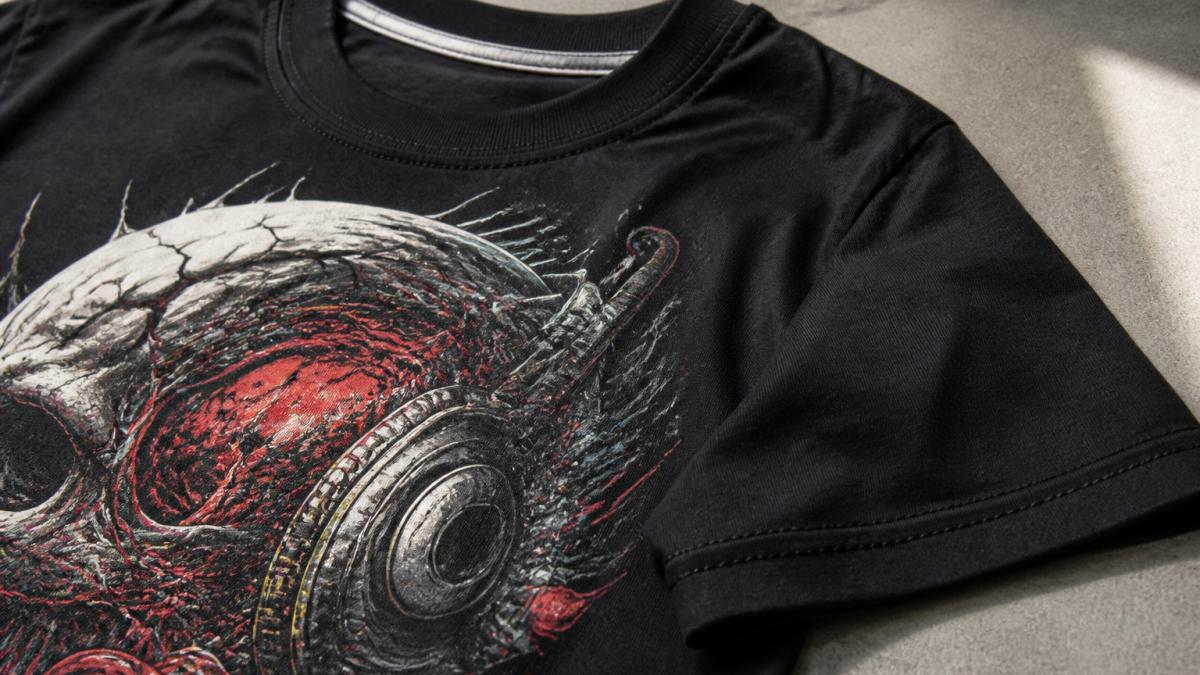
The best limited edition graphic tees combine bold, original artwork with technical execution: a compelling design, printing that holds up through washing and wearing, and substantial fabric.
Creativity means designs that take risks rather than generic imagery. Original artwork, minimalist, maximalist, or in between, separates limited edition from basic merch.
Craftsmanship covers both artwork and garment.
Original design plus solid construction is what makes limited edition graphic tees collectible: they age well and stay relevant because they make their own statement rather than chasing trends.
Limited Edition Fashion Value: Resale, Durability, and Long-Term Worth
Most articles stop at "it might be worth more later," which isn't useful when you're deciding whether to buy. Here's a practical framework for assessing long-term worth.
Resale value is not guaranteed
Limited supply is only half the resale equation; demand is the variable nobody controls. A design can sell out at retail and still trade below its original price if interest fades or the aesthetic falls out of favor.
A few patterns are worth knowing:
- Sold-out does not mean valuable. Plenty of limited pieces sell out on release-day hype and then sit on resale platforms for months.
- Brand trajectory matters more than the individual design. Pieces from brands with a consistent creative record tend to hold interest better than one-off drops from brands with no track record.
- Condition and completeness affect resale. Unworn pieces with original tags typically fetch more than worn ones, which creates an awkward incentive to never actually wear what you bought.
- Counterfeits distort the market. Popular limited designs attract fakes, and a flooded counterfeit supply can suppress prices for legitimate pieces and confuse buyers about what's real.
If you're buying primarily to flip, be honest that you're speculating. If you're buying to wear, resale value should be a bonus, not the reason.
What durability actually depends on
Durability in a graphic tee comes down to three things: construction, print method, and care.
Fabric weight is measured in GSM (grams per square meter) or ounces per square yard.
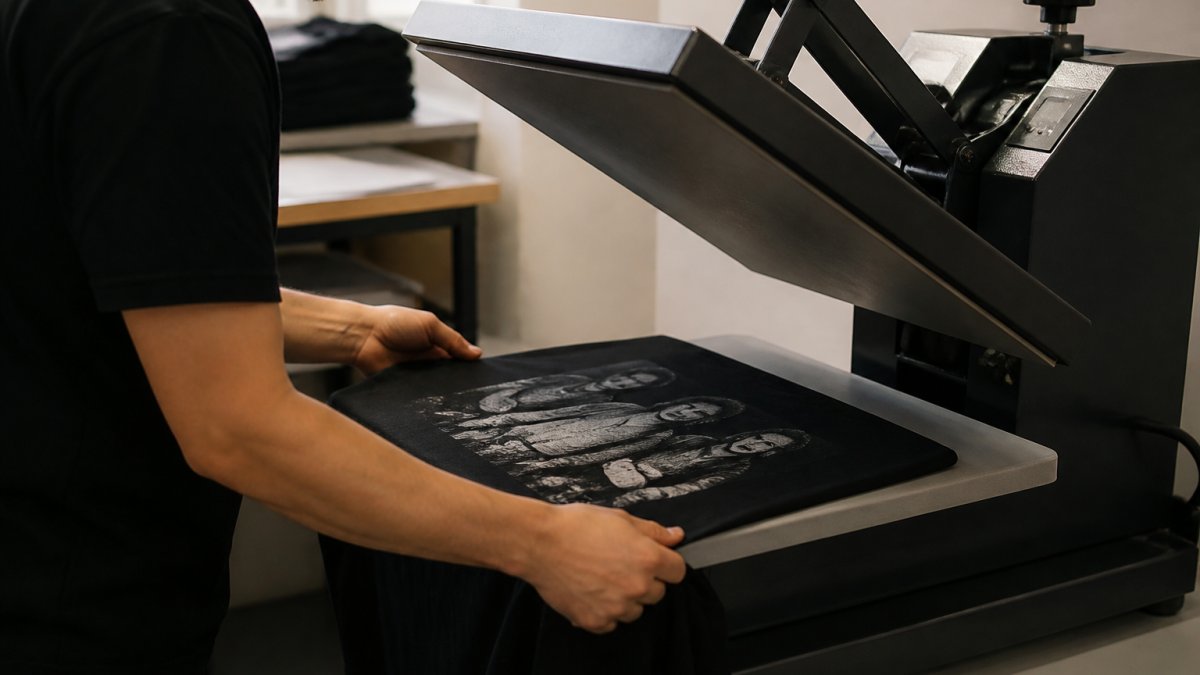
Print method affects how the graphic ages. DTG (direct-to-garment) printing bonds ink into the fabric rather than laying it on top, which affects feel and wear over time. Different methods have different trade-offs; none is universally superior.
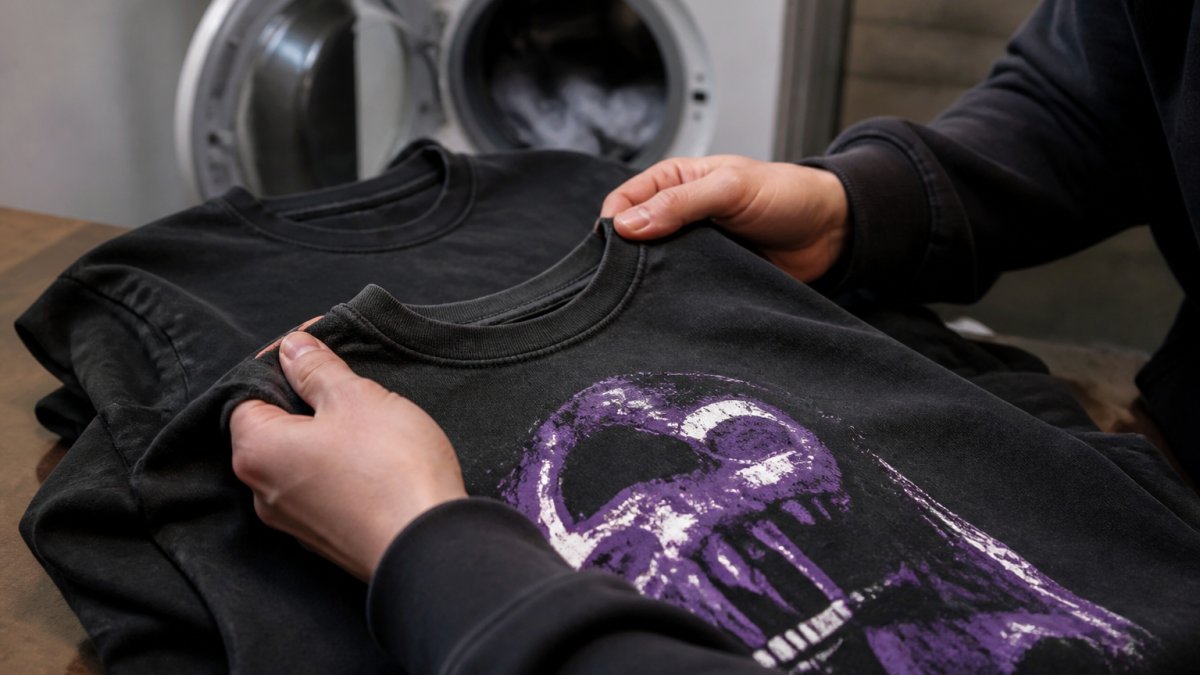
Care matters more than most buyers expect: washing inside-out in cold water and drying on low (or hanging to dry) preserves fabric and print far better than hot washes.
The risks buyers should weigh
Limited-edition streetwear has real downsides:
- Inflated resale prices. If you missed the drop, you may be paying a significant markup for a piece that was affordable at retail. That premium buys access, not necessarily quality.
- Counterfeits. Popular designs get copied. Buying from unverified resellers carries real risk.
- Impulse buying. Urgency is the point of a drop, and urgency is a poor basis for a purchase decision. A design you wouldn't want at full price isn't worth buying just because it's about to sell out.
- Sizing gaps. Limited runs mean limited size availability. If your size is gone, it's gone, and resale may not have it either.
- Scarcity as marketing. Some "limited" releases are limited by choice, not by constraint. That doesn't make them bad, but it does mean the exclusivity label alone shouldn't carry the decision.
- Access inequality. Drops reward people who can be online at a specific moment, who have fast connections, or who can afford resale markups. Bots and resellers can further tilt access away from everyday buyers. Limited-edition culture is not egalitarian by design.
A practical way to judge whether a piece is worth it
Run any limited release through these questions before you buy:
- Would I want this design if it weren't limited? If the answer is no, the scarcity is doing the work, not the design.
- Is the construction worth the price? Check fabric weight, stitching, and print method against what you'd expect at that price point from a non-limited tee.
- Does the brand honor its own limits? A no-restock policy that's actually enforced is a stronger value signal than a "limited" label that quietly gets reissued.
- Can I actually wear this? A piece you're afraid to wear has reduced utility, no matter what it's worth on paper.
- Am I buying for me or for a future buyer? Your answer changes which factors matter most.
Limited-edition streetwear can be a genuinely good purchase, original design, considered construction, a piece that stays distinctive, or an expensive lesson in urgency. The difference comes down to whether you evaluated the piece on its own merits before the clock ran out.
The Downsides: What Buyers Should Know
The scarcity that creates value also creates stress: miss a drop and there's no second chance at retail price. For some, that pressure turns shopping into an anxiety-driven race against the clock.
Resale prices can swing wildly. A design you expect to appreciate might lose value if the brand's reputation shifts or the aesthetic falls out of favor. Limited edition doesn't guarantee appreciation, it just fixes supply; demand determines value.
There's also hype detachment: some pieces become valuable purely through scarcity and brand momentum, not good design. Buying on hype rather than preference often leads to regret.
Accessibility is another consideration. Limited edition excludes people by design: if you can't be online at the right moment or afford the price, you don't get access.
Finally, pressure to keep pieces "mint" reduces their utility. Some collectors buy only for resale and never wear them, which defeats the purpose of owning clothing.
How to Assess Real Value in Limited Edition Streetwear
Real value in limited edition streetwear comes down to three factors: design quality, construction quality, and brand reputation.
Start with design: does the artwork genuinely appeal to you, or are you buying because it's scarce?
Construction quality determines longevity. Check fabric weight, stitching detail, and printing method.
Brand reputation is the third pillar. Does the brand consistently deliver quality, honor its no-reprint promise, and maintain creative standards across drops?
Pricing should reflect these factors.
Consider whether you're buying to collect or to resell. If you're wearing it, design and construction matter most; if reselling, brand trajectory and community resonance matter more.
Limited edition streetwear succeeds when it delivers on its core promise: original design, quality construction, and genuine scarcity that respects the buyer's investment.
Frequently Asked Questions
What does limited edition mean in streetwear?
Limited edition streetwear refers to clothing produced in controlled quantities and never reprinted. Brands release a set number of pieces with unique designs, then move on to new artwork. This controlled production creates scarcity, making each piece feel exclusive and valuable. Unlike mass-produced apparel, limited edition drops give buyers genuine uniqueness, you own something fewer people will ever wear.
Why do people like limited edition clothing?
People value limited edition clothing for multiple reasons: scarcity creates urgency and perceived value, unique designs enable self-expression, exclusivity builds community among collectors, and owning something rare feels meaningful. The creative storytelling behind each drop builds emotional connection to the brand and the piece itself.
Does limited edition streetwear hold its value?
Limited edition streetwear can hold or appreciate in value, especially pieces with strong design, quality construction, and brand prestige. Resale demand depends on the artist, design uniqueness, fabric durability, and how well the piece was cared for. However, not every limited drop becomes valuable, hype alone doesn't guarantee resale worth. Quality craftsmanship and original artwork are stronger predictors of long-term value than scarcity alone.
How can you tell whether a streetwear drop is genuinely limited?
Verify genuine scarcity by checking if the brand commits to never reprinting designs, reviewing production numbers if disclosed, and examining resale market activity. Legitimate limited edition brands clearly communicate quantity limits and maintain that promise over time. Be skeptical of brands that claim exclusivity but frequently re-release similar designs under different names. Transparency about production and a consistent no-reprint policy are strong indicators of authentic limited edition practice.