 listicle
Limited Edition Graphic Apparel: Why Exclusivity Matters
Table of Contents
- What Limited Edition Graphic Apparel Actually Means
- How Scarcity Creates Real Perceived Value
- Why Heavyweight Cotton Matters in Streetwear
- The Psychology Behind Drop Culture and FOMO
- How to Style Heavyweight Graphic Tees for Maximum Impact
- Benefits of DTG Printing for Original Art on Limited Releases
- Building Collector Appeal and Long-Term Brand Loyalty
- Secondary Market Value: Why Limited Edition Apparel Holds Worth
- Frequently Asked Questions
Last Updated: September 3, 2026
What Limited Edition Graphic Apparel Actually Means
Limited edition graphic apparel refers to clothing with original artwork designs produced in restricted quantities and never reprinted. Unlike mass-market graphic tees that cycle through identical designs seasonally, limited edition graphic apparel is created as a finite release that, once sold out, becomes permanently unavailable. This transforms a t-shirt from a commodity into something closer to a collectible.
At AW3SOME CLOTHES INC, every design is original, never reprinted, and available only while stock lasts. The artwork is created specifically for that drop, meaning each piece carries a timestamp and narrative. A standard graphic tee is disposable; limited edition graphic apparel operates differently. Owners tend to keep these pieces longer, wear them intentionally, and develop emotional attachment. The exclusivity creates scarcity value that extends beyond the initial purchase.
This model has become central to streetwear culture. Brands that embrace limited releases build communities around drops rather than inventory. Customers anticipate new designs and feel part of something exclusive.
How Scarcity Creates Real Perceived Value
Scarcity is a documented principle of consumer behavior. When supply is genuinely limited, perceived value increases regardless of intrinsic qualities. This isn't manipulation; it's how human psychology works when facing real constraints.
Genuine scarcity forces a decision. With unlimited inventory, you can always buy later. With limited stock, you must act now or lose the opportunity. This creates urgency that transforms casual interest into purchase intent. But the urgency only works if the scarcity is real. Fake limited editions destroy trust immediately.
Genuine scarcity does three things simultaneously: increases demand through fear of missing out, signals social proof through scarcity, and makes the product feel more valuable because you earned it through speed and decisiveness. The secondary market reinforces this dynamic. When a design sells out and becomes unavailable at retail, demand often increases on resale platforms. Owners recognize they hold something that can't be replaced.
What separates successful scarcity from failed attempts is consistency. A brand that claims limited editions but then rereleases popular designs erodes trust completely. The "never reprinted" commitment is powerful because it respects the original buyer's investment.
Why Heavyweight Cotton Matters in Streetwear
Heavyweight cotton isn't about luxury, it's about durability and print quality. The standard for premium streetwear hovers around 7.5 oz per square yard (245-255 GSM), which creates fabric dense enough to hold detailed graphic printing without degradation.
Lightweight cotton feels thin and prints tend to crack after a few dozen washes. Heavyweight cotton resists this degradation. The tighter weave means the shirt maintains its shape through years of wear, and printed graphics stay crisp because the fabric provides a stable surface.
AW3SOME's tees use 7.5 oz heavyweight construction with oversized, relaxed fit and slight drop shoulders. Double-needle stitching on neck, sleeves, and hems reinforces stress points so seams won't split under normal wear. The fabric weight also changes how graphics sit on the shirt. Heavyweight cotton provides a smooth, flat surface for DTG printing, which means fine details in artwork stay sharp.
USA-sourced cotton with 16-singles yarn construction creates a smoother hand-feel and better print adhesion than lower-grade alternatives. Standard colors use 100% cotton; heather and charcoal blends incorporate polyester for color stability and texture variation. A 7.5 oz tee is the sweet spot for streetwear: heavy enough for durability and print quality, light enough for year-round wear and comfortable layering.
The Psychology Behind Drop Culture and FOMO
Drop culture, the practice of releasing limited quantities at specific times, creates a predictable cycle of anticipation, release, and reflection. When a brand announces a drop date, followers count down and mentally prepare for the release. By the time the drop happens, people have already decided whether they want it.
Drops typically sell out within hours or days, creating genuine time pressure. You either buy during the window or miss it permanently. FOMO (fear of missing out) isn't manufactured here, it's a rational response to actual scarcity. If the design truly won't be reprinted, waiting is a real risk.
Drop culture also creates community. Hundreds or thousands of people are trying to buy at the same moment. They discuss the release in real-time, celebrate wins, and commiserate about sellouts. This transforms a transaction into a social event.
What separates drop culture from hype-chasing is authenticity. A brand that uses drops to create genuine exclusivity builds loyal communities. A brand that uses drops as a manipulation tactic burns that goodwill quickly. The difference is whether the brand respects the customer's investment in the exclusivity narrative.
How to Style Heavyweight Graphic Tees for Maximum Impact
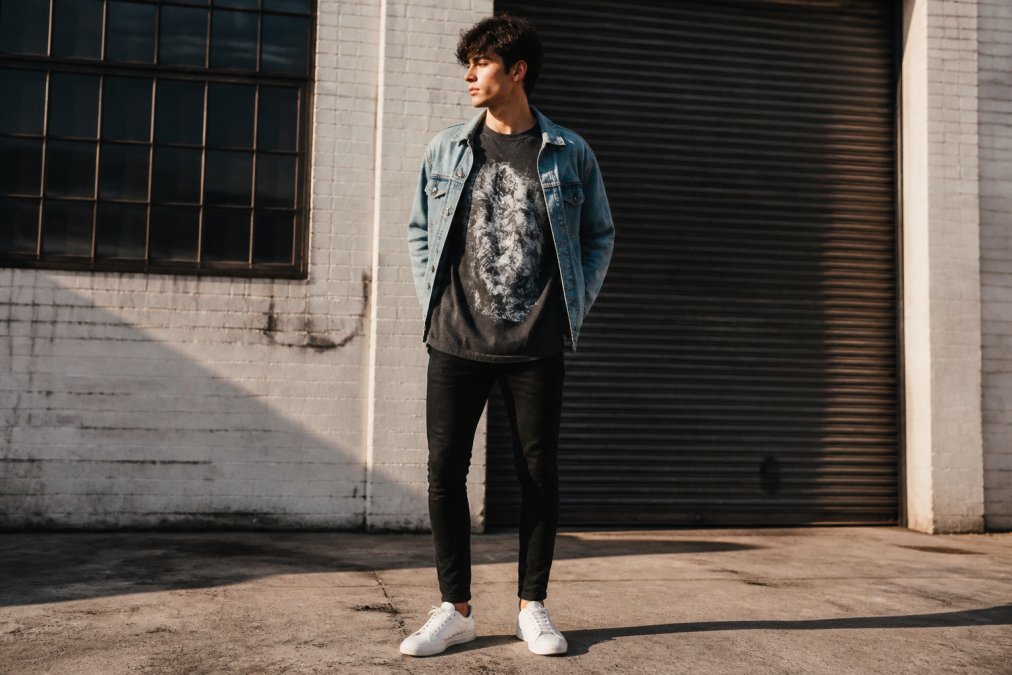
Heavyweight graphic tees work best when treated as statement pieces. The fabric weight and oversized fit mean they occupy visual space and are meant to be seen.
The simplest approach is the monochrome foundation. Pair your heavyweight tee with solid-color bottoms, black, navy, or grey jeans work universally. This lets the graphic dominate. Add minimal accessories: a simple watch, plain sneakers, maybe a chain if the design warrants it.
Layering is where heavyweight tees shine. The oversized fit and slight drop shoulder create room for intentional layering without bulk. Wear it over a long-sleeve thermal or under an open jacket. An open denim or utility jacket transforms the look from casual to intentional. The heavyweight fabric holds its shape under outerwear.
Color coordination matters. If your graphic is dark and moody, pair it with light bottoms to create contrast. If it's bright or detailed, let the bottoms recede into solids. The visual weight of the graphic should anchor the outfit.
Fit is critical. The slight drop shoulder should sit naturally on your shoulders, not slide down your arms. The length should hit around mid-hip. Footwear should match the graphic's energy. Dark, moody artwork pairs well with clean minimal sneakers or boots. The key is intention, every piece should feel chosen.
Benefits of DTG Printing for Original Art on Limited Releases
DTG (direct-to-garment) printing is ideal for limited-edition graphic apparel because it excels at detail, color accuracy, and small-batch production. Unlike screen printing, which requires expensive setup and is economical only at volume, DTG prints directly onto individual shirts on demand.
DTG can reproduce intricate artwork, gradients, and fine lines without loss of detail. This matters for original designs where every element carries intention. A detailed illustration stays sharp whether you're printing one shirt or one hundred. Screen printing requires separating colors into layers, which simplifies artwork and can lose subtle detail.

Color accuracy is another strength. DTG produces true-to-design colors because it's a digital process. You design on screen, and the printer reproduces what you designed. For limited editions where each design is unique, DTG's consistency is essential.
The economic model favors small batches. DTG has minimal setup cost, so printing 50 shirts costs nearly the same per unit as printing 500. This enables true limited editions without overproduction. You're not forced to print excess inventory to justify setup cost.
DTG also enables rapid iteration. A brand can release a design, see customer response, and create a follow-up without months of lead time. This speed creates authentic drops rather than pre-planned seasonal releases.
The print quality on heavyweight cotton is excellent. The 7.5 oz fabric provides a smooth, stable surface. The ink adheres well and stays vibrant through washing. DTG prints on cotton age gracefully, fading slightly over time rather than cracking or peeling, which gives the garment character.
Building Collector Appeal and Long-Term Brand Loyalty
Collector appeal requires consistent delivery of original, desirable artwork combined with genuine scarcity and transparent communication about limitations.
The first element is design quality. Collectors seek artwork they'll want to wear and display years later. The design needs to age well aesthetically, not trend-dependent, not novelty-based, but substantial enough to hold meaning over time.
The second element is consistency. A brand builds collector loyalty by maintaining standards. Every release should represent genuine creative effort. Collectors notice when a brand phones it in. They also notice when a brand respects the limited-edition commitment by never reprinting sold-out designs.
The third element is community building. Collectors want to feel part of something. This means engaging with your audience, showing the design process, explaining the inspiration, and acknowledging when pieces sell out. Transparency builds trust.
Rarity is the fourth element. Limiting quantities isn't enough if you rerelease designs later. True collectors value pieces they know can't be replaced. The "never reprinted" commitment transforms a garment from clothing into an asset with finite supply.
Documentation matters too. Collectors appreciate knowing when a piece was released, how many were produced, and what the design represents. This creates a narrative around each piece.
The final element is quality that justifies the investment. Heavyweight construction, proper printing, and attention to detail mean the piece will hold up. A collector's item should age gracefully, not fall apart after a year.
Secondary Market Value: Why Limited Edition Apparel Holds Worth
The secondary market for limited-edition apparel exists because supply is genuinely constrained and demand often exceeds initial availability. When a design sells out at retail, it moves to resale platforms where prices reflect scarcity.
This creates an interesting dynamic. Original buyers who miss a drop can still acquire pieces, but at higher prices. This increases the perceived value of owning the original release. You bought at retail; resellers are paying premiums. This validates your decision to purchase during the drop.
Secondary market prices vary based on design popularity, brand trajectory, and how limited the original release was. A design that sold out in hours commands higher resale premiums than one that took weeks to sell. Designs from early brand releases often appreciate as the brand grows and earlier pieces become harder to find.
The resale market also signals which designs resonated most. Pieces that rarely appear on resale were either loved enough to keep or so limited that owners are reluctant to sell. This feedback helps brands understand which creative directions work.
This dynamic only works if the brand maintains integrity. The moment a brand rereleases a "sold-out" design, secondary market value collapses. Collectors lose confidence in future releases. The brand's credibility takes years to rebuild.
What makes secondary market value sustainable is genuine scarcity combined with growing brand reputation. As a brand becomes more desirable, earlier pieces become more valuable. Collectors who bought early pieces at retail find themselves holding appreciating assets. This creates a virtuous cycle where early collectors feel rewarded, new collectors see the potential, and the brand benefits from increased demand.
| Aspect | Impact on Value | Why It Matters |
|---|---|---|
| Design Popularity | High demand increases resale price | Collectible pieces appreciate over time |
| Brand Growth | Older pieces become rarer as brand expands | Early releases gain scarcity premium |
| Production Quantity | Smaller drops command higher resale premiums | True scarcity justifies collector investment |
| Design Reprints | Destroys secondary market value immediately | Maintaining "never reprinted" is essential |
| Time Since Release | Older pieces often appreciate | Vintage status adds value |
| Condition | Well-maintained pieces hold value better | Quality construction enables long-term wear |
Limited edition graphic apparel succeeds because it respects both the art and the wearer. Original designs deserve to exist as finite releases, not infinite inventory. When you invest in a piece from a brand committed to exclusivity, you're acquiring something that won't be reprinted, that will age with intention, and that carries real value in a market that recognizes scarcity.
AW3SOME CLOTHES INC operates on this principle entirely. Every design is original. Every piece uses 7.5 oz heavyweight cotton with DTG printing for quality that justifies the investment. Every release is limited, and we maintain the commitment to never reprint sold-out designs. When you buy from AW3SOME, you're buying into a brand that treats limited edition apparel as something worth preserving.
Consumer psychology research on scarcity and perceived value shows that genuine scarcity increases both perceived value and emotional attachment. Streetwear market analysis on drop culture trends documents how limited releases have become central to brand loyalty in contemporary fashion. Textile sustainability standards for cotton apparel confirms that heavyweight construction and proper fabric sourcing extend garment lifespan significantly.
SHOP THE LATEST DROP →
Frequently Asked Questions
Q: What does 'limited edition' mean in the context of streetwear?
A: Limited edition streetwear refers to graphic apparel produced in restricted quantities and never reprinted. Once a design sells out, it's gone permanently. This differs from standard retail, where popular items get restocked. The commitment to never-reprinted designs creates genuine scarcity, collectors know that owning a piece means it won't flood the market later. Limited edition graphic apparel establishes exclusivity through production caps, not artificial hype.
Q: Why do brands choose to release limited edition graphic apparel?
A: Brands release limited edition graphic apparel to drive urgency, build collector communities, and maintain brand prestige. Scarcity signals quality and exclusivity, which justifies premium pricing and strengthens customer loyalty. Limited releases also reduce inventory risk, brands produce only what they're confident will sell. For artists and designers, limited editions protect creative integrity by preventing their work from becoming oversaturated. This strategy transforms casual buyers into engaged collectors.
Q: Does owning limited edition graphic apparel hold long-term value?
A: Yes, limited edition graphic apparel can hold value if the design, brand reputation, and condition remain strong. Pieces that sell out quickly often appreciate on secondary markets as demand outpaces supply. Factors affecting resale value include design originality, brand recognition, fabric quality, and rarity. Heavyweight construction and premium materials help garments age gracefully, maintaining appeal to future collectors. However, value depends on collector interest, not every limited release becomes valuable.
Q: How does exclusivity influence the design quality of graphic apparel?
A: Exclusivity pushes designers to invest more effort into original artwork because limited releases demand standout visuals. When a design will never be reprinted, brands commit to higher artistic standards and more thoughtful production methods. This mindset extends to fabric selection and printing techniques, limited edition pieces often use premium heavyweight cotton and direct-to-garment printing to preserve graphic detail. Exclusivity transforms apparel from disposable fashion into collectible art, raising the baseline for creative ambition.
This article was written using GrandRanker