 ultimate-guide
Buy Limited Edition Streetwear Online: A 2026 Guide
Table of Contents
- Why Limited Edition Streetwear Matters
- How to Spot Fake Streetwear Before You Buy
- Premium Heavyweight Apparel: What Sets It Apart
- Retail vs. Secondary Market: Which Strategy Works
- Sizing and Fitment Guides for Online Streetwear
- Securing Drops and Building Your Collection
- Frequently Asked Questions
Last Updated: September 1, 2026
Why Limited Edition Streetwear Matters
Limited edition streetwear is a statement about identity and taste. When you buy limited edition pieces online, you're acquiring designs meant to stand out, not blend in. Exclusivity creates real value: a design that won't be reprinted carries permanence. Once it's gone, it's gone.
Streetwear culture rewards originality. Wearing a piece that thousands own, or that will be reprinted later, defeats the purpose. Collectors and enthusiasts hunt for designs with staying power, graphics with substance, and construction that justifies the investment.
At AW3SOME CLOTHES INC, every design drops once. No reprints, no revivals. Graphics use original artwork printed on 7.5 oz heavyweight fabric with DTG (direct-to-garment) technology that keeps colors sharp and details crisp. When a design sells out, that's the end of the story. Understanding what makes limited edition streetwear valuable helps you make smarter purchases and avoid counterfeits flooding the market.
How to Spot Fake Streetwear Before You Buy
Counterfeit streetwear has become sophisticated enough to fool casual buyers. Learning to spot the differences saves money and protects you from knockoffs.
Check Graphics and Print Quality
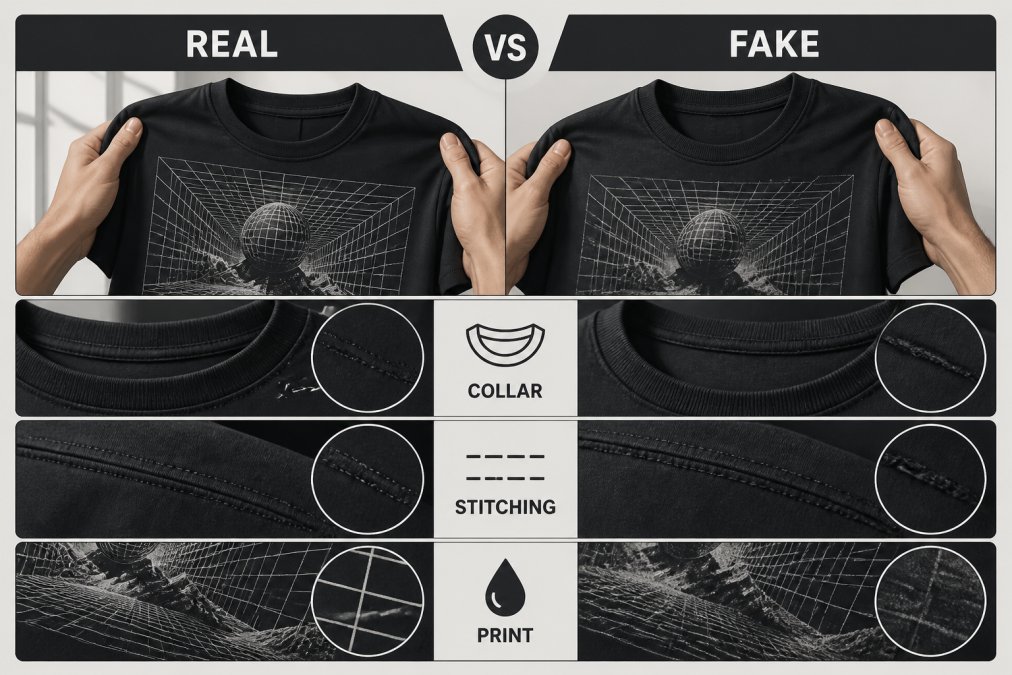
The print reveals authenticity first. Authentic limited edition streetwear uses consistent, sharp printing with no bleeding, pilling, or color separation at the edges. Legitimate DTG prints feel smooth and integrated into the fabric, not raised or plasticky.
Look closely at fine lines and small details. Fakes often show registration issues: colors that don't align perfectly, lines that blur at the edges, or inconsistent ink saturation. Check the back of the piece, it should match the front in quality. If the front looks pristine but the back appears rough or poorly printed, that's a red flag.
Verify color accuracy against official product photos. Counterfeits often use cheaper inks that shift in tone or fade unevenly. The neckline and sleeve hems should show clean, tight stitching. Double-needle construction on quality pieces leaves a visible double line of thread; fakes sometimes use single-needle stitching or loose, uneven seams.
Verify Seller Legitimacy and Reviews
Where you buy matters as much as what you buy. Verify the seller's history before purchasing. Check their return policy, customer reviews, and how long they've been operating. Legitimate retailers have consistent positive feedback and transparent communication about product sourcing.
Read reviews carefully for patterns in complaints about fit, quality, or authenticity. If multiple customers mention damage, significant shrinkage, or cheap feel, take that seriously. Authentic sellers stand behind their products and address issues directly.
Ask direct questions before buying. Legitimate retailers respond quickly and provide detailed product information: exact fabric composition, printing method, and care instructions. If a seller is vague about how pieces are made or where they source them, move on.
Premium Heavyweight Apparel: What Sets It Apart
Premium heavyweight streetwear is constructed differently than standard tees. The difference shows in how the garment wears, ages, and holds graphics.
Heavyweight apparel starts with denser yarn. Standard tees use thinner 20-singles or 30-singles yarn, creating a looser weave. Premium heavyweight uses 16-singles yarn, thicker individual strands woven more tightly together. This creates fabric that's more durable and resists pilling. The 7.5 oz weight (245-255 GSM) is substantial without being uncomfortable and maintains its shape through repeated wear and washing.
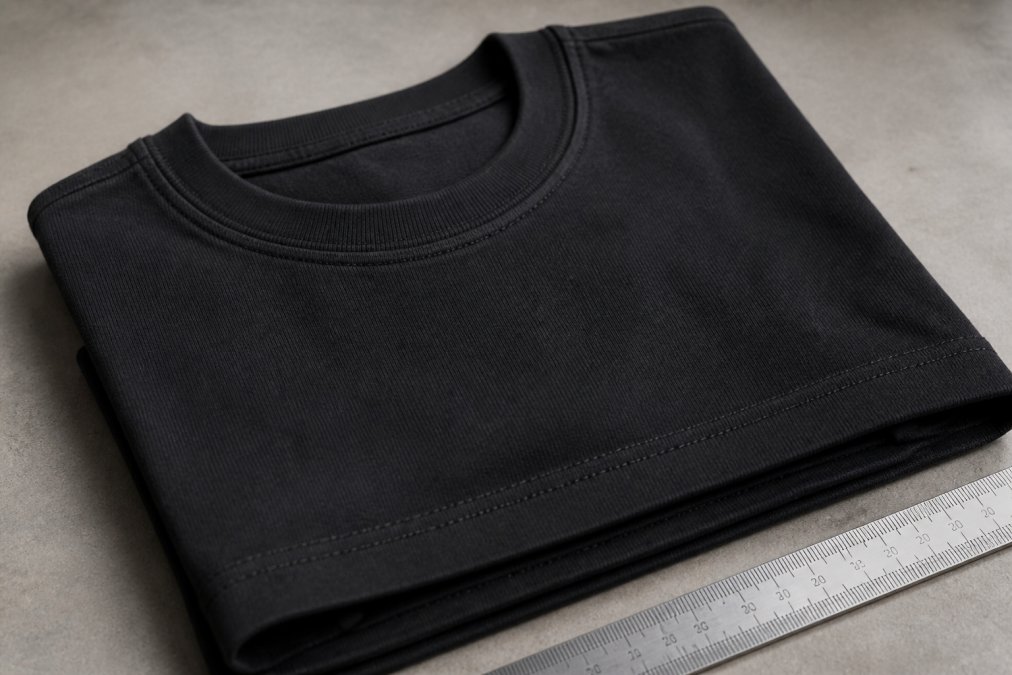
Construction details separate quality pieces from the rest. Double-needle stitching on the neck, sleeves, and hem reinforces stress points. Shoulder-to-shoulder neck tape prevents stretching and keeps the collar rigid. Quarter-turned construction means seams don't sit directly on your shoulders, reducing irritation and improving fit. These details are why the garment lasts.
Graphics on heavyweight fabric stay sharper longer. The denser weave holds DTG ink better than thinner materials. Colors resist fading and fine details remain crisp after dozens of washes. This is why limited edition designs deserve quality construction, the artwork deserves a foundation that won't deteriorate.
Retail vs. Secondary Market: Which Strategy Works
Two distinct channels exist for acquiring limited edition streetwear, each operating under different rules.
Buying Direct at Retail Drops
Retail drops are the primary source for new releases. A brand announces a drop date and time, inventory goes live on their website or a partner retailer, and pieces sell until stock runs out. For hyped releases, this happens in minutes.
The advantage is straightforward: you're buying directly from the source at the intended retail price. There's no authentication question because you're purchasing from the original maker. You know the exact condition and have a clear return path if something arrives damaged.
Most quality streetwear drops happen on a fixed schedule, often Friday mornings or announced dates. You need to be online at the exact drop time. Checkout speed matters because inventory depletes fast. A thirty-second delay can mean missing the piece entirely. Set phone reminders and have your payment information saved before the drop goes live.
Inventory levels vary widely. A brand might produce 200 pieces or 2,000. Smaller runs sell out faster. If a piece is still in stock thirty minutes after drop, it likely didn't generate hype.
Buying on the Secondary Market
The secondary market includes resale platforms (Grailed, Depop, Vestiaire Collective), specialty retailers, and private sellers. Pieces here are sold-out from retail and no longer available at original prices.
Prices reflect demand and scarcity. A recent sold-out drop might cost 10-20% above retail. Rare pieces from hyped brands years ago might cost 200-300% of original price. You're paying for access to something no longer available at source.
The trade-off is authentication risk. You're buying from a third party, not the original brand. Counterfeits exist on secondary platforms, especially for hyped brands. Request detailed photos from multiple angles, ask about the piece's history and condition, and check the seller's feedback history. Platforms like Grailed and Vestiaire Collective offer authentication services or buyer protection for high-value items.
Condition matters more on the secondary market. A new, unworn piece commands a premium over one that's been worn and washed. Ask about condition explicitly: Has it been worn? Washed? Are there stains, fading, or damage? Legitimate sellers provide honest descriptions.
Return policies are stricter on the secondary market. Many resale platforms have limited or no returns once a sale completes. Understand the return policy before purchasing.
Hybrid Strategy: When to Use Each Channel
Most serious collectors use both channels strategically. Buy new drops directly to secure current designs at retail price and guarantee authenticity. Use the secondary market selectively for older designs that fit your aesthetic or fill gaps in your collection.
Timing affects secondary market pricing. Immediately after a retail drop sells out, secondary prices spike as demand is highest and supply is lowest. Prices often stabilize or decline weeks later as hype cools. If you're not in a rush, waiting can save money.
For collectors building a serious wardrobe, consistency beats chasing hype. Commit to a few brands whose aesthetic aligns with yours, buy their drops regularly, and selectively add secondary market pieces that enhance your collection.
Sizing and Fitment Guides for Online Streetwear
Sizing confusion costs money. Ordering the wrong size online means returns, delays, and frustration. Streetwear sizing varies by brand, and oversized fits have become standard.
Premium heavyweight tees typically run larger than standard apparel. The relaxed fit and slight drop shoulder create a deliberate loose silhouette. This is intentional design. Most quality streetwear is meant to sit comfortably on your frame without clinging.
Check the brand's size chart before ordering. Measurements matter more than the letter or number on the tag. Look for chest width, length, and sleeve measurements. Compare these to a tee you already own that fits well. Lay that piece flat, measure across the chest at the widest point, and compare the number to the brand's chart.
Fabric composition affects fit and shrinkage. Standard cotton tees may shrink slightly after washing. Cotton-poly blends shrink less. Check what the piece is made from and factor that into your sizing decision.
Read customer feedback about fit. If multiple reviews mention that a piece runs small or large, take that seriously. Some platforms let you filter reviews by size, helping you see how the piece actually fits across different body types.
When in doubt, size up. An oversized tee that's slightly too large is still wearable. One that's too small isn't.
Securing Drops and Building Your Collection
Building a serious streetwear collection requires a system for tracking drops, understanding when and where they happen, and executing purchases fast enough to secure pieces before they sell out.
Set Up Drop Notifications and Reminders
Most quality streetwear brands announce releases through multiple channels: their website, Instagram, email newsletters, and sometimes Discord servers. You can't rely on stumbling upon a drop, you need active notification.
Follow brands directly on Instagram and enable notifications for their posts. Subscribe to email newsletters; many brands send drop details to subscribers 24 hours in advance. Some brands maintain a dedicated drop calendar on their website showing upcoming release dates and times.
Set phone reminders for the exact drop time. If a brand announces a drop for Friday at 10 a.m. Eastern, set an alarm for 9:55 a.m. This gives you five minutes to open the website, load the product page, and be ready when inventory goes live. Drops often sell out in under five minutes for hyped designs.
Use your phone's native calendar app or a reminder app to track multiple drops across different brands. A simple calendar prevents missing releases you care about.
Optimize Your Checkout Process
Checkout speed directly affects your success rate. Every second counts when inventory is depleting in real time.
Save your payment information and shipping address on every retailer's website you plan to buy from. When a drop goes live, you should be able to add a piece to your cart and complete checkout in under 60 seconds.
Use a reliable payment method. Credit cards process faster than PayPal or other third-party payment systems. If the retailer offers Apple Pay or Google Pay, use those.
Have your browser open and the product page pre-loaded if possible. Some brands allow you to add items to a wishlist before the drop. Do this beforehand. When the drop goes live, you're one click away from adding the piece to your cart.
Understand the retailer's checkout system. Some brands use a queue system where you wait in a virtual line and are randomly assigned a checkout slot. Others operate first-come, first-served. If it's a queue system, you can't speed up the process. If it's first-come, first-served, checkout speed is everything.
Join Communities and Stay Informed
Serious collectors don't operate in isolation. Communities share information about drops, authentication, and resale opportunities.
Reddit communities like r/streetwear and brand-specific subreddits discuss upcoming drops and alert members to releases. Discord servers dedicated to streetwear culture provide real-time drop notifications and community feedback. These spaces also warn about counterfeits and help you identify legitimate sources.
Communities help you understand what pieces are actually worth pursuing. If a drop is generating buzz, it's likely to sell out fast. If a release is getting mixed feedback, you can make an informed decision about whether it's worth your effort.
Join the email lists of retailers and brands you trust. Some retailers offer early access to loyal customers or subscribers. A 24-hour head start on a drop can mean the difference between securing a piece and missing it entirely.
Document and Track Your Collection
Once you start acquiring pieces, maintain a personal inventory. Take clear photos of each piece you own, note the drop date, and keep receipts or order confirmations.
This prevents buying duplicates, helps you identify gaps in your collection, and provides documentation for resale. Note the fabric composition and care instructions for each piece. This helps you maintain pieces properly and understand how they'll age.
Build Relationships with Trusted Retailers
Consistency beats chasing hype. If you find a brand or retailer whose aesthetic aligns with yours, follow their releases consistently. Subscribe to their newsletter and enable notifications.
Legitimate retailers build loyalty through transparency and quality. They communicate clearly about product sourcing, provide detailed product information, and stand behind their pieces. Over time, you develop confidence in what they're selling.
Some retailers offer loyalty programs or early access to repeat customers. If you're buying from the same brand regularly, ask about loyalty benefits.
Diversify Your Sources
Don't rely on a single brand or retailer. Limited edition streetwear isn't about owning everything; it's about owning pieces that mean something to you. Following multiple brands gives you multiple chances to acquire pieces that fit your aesthetic.
If you follow three brands and each drops monthly, you have roughly three opportunities per month to add to your collection. This reduces the pressure to buy every single drop and lets you be selective about which pieces actually align with your style.
Diversification also protects you from over-reliance on a single source. A balanced collection comes from multiple makers, not from chasing one hyped brand.
Frequently Asked Questions
Q: How do I verify the authenticity of limited edition streetwear?
A: Check three key areas: print quality (legitimate graphics are crisp, even, and match color specifications), stitching consistency (double-needle seams should be straight and uniform), and seller credentials (buy from official retailers, verified resellers, or the brand's direct store). Compare the item against official product images from the brand's site. If a price seems too low or the seller has no verifiable history, walk away.
Q: What makes premium heavyweight apparel different from regular streetwear?
A: Premium heavyweight apparel uses denser fabric (typically 7.5 oz or 245-255 GSM), superior yarn construction (16-singles), and reinforced stitching like double-needle seams and shoulder-to-shoulder neck tape. This means the shirt holds its shape longer, resists stretching, and the graphics stay crisp through repeated wear and washing. The relaxed fit and slight drop shoulder are intentional design choices that define the aesthetic. Quality construction directly affects how long the piece lasts in your rotation.
Q: Should I buy limited edition streetwear from retail drops or the secondary market?
A: Retail drops offer authenticity guarantees and access to new designs at original pricing, but require speed and timing to secure inventory. The secondary market (resale platforms) gives you access to sold-out pieces and older drops, but carries authentication risk and often higher prices due to scarcity. For collectors, retail drops build an authentic collection; for casual buyers seeking specific pieces, the secondary market works if you verify seller reputation and compare pricing across multiple platforms.
Q: How often should I check for new limited edition streetwear drops?
A: Drop frequency varies by brand, some release weekly, others monthly or seasonally. Follow the brand's official social media, email list, and website to get notifications about upcoming releases. Set calendar reminders for known drop windows (many brands drop on specific days). Join streetwear communities and Discord servers where enthusiasts share drop alerts. Being informed and prepared beats refreshing a site randomly. Many limited pieces sell out within hours, so early notification is critical.
This article was written using GrandRanker