 ultimate-guide
Limited Run Graphic Clothing Drops: The Complete Guide
Table of Contents
- What Limited Run Graphic Clothing Drops Actually Are
- How Streetwear Drop Culture Works
- Understanding Production Cycles and Wait Times
- Heavyweight Graphic Tees and DTG Printing Quality
- How to Track and Secure Limited-Edition Releases
- The Resale Market and Authentication Reality
- Why Small-Batch Production Matters (And What It Costs)
- Conclusion
Last Updated: August 28, 2026
What Limited Run Graphic Clothing Drops Actually Are
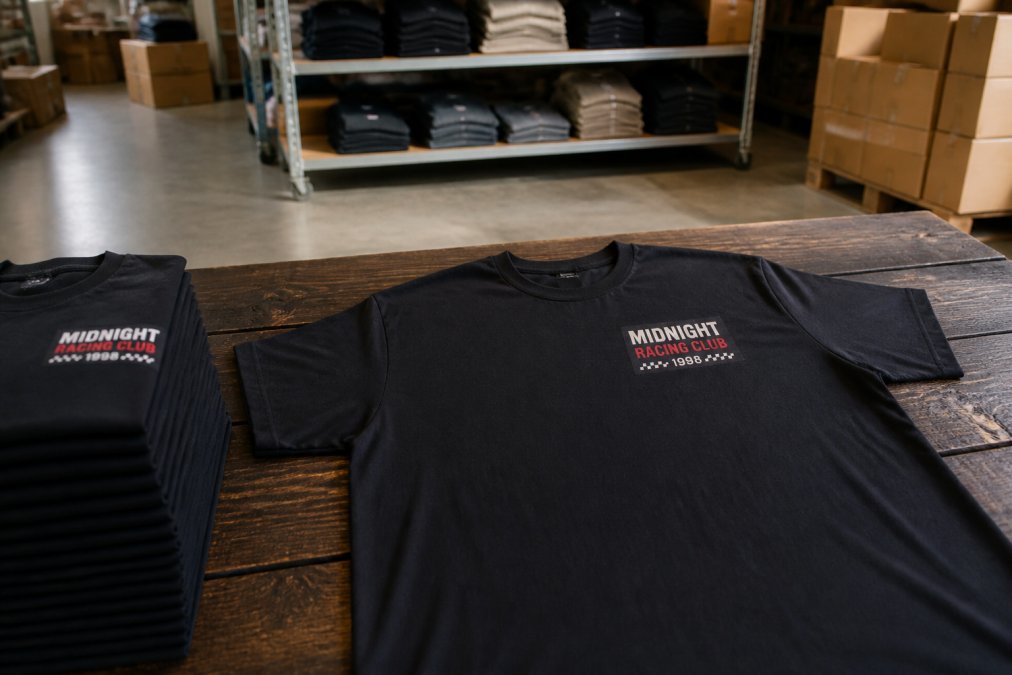
A limited run graphic clothing drop is a controlled release of a specific graphic design in a fixed quantity, typically produced once and never reprinted. Unlike traditional retail where popular items get restocked indefinitely, a drop is finite by design: once the units sell out, that design is gone for good.
The mechanics are straightforward. A brand produces a set number of units, prints the graphic using direct-to-garment (DTG) technology, and releases them on a specific date. Collectors know the drop date in advance and compete to secure their piece before inventory exhausts. No restocks. No "we'll make more if demand is high."
This model emerged from sneaker culture in the early 2000s and has become the standard for brands that prioritize exclusivity and community engagement over maximum profit per design. AW3SOME CLOTHES INC exemplifies this approach: every graphic is original, dropped in limited quantities, and never reprinted. The result is a wardrobe where each piece carries genuine scarcity value.

How Streetwear Drop Culture Works
Drop culture operates on a simple but powerful principle: scarcity creates desire. A brand announces a release date, hypes the graphic through social channels, and opens a narrow purchase window, often just hours. The combination of limited supply, known deadline, and high demand creates intense competition.
Most drops follow a predictable pattern. Brands announce upcoming releases days or weeks in advance, building anticipation. On release day, the graphic goes live on the brand's storefront at a specific time. Buyers rush to purchase before the design sells out. For popular drops, inventory can exhaust in minutes.
This structure serves multiple purposes. It keeps the brand top-of-mind for followers who check in regularly for new releases. It creates a ritual around purchasing. It also prevents overproduction: a brand only makes as many units as it believes will sell, reducing waste and unsold inventory.
The Psychology Behind Scarcity and Exclusivity
Scarcity is a powerful motivator in human decision-making. When something is limited, we perceive it as more valuable. A graphic tee available in unlimited quantities feels ordinary. The same tee, produced in 200 units and never again, feels like an achievement to own.
Wearing a limited-run piece signals that you were part of a specific moment in time. You participated in the drop, beat the clock, and secured something others couldn't. This creates a subtle status marker within fashion communities.
Brand loyalty deepens through drops as well. Followers who consistently show up for releases develop a sense of belonging. They're part of an in-group that knows about upcoming drops and values originality and craftsmanship. This loyalty is far stickier than transactional relationships built on discounts or convenience.
Why Limited-Edition Apparel Sells Out Fast
Limited-edition apparel sells out quickly because demand is concentrated into a narrow time window. When supply is fixed and known to be small, buyers face a genuine scarcity constraint. If 300 units exist and 1,000 people want one, 700 will leave empty-handed.
Speed is also a function of community size and engagement. Brands with active, passionate followings see faster sellouts because their audience is primed and ready. A brand with 50,000 engaged followers will move inventory faster than a brand with 500,000 passive followers.
The hype cycle amplifies this effect. When a drop sells out in minutes, that speed itself becomes part of the story. The next release benefits from that narrative: buyers assume it will sell out just as quickly, so they're even more aggressive in their purchasing behavior.
Understanding Production Cycles and Wait Times
Production cycles for limited-run apparel are significantly shorter than traditional fashion manufacturing. A brand might go from final design approval to finished product in 4-6 weeks, compared to 3-6 months for conventional retail clothing (peer-reviewed research).
The timeline typically breaks down like this: design finalization takes 1-2 weeks, production setup and printing takes another 1-2 weeks, and then the actual production run happens over 2-3 weeks depending on volume. Quality control and packaging add another week.
Wait times for customers vary. If a drop is pre-ordered, wait times can stretch to 6-8 weeks from order date to delivery. If a drop is produced first and then released, customers typically receive orders within 1-2 weeks of purchase. AW3SOME CLOTHES INC produces in advance and ships orders quickly, prioritizing getting pieces to customers without extended wait periods.
Heavyweight Graphic Tees and DTG Printing Quality
Heavyweight graphic tees have become the standard for limited-run streetwear because they feel premium and durable. The weight of the fabric, measured in GSM (grams per square meter) or ounces per yard, directly affects how the garment feels and performs over time. A 7.5 oz/245-255 GSM tee feels substantial and structured, very different from the thin feeling of a 4-5 oz shirt (peer-reviewed research).
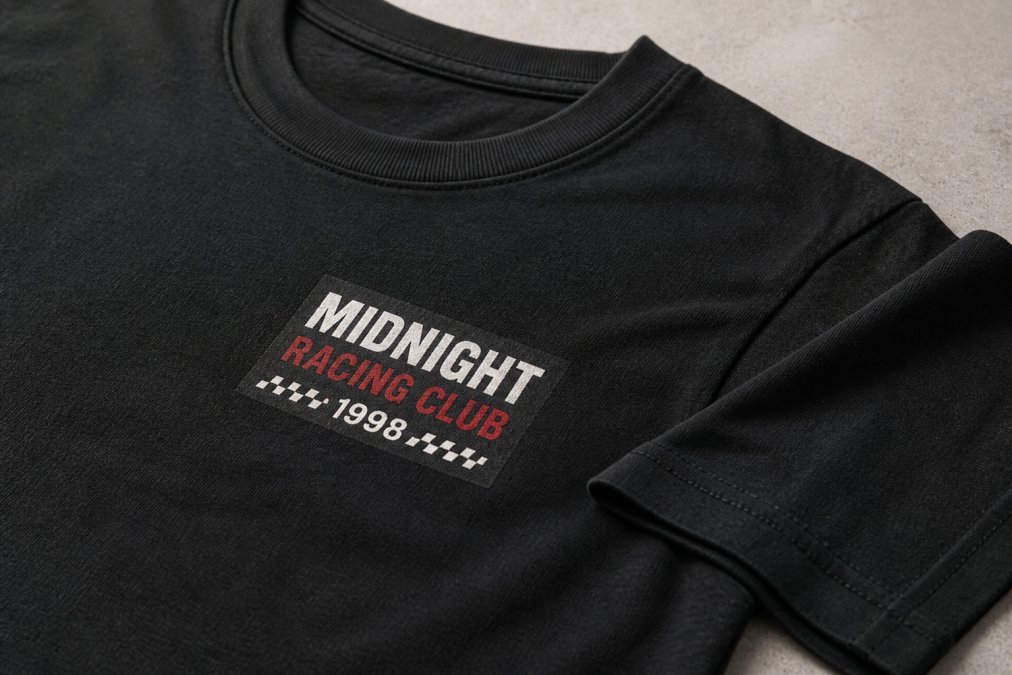
AW3SOME CLOTHES INC uses the Shaka Wear SHMHSS Unisex Max Heavyweight Short Sleeve, a 7.5 oz/245-255 GSM garment with construction details designed for longevity. The fabric is 100% USA cotton in standard colors, with double-needle stitching on the neck and sleeves, shoulder-to-shoulder neck tape, and quarter-turned construction that prevents uneven wear.
The oversized, relaxed fit with a subtle drop shoulder has become a defining aesthetic in streetwear. This fit drapes differently than a fitted cut, creating a more confident silhouette while remaining accessible across body types.
Why Fabric Weight Matters for Durability
Fabric weight is a direct indicator of durability in cotton apparel. Heavier fabric has more fiber density, which means more material between you and the outside world. A 7.5 oz tee will outlast a 5 oz tee when subjected to the same wear and washing conditions. The heavier fabric resists pilling, fading, and the general breakdown that comes from repeated use.
The construction details amplify this durability advantage. Double-needle stitching on the neck and sleeves reinforces high-stress areas with two parallel rows of thread. Shoulder-to-shoulder neck tape prevents the neckline from stretching out over time. Quarter-turned construction distributes wear more evenly, preventing the front and back from fading at different rates.
This matters because a limited-run piece is often kept longer than a disposable fashion item. A heavyweight tee with solid construction justifies that long-term investment.
Direct-to-Garment Printing and Design Longevity
Direct-to-garment (DTG) printing applies ink directly to the fabric using specialized inkjet technology (peer-reviewed research). The ink penetrates the fiber rather than sitting on top of it. DTG prints are known for vibrant color reproduction and fine detail, allowing photorealistic images and intricate designs that would be difficult with other methods.
The longevity of a DTG print depends on ink quality, fabric preparation, and curing. Professional DTG operations use pre-treatment chemicals to prepare the fabric and high-quality inks that bond well with cotton. After printing, the garment is cured to lock the ink into the fibers. A properly executed DTG print remains vibrant through dozens of washes.
The advantage for limited-run brands is flexibility. DTG allows small production runs without tooling costs or minimum quantities. You can print one tee or one hundred without changing your process. This makes it economically viable to produce a design in limited quantities.

How to Track and Secure Limited-Edition Releases
Tracking drops requires active engagement with the brands you follow. Most streetwear brands announce upcoming releases through email newsletters, Instagram posts, and dedicated drop calendars on their websites. The most reliable way to stay informed is to subscribe to email lists; brands typically give subscribers advance notice or early access.
Social media is the secondary notification channel. Following a brand's Instagram account ensures you see drop announcements, though the algorithm means you might miss posts if you're not actively checking.
On drop day, you navigate to the product page, select your size and color, and complete checkout. Speed matters: popular drops can sell out in minutes, so having your payment information saved and your size pre-selected gives you an advantage.
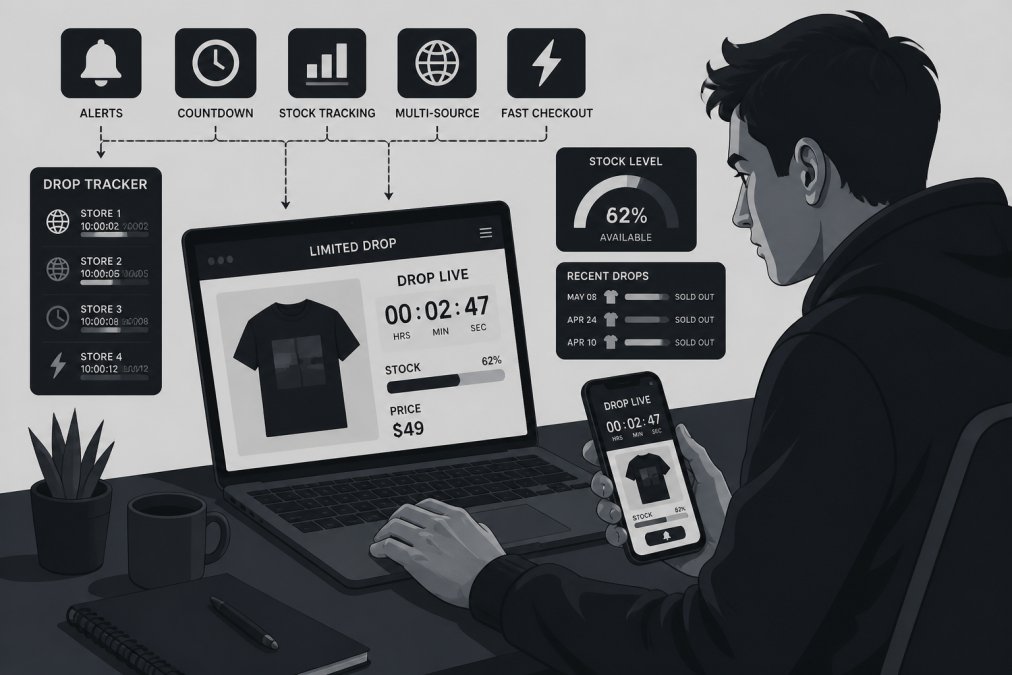
If you miss a drop, another one is coming. The scarcity is permanent for that specific design, but the brand will release new designs regularly.
The Resale Market and Authentication Reality
Limited-run pieces often appreciate in value after they sell out. A tee that sold for its original price on release day might command significantly more on the resale market weeks or months later, especially if the design resonates with the community or if the brand gains prominence.
The resale market introduces authentication concerns. Counterfeit streetwear exists, and limited-run pieces are targets because their rarity makes them valuable. Authenticating a used graphic tee requires examining fabric quality, print detail, stitching consistency, and tags. Reputable resale platforms employ authentication teams, but private sales carry more risk.
For collectors, resale value is a secondary consideration behind personal satisfaction. You buy a limited-run piece because you love the graphic and want to wear it. Knowing that a piece holds or gains value is a nice benefit.
Buying directly from the brand during the drop is preferable to hunting for pieces on the resale market. You know the piece is authentic, you support the artist and brand directly, and you get the full experience of participating in the drop moment.
Why Small-Batch Production Matters (And What It Costs)
Small-batch production is fundamentally different from mass manufacturing. A brand producing 500 units of a design has different economics than one producing 5,000 units. The per-unit cost is higher because fixed costs (design, setup, quality control) are spread across fewer units.
The cost structure breaks down like this: design and artwork creation are fixed costs regardless of production volume. Setup for DTG printing is also fixed. Once those costs are absorbed, the per-unit cost for printing and garment production is relatively low. But with a small production run, those fixed costs are amortized across fewer units, raising the effective per-unit price.
This is why AW3SOME CLOTHES INC's pieces reflect the cost of original artwork, professional DTG printing, and heavyweight 7.5 oz/245-255 GSM fabric with quality construction. The limited production run means no economies of scale; each unit carries its fair share of the overhead.
The trade-off is worth it for collectors who value originality and craftsmanship. You're paying for the design (which is unique and never reprinted), the fabric quality (which will last), and the exclusivity (which gives the piece lasting appeal). This is fundamentally different from fast fashion, where the goal is maximum volume at minimum cost.
Small-batch production also reduces waste. Brands that produce limited quantities waste less inventory. Every unit produced is intended to sell, which aligns economic incentive with resource efficiency.
Conclusion
Limited run graphic clothing drops represent a fundamental shift in how streetwear brands operate. Rather than chasing maximum volume, drop culture prioritizes exclusivity, community, and artistic expression. A design is created, produced in limited quantity, and retired forever. This model creates genuine scarcity, builds passionate communities, and makes each piece feel like an achievement to own.
The success of drop culture depends on execution: quality fabric, professional printing, and reliable fulfillment. AW3SOME CLOTHES INC delivers on all three. Every piece uses heavyweight 7.5 oz/245-255 GSM Shaka Wear fabric with professional DTG printing and meticulous construction details like double-needle stitching and shoulder-to-shoulder neck tape. Designs are original and never reprinted, so each drop is a finite moment in the brand's history.
If you're new to drop culture, the best way to understand it is to participate. Follow a brand you respect, subscribe to their email list, and show up for a drop. You'll experience firsthand why collectors value these pieces: the anticipation, the community, and the satisfaction of owning something that won't be made again.
Frequently Asked Questions
What's the difference between limited run graphic clothing and mass-produced apparel?
Limited run graphic clothing is produced in smaller quantities, often just a few hundred to a few thousand units per design, and typically never reprinted. Mass-produced apparel is manufactured in bulk with the intention to restock regularly. Limited runs create scarcity, which drives demand and collector value. They also allow brands to experiment with bolder, more niche designs without the financial risk of overproduction. The result is exclusivity: if you miss a drop, that design is gone permanently.
How do you verify the quality of a limited edition graphic tee before buying?
Check the fabric weight and material composition. Quality limited-edition tees typically use 7.5 oz (245-255 GSM) heavyweight cotton or cotton blends, which feel substantial and durable compared to standard 5.5 oz basics. Look at printing method details, direct-to-garment (DTG) printing produces sharp, detailed graphics that hold up through washing better than lower-quality alternatives. Examine construction details like double-needle stitching on seams, reinforced collar tape, and properly finished hems. Read customer feedback about fit and longevity if available. Premium brands often provide detailed product specifications upfront.
Why do brands use limited run drops for graphic clothing?
Limited drops create multiple business and marketing advantages. They generate urgency, consumers feel compelled to buy immediately or miss out forever. This drives faster sales and reduces inventory risk since the brand only produces what it can realistically sell. Drops also build community and hype around a brand, encouraging fans to stay engaged and return for future releases. For original artists and designers, limited runs protect the creative integrity and exclusivity of their work. Finally, the scarcity model allows brands to maintain premium pricing and positioning without competing solely on cost.
How can you keep track of upcoming limited run clothing releases?
Most brands announce drops through email newsletters, social media (Instagram, TikTok, Twitter), and their website. Sign up for email alerts from brands you follow, this is the fastest way to get release dates and times. Follow their social accounts and enable notifications so you don't miss announcements. Some brands publish release calendars on their site showing planned drops weeks or months in advance. Join online communities and forums dedicated to streetwear drops where collectors share release information and tips. Set phone reminders for announced release times so you can shop the moment inventory goes live.
Ready to own a piece of original streetwear? SHOP THE LATEST DROP → at AW3SOME CLOTHES INC and discover limited-edition graphics designed for collectors who refuse to blend in.
This article was written using GrandRanker