 how-to
How to Prevent Graphic Tee Cracking: Full Guide
Table of Contents
- Why Graphic Tee Cracking Happens in the First Place
- How to Wash Screen Printed Shirts Without Wrecking the Design
- Drying Graphic Tees Without Damage
- How to Fix Cracked Vinyl on a Shirt (and Screen Prints Too)
- Storage Habits That Prevent Graphic Tee Cracking Long-Term
- Material-Specific Care: Heavyweight Cotton vs. Blends
- Conclusion
Last Updated: August 9, 2026
Why Graphic Tee Cracking Happens in the First Place
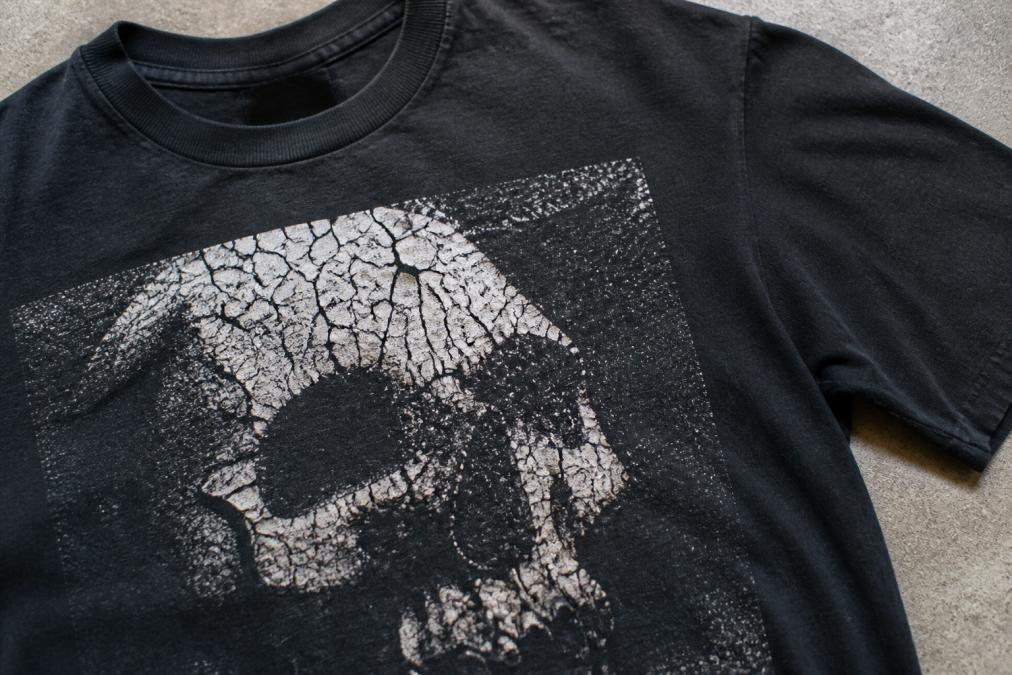
Graphic tee cracking is the result of physical and chemical stress breaking down the bond between ink and fabric over time. Understanding the mechanism behind it is the fastest way to stop it from happening to your collection. At AW3SOME CLOTHES INC, we build every drop around premium heavyweight construction. Below, we'll walk you through exactly what causes cracking and how to stop it at every stage of garment care.
The core issue is simple: printed graphics sit on top of fabric fibers, not inside them. Every wash, dry cycle, and fold applies mechanical force to that bond. Add heat and harsh chemicals, and the timeline shortens dramatically.
Plastisol vs. Water-Based Ink: Which Cracks Faster?
Plastisol ink is a PVC-based formulation that sits on top of the fabric as a thick, opaque layer. It produces vivid, high-contrast screen prints and is the most common choice for heavyweight graphic tees. Because it sits above the fiber rather than bonding into it, plastisol is more vulnerable to surface cracking when the ink film gets brittle from heat or age.
Water-based ink absorbs deeper into the fabric fibers, producing a softer hand feel. It tends to fade rather than crack, but it is less durable under repeated washing if the cure wasn't executed correctly during production. DTG printing uses water-based inks and requires precise heat press curing to maintain print durability.
The honest answer: plastisol cracks faster when exposed to high heat; water-based ink fades faster when washed with harsh detergents. Both require the same core care routine.
How Friction, Heat, and Detergent Chemistry Break Down Prints
Three forces destroy graphic prints. Friction from agitation in the wash cycle physically scrapes the ink surface. Heat from dryers causes the ink film to expand and contract repeatedly, creating micro-fractures that eventually become visible cracking. Detergent chemistry is the most overlooked factor: enzymes and bleaching agents in standard detergents attack the adhesive bond between ink and fabric.
Fabric softener is a specific offender. It coats fibers with a silicone-based layer that degrades the ink's grip on the textile over time. Many people add it thinking it protects the shirt. It does the opposite for printed designs.
How to Wash Screen Printed Shirts Without Wrecking the Design
Knowing how to wash screen printed shirts correctly is the single highest-impact habit you can build for garment longevity. The right routine takes less than 60 extra seconds and dramatically extends the life of any graphic tee.
Step-by-Step Cold Water Wash Routine
Follow this sequence every time you wash a printed shirt:
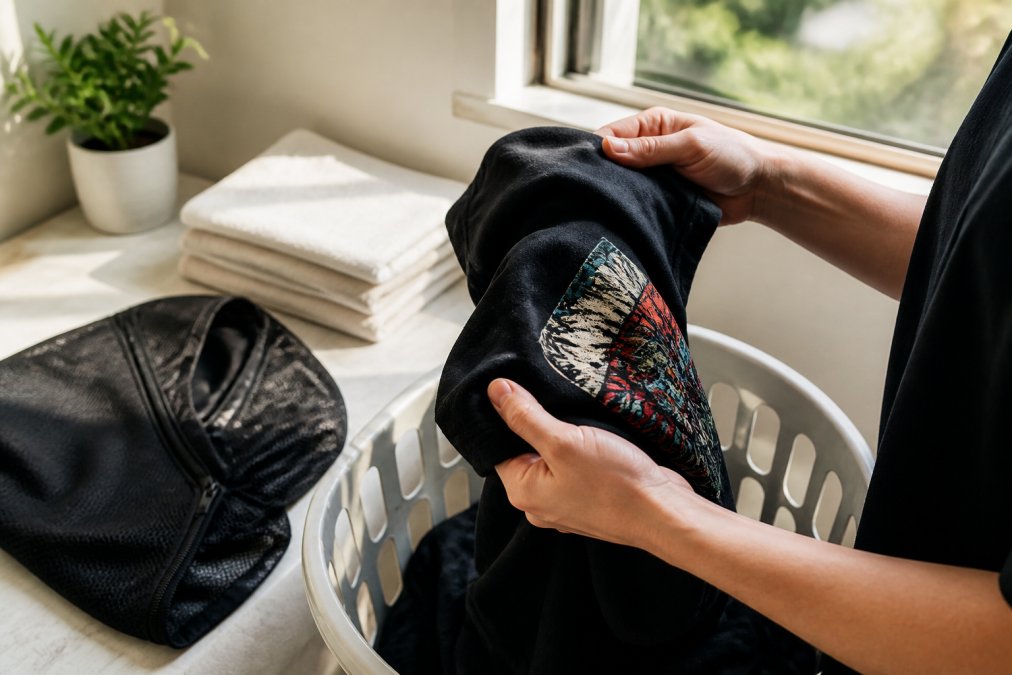
- Turn the shirt inside out. This is non-negotiable. Washing inside out puts the graphic on the inside of the drum, away from direct friction against other garments and the machine walls. It is the single most effective step in this entire guide.
- Place it in a mesh laundry bag. A mesh bag reduces fiber stress by limiting how much the garment tumbles freely against abrasive surfaces. This cuts mechanical friction significantly.
- Select the cold water cycle. Cold water prevents heat-related ink expansion. A gentle cycle with reduced spin speed minimizes agitation force against the print.
- Use a mild detergent. Add only the recommended amount. More detergent does not mean cleaner. It means more chemical residue left in contact with the ink layer.
- Skip the fabric softener. Every time, without exception.
- Remove promptly after the cycle ends. Leaving a wet shirt bunched in the drum creates crease pressure on the print and encourages adhesive degradation.
| Step | Action | Why It Matters |
|---|---|---|
| 1 | Turn inside out | Protects print from drum friction |
| 2 | Use mesh laundry bag | Reduces fiber stress and abrasion |
| 3 | Cold water, gentle cycle | Prevents heat-related ink expansion |
| 4 | Mild detergent, correct dose | Avoids chemical degradation of ink bond |
| 5 | No fabric softener | Silicone coating breaks down adhesive |
| 6 | Remove immediately | Prevents crease pressure on print |
Choosing the Right Detergent and Skipping Fabric Softener
The detergent aisle is full of products designed for cleaning power, not textile preservation. Standard detergents contain optical brighteners, enzymes, and sometimes bleach alternatives that are effective at stain removal but aggressive toward printed graphics.
For graphic tees, a dye-free, fragrance-free mild detergent is the correct choice. These formulations clean the fabric without attacking the ink layer. According to guidance from the American Cleaning Institute on fabric care, using the correct detergent type for the garment material significantly extends textile longevity.
Enzyme-based detergents are a specific risk. Proteases and lipases break down organic compounds, which sounds useful until you realize the adhesive compounds in some inks fall into that category. If your prints are cracking faster than expected, switching detergents is the first variable to change.
Drying Graphic Tees Without Damage
The dryer is where most graphic tees meet their end. High heat causes plastisol ink to expand and contract rapidly, and over multiple cycles, that thermal stress turns into visible cracking. The fix is straightforward, even if it requires a habit change.
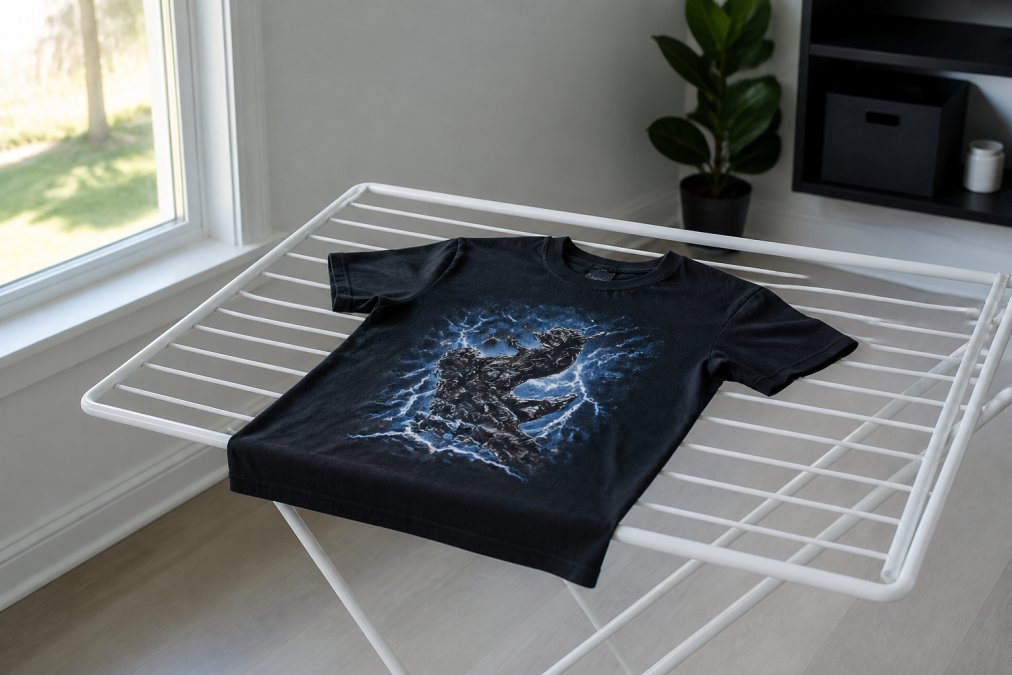
Air drying is the correct method for any graphic tee you want to preserve. Lay the shirt flat on a clean drying rack, print side up, away from direct sunlight. Direct sunlight causes UV-related fading and can heat the ink surface enough to cause surface degradation even without a machine.
If you must use a machine dryer, use the lowest heat setting available and remove the shirt while it is still slightly damp. Tumble dry on low, never high. The residual heat from the garment will finish the job without the sustained thermal assault of a full cycle.
One detail most people miss: ironing directly over a graphic print will destroy it. If ironing is necessary, turn the shirt inside out and use a pressing cloth as a barrier. Never apply a hot iron directly to plastisol or DTG-printed surfaces. The heat press used in production applies controlled, calibrated heat; a household iron does not.
How to Fix Cracked Vinyl on a Shirt (and Screen Prints Too)
Knowing how to fix cracked vinyl on a shirt is genuinely useful information that most care guides skip entirely. Cracking does not automatically mean the garment is finished.
For cracked vinyl heat transfers, a household iron and a pressing cloth can reactivate the adhesive layer if the crack is minor. Place a thin cotton cloth over the design, apply medium heat for 10-15 seconds, then press firmly and allow to cool under a flat weight. This reseats the vinyl against the fabric. According to the Specialty Graphic Imaging Association on heat transfer repair, minor adhesive separation in heat-applied graphics can often be reversed with controlled heat reapplication.
For cracked screen prints, the repair process is different. Plastisol ink that has cracked cannot be re-fused at home because it requires industrial curing temperatures to bond properly. What you can do is use a fabric paint or plastisol-compatible ink to fill the crack, then seal it with a heat press or iron on low heat through a pressing cloth. The result will not be invisible, but it stops the crack from spreading.
Practical repair checklist for cracked prints:
- Assess whether the crack is in vinyl or screen print ink before choosing a method
- For vinyl: iron on low heat through a pressing cloth, press and cool under weight
- For screen print: clean the area, apply matching fabric paint to the crack, cure with low heat
- After repair, wash inside out in cold water only for the next three cycles
- Avoid machine drying the repaired garment for at least two weeks
The honest limitation: repairs extend the life of a garment but rarely restore the original print quality. Prevention is always the better strategy.
Storage Habits That Prevent Graphic Tee Cracking Long-Term
Storage environment has a larger impact on print durability than most people realize. Graphic tee cracking can develop in the closet, not just in the wash, if storage conditions are wrong.
The biggest mistake is hanging graphic tees on wire hangers for extended periods. Hanging puts sustained tension on the shoulder seams and, over time, distorts the fabric in ways that stress the ink layer. Fold and stack instead.
When folding, avoid folding directly through the center of a graphic. Repeated folding along the same crease line creates a stress fracture in the ink at that exact point. Fold from the sides, keeping the graphic flat against the front panel.
Storage environment matters too. High humidity causes fabric to absorb moisture, which swells fibers and stresses the ink-fabric bond. Low humidity combined with heat dries the ink film and makes it brittle. A climate-stable environment, away from exterior walls and heating vents, is the correct storage location. As noted in Textile Exchange's fiber care guidelines, maintaining stable temperature and humidity during storage significantly reduces degradation in printed textiles.
Direct sunlight in a closet or on a shelf causes UV fading even without washing. Store shirts in a drawer or covered area.
Material-Specific Care: Heavyweight Cotton vs. Blends
Material-specific care is a gap in most graphic tee guides. The fabric composition under the print changes how aggressively you need to follow the rules above.
100% heavyweight cotton is the most stable substrate for screen printing. The fibers are consistent, the ink adheres predictably, and the garment responds well to cold water washing. Heavyweight cotton does shrink in high heat, which is a secondary reason to air dry. For collectors and daily wearers alike, heavyweight cotton is the correct choice for print longevity. According to the Cotton Incorporated fiber properties resource, heavyweight cotton fabrics above 6 oz. per square yard retain print adhesion better across repeated wash cycles than lighter-weight alternatives.
Cotton-polyester blends present a different challenge. Polyester fibers are heat-sensitive and can cause the ink layer to shift slightly during high-temperature washing or drying. Blends also have a slightly different surface tension than pure cotton, which affects how well plastisol ink adheres during the screen printing process. The care routine is the same, but the margin for error is smaller: even one high-heat dryer cycle can cause visible cracking on a blend that would survive on heavyweight cotton.
Tri-blends (cotton, polyester, rayon) are the most delicate. Rayon is particularly vulnerable to heat and agitation. Cold water, gentle cycle, air dry flat is not a suggestion for tri-blends. It is the only viable routine.
| Fabric Type | Heat Tolerance | Wash Setting | Drying Method | Cracking Risk |
|---|---|---|---|---|
| Heavyweight cotton (6+ oz) | Moderate | Cold, gentle | Air dry flat | Low with correct care |
| Cotton-poly blend | Low | Cold, gentle | Air dry only | Medium |
| Tri-blend (cotton/poly/rayon) | Very low | Cold, delicate | Air dry flat only | High without strict care |
| 100% polyester | Very low | Cold, delicate | Air dry only | High |
The core principle holds across all materials: the lighter and more synthetic the fabric, the stricter the care routine needs to be.
Graphic tee cracking is preventable. The prints that fail do so because of repeated exposure to heat, friction, and the wrong detergent chemistry. AW3SOME CLOTHES INC builds every piece on premium heavyweight cotton. Following the cold water wash routine, air drying flat, storing correctly, and choosing the right detergent will keep your prints intact across years of wear. Check the latest drop at AW3SOME CLOTHES INC and SHOP THE LATEST DROP →
Frequently Asked Questions
How do you wash graphic tees so they don't crack?
Turn the shirt inside out before washing to reduce friction on the print. Use cold water on a gentle cycle with a mild detergent, avoid anything with bleach or optical brighteners. Place the tee in a mesh laundry bag for extra protection. Skip fabric softener entirely; it degrades plastisol and water-based inks over time. These steps together are the single biggest factor in extending print durability across dozens of wash cycles.
Does heat cause graphic tees to crack?
Yes. Heat is one of the primary causes of cracking in both screen printed and DTG-printed shirts. High dryer temperatures soften and then re-harden the ink adhesive unevenly, creating stress fractures over time. Ironing directly on a print has the same effect. Always air dry graphic tees or use the lowest tumble dry setting for the shortest time possible, and never iron directly over the design.
Can you fix cracked graphics on a shirt?
Minor cracking on vinyl or heat-press prints can often be repaired at home. Place a thin cotton cloth or parchment paper over the cracked area and apply a household iron on low heat for 10-15 seconds with firm pressure. This can re-bond the adhesive layer. For plastisol screen prints, the repair is harder, cracked ink cannot be fully re-fused at home. A local print shop may be able to reapply a top coat, but results vary by how far the damage has progressed.
How do you preserve graphics on a shirt long-term?
Consistent garment care habits matter more than any single trick. Wash inside out in cold water, air dry away from direct sunlight, and fold rather than hang to avoid fiber stress at the shoulder seams. Store tees in a cool, dry environment, humidity and UV exposure accelerate chemical degradation of ink. Avoid stacking heavy items on top of printed tees in storage. Treating each wash cycle as a controlled process, not an afterthought, is what keeps prints sharp after years of wear.
This article was written using GrandRanker