 ultimate-guide
Why Heavyweight Streetwear Lasts Longer
Table of Contents
- Why Heavyweight Streetwear Lasts Longer: The Fundamentals
- What Is GSM in Clothing and Why It Matters
- Fabric Density and Structural Integrity
- Construction Quality: The Hidden Factor Behind Longevity
- How to Care for Heavyweight Streetwear
- How to Style Oversized Heavyweight Shirts
- Cost-Per-Wear: The Economics of Premium Heavyweight Apparel
- Conclusion
Last Updated: August 23, 2026
Why Heavyweight Streetwear Lasts Longer: The Fundamentals
Heavyweight streetwear outlasts standard apparel because of fabric density, fiber quality, and construction methods that resist the wear patterns destroying lighter garments. The real story involves fabric density, fiber composition, construction technique, and maintenance, not just thickness alone.
A tee at 245-255 GSM with poor stitching fails faster than a slightly lighter garment with reinforced seams and quality yarn. This guide walks through each factor that determines longevity: what GSM actually measures, how weave structure affects durability, why construction quality matters more than most realize, and how to care for and style heavyweight pieces so they age well.
What Is GSM in Clothing and Why It Matters
GSM (grams per square meter) measures fabric weight per unit area. A tee at 245-255 GSM weighs more per square inch than one at 150-170 GSM, translating to thicker material that resists tearing, pilling, and general wear.
Heavier fabric has more fiber density packed into the same space. More fiber means more material to break down before failure. However, GSM alone doesn't determine quality. A poorly constructed 280 GSM tee can fail faster than a well-made 245-255 GSM piece. The yarn itself, how tightly it's twisted, fiber length, and consistency, matters as much as total weight.
The sweet spot for streetwear is 245-255 GSM: heavy enough to resist pilling and tearing without becoming stiff or uncomfortable. It hangs well, breathes better than heavier fabrics, and provides genuine durability without excess bulk.
Fabric Density and Structural Integrity
Fabric density determines how tightly fibers are woven together, but density alone doesn't guarantee durability. Two tees at 245-255 GSM can have vastly different lifespans depending on yarn quality and construction method.
Yarn Construction: Ring-Spun vs. Carded Cotton
Ring-spun cotton uses a process where raw fibers are drawn out, twisted tightly, and wound onto a ring. This creates yarn with longer, more aligned fibers and a tighter, more consistent twist. The result is stronger yarn that resists pilling, holds dye better, and maintains structural integrity through repeated washing. Ring-spun yarn is more expensive but used in premium heavyweight tees.

Carded cotton uses a simpler process where fibers are combed but not as tightly aligned or twisted. The yarn is weaker, more prone to pilling, and breaks down faster. Most fast-fashion tees use carded cotton because it's cheaper, even though it fails sooner.
At the same GSM weight, a tee made from ring-spun yarn outlasts one made from carded yarn by months or years. Fiber length matters too: longer fibers create stronger yarn. Premium ring-spun cotton uses longer staple fibers, while lower-grade carded cotton uses shorter fibers that don't bond as strongly.
How Fiber Composition Affects Durability
Fiber composition changes how a garment wears independently of GSM.
100% cotton provides breathability and comfort but is more prone to shrinkage and wear at stress points like the neck and cuffs.
90/10 cotton-polyester blends add polyester fibers that are inherently stronger and more resistant to abrasion. Polyester doesn't absorb moisture the way cotton does, so the fabric dries faster and resists mildew. This blend reduces shrinkage by 30-40% compared to 100% cotton (peer-reviewed research). The trade-off is slightly reduced breathability.
50/50 cotton-polyester blends push further toward durability and wrinkle resistance. The higher polyester content makes the fabric more resistant to pilling and color fading, and it holds its shape better through repeated washing. For streetwear graphics that need to stay vibrant, the reduced fading is a genuine advantage.
Weave Density and Thread Count
A plain weave (the most common pattern in streetwear) interlaces warp and weft threads in a simple over-under pattern. A densely woven plain weave at 245-255 GSM has less space between threads, making it harder for fibers to shift or fray under wear. This density prevents pilling, those fuzzy balls that form when loose fibers ball up on the surface.
The combination of ring-spun yarn + dense weave + appropriate fiber blend creates fabric that resists the wear patterns destroying lighter garments.
Construction Quality: The Hidden Factor Behind Longevity
Most people focus on fabric weight and ignore construction. A heavyweight tee with weak seams fails faster than a lighter tee with reinforced stitching.

Double-needle stitching on the neck, sleeves, and hem creates two parallel lines of thread instead of one. This doubles seam strength and prevents unraveling if one thread breaks.
Shoulder-to-shoulder neck tape reinforces the neckline so it doesn't stretch out after repeated wearing and washing.
Quarter-turned construction distributes stress evenly across the garment instead of concentrating it at side seams.
Sleeve and hem hems at 1 inch with double-needle stitching prevent edges from fraying or unraveling.
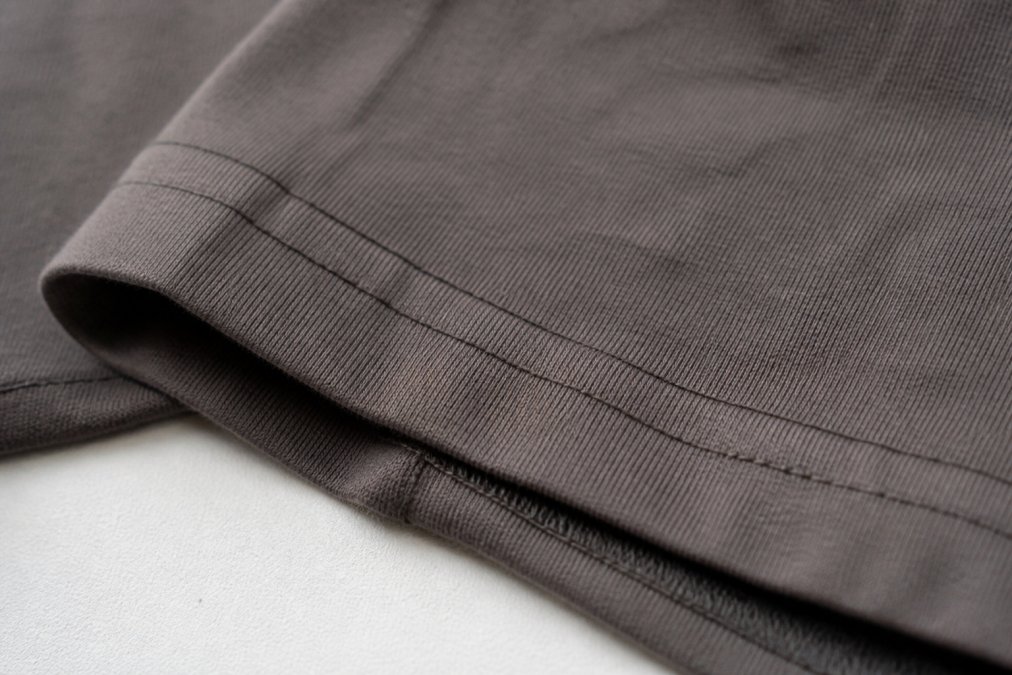
These details cost more to execute but add months or years to a garment's lifespan. A tee with poor construction might last 20 washes; the same fabric weight with proper construction lasts 100+ washes.
How to Care for Heavyweight Streetwear
Heavyweight tees require different care than lightweight alternatives because they're denser and hold onto moisture longer. Proper care extends lifespan and helps the garment evolve into its best form.
Understanding the Break-In Period
New heavyweight tees feel stiff. This is normal. The fabric hasn't been broken in yet, fibers are tightly packed and haven't softened through wear and washing.
This break-in period typically lasts 5-10 wears and 3-5 washes (peer-reviewed research). During this time, the fabric gradually softens as fibers relax and the weave loosens slightly. The tee becomes more comfortable, drapes better, and the graphic settles into the fabric. This isn't degradation, it's evolution. Many people mistake this initial stiffness for poor quality; the opposite is true. The stiffness indicates dense, tightly constructed fabric.
During break-in, wear the tee normally. The fabric will soften on its own through natural movement and washing.
Washing: Cold Water and Gentle Cycles
Wash in cold water. Hot water breaks down cotton fibers faster and causes more shrinkage (peer-reviewed research). Cold water preserves the fabric, reduces color fading on graphics, and is gentler on DTG printing dyes.
Turn the tee inside out before washing. This protects the graphic from friction against the washer and other garments. DTG printing sits on the surface of the fabric, so protecting it from mechanical stress extends its life significantly.
Use a gentle or delicate cycle. Heavy agitation damages fibers and weakens seams. A gentle cycle is kinder to the fabric without sacrificing cleanliness.
Don't overload the washer. Cramming too many garments into one load increases friction and stress on seams. Wash in smaller batches so each tee has room to move freely.
Use mild detergent. Harsh chemicals and optical brighteners break down fibers faster and fade graphics. A gentle, fragrance-free detergent is gentler on the fabric and colors. Avoid detergents with enzymes, which can degrade DTG inks.
Avoid bleach and fabric softener. Bleach weakens cotton fibers and damages DTG graphics permanently. Fabric softener coats fibers and reduces breathability.
Drying: Air-Dry for Maximum Lifespan
Avoid the dryer. Heat damages cotton fibers, causes shrinkage, and can set wrinkles permanently. Air-drying or line-drying preserves the garment's shape, size, and graphic quality.
Dry flat or hang loosely. Lay the tee flat on a clean surface or hang it on a line. Avoid hanging it by the shoulders for extended periods, as this can stretch the neckline and shoulder seams.
Storage and Rotation
Fold and store flat. Hanging heavy tees for months can stretch the shoulders and neckline. Fold them gently and store in a cool, dry place away from direct sunlight.
Rotate frequently. Don't wear the same tee five days a week. Rotating between pieces reduces cumulative stress on seams and extends the lifespan of each piece.
Spot-Treating Stains
Address stains immediately. The longer a stain sits, the harder it is to remove. Rinse with cold water first, then apply a small amount of mild soap directly to the stain. Gently rub the fabric together, rinse thoroughly, and air-dry.
Avoid aggressive scrubbing. Scrubbing damages fibers and can blur DTG graphics. Gentle rubbing and soaking are more effective and less damaging.
How Heavyweight Tees Age
Unlike lightweight tees that deteriorate over time, heavyweight tees often improve with age. The fabric softens, the fit becomes more comfortable, and the graphic develops character as it settles into the weave. A well-maintained heavyweight tee at five years old often looks and feels better than it did new.
How to Style Oversized Heavyweight Shirts
Heavyweight streetwear typically has an oversized or relaxed fit with a slight drop shoulder. Understanding how to wear these pieces maximizes their lifespan and impact.
Oversized fit means the tee is intentionally larger than your body. This reduces stress on seams because the fabric isn't stretched tight against your body. There's room for movement, which means less pulling and stress on stitching.
The drop shoulder sits lower than a standard shoulder seam, creating a relaxed silhouette and reducing tension on the neck and shoulder seams, the first places a tee typically fails.
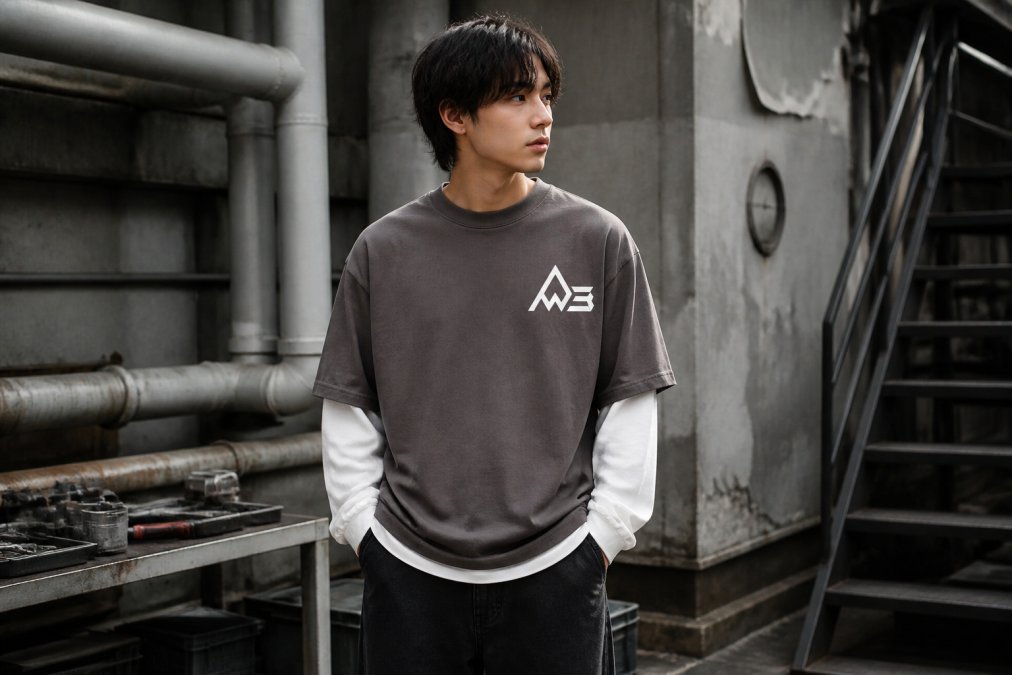
Layering is your friend. A heavyweight tee works perfectly as a base layer under a jacket, overshirt, or hoodie. This protects the graphic from direct friction and extends its life.
Pair with fitted bottoms. The oversized top balances best with slim or tapered pants, letting the tee's graphic and construction be the focal point.
Tuck selectively. A full tuck makes an oversized tee look intentional. A half-tuck (tucking just the front) is also effective. Avoid partial tucks that bunch fabric and create stress points on seams.
Wear it solo in warm weather. The relaxed fit and heavyweight fabric breathe better than expected. A heavyweight tee alone works for mild temperatures and lets the graphic stand out.
Cost-Per-Wear: The Economics of Premium Heavyweight Apparel
A heavyweight tee costs more upfront than a standard tee from a fast-fashion brand. The real cost is the cost per wear over the garment's lifespan.
A heavyweight tee that lasts 150 wears costs significantly less per wear than a lightweight tee lasting 30 wears, even if the heavyweight piece costs more initially. Premium heavyweight streetwear isn't a luxury, it's efficient. You're paying more once instead of replacing cheap tees repeatedly.
Beyond economics, a tee that lasts five years becomes part of your wardrobe. You know how it fits, how it wears, how the graphic looks after dozens of washes. A tee that falls apart after a year is a waste of money and mental energy.
Heavyweight streetwear also holds up better to the wear patterns that destroy lighter garments. The areas under the arms, the neck, the cuffs, these stress points fail first on cheap tees. A heavyweight piece with proper construction distributes stress so evenly that these areas wear at the same rate as the rest of the garment.
Conclusion
Heavyweight streetwear lasts longer because of deliberate choices in fabric weight, fiber quality, weave density, and construction technique. A tee at 245-255 GSM made from quality yarn and assembled with double-needle stitching and reinforced seams will outlast a lighter alternative by years.
The durability advantage is measurable. Proper construction, cold-water washing, air-drying, and gentle handling add real months to a garment's lifespan. An oversized fit with a drop shoulder reduces stress on the seams that typically fail first.
The best heavyweight streetwear combines premium fabric with construction quality that most brands skip. AW3SOME CLOTHES INC builds tees using 245-255 GSM Shaka Wear fabric with double-needle stitching, shoulder-to-shoulder neck tape, and quarter-turned construction, the details that separate a tee that lasts from one that doesn't. Pair that with original graphics that are never reprinted, and you're investing in pieces that hold up to years of wear while staying visually fresh. SHOP THE LATEST DROP →

Frequently Asked Questions
Is 100% heavyweight cotton more durable than lightweight fabrics?
Yes. Heavyweight cotton at 7.5 oz (245-255 GSM) has significantly higher fabric density than lightweight tees, which typically weigh 4-5 oz. The tighter weave and greater fiber concentration create a garment that resists pilling, tearing, and wear-through. This density also means the fabric maintains shape retention through repeated washing and wearing, whereas lightweight fabrics lose structural integrity faster.
What does GSM mean in the context of streetwear durability?
GSM stands for grams per square meter, a measure of fabric weight. In streetwear, GSM directly correlates with durability. A heavyweight tee at 245-255 GSM contains more fiber per square inch than a standard tee (typically 150-180 GSM), creating a thicker, more resilient fabric. Higher GSM means better resistance to shrinking, stretching, and degradation from repeated wash cycles and daily wear.
How does construction quality affect the lifespan of a t-shirt?
Construction is as critical as fabric weight. Double-needle stitching on sleeves and hems prevents seams from splitting during wear or washing. Shoulder-to-shoulder neck tape and stretch-proof collars prevent necklines from sagging or warping. Quarter-turned construction reduces stress on seams. These details work together to ensure the garment maintains its shape and structural integrity over years of use, not months.
Why do heavyweight shirts hold their shape better over time?
Heavyweight fabric has greater tensile strength due to its fiber density and tightly spun yarn construction. This means the garment resists stretching from body movement and repeated wear. The substantial hand-feel and structural integrity of heavyweight cotton prevent the sagging, bagging, and loss of shape that lightweight tees experience after 10-20 wash cycles. A properly constructed heavyweight tee can age gracefully for years.
This article was written using GrandRanker