 ultimate-guide
What Makes Streetwear Premium: Quality Over Hype
Table of Contents
- Premium Streetwear vs. Fast Fashion: The Core Difference
- Fabric Weight and Material Composition in Premium Apparel
- Construction Quality: Where Durability Begins
- Design Intention and Original Artwork as a Mark of Authenticity
- What Is DTG Printing in Streetwear and Why It Matters
- How to Style Oversized Heavyweight Shirts for Maximum Impact
- Longevity, Care, and Resale Value: The Investment Perspective
- Identifying Quality Craftsmanship: What to Look For
- Frequently Asked Questions
Last Updated: September 30, 2026
Premium streetwear apparel isn't defined by price tags alone; premium streetwear quality is built on fabric, construction, and design intention. What makes streetwear premium is the deliberate combination of fabric quality, construction precision, original design intention, and the craftsmanship visible in every detail. At AW3SOME CLOTHES INC, we've built our entire approach around these principles, sourcing heavyweight cotton, investing in reinforced construction, and committing to original artwork that never gets reprinted. This guide breaks down exactly what separates premium streetwear from fast fashion, and how to identify quality that actually lasts.

Premium Streetwear vs. Fast Fashion: The Core Difference
The gap between premium streetwear and fast fashion starts with intentionality. Fast fashion prioritizes volume and trend cycles, designs churn out, wear thin, and get replaced within months. Premium streetwear operates on a different philosophy: durable garments built for longevity, original designs tied to a brand's artistic vision, and construction that withstands repeated wear.

Premium brands invest in fabric selection and construction methods that cost more upfront, and this commitment to premium streetwear quality becomes obvious after the first few washes. A fast-fashion tee might use 4-5 oz lightweight cotton that feels thin and loses shape quickly. Premium streetwear uses substantially heavier fabric, 7.5 oz or higher, paired with reinforced seams, double-needle stitching, and neck tapes designed to resist stretching. The difference becomes obvious after the first few washes.
Design philosophy separates them further. Fast fashion chases trends; premium streetwear builds cultural narratives. Original artwork, limited drops, and a commitment to never reprinting designs create scarcity and authenticity. When a design is gone, it's gone, collectors understand this creates real value. Fast fashion's disposability model contradicts everything premium streetwear stands for.
Fabric Weight and Material Composition in Premium Apparel
Fabric weight, measured in GSM (grams per square meter) or ounces per yard, is the foundation of durability. Premium streetwear typically uses 7.5 oz (245-255 GSM) fabric, while standard tees hover around 4.5-5.5 oz. That extra weight creates a denser hand, the garment feels substantial, lays flat against the body, and resists pilling and fading.
The cotton itself matters as much as the weight. USA-spun cotton, sourced from domestic suppliers, maintains consistent quality and supports transparent supply chains. Standard colors in premium streetwear are 100% cotton, while heather and charcoal blends often incorporate polyester (90/10 or 50/50 ratios) to add subtle texture and tone variation without compromising durability.
16-singles yarn, a measure of thread fineness, creates a smoother surface that holds print detail crisply. Finer yarns pack more tightly, reducing pilling and extending the garment's visual lifespan. This technical specification rarely appears on fast-fashion tags, yet it's one of the first things experienced buyers notice.
Construction Quality: Where Durability Begins
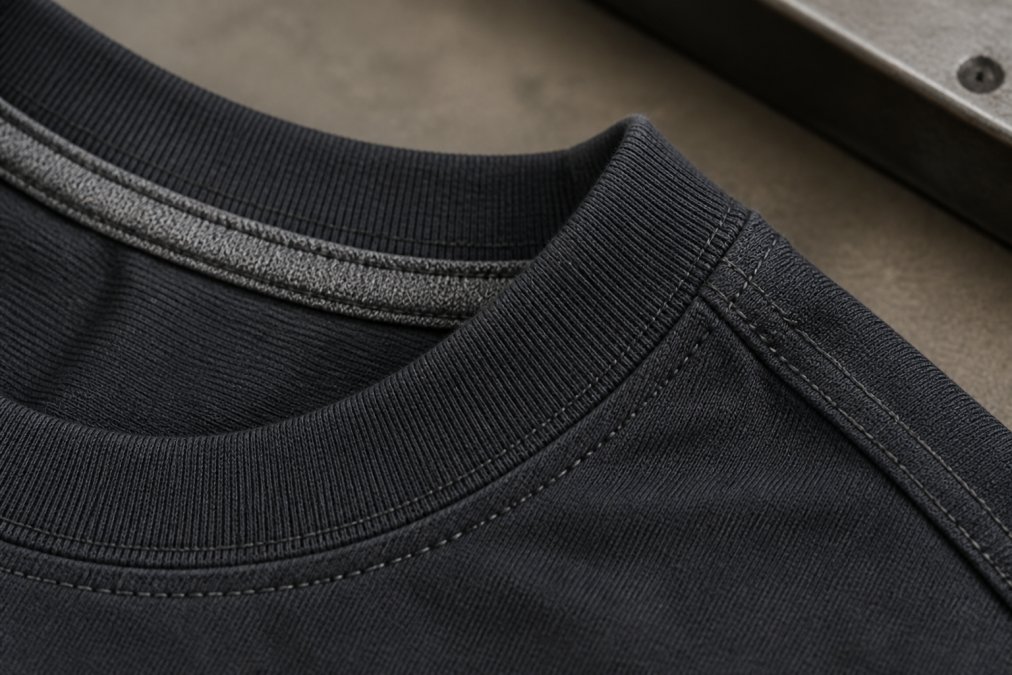
Premium construction is where design intention becomes wearable reality. Double-needle stitching on the neck and hems prevents seams from splitting after repeated washing and stretching. A stretch-proof collar uses reinforced neck tape, shoulder-to-shoulder coverage that prevents the neckline from warping into an oval shape over time.
The sleeve and bottom hems deserve attention. Premium streetwear uses 1" double-needle stitching, creating a visible, durable hem that flatters the silhouette and resists unraveling. Quarter-turned construction, rotating the fabric during cutting, removes the center crease and ensures the front graphic sits perfectly centered without pressing.
Fast fashion often cuts corners here. Single-needle stitching, thin neck tape, or no neck tape at all means the garment degrades quickly. After five to ten washes, the neckline stretches, seams start pulling, and the shirt feels loose and shapeless.
Design Intention and Original Artwork as a Mark of Authenticity
Original artwork is the soul of premium streetwear. Every design tells a story, whether it's a technical schematic, a cultural reference, or an abstract composition that reflects the brand's aesthetic vision. Original designs create emotional connection and cultural relevance that mass-produced graphics simply cannot match.
The commitment to never reprinting designs elevates authenticity further. When a design drops and sells out, it's gone forever. This scarcity model protects the original buyers' investment and ensures the brand isn't diluting its catalog with endless rereleases. Collectors understand this: owning a limited-edition design from a brand that honors its archive holds real cultural value.
Fast fashion's approach is the inverse. Designs get recycled, reprinted, and stretched across multiple seasons. The artwork often lacks artistic depth, it's derivative, trend-chasing, or licensed from external creators without a cohesive brand vision. This commodifies the garment into a disposable item rather than a meaningful piece.
What Is DTG Printing in Streetwear and Why It Matters
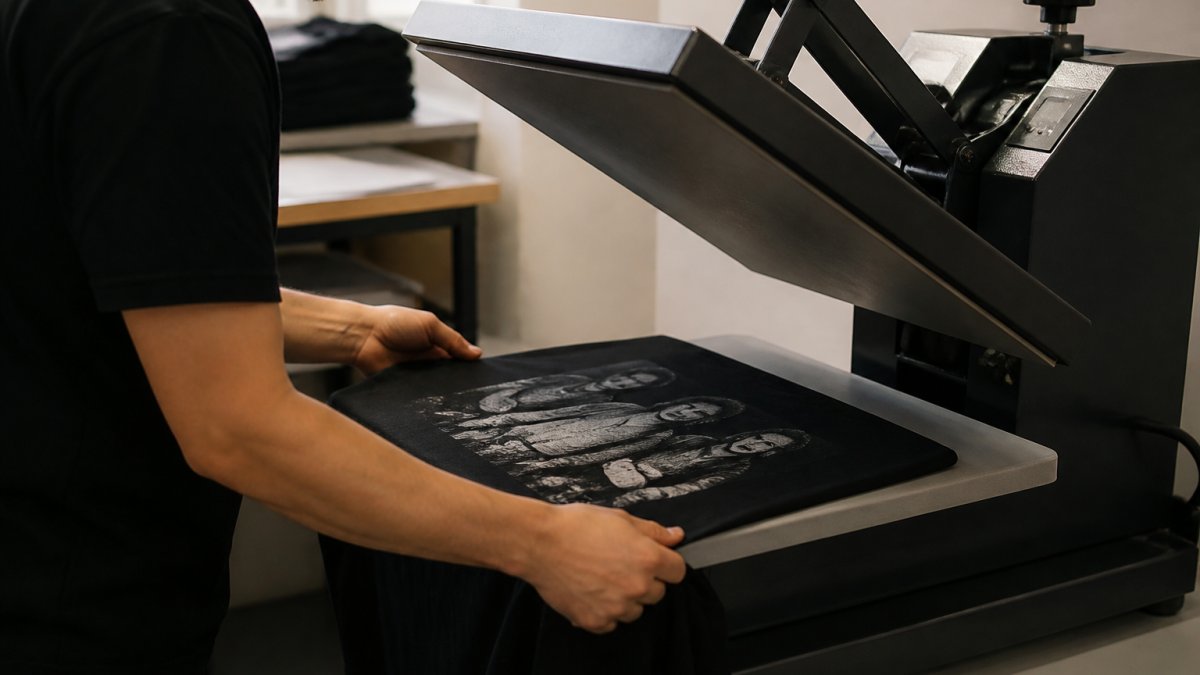
DTG (direct-to-garment) printing is a digital method that applies ink directly to the fabric surface, creating detailed, multi-color designs without the limitations of screen printing. The process uses specialized inkjet technology to deposit water-based inks onto the garment, allowing for photographic quality, gradients, and fine detail that traditional methods struggle to achieve.
DTG excels at original artwork because each design can be unique. There's no need to create separate screens for each color, making small runs and limited editions economically viable. The ink sits on the fabric surface, allowing the cotton to breathe while maintaining color vibrancy through repeated washing.
Graphic Tee — Geometric Emblem Back →
However, when garments are washed cold and dried on low heat, standard care for premium streetwear, DTG prints remain vibrant for years.
Screen printing, by contrast, requires separate screens for each color, making it expensive for complex multi-color designs. It's less practical for the original, limited-edition designs that define premium streetwear culture.
How to Style Oversized Heavyweight Shirts for Maximum Impact
Oversized heavyweight tees benefit from intentional styling. The relaxed fit and slight drop shoulder create a silhouette that works best when balanced with fitted or structured bottoms. High-waist jeans, cargo trousers, or tailored pants ground the oversized top and prevent the outfit from appearing shapeless.
Layering amplifies the impact. A heavyweight tee under an open button-up, denim jacket, or oversized overshirt creates visual depth and texture. The substantial fabric of a premium tee means it holds its shape under layering, it won't bunch or create awkward bulk.
Footwear and accessories matter. Clean sneakers, boots, or minimal jewelry complement the modern aesthetic of original streetwear graphics. The goal is letting the design breathe without competing elements.
The drop shoulder and oversized fit naturally suit contemporary styling. Avoid pairing with overly baggy bottoms, which can obscure the silhouette. The garment's construction quality means it looks intentional and designed, not accidentally oversized.
Longevity, Care, and Resale Value: The Investment Perspective
Premium streetwear holds value because it lasts. A well-maintained heavyweight tee from a respected brand can stay in rotation for years. The fabric resists fading, seams don't split, and the neckline doesn't warp, the garment simply ages gracefully.
Proper care extends this lifespan significantly. Cold water washing, low-heat drying, and avoiding harsh chemicals preserve both fabric and print. Premium streetwear brands often include care instructions that reflect this understanding. Following them isn't optional, it's the difference between a garment that lasts a decade and one that degrades in two years.
Resale value is real for limited-edition designs from established brands. A sold-out design from a brand known for original artwork and never reprinting can command premium prices on secondary markets. This transforms the initial purchase into an investment rather than pure consumption. Fast fashion garments, by contrast, have zero resale value, they're designed to be discarded.
Identifying Quality Craftsmanship: What to Look For
Examine the garment before purchase. Feel the fabric weight, premium streetwear should feel substantial and dense, not thin or flimsy. Run your fingers across the print; DTG artwork should feel smooth and integrated into the fabric, not raised or plasticky.
Check the seams. Double-needle stitching is visible as a parallel line of stitches running along the hem and neckline. A stretch-proof collar will show reinforced tape running shoulder-to-shoulder inside the neck. These details cost more to execute but signal that the brand prioritizes durability.
Examine the fit and construction.
Frequently Asked Questions
What makes streetwear considered premium versus regular casual clothing?
Premium streetwear combines superior fabric weight (typically 7.5 oz or 245-255 GSM for cotton), reinforced construction with double-needle stitching, and intentional design that reflects cultural relevance and artistic vision. Fast fashion relies on thin fabrics, minimal seaming, and trend-chasing designs meant to wear out quickly. Premium pieces are built to last years and maintain their aesthetic through repeated wear and washing, making them an investment rather than a disposable purchase.
How does fabric weight affect the quality and durability of a premium tee?
Fabric weight, measured in GSM (grams per square meter) or ounces, directly impacts how a garment feels, drapes, and endures wear. A 7.5 oz heavyweight cotton (245-255 GSM) provides a substantial hand feel, resists pilling, holds printed graphics crisply without cracking, and maintains its shape through many wash cycles. Lighter fabrics (under 5 oz) feel thin, allow graphics to crack or fade faster, and lose structure after repeated laundering. Heavier weight isn't universally superior, but for graphic tees designed to showcase artwork, it's essential for longevity.
Why is original graphic design important in premium streetwear?
Original artwork distinguishes premium streetwear from mass-produced fast fashion. Brands that invest in unique, never-reprinted designs signal authenticity, cultural relevance, and artistic intention, qualities that resonate with collectors and conscious consumers. Original graphics also preserve exclusivity; once a design sells out, it remains unavailable, creating scarcity and cultural value. This contrasts sharply with fast fashion's model of endlessly reprinting trends, which dilutes identity and encourages disposable consumption.
How should I care for premium heavyweight streetwear to preserve its quality?
Wash heavyweight tees in cold water (max 30°C/90°F) with non-chlorine bleach as needed, and tumble dry on low heat or air dry to prevent shrinkage and graphic degradation. Avoid ironing and dry cleaning, which can damage printed artwork. Turn the garment inside out before washing to protect graphics. Proper care extends the lifespan of premium pieces by years, preserves print detail, and maintains the fabric's hand feel and structural integrity, making the initial investment worthwhile over time.