 listicle
Benefits of Limited Edition Clothing: Why It Matters
Table of Contents
- What Makes Clothing Limited Edition?
- The Value of Exclusive Streetwear for Buyers
- Why Scarcity Drives Desire: Consumer Psychology
- Benefits of Heavyweight Cotton Tees in Drops
- What Is DTG Printing in Apparel and Why It Fits Limited Runs
- How to Style Graphic Streetwear for Everyday Wear
- When Limited Edition Goes Wrong: Pitfalls to Avoid
- Conclusion: The Lasting Impact of Limited Edition Clothing
- Frequently Asked Questions
Last Updated: September 6, 2026
Limited edition clothing flips the standard retail model on its head. Instead of producing endless inventory, brands create a set quantity of a design, sell it until it is gone, and never reprint it. This approach changes everything about how a garment is valued, purchased, and worn, which is why the benefits of limited edition clothing reach far beyond simple exclusivity.
The strategy is common across streetwear and fashion, where drops generate anticipation and sell out quickly. At AW3SOME CLOTHES INC, we build our entire model around this concept: original graphics, premium heavyweight construction, and a strict no-reprint culture. Each release is a one-time opportunity. The benefits of limited edition clothing are not just about owning something rare, though that is part of it. The model creates a deeper connection between the buyer and the piece, encourages faster purchasing decisions, and allows brands to focus on quality rather than sheer volume.
What Makes Clothing Limited Edition?
Limited edition clothing is defined by a fixed production run. A brand produces a specific number of units for a single release, and once those units sell, the design is retired permanently. This contrasts with mass-produced apparel, which remains available for long periods and is often restocked to meet demand.
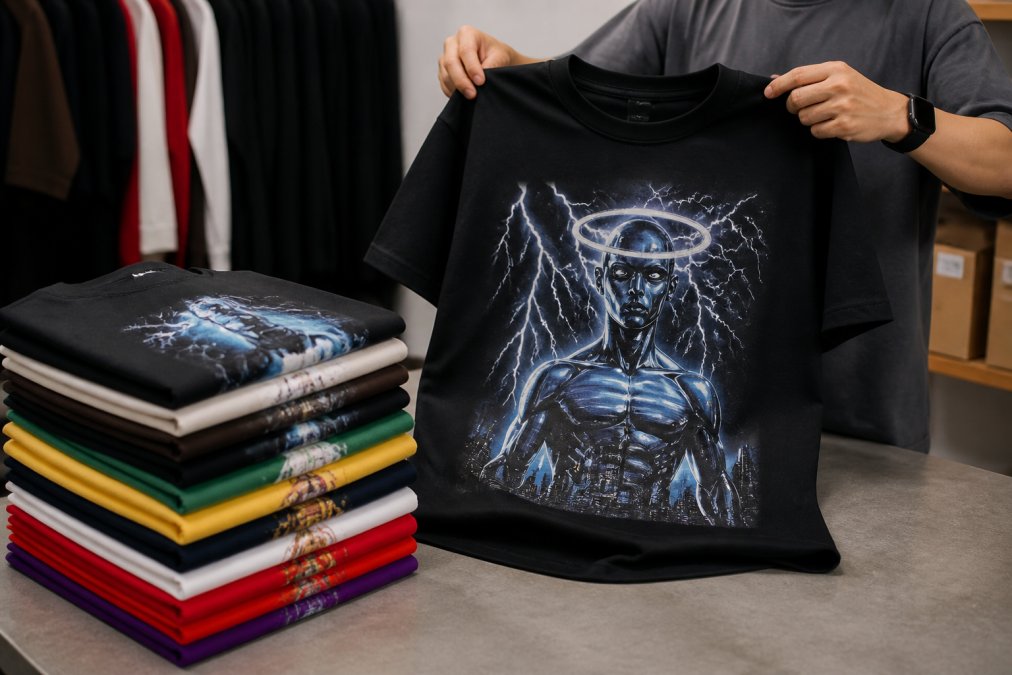
Several factors signal a true limited edition release. The brand communicates the run size upfront, whether that is 50 pieces or 500. The design has a distinct identity tied to a specific moment or theme. Most importantly, the brand commits to never reproducing the design after the initial sale. This commitment is what separates a genuine limited edition from a marketing label. The garment becomes a snapshot in time, and that permanence is what drives its appeal.
The Value of Exclusive Streetwear for Buyers
For buyers, the value of exclusive streetwear is rooted in self-expression. Wearing a piece that few others own makes a statement that off-the-rack clothing cannot match. It signals that the wearer has taste, timing, and access.
Exclusive streetwear also carries a sense of narrative. When you buy a limited piece, you are participating in a specific moment in the brand's history. You are not just purchasing a shirt; you are collecting a piece of a story that will never be told again. This transforms the garment from a simple clothing item into a conversation starter and a personal artifact. The value is not only aesthetic but also emotional, tied to the experience of being part of a select group.
Why Scarcity Drives Desire: Consumer Psychology
Scarcity is a powerful driver in consumer psychology. When an item is perceived as rare or difficult to obtain, its desirability increases. This is a well-documented principle: people tend to assign higher value to things that are limited in availability.
The fear of missing out, often called FOMO, plays a significant role here. When a brand announces a drop with a limited quantity, it creates urgency. Buyers know they have a narrow window to make a decision. This urgency speeds up the decision-making process and can increase the conversion rate for a release. The psychology is straightforward: if the item will not be available later, the cost of inaction feels higher than the cost of purchase now.
The Collector's Mindset and Resale Value
Scarcity also fuels the collector's mindset. For some buyers, owning a limited piece is the first step in building a curated wardrobe. For others, there is a financial angle: the secondary market.
When a design sells out and is never reprinted, its rarity can drive up its resale value. Pieces from past drops often trade on resale platforms for more than their original retail price, especially if the brand has a strong following. This potential for appreciation adds another layer to the value of exclusive streetwear. The item is not just a purchase; it is a potential asset. While not every piece will increase in value, the possibility is a real consideration for many buyers and adds to the overall appeal of participating in drops.
Benefits of Heavyweight Cotton Tees in Drops
The fabric of a limited edition piece matters as much as the design. Many streetwear brands, including AW3SOME CLOTHES INC, use heavyweight cotton tees for their drops because the material supports the premium positioning of the release.
A heavyweight tee, typically weighing around 7.5 oz or 245-255 GSM, feels substantial when you hold it. The benefits of heavyweight cotton tees are noticeable immediately: the fabric drapes well, holds its shape, and provides a solid canvas for graphic prints. Key construction details often include a double-needle stitched neck, shoulder-to-shoulder neck tape, and a stretch-proof collar, all of which contribute to durability. When a design is limited, the quality of the garment ensures it is worth keeping for years, not just a single season. The heavier fabric also supports an oversized or relaxed fit without looking sloppy, which is a staple of modern streetwear style.
What Is DTG Printing in Apparel and Why It Fits Limited Runs
Direct-to-garment printing, or DTG, is a digital method where a printer applies water-based inks directly onto the fabric. This process is a common choice for limited edition apparel because of its flexibility and precision.
What is DTG printing in apparel and why does it matter for drops? DTG allows for highly detailed, full-color graphics with a soft hand-feel, meaning the print does not crack or peel easily and blends into the fabric. For small-batch production, DTG is efficient because it does not require the setup costs associated with other methods like screen printing. This makes it financially practical to produce just a few dozen or a few hundred pieces of a unique design. DTG supports the limited edition model by making it viable to print complex, original artwork on demand, without committing to thousands of units. The result is a high-quality print that matches the premium nature of the garment itself.
How to Style Graphic Streetwear for Everyday Wear
Owning a limited piece is one thing; wearing it well is another. Graphic streetwear is versatile, but the key is to let the shirt be the focal point of the outfit.
For a casual look, pair a graphic tee with well-fitted jeans or joggers and clean sneakers. The oversized fit of many heavyweight tees works best when balanced with a tapered bottom. For a more polished approach, layer the tee under an open flannel, a denim jacket, or a minimalist bomber. This adds depth without distracting from the graphic. The goal is to make the limited piece look intentional, not costumed. Since the design is unique, it naturally draws attention, so keeping the rest of the outfit simple ensures the shirt remains the hero of the ensemble.
When Limited Edition Goes Wrong: Pitfalls to Avoid
The limited edition model is powerful, but it is a tool that requires careful handling. When executed poorly, it can erode the very trust and excitement it is meant to build. Understanding these failure modes is essential for both brands and the buyers who navigate these releases.
The Trap of Scarcity Fatigue
Scarcity works because it is an exception, not a rule. When a brand releases a new 'limited' drop every week, the mechanism breaks down. Buyers experience what industry practitioners call 'scarcity fatigue.' The urgency fades because the market is perpetually flooded with 'exclusive' items. If everything is limited, nothing is.
A common pattern is the brand that over-indexes on FOMO to drive short-term sales. They announce a drop with a 24-hour window, creating a spike in traffic and conversions. But this strategy has a hidden cost. It conditions buyers to make impulsive decisions, which often leads to buyer's remorse and a higher rate of returns. It also trains the audience to wait for the next drop rather than deeply valuing the current one. The result is a churn of transactions without the long-term brand loyalty that true exclusivity should foster.
The Danger of Artificial Scarcity
The most damaging pitfall is artificial scarcity. This occurs when a brand markets a product as limited but has no intention of retiring the design, or when it produces a large quantity but claims a smaller run size to manufacture hype. In the age of social media, this is a high-risk gamble. Buyers compare notes, and a brand that claims 'only 100 made' but is seen restocking or producing more will be called out.
The backlash is not just about the broken promise. It delegitimizes the entire product line. Once a brand is caught inflating scarcity, every future drop is viewed with suspicion. The trust that takes years to build is destroyed in a single post. For buyers, this is a signal to be discerning. A true limited edition is defined by verifiable constraints: a numbered run, a clear statement of no reprints, and a track record of honoring that commitment.
The Logistics of Small-Batch Production
For brands, the operational reality of limited drops is a significant challenge. Producing 100 units of a design is fundamentally different from producing 1,000. The per-unit cost is higher, and the supply chain is less forgiving. A misstep in sizing, a printing error, or a delay in delivery can wipe out the already thin margins on a small run.
A practical approach is to design for the constraints of small-batch production. This means choosing a manufacturing partner that specializes in short runs and can provide accurate lead times. It also means being conservative with inventory, it is better to sell out in a day and have unmet demand than to overproduce and be left with dead stock that must be discounted, which undermines the 'limited' narrative. For buyers, understanding these logistics explains why some drops sell out in minutes: the brand is deliberately keeping supply tight to manage risk and maintain the perception of scarcity.
The Stress of the Hunt
Finally, there is the consumer's experience of the drop itself. The excitement of a limited release can quickly turn to frustration. Website crashes, sold-out carts, and unclear release times create a stressful experience. When the process feels unfair or opaque, it breeds resentment. Buyers who repeatedly miss out may disengage entirely, deciding the hassle is not worth the reward.
Successful limited edition strategies respect the consumer's time. Clear communication about the drop time, a reliable purchasing process, and a fair limit on units per customer all contribute to a positive experience, even for those who don't get the item. The goal is to make the buyer feel like they had a fair shot, which keeps them engaged for the next release.
Conclusion: The Lasting Impact of Limited Edition Clothing
The benefits of limited edition clothing are clear: it creates a stronger connection between the wearer and the garment, drives urgency, and allows brands to focus on craftsmanship rather than mass production. It transforms a basic piece of apparel into a collectible item with a story.
For AW3SOME CLOTHES INC, this philosophy is at the core of what we do. We focus on premium heavyweight construction and original, tech-inspired graphics that are never reprinted. Each drop is a chance to own a piece of original art. If you are ready to build a wardrobe with pieces that are truly your own, explore the latest release and find a design that speaks to you. SHOP THE LATEST DROP →
Frequently Asked Questions
Does limited edition clothing hold its value better?
Often, yes. Pieces produced in small batches with original designs can gain value in the secondary market, especially if the brand gains popularity over time. The resale value depends on the brand's reputation, the design's appeal, and the initial scarcity. However, not every limited item appreciates; it's a matter of market demand and cultural relevance.
Why do people prefer limited edition apparel over mass-produced items?
Limited edition apparel offers a sense of exclusivity that mass-produced items cannot. Buyers are drawn to the rarity and the opportunity to own something unique that few others have. This exclusivity often translates to a stronger emotional connection with the garment, and for many, it's a way to express individual style and status.
What does 'limited edition' mean in clothing?
In clothing, 'limited edition' means a specific design or colorway is produced in a small, fixed quantity. Once that run sells out, the design is typically retired and never reprinted. This creates scarcity and urgency, making each piece a collectible rather than a standard, always-available item.
How does exclusivity impact personal style?
Exclusivity allows you to build a wardrobe that stands apart from the mainstream. Wearing a limited piece means you are less likely to see someone else in the same outfit, which reinforces your personal identity. It shifts the focus from following trends to curating a collection that reflects your specific taste and values.