 comparison
Dopebeyond Alternatives for Graphic Streetwear
Table of Contents
- What Makes Premium Graphic Streetwear Stand Out
- Heavyweight Graphic Tees: Fabric Weight and Garment Construction
- DTG Printing Quality and Durability in Streetwear Graphics
- Independent Streetwear Brands Worth Your Attention
- How to Identify High-Quality Graphic Streetwear
- Limited Edition Drops vs. Sustainable Collections
- Finding Graphic Streetwear Alternatives That Fit Your Budget
- Conclusion
Last Updated: August 20, 2026
What Makes Premium Graphic Streetwear Stand Out
Premium graphic streetwear isn't just about the design, it's about how the garment feels in your hands, how it wears over time, and whether the construction survives repeated washing without degrading. When you're looking at graphic streetwear alternatives, understanding what separates a $25 tee from a $40 one comes down to three things: fabric weight, garment construction, and print durability.
The foundation is fabric. Most casual graphic tees use lightweight cotton around 150-180 GSM, which feels thin and shows wear quickly. Premium options jump to 7.5 oz (245-255 GSM) heavyweight cotton, which creates a denser surface that holds print detail crisply and resists pilling. The difference is tangible, a heavyweight tee drapes differently, feels more substantial in your hands, and maintains its shape through dozens of washes.
Garment construction matters equally. A quality graphic tee includes reinforced details like double-needle stitching on the neck, sleeves, and hem, shoulder-to-shoulder neck tape to prevent stretching, and a quarter-turned body to eliminate the center crease that shows wear patterns. These aren't visible features, but they determine how long the shirt actually lasts. A stretched-out collar or cracked graphic after five washes defeats the purpose of buying premium.

Print technique also shapes longevity. DTG (direct-to-garment) printing applies ink directly to the fabric, creating a softer hand-feel and allowing detailed, multi-color artwork. Screen printing uses plastisol, which sits on top of the fabric and can crack with movement. Neither is inherently superior, DTG excels at complex, detailed graphics while screen printing offers vibrant color saturation. What matters is matching the technique to the design and ensuring proper curing.
Heavyweight Graphic Tees: Fabric Weight and Garment Construction
A heavyweight graphic tee's performance starts with fiber composition and yarn construction. The term "heavyweight" refers to fabric density measured in GSM (grams per square meter) or ounces per square yard. At 7.5 oz (245-255 GSM), you're looking at tightly spun yarn creating a dense weave that resists thinning and holds print detail without fading or cracking.
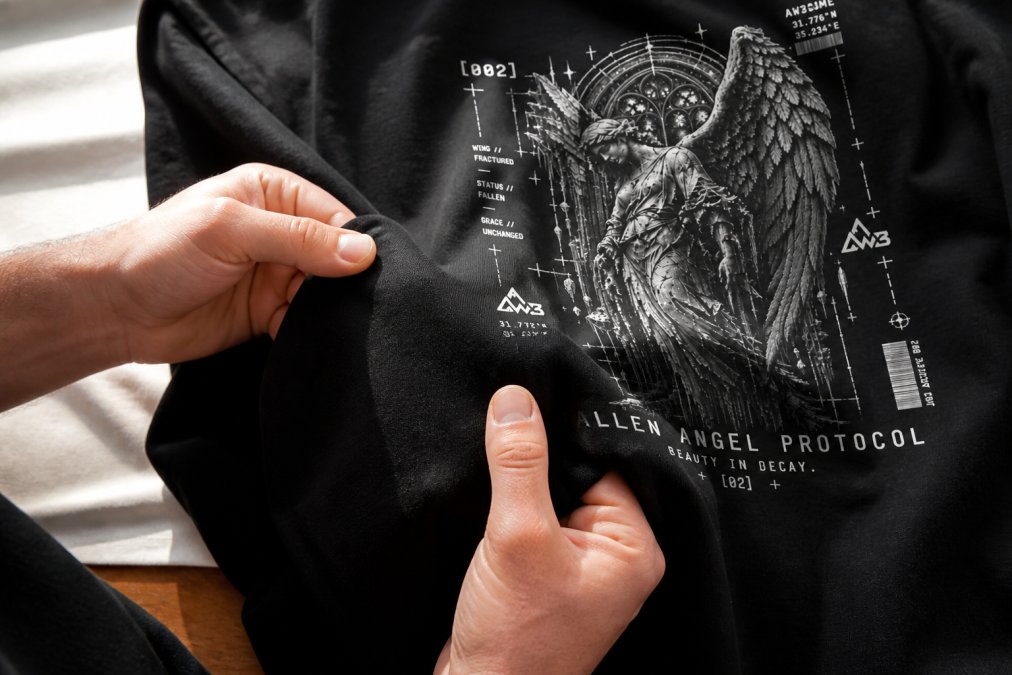
Cotton fiber type matters too. Standard solid-color heavyweight tees use 100% USA cotton with 16-singles yarn construction, which means the yarn is spun from 16 individual cotton fibers twisted together. This creates durability without brittleness. Heather and charcoal blends often include polyester (90/10 or 50/50 ratios) to add texture and improve color consistency, though this slightly reduces breathability.
The garment construction determines real-world longevity. Reinforced details include shoulder-to-shoulder neck tape (prevents stretching after repeated wear), double-needle stitching on the neck, sleeves, and hem (reduces seam failure), and a stretch-proof 1" collar that maintains shape through washing. Quarter-turned construction eliminates the center crease that typically shows wear patterns on cheaper tees. These details cost manufacturers more to produce, which is why they appear on premium options and disappear on budget alternatives.
Sizing and fit also signal quality. Premium heavyweight graphic tees typically use an oversized or relaxed fit with a slight drop shoulder, which accommodates layering and creates a more intentional silhouette than a standard cut. The relaxed fit also reduces stress on seams during movement and washing, extending garment life.
DTG Printing Quality and Durability in Streetwear Graphics
DTG (direct-to-garment) printing applies water-based ink directly to fabric using inkjet technology, allowing detailed, multi-color artwork without the setup costs of screen printing. For graphic streetwear focused on original, never-reprinted designs, DTG makes economic sense, each design requires no screen production, so limited runs and one-off pieces become feasible.
Print durability depends on fabric preparation, ink quality, and curing. The fabric must be pre-treated to accept ink evenly, otherwise colors appear dull or blotchy. Quality DTG uses professional-grade inks that cure at high temperatures, bonding the ink to the fiber rather than sitting on the surface. When done properly, DTG prints withstand 30+ wash cycles without noticeable fading or cracking. When done poorly, the graphic cracks after five washes.
The heavyweight fabric surface itself improves print longevity. A dense 7.5 oz cotton weave provides a stable base for ink adhesion, whereas thin 150 GSM fabric allows ink to settle unevenly and crack more easily with garment movement. This is why premium graphic streetwear brands pair heavyweight construction with DTG printing, the combination maximizes both visual clarity and durability.
Color vibrancy in DTG printing depends on the base fabric color. A white or light cotton background allows full color saturation, while darker bases (charcoal, black) require white underbase printing to achieve brightness. This adds production time but prevents colors from appearing muted or muddy on dark tees.
The hand-feel of DTG differs from screen printing. Water-based inks create a softer, more breathable print that feels like part of the fabric rather than a coating. Some people prefer this; others prefer the raised, textured feel of screen printing. For streetwear focused on wearability and comfort, DTG's soft hand-feel aligns better with everyday use.
Independent Streetwear Brands Worth Your Attention
The streetwear market has fragmented significantly. Major athletic brands dominate retail shelf space, but independent labels now capture the aesthetic-driven, design-focused segment. These brands often offer original artwork, limited production runs, and direct-to-consumer pricing that cuts out retail markup.

Independent labels typically operate on smaller margins and lower production volumes, which means they can afford to experiment with design and skip the reprinting cycle that larger brands rely on. A design drops once, sells out, and never returns, this scarcity creates genuine collector value rather than artificial hype.
The trade-off is consistency. Smaller brands may have longer lead times, less predictable restocking, and occasionally inconsistent quality control across production batches. But they also tend toward higher engagement with their community, more transparent communication about production, and willingness to take design risks that major brands avoid.
What to Look For When Evaluating Alternatives
When comparing graphic streetwear alternatives, focus on four evaluation criteria: fabric specifications, construction details, print durability, and design originality.
Fabric specifications should be explicit. Look for weight (7.5 oz or 245-255 GSM minimum), fiber content (100% cotton for standard colors, blends acceptable for heathers), and yarn construction (16-singles or higher). Vague descriptions like "premium cotton" or "quality fabric" without specifics suggest the brand hasn't invested in material transparency.
Construction details reveal durability. Verify the presence of double-needle stitching on neck, sleeves, and hem; shoulder-to-shoulder neck tape; and quarter-turned body. These aren't luxury features, they're baseline durability markers. If a brand doesn't mention them, they likely aren't included.
Print durability depends on both technique and fabric pairing. DTG printing on heavyweight cotton lasts longer than DTG on thin fabric. Ask how many wash cycles the print is rated for, or check customer reviews for real-world fade and cracking reports. A brand confident in print quality will publish care instructions and warranty information.
Design originality matters if you're buying for exclusivity. Ask whether designs are ever reprinted or if each drop is truly limited. Some brands reissue popular designs under new names; others genuinely retire artwork after a run sells out. The distinction affects long-term value and uniqueness.
How to Identify High-Quality Graphic Streetwear
Identifying quality before purchase requires examining product descriptions, imagery, and customer feedback with a critical eye. Start with the fabric specification section, legitimate brands list weight, fiber content, and yarn construction explicitly. If a product page says "premium cotton" without numbers, move on.
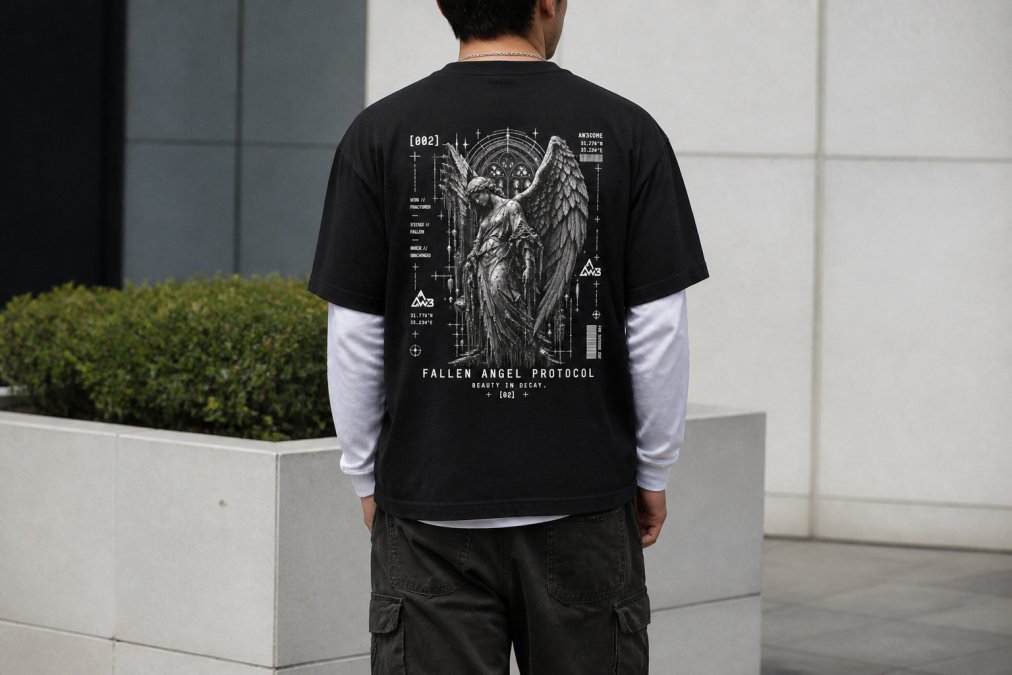
Examine product photos closely. High-quality tees show crisp, detailed print with no visible cracking, fading, or ink bleeding at edges. The fabric should appear dense and substantial, not thin or flimsy. Look for photos showing the garment from multiple angles, including back prints and side seams. Brands confident in construction quality show details, stitching, collar reinforcement, hem quality.
Check the sizing and fit guide. Premium brands provide detailed measurements (shoulder width, chest, length) rather than generic S-M-L descriptions. They also mention fit characteristics, oversized, relaxed, boxy, so you understand the silhouette before ordering. A brand that doesn't help you size correctly isn't prioritizing customer satisfaction.
Read customer reviews with specific attention to durability reports. Look for feedback on print longevity after washing, how the fabric feels after multiple wears, and whether the fit matches the description. One or two complaints about shrinkage or fading might be outliers; consistent complaints across reviews signal a real problem.
Compare prices in context. A $45 heavyweight tee with reinforced construction and DTG printing is reasonable; the same price for a lightweight tee with basic stitching is overpriced. Understand the cost drivers, fabric weight, construction details, print technique, and evaluate whether the price reflects actual quality or brand markup.
Limited Edition Drops vs. Sustainable Collections
The streetwear market has split into two competing philosophies: limited edition drops and sustainable, evergreen collections.
Limited edition drops release a finite number of designs for a short window, typically a few hundred pieces available for 24-48 hours. Once sold out, the design never returns. This model creates scarcity, drives urgency, and appeals to collectors who value exclusivity. The downside is stress, miss the drop window and the design is gone forever. For casual buyers, this feels gatekeeping rather than inclusive.
Sustainable collections restock popular designs periodically, allowing customers to purchase when they're ready rather than racing against a timer. This model prioritizes accessibility and reduces waste by producing on-demand rather than speculatively. The trade-off is less exclusivity, your design might be worn by more people, and it may be reprinted if demand warrants.
Neither approach is objectively superior. Collectors and hype-focused buyers prefer drops. Casual customers who want cool clothes without stress prefer sustainable restocking. A brand's philosophy should match your shopping style. If you hate missing out, drops create anxiety. If you value having a choice, evergreen availability suits you better.
Some brands blend both: core designs available year-round with limited edition variations and new artwork dropping periodically. This hybrid approach appeals to a broader audience and reduces the all-or-nothing pressure of pure drops.
Finding Graphic Streetwear Alternatives That Fit Your Budget
Budget constraints shape which graphic streetwear alternatives make sense. Entry-level graphic tees run $20-30 and typically use 150-180 GSM lightweight cotton with basic stitching. Mid-range options ($30-50) offer 7.5 oz heavyweight fabric with reinforced construction. Premium tees ($50+) add design exclusivity, limited production, or additional construction refinements.
The value calculation depends on your priorities. If you wear a tee once or twice before moving on, lightweight budget options make sense. If you want a piece that lasts 2+ years and maintains its appearance, heavyweight construction justifies the higher price. Exclusivity adds cost, a truly limited design costs more than mass-produced artwork.
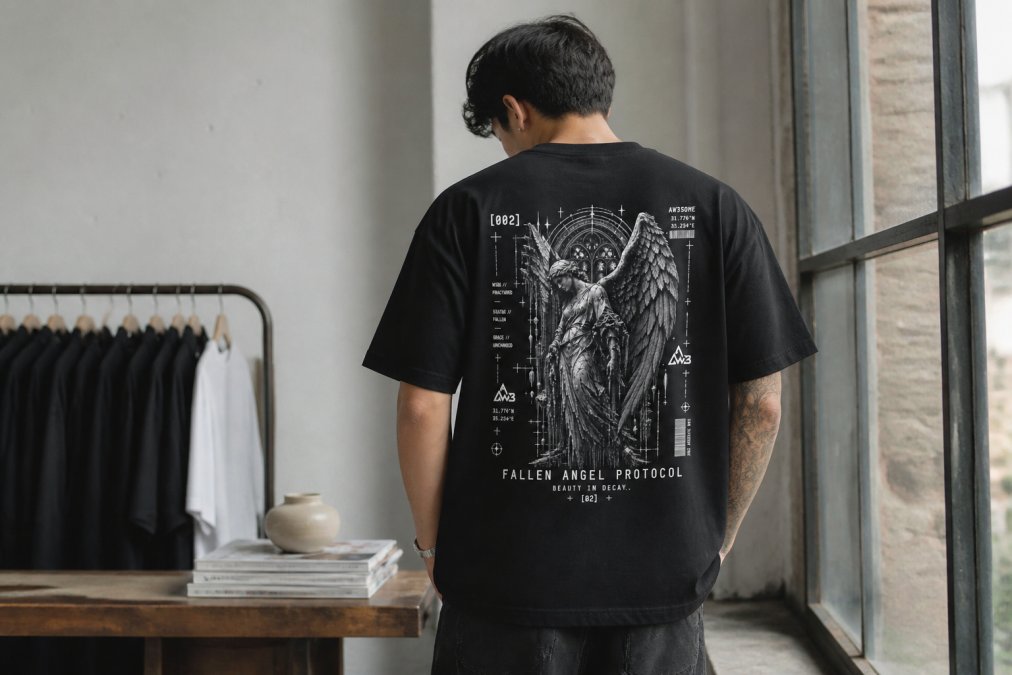
AW3SOME CLOTHES INC positions itself in the mid-range with heavyweight 7.5 oz (245-255 GSM) cotton tees using DTG printing for detailed, original artwork. Pieces like the Fallen Angel Graphic Tee ($28.72) and Dark Samurai Illustration Back Print ($39.53) deliver heavyweight construction with original designs that don't reprint, hitting the quality-to-price ratio that appeals to streetwear enthusiasts who want durability without excessive markup.

When comparing alternatives across price points, focus on the fabric-to-price ratio. A $25 tee in 7.5 oz cotton with double-needle stitching is a better value than a $45 tee in 180 GSM with basic construction, regardless of brand reputation. Calculate the cost-per-wear: a $40 tee worn 100 times costs $0.40 per wear; a $20 tee worn 20 times costs $1.00 per wear.
Limited edition drops typically cost more than evergreen designs because scarcity commands premium pricing. If budget is tight, seek brands that balance exclusivity with affordability, new designs dropping regularly but at reasonable price points rather than luxury markups.
Frequently Asked Questions
What defines a premium heavyweight graphic tee?
Premium heavyweight graphic tees combine fabric weight (typically 7.5 oz or 245-255 GSM), durable cotton construction, and quality print methods like DTG. The garment should feature reinforced seams, a structured neck tape, and a relaxed fit that holds its shape after multiple washes. Premium brands also prioritize original designs and limited-edition releases rather than mass-produced graphics.
How do I identify high-quality streetwear brands as alternatives to mainstream options?
Look for brands that transparently share fabric specifications, construction details, and print methods. Examine the collar tape, seam reinforcement, and how graphics are applied. Independent streetwear brands often differentiate themselves through original artwork, limited drops, and honest communication about materials. Check customer feedback on fit, durability, and whether designs are actually never reprinted.
What should I look for in DTG-printed apparel?
DTG (direct-to-garment) printing applies ink directly onto fabric, offering sharp detail and vibrant colors without the texture of plastisol screens. Quality DTG work shows crisp lines, even color saturation, and prints that remain durable through multiple washes. Verify that the blank garment has a smooth, dense surface, heavier cotton (7.5 oz or higher) holds DTG ink better than lightweight fabric.
Are there independent alternatives to mainstream graphic streetwear brands?
Yes. Independent streetwear brands often focus on original design, smaller production runs, and direct-to-consumer models that reduce costs while maintaining quality. Many use heavyweight construction, DTG printing, and never-reprinted design philosophies. These brands typically emphasize craftsmanship and unique aesthetics over hype-driven drops, making them strong alternatives for collectors seeking exclusivity without mainstream markup.
Finding the right graphic streetwear alternative means matching fabric quality, construction durability, and design philosophy to your needs and budget. Heavyweight 7.5 oz cotton with reinforced stitching, DTG printing, and original artwork delivers real value without requiring luxury pricing. Brands like AW3SOME CLOTHES INC that commit to never-reprinted designs and consistent quality drops appeal to collectors and casual wearers alike. SHOP THE LATEST DROP →
This article was written using GrandRanker