 ultimate-guide
What Makes Streetwear High Quality: A 2026 Guide
Table of Contents
- Defining Streetwear and Quality Standards
- Heavyweight Cotton Streetwear: The Foundation of Durability
- How to Spot Quality Clothing Through Construction Details
- Premium Streetwear vs. Fast Fashion: What Sets Them Apart
- The Role of Exclusivity, Scarcity, and Design Philosophy
- Manufacturing Standards and Supply Chain Transparency
- Care and Maintenance for Long-Term Garment Longevity
- Conclusion
Last Updated: August 18, 2026
Defining Streetwear and Quality Standards
Streetwear has evolved from underground subculture into a dominant fashion movement, but quality within the category varies wildly. High-quality streetwear combines three essential elements: heavyweight, durable fabrics; meticulous construction techniques; and intentional design that prioritizes longevity over trend-chasing. Unlike traditional fashion cycles that push new styles every season, quality streetwear is built to last years, not months.
The streetwear aesthetic emerged from hip-hop, skateboarding, and urban culture, subcultures that demanded clothing capable of withstanding real wear. That DNA remains embedded in quality pieces today. When examining whether a streetwear tee deserves its price tag, you're asking: does this garment respect the heritage and function that defined the category?
Heavyweight Cotton Streetwear: The Foundation of Durability
Heavyweight cotton is the material backbone of quality streetwear. Lightweight cotton tees might feel softer initially, but they degrade faster, lose shape after washing, and develop pilling that makes them look worn within months.
Understanding GSM and Fabric Weight
GSM, or grams per square meter, is the technical measurement that separates premium streetwear from budget alternatives. Quality streetwear typically uses fabric in the 200-250 GSM range. This density creates a garment that feels substantial, drapes properly, and resists pilling and shrinkage. A 150 GSM tee feels paper-thin by comparison and will show wear patterns within weeks.
The relationship between GSM and garment longevity is direct. Higher density cotton fabrics withstand repeated washing cycles without degrading, maintain their shape, resist fading, and keep graphics crisp longer. Reputable brands like AW3SOME CLOTHES INC publish these details because the numbers support their quality claims.
Jersey Blends and Stretch Twill Construction
Jersey blends, typically cotton mixed with polyester or elastane, provide stretch and recovery properties that extend seam life by reducing stress on stitching. Stretch twill construction uses a tightly woven cotton base with elastane fibers integrated throughout, creating fabric that resists wrinkles and maintains shape through repeated wear.
The key distinction: these alternatives work when used intentionally to solve specific problems rather than as cost-reduction measures. A brand using 60% cotton and 40% polyester to cheapen production differs from one using that blend to improve garment performance. Read the fiber content, if it's listed prominently on the tag, the brand is confident the blend delivers value.
How to Spot Quality Clothing Through Construction Details
Construction quality separates a $30 fast-fashion tee from a $40 premium piece that outlasts it by years. Once you know what to look for, it becomes impossible to unsee.
Seam Reinforcement and Stitching Patterns
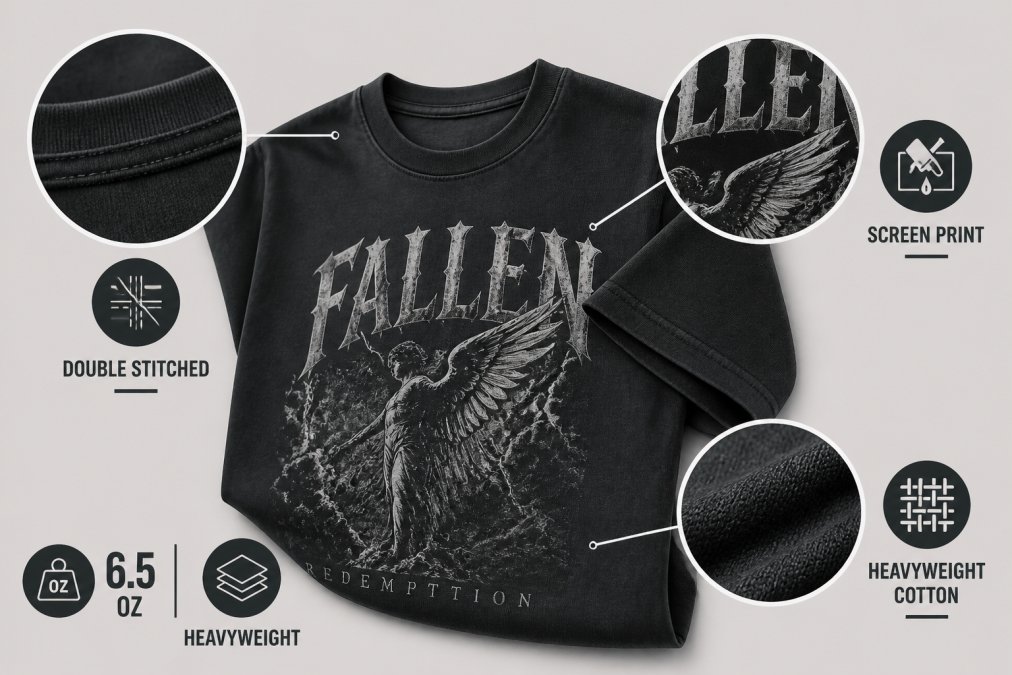
Quality streetwear uses reinforced stitching that locks seams in place and prevents unraveling. Single-stitch construction, common in budget pieces, fails quickly. Double-stitched or triple-stitched seams, particularly at stress points like armholes and shoulder seams, indicate a brand that understands garment durability.
Examine the side seams closely. You should feel a consistent, tight stitch with no loose threads or gaps. Loose stitching is the fastest way a garment falls apart. Neck binding deserves special attention, quality streetwear reinforces the neck opening with binding tape that prevents stretching and fraying. Cheap tees skip this step, and the neckline becomes misshapen after a few washes. AW3SOME CLOTHES INC uses reinforced binding, which helps garments maintain shape through repeated wear cycles.
Screen Printing and Garment Dyeing Techniques
Screen printing quality determines whether a graphic remains crisp or cracks and peels within months. Premium screen printing uses proper ink-to-fabric ratios and curing processes. The graphic should feel smooth and integrated into the fabric, not plasticky or raised.
Run your fingers across a printed graphic. If it feels thick or rubbery, the printer used too much ink or didn't cure properly. Quality prints feel almost like part of the fabric itself. Garment dyeing, where finished garments are dipped in dye rather than printing on pre-dyed fabric, creates deeper, more authentic color saturation and resists fading better than printed alternatives.
Premium Streetwear vs. Fast Fashion: What Sets Them Apart
The gap between premium streetwear and fast fashion is the difference between a garment that improves with age and one that deteriorates from purchase. Fast fashion prioritizes speed and cost reduction above all else. Premium streetwear inverts this logic, with every decision prioritizing longevity and wearability.
Fast fashion uses 130-150 GSM cotton with single-stitched seams and minimal ink coverage. Premium streetwear uses 200+ GSM cotton with reinforced stitching and precision printing. Over time, cost-per-wear favors the premium piece dramatically. A $40 tee worn 200 times costs 20 cents per wear. A $15 fast-fashion alternative worn 30 times costs 50 cents per wear.
Premium brands control their supply chains and implement quality checks. This is where AW3SOME CLOTHES INC's commitment to heavyweight construction becomes relevant. Every piece uses premium cotton that resists degradation, every seam is reinforced, and every graphic is printed with precision.

The Role of Exclusivity, Scarcity, and Design Philosophy
Quality streetwear isn't just about materials and construction. It's also about design intention and exclusivity. Pieces that matter in streetwear culture are often limited-edition releases that never return.
Artificial Scarcity and Limited Batch Production
Limited batch production allows brands to maintain quality control. When a brand produces 500 units rather than 5,000, every piece receives attention. Quality issues are caught and corrected, and manufacturing standards remain consistent. Batch production also creates exclusivity, if you own a piece, you know others don't have the same design.
Original Graphics and Non-Reprinted Design
Original graphics that are never reprinted represent a commitment to innovation and exclusivity. Brands that constantly reissue old designs prioritize profit over creativity. AW3SOME CLOTHES INC's no-reprint philosophy directly addresses this. Every graphic is original, and every design drops once. This approach demands constant innovation but preserves the cultural authenticity that makes streetwear matter.
Manufacturing Standards and Supply Chain Transparency
Quality streetwear brands are transparent about where and how garments are manufactured. Manufacturing standards directly impact the final product. Premium brands work with facilities that specialize in apparel production and invest in quality control infrastructure.
Supply chain transparency also indicates ethical manufacturing practices. Brands that are transparent about labor conditions and environmental impact tend to implement stricter quality standards throughout production. When evaluating streetwear, research the brand's manufacturing information. Transparency suggests confidence; opacity suggests something to hide.
Care and Maintenance for Long-Term Garment Longevity
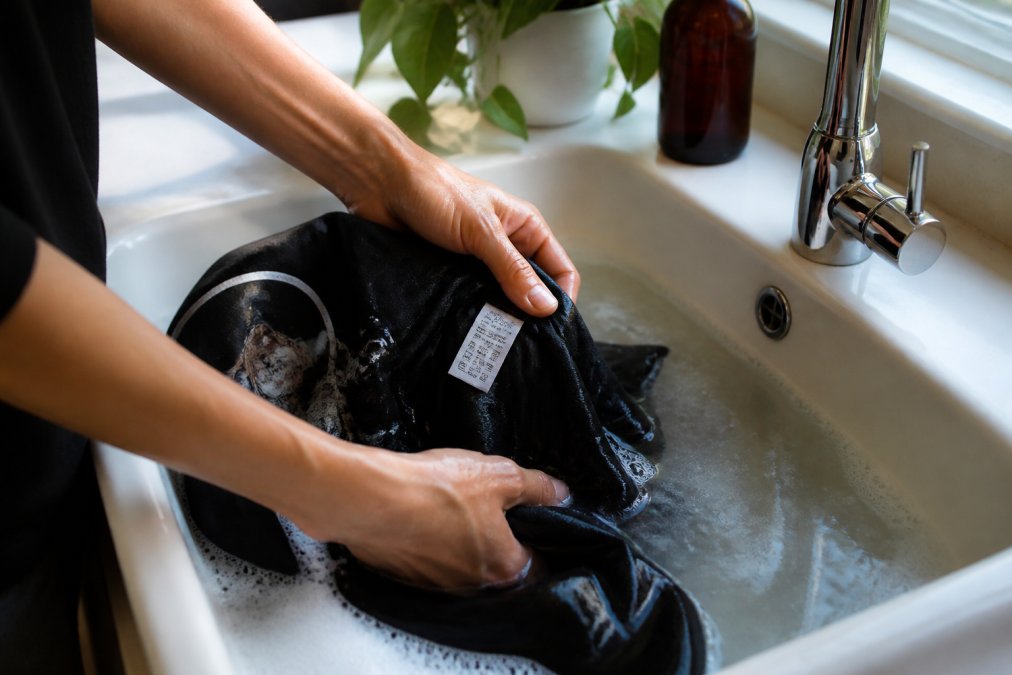
Premium streetwear requires proper care to maintain its quality. Wash in cold water to preserve color saturation and fabric integrity. Wash inside-out to protect graphics from friction. Avoid the dryer, air drying preserves quality. Use gentle detergent formulated for delicate fabrics, and don't over-wash. Reducing wash frequency dramatically extends longevity. Store garments folded rather than hanging, and keep them in a cool, dry place away from direct sunlight.
These practices require intentionality but reward it with years of wearability. Premium streetwear is built to last, and proper care ensures it actually does.
Quality streetwear represents a commitment to durability, design integrity, and craftsmanship that transcends typical apparel categories. When you invest in pieces constructed from heavyweight cotton with reinforced seams, original graphics, and transparent manufacturing practices, you're purchasing garments that improve with age rather than deteriorate.

If you're ready to build a collection of genuinely high-quality streetwear, explore AW3SOME CLOTHES INC's latest drops. Every piece features original graphics that are never reprinted, premium heavyweight construction, and meticulous attention to detail. Start with the Moonlit Wanderer Graphic Tee, a heavyweight cotton piece that demonstrates the construction standards that define quality streetwear. SHOP THE LATEST DROP →

Frequently Asked Questions
What is the most important factor in high quality streetwear?
Fabric weight and construction quality form the foundation. Look for heavyweight cotton (typically 280+ GSM) with reinforced seams and tight stitching patterns. Premium streetwear uses batch production methods and quality control standards that ensure consistency. The combination of dense material and superior stitching directly impacts how long your garment will last and how it looks after repeated wear and washing.
How do I know if heavyweight cotton streetwear is actually premium?
Check the GSM (grams per square meter) on the tag, genuine premium pieces run 280-400+ GSM. Feel the fabric; it should feel substantial and smooth, not thin or flimsy. Examine seam reinforcement with a double or triple stitch pattern. Inspect screen printing for sharp edges and vibrant color without cracking. Ask about manufacturing standards and supply chain transparency. Brands that hide these details or use inconsistent production are likely cutting corners.
What's the difference between premium streetwear and fast-fashion streetwear?
Premium streetwear uses heavyweight cotton with careful garment dyeing, reinforced construction, and original design philosophy. Fast fashion prioritizes low cost over durability, using lighter fabrics (150-200 GSM), minimal seam reinforcement, and mass production. Premium pieces maintain textile integrity through multiple washes; fast-fashion graphics crack, colors fade, and seams fray within months. Premium brands also focus on exclusivity and bespoke design, while fast fashion copies trends and reprints designs constantly.
How often should I wash heavyweight streetwear to maintain quality?
Wash heavyweight cotton tees in cool water (60-70°F) inside-out to protect screen printing and preserve color. Limit washing to every 3-5 wears unless visibly soiled. Air-dry flat or hang-dry instead of using high heat, which damages fibers and can cause shrinkage. Avoid bleach and fabric softener, which break down cotton fibers and weaken seam integrity. Proper care extends garment longevity significantly, premium construction only delivers value if maintained correctly.
Why do some streetwear brands charge premium prices for 'limited edition' designs?
Limited-edition drops create artificial scarcity, which increases perceived value and demand. However, legitimate premium pricing reflects actual quality differences: heavyweight fabric, superior construction, original artwork, and ethical manufacturing standards. Brands that never reprint designs demonstrate commitment to exclusivity and originality. The price reflects both the tangible quality (better materials, better stitching) and the intangible value (owning something truly unique). Fast-fashion brands charge low prices because they use cheap materials and mass-produce identical designs repeatedly.
What does GSM mean, and why does it matter for streetwear?
GSM (grams per square meter) measures fabric weight and density. Higher GSM indicates thicker, more durable cotton. Premium streetwear typically uses 280-400+ GSM; fast fashion uses 150-200 GSM. Higher GSM cotton resists fading, holds its shape better, feels more substantial, and lasts longer. It also provides better structure for screen printing, designs stay crisp and don't crack as easily. When comparing streetwear pieces, GSM is one of the most reliable indicators of actual quality and longevity.
How can I tell if a streetwear graphic will crack or fade after washing?
Examine the screen printing closely. Premium printing uses high-quality ink that bonds deeply to heavyweight cotton and maintains flexibility as the fabric moves. Look for sharp, clean edges without bleeding or fading at the borders. Run your finger gently over the print, it should feel smooth and integrated, not raised or plasticky. Fast-fashion printing sits on the surface and cracks easily. Quality garment dyeing techniques also matter; premium brands use color-fast dyes that resist fading even after multiple washes in cool water.
This article was written using GrandRanker