 How-to
How Long Do Durable Streetwear Clothes Last
Table of Contents
- How Long Do Durable Streetwear Clothes Last
- Signs of Quality Clothing: What to Look For
- How to Wash Graphic Tees Without Damaging Prints
- How to Make Clothes Last Longer Through Wear Rotation
- How Long Do Hoodies Last and What Causes Wear
- Storage and Maintenance for Extended Garment Life
- Repair and Replacement: When to Fix vs. Replace
- Frequently Asked Questions
Last Updated: October 18, 2026
How Long Do Durable Streetwear Clothes Last
How long do durable streetwear clothes last? At AW3SOME CLOTHES INC, we've seen firsthand that quality heavyweight tees can outlast fast-fashion alternatives by years when cared for properly. The answer depends on fabric weight, construction, how often you wear them, and whether you follow smart care practices. Most durable streetwear pieces, especially those made from heavyweight cotton, can last 3-5 years or longer with regular wear. Some last even longer if you rotate them and avoid common damage patterns.
This guide covers what actually determines garment lifespan, how to protect graphic prints, and when repair makes sense versus replacement.
Realistic Lifespan by Garment Type
Heavyweight graphic tees typically last 3-5 years with regular wear. The 7.5 oz / 245-255 GSM fabric resists thinning and maintains structure better than lighter alternatives.

Hoodies often last 4-6 years because they see less frequent washing than basic tees. The extra fabric and layered construction distribute wear across more material.
Streetwear pants and cargo pieces vary widely. Heavier denims last 4-7 years; lighter streetwear bottoms may last 2-4 years depending on fit and how much friction they experience at stress points like thighs and cuffs.
These timelines assume normal wear, not daily gym sessions or construction work. Lifestyle matters enormously.
Signs of Quality Clothing: What to Look For
Quality clothing shows specific construction details that predict longevity. Fabric weight is your first signal. Heavyweight fabrics (7.5 oz / 245-255 GSM) resist pilling, thinning, and fading faster than lightweight alternatives.
Seam construction determines how long hems and stress points survive. Double-needle stitching on sleeves and hems, shoulder-to-shoulder neck tape, and reinforced collar bands all extend garment life.
Fiber content shapes durability. 100% USA cotton offers consistent performance. Cotton-poly blends (like 90/10) add shrinkage resistance but may feel different.
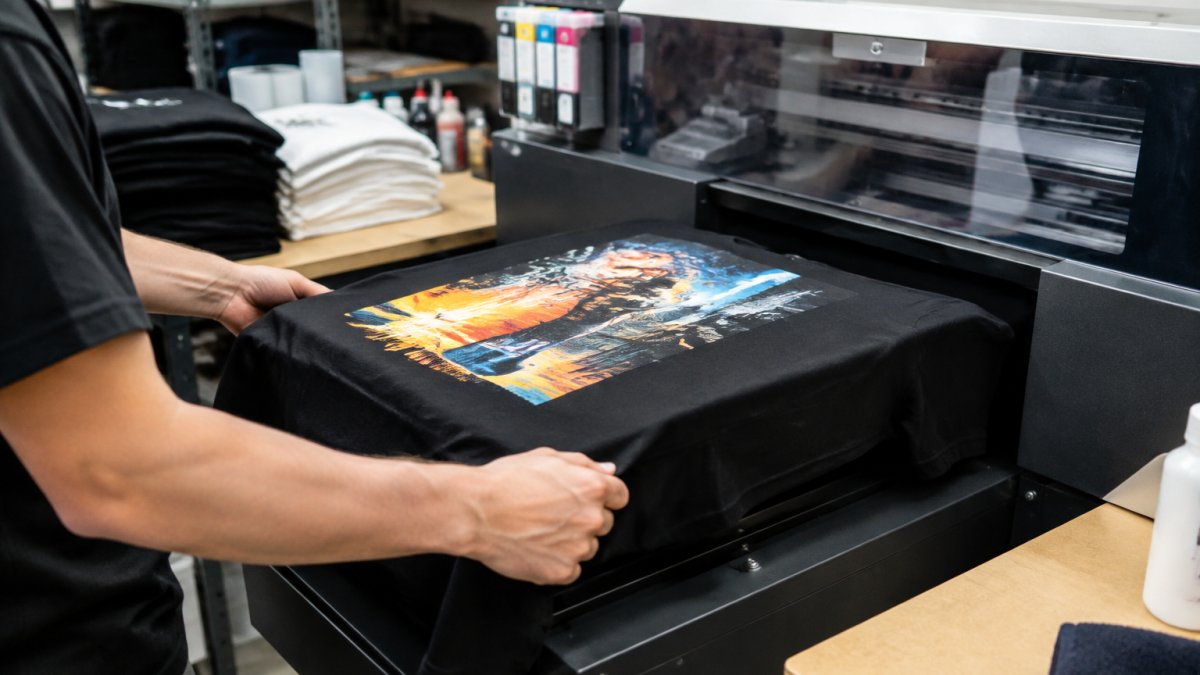
Print method affects graphic durability. Direct-to-garment (DTG) printing bonds ink directly to fibers, which means prints move with the fabric rather than cracking as a separate layer.
Quality pieces show consistent stitching, reinforced stress points, and thoughtful construction choices. Don't just look at the front, turn garments inside out and check hems, collar tapes, and seam allowances.
How to Wash Graphic Tees Without Damaging Prints
Washing graphic tees incorrectly is the fastest way to shorten their lifespan. Heat and friction damage both fabric and prints.
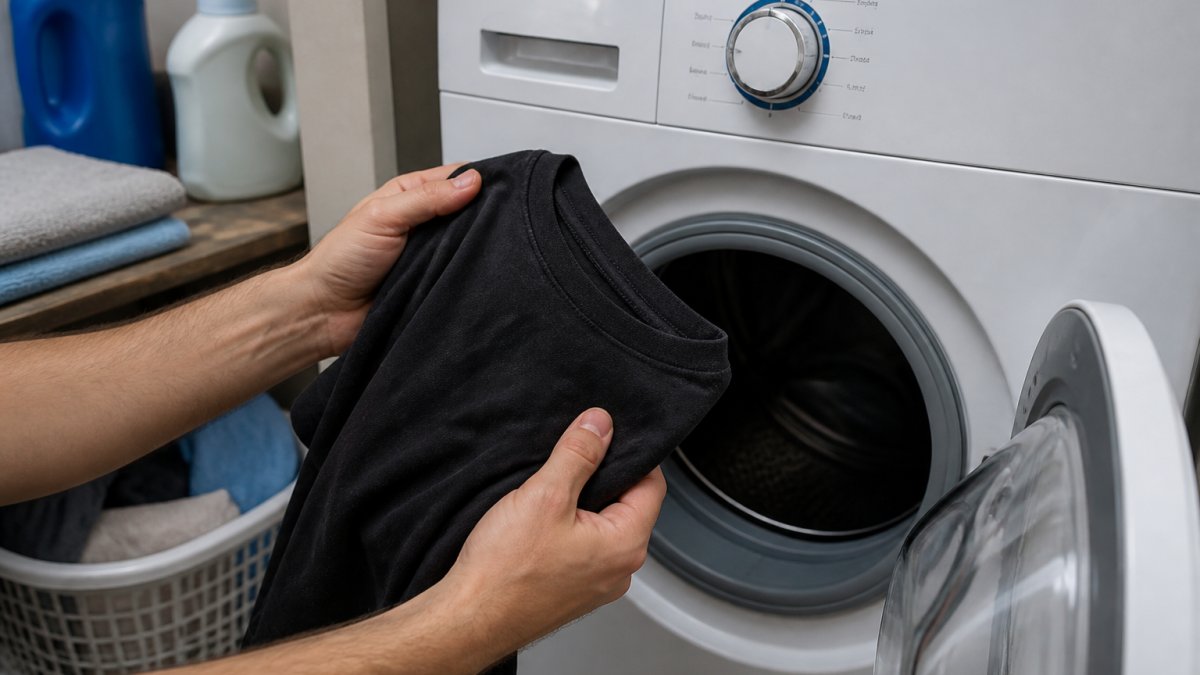
Step-by-Step Washing Process
1. Turn the shirt inside-out. This protects the graphic from direct friction and agitation. It's the single most effective step.
2. Use cold water only. Hot water weakens cotton fibers, causes shrinkage, and can fade prints. Cold water (under 30°C / 90°F) preserves both fabric and graphics.
3. Choose a gentle or delicate cycle. Standard cycles use aggressive agitation. Gentle cycles reduce friction without sacrificing cleaning.
4. Use mild detergent. Heavy-duty or bleach-based detergents break down fibers and fade colors. Regular mild detergent works fine for graphic tees.
5. Wash with similar colors. Separate darks from lights.
6. Don't overload the machine. Crowded loads increase friction. Give clothes room to move freely.
7. Remove promptly after washing. Leaving wet clothes sitting creates mildew risk and wrinkles that require ironing (which damages prints).
Drying Methods That Protect Your Investment
Air dry whenever possible. Lay flat on a clean surface or hang on a clothesline. This takes longer but eliminates heat damage entirely. Graphics stay crisp, colors stay vibrant, and fabric lasts years longer.
If you must use a dryer, use low heat only. High heat weakens cotton, causes shrinkage, and can soften or crack prints. Low heat is still not ideal, but it's the safest machine option.
Never iron graphic tees. Iron heat damages prints directly. If wrinkles form, air dry completely and they'll often disappear on their own.
Never dry clean. The chemicals used in dry cleaning can degrade both fabric and prints.
Most people who complain that graphic tees don't last are using high heat or hot water.
How to Make Clothes Last Longer Through Wear Rotation
Wear rotation is one of the most underrated durability strategies. Wearing the same piece every day accelerates breakdown. Fibers need recovery time between wears.
Rotate between 5-7 similar pieces. If you have five tees in rotation, each one gets worn once per week instead of daily.
Separate workout clothes from casual wear. Gym sessions create sweat, friction, and heat exposure that accelerate damage. Keep your best pieces for lower-stress situations.
Air out between wears. Hang garments in open air for 24 hours after wearing. This allows sweat to evaporate and reduces odor.
Avoid excessive washing. Many people wash clothes far more often than necessary. If a shirt doesn't smell or have visible stains, it doesn't need washing.
Rotation also keeps your wardrobe fresh. You'll notice different pieces instead of reaching for the same favorite repeatedly.
How Long Do Hoodies Last and What Causes Wear
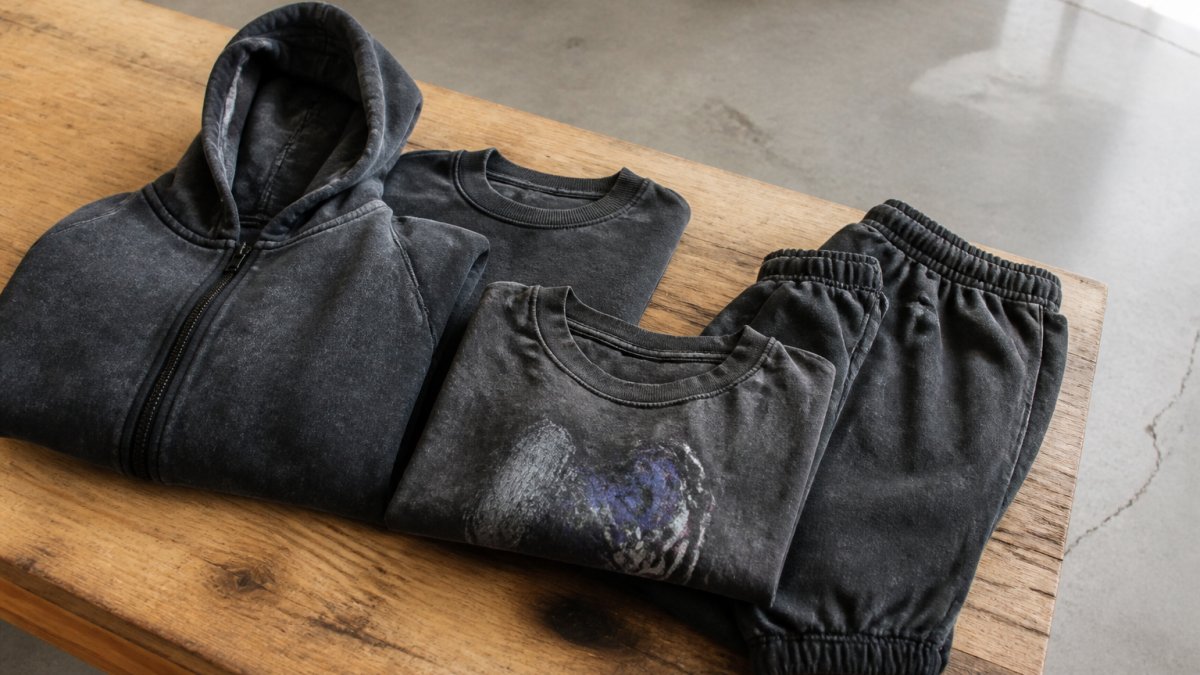
Hoodies typically last longer than basic tees because they're worn less frequently and experience different stress patterns. A quality hoodie can last 4-6 years with standard care.
Common hoodie failure points:
- Drawstring degradation. Drawstrings fray and break from repeated pulling. Replace them if they fail, it's a simple fix.
- Kangaroo pocket wear. Pockets accumulate friction from hands and objects. Reinforce these areas if you use pockets heavily.
- Cuff stretching. Elastic cuffs at wrists and hem gradually lose tension. This is normal and doesn't mean the hoodie is ruined, it just fits differently.
- Hood seams. The seams connecting the hood to the body see repetitive stress. Quality double-stitched seams resist this better.
- Print peeling. If a hoodie has a graphic, the same washing rules apply. Turn inside-out, cold water, air dry.
Hoodies see less washing than tees, which means they age more slowly. A hoodie worn twice weekly might last 5-6 years. The same hoodie worn daily might last 3-4 years.
Storage and Maintenance for Extended Garment Life
How you store clothes between wears matters as much as how you wash them.
Use hangers for most pieces. Hanging prevents wrinkles and allows air circulation.
Fold heavy pieces to prevent shoulder stretching. Graphic tees with heavyweight fabric can stretch at shoulders if hung constantly.
Store in cool, dry places. Heat, humidity, and direct sunlight fade colors and degrade fibers.
Avoid plastic storage bags. Plastic traps moisture and can create mildew. Use breathable fabric bags or cardboard boxes instead.
Keep garments away from direct sunlight. Sunlight fades colors over time. If you hang clothes near windows, rotate them or use curtains.
Don't use mothballs on modern fabrics. Mothballs are unnecessary for synthetic fibers and can damage natural fabrics.
Check stored clothes periodically. Inspect for damage, moisture, or odor every few months. Catch problems early.
Repair and Replacement: When to Fix vs. Replace
Most care guides stop at "repair small holes, replace big ones." That is not a decision rule, it is a slogan. Streetwear has specific failure points, and whether a garment is worth saving depends on where the damage is, how much life the rest of the piece has left, and what a repair actually costs relative to the garment's remaining value. Here is a framework you can apply in under a minute.
Streetwear-specific failure points and what they mean
Print cracking and peeling. DTG prints bond ink to fibers, so they flex with the fabric rather than sitting on top as a separate layer.
Collar and cuff ribbing stretch. Ribbed knits rely on elastic recovery. Over time and heat, the ribbing relaxes and stops snapping back. A stretched collar is a fit change, not structural failure.
Seam failure. A blown seam is usually repairable if the surrounding fabric is intact. Double-needle stitched seams and shoulder-to-shoulder neck tape resist this, but any seam can fail under enough stress.
Zipper failure. Zippers are the most common end-of-life event on zip hoodies and jackets.
Fabric holes at stress points. Holes in the crotch, underarms, and elbows tend to recur after repair because the fabric around them is already weakened.
The repair-or-replace decision
Ask these in order:
- Is the damage isolated or systemic? One blown seam on an otherwise solid garment is a repair. Three failures at once means the fabric is at end-of-life.
- Is the damage in a high-friction zone? Stress-point holes recur; non-stress holes hold.
- Does the garment still fit? Severe shrinkage or stretched ribbing cannot be reversed. If it no longer fits, repair is wasted effort.
- Does the repair cost less than the garment's remaining value? This is the judgment call, see the cost-per-wear method below.
- Does the piece still have identity? A graphic tee with a fully peeled print has lost the reason you bought it. A blank heavyweight tee with a blown seam has not.
A simple cost-per-wear method
Cost per wear turns a vague "is it worth it" question into arithmetic:
Cost per wear = (purchase price + total repair costs) ÷ total wears
Track it roughly. If a tee cost $40 and you have worn it 150 times with one $15 seam repair, your cost per wear is about $0.37. If a $25 fast-fashion tee wore out after 30 wears with no repairs, that is about $0.83 per wear. The cheaper shirt cost more per use. This is the clearest way to see whether a repair extends value or just delays a replacement.
A practical rule: if a repair costs less than roughly a quarter of what you paid for the garment, it usually pays off in cost-per-wear terms. If the repair approaches half the purchase price and the garment is already showing multiple issues, replacement is the better call.
When repair is clearly the right call
- Torn seams on otherwise solid fabric. Re-stitching is inexpensive and restores function.
- Broken drawstrings and loose snaps. Low-cost, quick fixes.
- Small holes in non-stress areas. Patching or darning holds well.
- Cosmetic fading you like. Worn-in graphics are a look, not a defect.
When replacement is the right call
- Repeated seam failure. The fabric around the seam is weakened; new stitches will not hold.
- Stress-point holes that recur after repair. Crotch, underarm, and elbow repairs often fail again.
- Severe shrinkage or irreversible fit loss. No repair fixes this.
- Multiple simultaneous failures. The garment has reached end-of-life.
- A graphic that is fully gone. The piece has lost its identity.
A heavyweight tee built on 7.5 oz / 245-255 GSM fabric with double-needle stitching and shoulder-to-shoulder neck tape is generally worth repairing when damage is isolated, because the construction gives new stitches something to hold onto. That is a judgment about construction quality, not a claim that any one brand lasts longer than another, inspect the seams and fabric on whatever you own and apply the same test.
Frequently Asked Questions
How long do durable streetwear clothes last with proper care?
Quality heavyweight streetwear typically lasts 3-5 years or longer with consistent care. Lifespan depends on wear frequency, washing habits, and fabric weight. A 7.5 oz heavyweight cotton tee worn 2-3 times per week can last 5+ years if washed in cold water and air-dried. Lighter fabrics or frequent daily wear reduce this window. Graphic prints remain crisp longer when you wash inside-out and avoid heat drying.
What's the difference between heavyweight and lightweight cotton for durability?
Heavyweight cotton (7.5 oz / 245-255 GSM) resists pilling, fading, and abrasion better than lightweight fabric. The denser weave and thicker yarn create a more stable surface for graphic prints. Lightweight cotton feels softer initially but shows wear faster, especially in high-friction areas like collar and sleeve hems. For streetwear designed to last, heavyweight construction is a practical advantage.
How often should you wash streetwear to keep it looking new?
Wash streetwear every 3-5 wears, not after every wear. Frequent washing accelerates fading and print wear. Use cold water (under 90°F), non-chlorine detergent, and turn graphic tees inside-out. Air-dry completely, heat from dryers weakens fibers and causes shrinkage. Spot-clean minor stains between washes. This approach can help extend garment life.
Can you repair graphic prints or should you replace the shirt?
Minor print cracks can be slowed but not reversed once printing begins to peel. Prevention through proper care is more effective than repair. If a print is significantly damaged, replacement is usually the only option. However, tears in the fabric itself, seams, hems, or body damage, can often be repaired by a tailor. Assess whether repair cost justifies the shirt's remaining lifespan.