 How-to
How to Remove Vinyl Residue from Clothing: 7 Safe Methods
Table of Contents
- Why Vinyl Residue Sticks to Fabric (and What You're Actually Removing)
- How to Remove Heat Transfer Vinyl from a Shirt: The Step-by-Step Method
- How to Remove Vinyl Adhesive from Fabric When the Design Is Already Gone
- Best Tools for Removing Vinyl from Fabric: What to Keep in Your Kit
- Fabric-by-Fabric Safety: Cotton, Blends, and Delicates
- How to Fix Peeling Heat Transfer Vinyl (Repair vs. Remove)
- Cleanup and Laundering After Vinyl Residue Removal
- Troubleshooting Stubborn or Aged Vinyl Residue
- Frequently Asked Questions
Last Updated: October 14, 2026
Why Vinyl Residue Sticks to Fabric (and What You're Actually Removing)
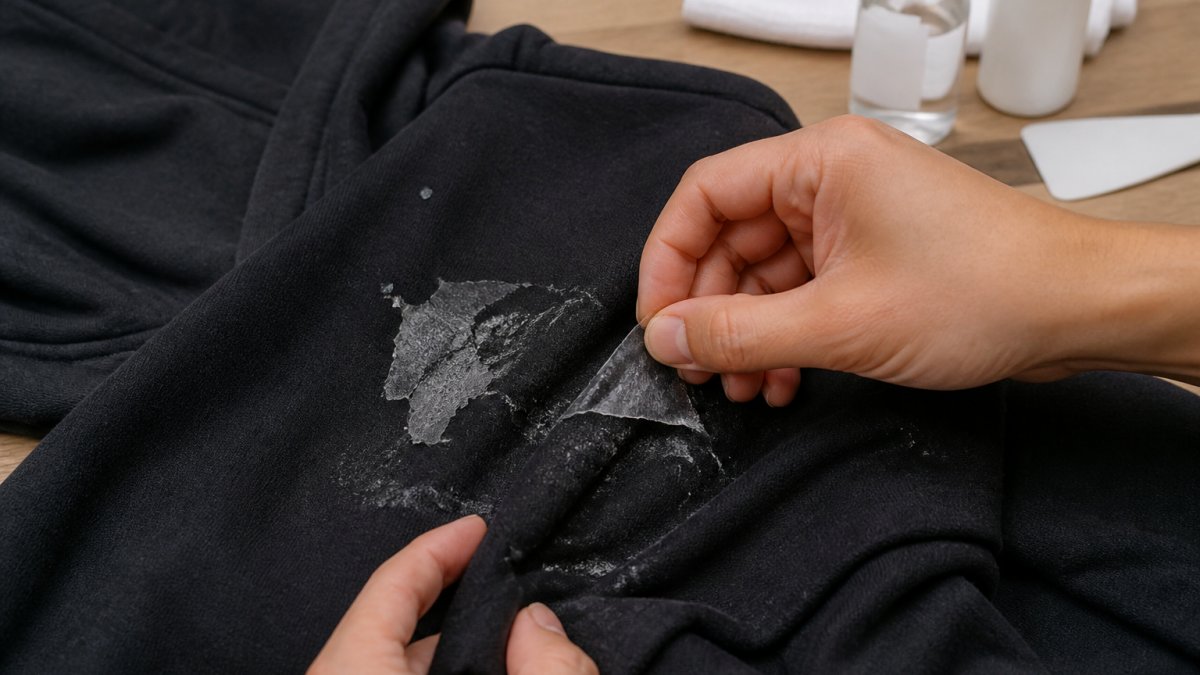
Vinyl residue is the layer of adhesive left behind when a heat-transfer vinyl (HTV) design peels away from a shirt but its glue stays stuck in the fabric weave.
Here's the part most guides skip: you are not removing vinyl anymore. You are removing glue.
HTV adhesive is designed to bond permanently to fabric under heat and pressure. That's great for durability and terrible for removal.
At AW3SOME CLOTHES INC, every graphic is printed with direct-to-garment (DTG) on heavyweight cotton tees, so we think about fabric and print durability constantly.
Three things make residue harder to remove:
- Age. Older adhesive cures harder and bonds tighter.
- Heat history. Every wash and dry cycle pushes the glue deeper.
- Fabric type. Rough, open weaves trap more adhesive than smooth ones.
How to Remove Heat Transfer Vinyl from a Shirt: The Step-by-Step Method
Before you heat anything, decide what you are actually trying to remove. The query is about residue, but many shirts still have part of the vinyl film attached.
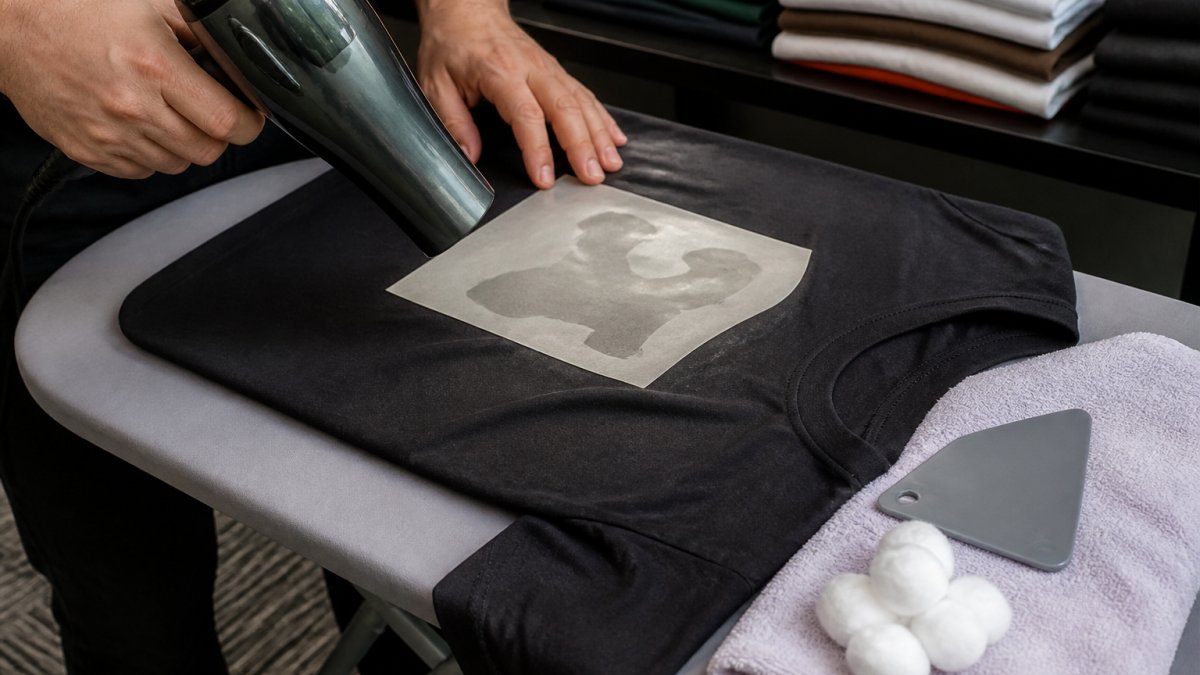
If you do need to lift the film, heat plus a slow peel is still the most reliable approach, but the safe temperature depends on the fabric, not on the vinyl.
Gather these before you start: a hair dryer or iron, a cotton cloth or parchment sheet, a plastic scraper or old credit card, and rubbing alcohol for cleanup.
Step 1: Prep the Garment and Test a Hidden Area
Lay the shirt flat on an ironing board or hard surface. Smooth out wrinkles so heat reaches the vinyl evenly.
Test on an inside hem first. Apply heat for a few seconds, then try lifting a corner. If the fabric discolors, glazes, or the fibers look stressed, stop and switch to a cooler method. This test matters most on synthetic blends and on dark or dyed garments, where heat can leave a permanent shine.
Step 2: Apply Heat to Loosen the Adhesive
Hold a hair dryer a few inches from the design on medium-high. Move it constantly, never park it on one spot.
If you're using an iron, set it to medium with no steam. Place a cotton cloth or parchment sheet between the iron and the vinyl.
Fabric matters here:
- 100% cotton handles medium iron heat well and is the most forgiving surface for this method.
- Cotton/poly blends and polyester can glaze or melt at higher settings. Use the lowest heat that still softens the adhesive, and keep the iron moving.
- Delicates like rayon, silk, and acetate are the riskiest. Heat can shrink or scorch them, so try the freezer method first and only use low, brief heat if you must.
Work in sections rather than heating the whole design at once. The adhesive softens when warm; it does not need to be hot to the touch.
Step 3: Peel, Lift, and Scrape the Vinyl Away
Start at a corner and peel slowly at a low angle. If it resists, apply more heat. Don't yank, a fast pull can stretch the fabric or tear the vinyl into small pieces that are harder to grab.
For stubborn spots, slide a plastic scraper under the edge and lift gently. A flat razor blade can work on tough residue, but keep it nearly parallel to the fabric and use light pressure to avoid cutting threads.
Step 4: Stop and Reassess Before You Over-Treat
If the film is off but a sticky patch remains, stop heating. Heat will not remove cured adhesive, it only softens it. Continuing to iron a residue-only area risks scorching the fabric and spreading the glue into a wider stain. Move to the residue-only method below.
How to Remove Vinyl Adhesive from Fabric When the Design Is Already Gone
When the vinyl is gone and only sticky residue remains, you are solving a glue problem, not a film problem. Heat alone will not fix it. What works depends on the fabric, the age of the adhesive, and how much risk you are willing to take with the garment.
Pick Your Method by Fabric and Risk
| Method | Best For | Effort | Main Risk |
|---|---|---|---|
| Rubbing alcohol (isopropyl) | Most fabrics, light to moderate residue | Low | Can dry out some fabrics with repeated use |
| Acetone | Tough glue on 100% cotton | Medium | Melts synthetics, strips dye from some cottons |
| Commercial adhesive remover | Aged or spread-out residue | Medium | Label-specific; test first |
| Freezer method | Fresh, thick glue patches | Low | Less effective on thin, cured residue |
| Reheat and blot | Residue that is still slightly tacky | Low | Can spread glue if overheated |
Work From Gentlest to Strongest
- Rubbing alcohol (isopropyl alcohol). Soak a cotton ball or cotton swab and dab it onto the residue. Let it sit for a minute, then wipe. This is the safest first choice for most fabrics, including blends.
- Reheat and blot. If the residue is still slightly tacky, warm it briefly with a hair dryer, then press a clean cotton cloth or paper towel onto it. Some adhesive will transfer to the cloth. Use a fresh section of cloth each time so you are not re-depositing glue.
- Commercial adhesive remover. Follow the label. These are formulated for glue and often work faster than household options, but they vary widely in what fabrics they are safe on.
- Acetone. Stronger, but risky on synthetics. Test first. Never use it on acetate or triacetate.
- The freezer method. Fold the shirt so the residue is exposed, seal it in a bag, and freeze for a few hours. Cold makes adhesive brittle so it cracks and lifts off. This works best on fresh, thick glue patches and is the gentlest option for delicates.
Safety Rules That Apply to Every Solvent
- Work in a ventilated area, open a window or step outside.
- Keep solvents away from open flames, pilot lights, and hot tools. Alcohol and acetone are flammable.
- Wear gloves if you have sensitive skin, and avoid prolonged skin contact.
Check Before You Wash
Once the residue feels gone, inspect the area in good light. Hold the shirt up to a window, missed glue often shows as a dull or shiny patch rather than a sticky one. If you can still feel or see a film, repeat the alcohol step before laundering. Washing a shirt with residue still on it can set the remaining adhesive deeper into the fibers.
Best Tools for Removing Vinyl from Fabric: What to Keep in Your Kit
A small kit handles almost every removal job. You don't need specialty equipment for most shirts.
| Tool | Best For | Watch Out For |
|---|---|---|
| Hair dryer | Loosening adhesive before peeling | Overheating one spot |
| Iron (no steam) | Flat, even heat on large designs | Scorching fabric without a cloth barrier |
| Rubbing alcohol | Light residue on most fabrics | Drying out some fabrics |
| Acetone | Tough glue on cotton | Damaging synthetics |
| Plastic scraper | Lifting edges without cuts | Pressing too hard |
| Cotton balls / swabs | Applying solvent precisely | Lint left behind |
Keep a spray bottle for water-based cleanup and a soft cloth for wiping. Photocopy paper or parchment sheets make good heat barriers when you iron.
Fabric-by-Fabric Safety: Cotton, Blends, and Delicates
Cotton is the most forgiving fabric for vinyl removal. It handles heat and most solvents well, which is why heavyweight cotton tees are the easiest to work with.
Blends need more care. Polyester and other synthetics can melt under high heat and react badly to acetone. Use lower heat and stick to rubbing alcohol.
Delicates like rayon, silk, and acetate are the riskiest. Heat can shrink or scorch them, and solvents can damage the fibers.
When in doubt, test a hidden area and go slow. Fabric damage is permanent; residue usually isn't.
How to Fix Peeling Heat Transfer Vinyl (Repair vs. Remove)
A peeling design doesn't always mean removal. If the vinyl is mostly intact and only edges are lifting, you can often repair it instead.
To repair, lay the shirt flat, cover the design with parchment, and press with an iron on medium for 10 to 15 seconds.
Choose removal over repair when:
- The design is cracked, flaking, or mostly gone
- The adhesive has failed across the whole graphic
- You want a clean shirt with no design at all
Repair works best on fresh lifts. Once adhesive cures hard, re-pressing rarely holds.
Cleanup and Laundering After Vinyl Residue Removal
Wash the shirt alone the first time after removal. Loose adhesive and solvent residue can transfer to other clothes.
Turn the garment inside out and use a normal cycle with cool water.
For solvent-treated areas, rinse the spot by hand before the machine wash. This clears leftover chemical so it doesn't sit against the fabric.
Once the shirt is clean and dry, inspect it in good light.
Troubleshooting Stubborn or Aged Vinyl Residue
Old residue is the hardest case. Adhesive that has been through dozens of washes can cure into something closer to a stain than a sticker.
Work through this sequence:
- Reheat and scrape again, even if you already tried.
- Apply rubbing alcohol and let it sit longer, up to several minutes.
- Move to a commercial adhesive remover if alcohol stalls.
- Try the freezer method to crack the glue before scraping.
- Repeat the cycle rather than escalating to harsh chemicals.
If nothing works after several rounds, the residue may have bonded permanently.
Some shirts simply can't be saved. That's the honest answer, and it's worth knowing before you spend an hour on a garment that's already past its prime.
Frequently Asked Questions
Can rubbing alcohol remove vinyl adhesive from fabric?
Yes, isopropyl alcohol (rubbing alcohol) is one of the most effective solvents for breaking down vinyl adhesive residue on fabric. Apply it to a cotton ball or clean cloth, dab it onto the sticky residue, and let it sit for a minute before wiping. Test on a hidden area first, especially on synthetic blends, because alcohol can affect some dyes. For cotton and cotton-heavy fabrics, it is generally safe and evaporates cleanly without leaving an oily mark.
Will permanent vinyl come off of fabric?
Permanent vinyl is designed to bond strongly, but it can still be removed with heat and patience. Apply heat with a hair dryer or iron to soften the adhesive, then peel slowly from a corner. Aged or stubborn vinyl may need repeated heat cycles or a solvent like isopropyl alcohol to loosen the residue. Expect the process to take longer than removing standard heat-transfer vinyl, and always test your method on an inside hem first.
How do you remove vinyl residue without damaging a shirt?
The safest approach is to match your method to the fabric. For cotton, heat and isopropyl alcohol work well. For blends, start with the gentlest option like the freezer method or warm heat, and avoid acetone unless the fabric is 100% cotton. Always test on a hidden seam, work in small sections, and stop if the fabric starts to discolor or stiffen. Rubbing alcohol on a cotton ball is a good default for most fabrics.
Should you wash a shirt after removing vinyl residue?
Yes. After removing vinyl residue, wash the garment according to its care label to clear away any leftover solvent, adhesive particles, or loosened glue. Use a normal wash cycle with your regular detergent, and check the area before drying. If any sticky residue remains after washing, repeat the solvent step before putting it in the dryer, since heat can set residual adhesive into the fabric.
Vinyl residue removal is a test of patience more than strength, and the right method depends on your fabric and how old the glue is. If you'd rather start fresh than fight a failing print, AW3SOME CLOTHES INC builds heavyweight tees with original graphics and DTG printing on 245-255 GSM cotton, with a relaxed, oversized fit and a stretch-proof collar that holds its shape. Our designs are never reprinted, so each drop stands on its own. Shop the latest drop and wear a graphic built to last.