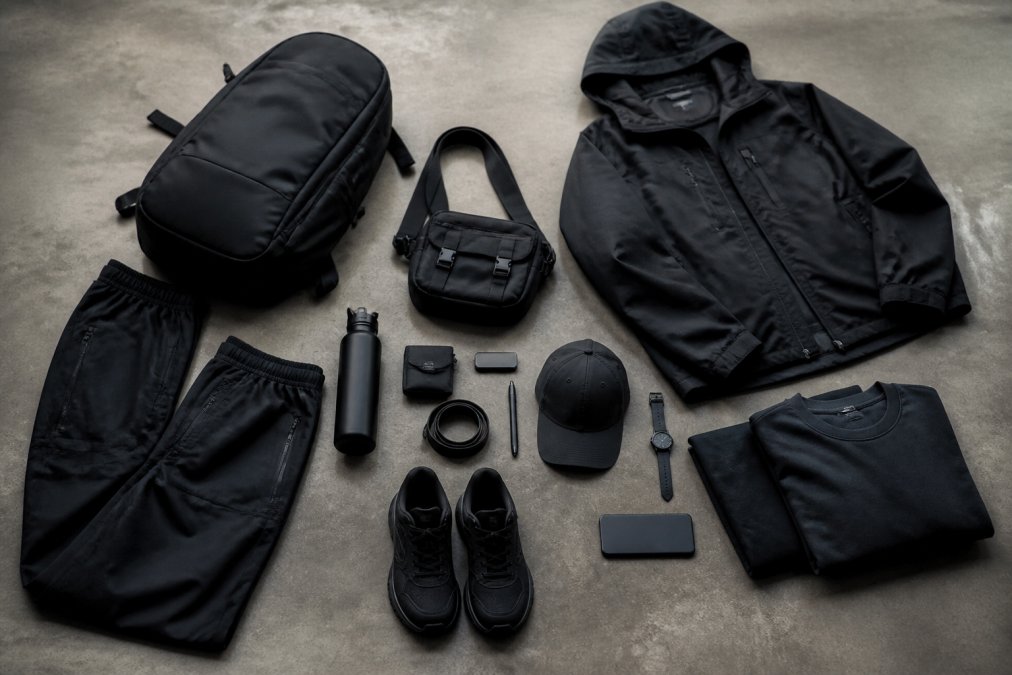
 listicle
Minimalist Techwear for Students: 6 Brands That Fit Your Budget
Table of Contents
- What Defines Minimalist Techwear for Students
- Quick Comparison: Key Features at a Glance
- Smart Fabric Clothing vs Traditional Cotton: What Actually Matters
- AW3SOME: Original Graphics on Heavyweight Cotton
- Affordable Techwear for Students: Building Your Capsule Wardrobe
- How to Care for Techwear: Maintenance That Extends Durability
- Common Mistakes When Shopping Minimalist Techwear
- Frequently Asked Questions
Last Updated: September 18, 2026
What Defines Minimalist Techwear for Students
Minimalist techwear students prioritize functional design with clean aesthetics, choosing versatile pieces that work across multiple outfits and environments. Unlike maximalist streetwear that demands attention, minimalist techwear strips away excess graphics and busy patterns in favor of understated silhouettes, neutral color palettes, and thoughtful construction details.
The core appeal lies in practicality. Student life demands clothing that transitions from lecture halls to study sessions to weekend hangouts without looking out of place. Minimalist techwear delivers this through quality construction, thoughtful fits that handle layering, and clean lines that signal intentional wardrobe choices.
At AW3SOME CLOTHES INC, we focus on heavyweight cotton pieces with original graphics that anchor a capsule wardrobe. Minimalist techwear is about owning the right things, pieces that work together, withstand regular wear, and don't require constant replacement.
The price-to-durability ratio appeals to student budgets. A quality heavyweight tee worn twice weekly for a year costs less per wear than buying three cheaper tees that fade or shrink within months.
Quick Comparison: Key Features at a Glance
| Feature | What It Means | Why It Matters for Students |
|---|---|---|
| Fabric Weight (GSM/oz) | Density and durability of the cotton | Heavier fabrics (7.5 oz / 245-255 GSM) hold shape longer and resist pilling |
| Fit Profile | How the garment sits on your body | Oversized/relaxed fits layer easily and accommodate different body types without tailoring |
| Print Method | How graphics are applied | DTG (direct-to-garment) maintains detail through repeated washing |
| Color Options | Available colorways | Neutral tones (black, white, grey) work with more pieces in your wardrobe |
| Collar Construction | Reinforcement at neckline | Double-needle stitching and neck tape prevent stretching after many washes |
| Storage/Pockets | Functional design elements | Strategic pockets add utility without disrupting minimalist silhouette |
Smart Fabric Clothing vs Traditional Cotton: What Actually Matters
Understanding the real differences between smart fabrics and traditional cotton prevents wasted money on overhyped features and helps you choose pieces that align with how you actually live.
Traditional 100% cotton remains the baseline for minimalist techwear. It breathes well, costs less than blended fabrics, and requires no special care beyond cold water washing. The tradeoff: pure cotton can shrink if washed in warm water or machine-dried, and may pill more readily than blended alternatives when subjected to friction.
Smart fabrics blend cotton with polyester to address shrinkage and pilling. A 90/10 cotton-poly blend (like AW3SOME's Heather Grey) resists shrinkage within 1-2% while maintaining breathability. A 50/50 blend (like Charcoal Grey) reduces pilling but sacrifices softness and breathability.
Blended fabrics dry slower and respond unpredictably to heat. If you're washing in cold water and air-drying, the performance benefits diminish.
What separates a durable tee from a disposable one is construction and weight, not fiber content. A 7.5 oz / 245-255 GSM heavyweight cotton with double-needle stitching and reinforced neck tape will outlast a lighter blended fabric with single-needle seams. Construction quality determines whether seams hold and whether the collar stretches out.
For print durability, print method matters more than fiber content. DTG (direct-to-garment) printing bonds ink directly into fabric fibers and performs equally well on 100% cotton and blended fabrics. If you're buying graphic tees, the print method is more important than fiber blend.
If you live in a humid climate or dorm with limited air-drying space, a 90/10 blend dries faster. If you have dryer access, a 50/50 blend's shrinkage resistance becomes valuable. Otherwise, pure cotton is the smarter choice economically.
Fiber content is one variable among many. A 7.5 oz 100% cotton tee with reinforced seams and DTG printing outperforms a 150 GSM cotton-poly blend with weak stitching. Focus on weight, construction, and print durability.
AW3SOME: Original Graphics on Heavyweight Cotton
Our Pick for Minimalist Techwear Foundations
AW3SOME CLOTHES INC builds every tee on the Shaka Wear SHMHSS Unisex Max Heavyweight Short Sleeve: 7.5 oz / 245-255 GSM, oversized relaxed fit, shoulder-to-shoulder neck tape, double-needle stitched seams, and quarter-turned construction. Standard colors use 100% USA cotton; Heather Grey is 90/10 cotton-poly; Charcoal Grey is 50/50.
Graphics use DTG (direct-to-garment) printing, which integrates artwork directly into fabric rather than sitting on top. This preserves detail through repeated washing and avoids cracking. For minimalist pieces where a single graphic anchors the shirt, print durability matters.
[The Floral Tech Graphic T-Shirt ($39.53) exemplifies the brand's approach](/products/floral-tech-graphic-t-shirt): heavyweight construction paired with understated design. The muted charcoal base and compact chest emblem read minimal, while the back panel's layered floral and diagram graphics add unexpected contrast. The slightly oversized fit accommodates layering without looking baggy, and reinforced collar and seams mean the shirt maintains shape through many wears.

For budget-conscious students, the Tokyo Street Racing T-Shirt ($21.99) delivers similar quality at a lower price point. The 180 g/m² midweight cotton still holds detail crisply, and the tubular knit (no side seams) reduces waste while improving durability. The compact chest logo and bold back scene read cinematic without overwhelming the minimalist aesthetic.

The Geometric Emblem Back Print with Minimal Front Logo ($22.58) focuses the visual interest on the back, leaving the front clean for layering. The origami-like pyramid within a serrated red-and-gray crest reads like a wearable badge, exactly what minimalist techwear should feel like.

What separates AW3SOME from generic graphic tees: original artwork that never reprints. Once a design sells out, it's gone. This appeals to students who want pieces that feel exclusive without demanding collector-level spending.
Affordable Techwear for Students: Building Your Capsule Wardrobe
Building a functional wardrobe as minimalist techwear students on a budget requires strategy. The goal is owning pieces that work together and justify their cost through repeated wear.
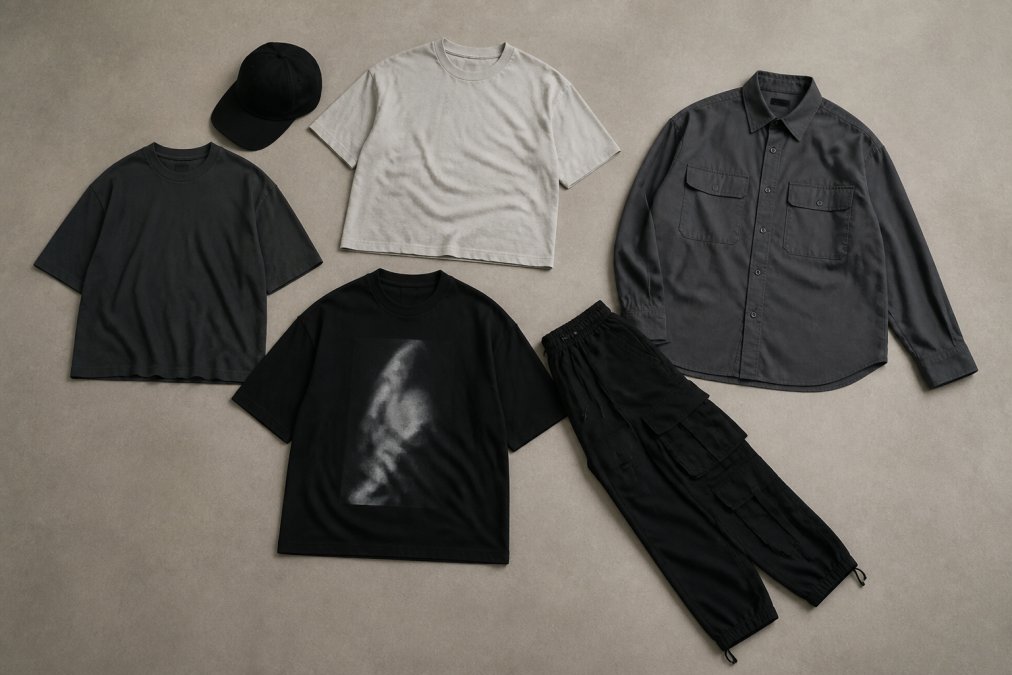
Start with the foundation: two heavyweight base tees in neutral colors. Black and white (or grey) form the anchor. Choose pieces with reinforced collars and double-needle stitching so they maintain shape. This foundation covers roughly 60% of your outfit combinations.
Add one statement piece with original graphics. Choose a design that genuinely reflects your aesthetic and that you'll wear weekly. The graphic should be understated enough to layer under jackets but distinctive enough to anchor an outfit. This serves as the visual identity of your wardrobe.
Layer with a structured button-up shirt. An oversized linen or cotton-blend overshirt in a neutral tone extends outfit combinations dramatically. Look for natural fibers that age well and don't require ironing if air-dried properly.
Add utility bottoms in neutral tones. Cargo pants or utility trousers with tapered legs and functional pockets add the "tech" element. The key is fit: tapered legs that sit cleanly at the ankle and don't bunch when layered.
Accessories complete the capsule without major expense. A minimal baseball cap or beanie adds utility. An unstructured dad cap with a small embroidered logo maintains the minimalist aesthetic while adding function.
The math matters: a quality heavyweight tee worn twice weekly for a semester costs less per wear than a fast-fashion tee that shrinks or fades after 10 wears. Quality wins on cost-per-wear.
How to evaluate fit when buying online: Oversized doesn't mean shapeless.
How to Care for Techwear: Maintenance That Extends Durability
Proper care separates a tee that lasts one year from one that lasts three.
Common Mistakes When Shopping Minimalist Techwear
Most students overspend on features they don't need and underspend on construction quality.
Frequently Asked Questions
What makes minimalist techwear different from regular streetwear?
Minimalist techwear prioritizes clean lines, functional design, and performance-focused details over bold graphics. It emphasizes versatility through neutral palettes, modular storage, and weather-resistant properties. Regular streetwear often prioritizes visual impact and trend-driven aesthetics. For students, minimalist techwear means pieces that layer easily, work across seasons, and transition from campus to city without looking overdone, form follows function.
How does smart fabric clothing vs traditional cotton affect my choice?
Smart fabric clothing offers synthetic fibers with moisture-wicking, faster drying, and weather resistance, useful for active commutes. Traditional cotton breathes better, feels softer, and ages naturally, but takes longer to dry and offers less weather protection. For students on budget, heavyweight cotton like AW3SOME's 7.5 oz / 245-255 GSM blend delivers durability and comfort without synthetic costs. Choose cotton for everyday wear and layering; consider synthetic blends only if you need waterproofing or intense moisture management.
Can I wear techwear to class and look normal?
Yes. Minimalist techwear designed for students uses neutral colors, clean graphics, and relaxed fits that read as everyday casual wear. Oversized heavyweight tees, cargo pants, and structured caps blend seamlessly with standard campus fashion. The key is avoiding loud colors, excessive straps, or exaggerated silhouettes. Pieces like AW3SOME's geometric or floral-tech designs work on campus because they balance artistic detail with restraint, you're making a statement without looking costume-like.
What's the best affordable techwear for students on a tight budget?
Start with one quality heavyweight tee ($20-$40) and build around it with versatile basics. Look for pieces with clean graphics, neutral colorways, and durable construction that justify their price. AW3SOME's Tokyo Street Racing tee ($21.99) and Geometric Emblem tee ($22.58) offer original designs on solid cotton without premium markup. Pair with one structured cap and one pair of cargo or utility pants. This three-piece foundation works year-round and costs under $100 while looking intentional and functional.
How often should I wash techwear to keep it looking new?
Wash techwear every 3-5 wears unless visibly soiled or sweaty. Turn garments inside-out to protect graphics. Use cold water (max 90°F), avoid bleach on colored pieces, skip the dryer, and never iron. Heavyweight cotton like AW3SOME's 245-255 GSM fabric holds its shape better with gentle care, air-drying prevents shrinkage and keeps the fabric soft. Proper washing extends durability far longer than frequent hot-water cycles, making your investment last through years of campus wear.
Building minimalist techwear for students comes down to choosing fewer, better pieces and maintaining them properly. Heavyweight construction, original graphics, and neutral color palettes create a functional foundation that lasts through multiple semesters without constant replacement. Start with AW3SOME CLOTHES INC's core pieces, original graphics on 7.5 oz / 245-255 GSM cotton with reinforced seams, and layer strategically. SHOP THE LATEST DROP →