 listicle
Rare Graphic Tees for Collectors 2026
Table of Contents
- What Makes Rare Graphic Tees Worth Collecting
- How to Authenticate Vintage T-Shirts and Limited Releases
- Graphic Tee Condition Guide: Grading and Preservation
- Limited Edition Graphic Tees: Spotting Collectible Drops
- Vintage Graphic Tees: Design Eras and Collector Value
- Building Your Collection: Selection Criteria and Strategy
- Frequently Asked Questions
Last Updated: October 8, 2026
What Makes Rare Graphic Tees Worth Collecting
Rare graphic tees for collectors 2026 are wearable art with measurable market value. A tee becomes collectible when it combines limited production, original artwork, and cultural relevance. Scarcity matters most: a design that drops once and never reprints holds collector appeal indefinitely, while reprints lose that exclusivity.

At AW3SOME CLOTHES INC, every graphic tee we release is original and never reprinted. The rarest tees command premium resale value because they're impossible to replace: a 1990s band shirt from a sold-out tour, a limited streetwear drop from a respected artist, or a one-time brand-designer collaboration.
Three factors separate a collectible graphic tee from a standard one: authenticity of the artwork, quality of construction, and scarcity of the print run. Collectors prioritize original graphics and inspect stitching, fabric weight, and print durability, since these details determine how well a tee ages. A heavyweight cotton tee with dense, crisp DTG printing holds its graphic quality; lightweight blanks with fading prints lose collector appeal fast.
Limited edition drops drive collector behavior. When a brand announces weekly or monthly releases that won't come back, collectors feel urgency to buy before sell-out. Once sold out, that design is unavailable forever, making early adopters the only people who'll ever own it new.
How to Authenticate Vintage T-Shirts and Limited Releases
Authenticating rare graphic tees for collectors 2026 means knowing what to look for in tags, printing methods, and fabric. Spotting fakes protects your collection and resale investment.
Start with the tag. Authentic 1980s and 1990s vintage band shirts typically feature single-stitch construction, era-specific brand tags (Fruit of the Loom, Hanes Beefy-T, or Gildan 5000 variants), and era-matching printing. Modern DTG printing didn't exist before 2005, so any tee claiming 1990s origin with crisp, photo-realistic DTG artwork is suspect.
Examine the neck label closely. Counterfeits often have misspelled brand names, inconsistent fonts, or crooked stitching; authentic vintage pieces show consistent label quality and correct spelling.
Fabric weight and fiber content matter. A genuine 1990s heavyweight cotton tee feels dense and substantial, while counterfeits sometimes use lighter blanks. Check the tag: 100% cotton was standard for vintage band shirts, and blends suggest a more recent reproduction.
Print durability reveals age and authenticity. Authentic vintage prints show natural cracking and fading from decades of wear and washing, called "craquelure" in collector circles, with cracks that follow the fabric's movement patterns. Artificial aging or poor printing creates random, unnatural cracking.
For limited-edition modern releases, authentication focuses on documentation. Legitimate drops come with proof of purchase, email confirmations, or order numbers, and resellers should provide this provenance along with photos of original packaging, tags, and labels. Brands like AW3SOME that commit to never reprinting create permanent scarcity: any piece from a sold-out drop becomes instantly collectible because no future reprints are possible.
Graphic Tee Condition Guide: Grading and Preservation
Condition grading determines resale value more than any other factor. Collectors use a standardized scale, similar to comic book or trading card grading.
Mint (M): Never worn, never washed. Tags attached, no creases, no discoloration. Print is crisp with zero cracking or fading.
Near Mint (NM): Tried on once or twice, possibly washed once. No visible wear. Tags may be removed. Print shows no cracking.
Very Fine (VF): Light wear visible. Minimal fading, no cracking on the print. Slight discoloration possible. Still in excellent condition overall.
Fine (F): Moderate wear from regular use. Print shows light cracking or minor fading. Fabric may have slight discoloration. Still wearable and collectible.
Very Good (VG): Obvious wear. Print cracking is visible. Fading is noticeable. Discoloration present. Still structurally sound but shows its age.
Good (G): Heavy wear. Significant print cracking and fading. Possible small holes or stains. Collectible mainly for rarity, not condition.
Fair (FR) and Poor (P): Severe damage, heavy stains, or structural issues. Collectible only for extreme rarity.
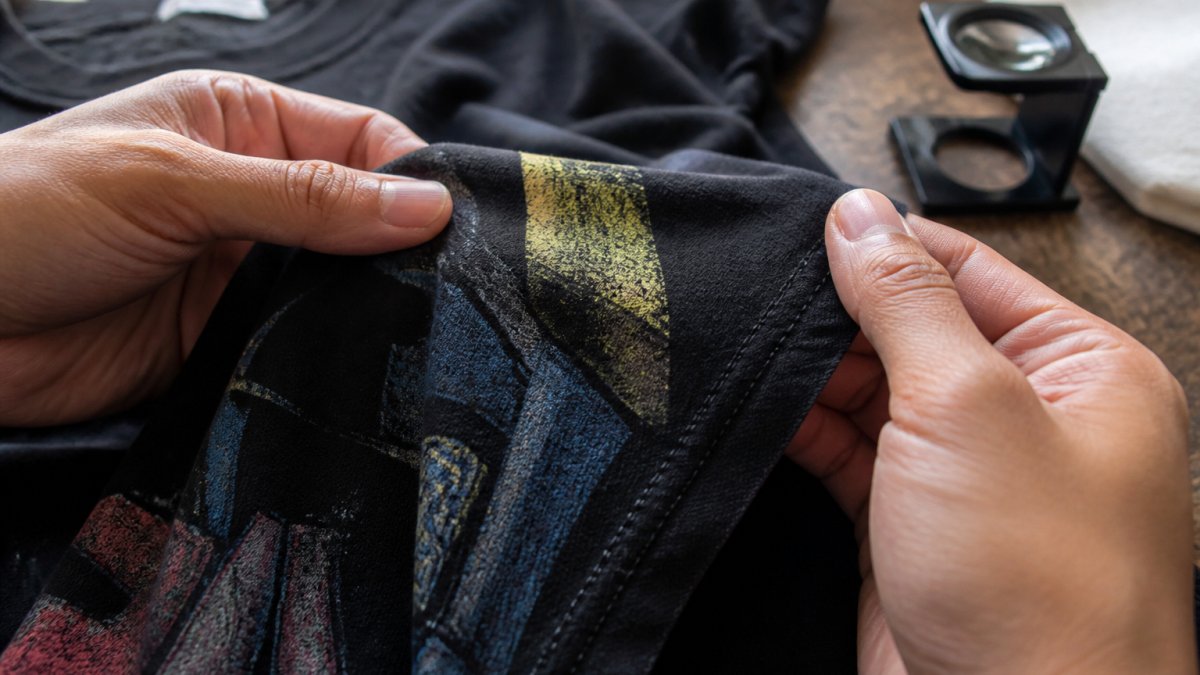
Preservation keeps tees in higher grades longer.
Washing matters.
Store tees away from direct contact with wood, plastic, or non-archival materials, since their acid transfers to cotton over decades.
Inspect stored tees quarterly for moth damage, mildew, or discoloration; early detection stops small problems from spreading.
Limited Edition Graphic Tees: Spotting Collectible Drops
Limited edition graphic tees for collectors 2026 follow predictable patterns that help you spot drops worth acquiring before they sell out. Brands that commit to never reprinting create instant collectibility: each drop is a finite resource.
Watch for weekly or monthly release schedules. Brands that drop on a consistent calendar build anticipation: followers set reminders, serious collectors plan months ahead, and because release dates are public, everyone knows exactly when a design becomes unavailable forever.
Artist collaborations signal collectible potential. When a respected graphic designer or street artist partners with a brand for a limited run, the piece appeals to both fan bases and often appreciates faster than solo brand releases.
Edition numbers matter.
Thematic consistency builds collector value. Brands with a clear aesthetic, such as dark, moody graphics, tech-inspired minimalism, or specific cultural references, develop loyal collectors who buy multiple pieces because the designs match their taste.
Sell-through speed indicates future value. A drop that sells out in hours shows demand far exceeded supply and suggests the design resonated; pieces that linger for weeks often appreciate slower because demand was lukewarm.
Social proof and community engagement signal collectibility. Drops that spark discussion on streetwear forums, social media, or collector communities gain momentum, and community validation drives secondary market interest.
Vintage Graphic Tees: Design Eras and Collector Value
Vintage graphic tees for collectors 2026 break into distinct design eras, each with different collector appeal and valuation patterns. Understanding these eras helps you identify which pieces hold value.
1980s Band Shirts: Single-stitch construction, screen-printed graphics, concert tour dates on the back. These command the highest prices because they're genuinely rare, most were worn hard and discarded. A mint-condition 1980s Metallica or Guns N' Roses tour shirt can sell for thousands.
1990s Streetwear and Hip-Hop: Oversized fits, bold logos, cultural significance. Brands like Tommy Hilfiger, FUBU, and Supreme emerged as streetwear became fashion rather than casual wear.
2000s Skate and Indie Graphics: The 2000s brought DIY aesthetics and indie brand graphics, with skate brands like Thrasher and independent designers dominating. Graphics became more artistic and less corporate, making this era collectible for its anti-establishment aesthetic.
2010s Limited-Drop Culture: Brands embraced scarcity as marketing, making limited releases, collaboration drops, and "never reprinted" commitments standard.
2020s and Beyond: Modern limited drops with DTG printing, artist collaborations, and brand consistency. The 2020s normalized the "never reprinted" model across serious brands, and collectors now expect scarcity and exclusivity. Pieces appreciate based on artist reputation, brand credibility, and design memorability.
Retro-inspired graphics that reference earlier eras hold collector appeal by blending nostalgia with modern production quality. A 2026 graphic tee evoking 1990s aesthetics attracts collectors of both eras.
Building Your Collection: Selection Criteria and Strategy
Building a rare graphic tees for collectors 2026 collection requires strategy beyond impulse purchases. Serious collectors develop criteria and stick to them.
Define Your Aesthetic: Collectors with focused aesthetics build more valuable collections.
Prioritize Artist and Brand Reputation: Tees from respected designers and brands appreciate faster. A graphic tee designed by a recognized street artist holds more collector value than anonymous corporate graphics.
Buy Early in Drops: Acquisition timing affects resale value.
Track Edition Numbers and Print Runs: If a brand publishes edition sizes, smaller runs are rarer: a 100-piece run is scarcer than a 1,000-piece run. Documenting edition numbers adds provenance and increases resale confidence.
Diversify by Era: Mixing vintage pieces with modern limited drops balances stability (vintage appreciates slowly but steadily) with upside (modern drops can spike if the brand gains reputation). Don't put all capital into one era.
Store Properly: Preservation directly impacts resale value: a tee in perfect condition sells for significantly more than the same design worn. Invest in acid-free boxes, climate control, and careful handling.
Document Everything: Keep receipts, order confirmations, original packaging, and photos of each piece. Provenance documentation increases resale value and collector confidence. Serious buyers want to know the tee's history.
| Selection Criteria | Impact on Value | How to Evaluate |
|---|---|---|
| Artist/Brand Reputation | High | Research designer background, brand history, collector community feedback |
| Design Originality | High | Assess whether the graphic is unique or derivative; check if the design has been reprinted |
| Print Quality | High | Examine print crispness, color saturation, durability of the printing method |
| Edition Size | Medium | Smaller runs are rarer; verify edition numbers if available |
| Condition | Critical | Grade condition using the standardized scale; mint pieces appreciate faster |
| Aesthetic Coherence | Medium | Collections with consistent themes sell better as cohesive lots |
| Provenance Documentation | Medium | Original receipts, order confirmations, and packaging increase buyer confidence |
| Acquisition Timing | Low-Medium | Early purchases in drops may appreciate more than late purchases |
Collecting rare graphic tees for collectors 2026 blends aesthetic appreciation with strategic acquisition. Focus on original artwork, quality construction, and scarcity.

Start with pieces that align with your aesthetic and budget. Store them properly. Track documentation. Watch for artist collaborations and brand releases that signal collectible potential.
SHOP THE LATEST DROP →
Frequently Asked Questions
What makes a rare graphic tee collectible?
A collectible graphic tee combines limited availability, original artwork, quality construction, and cultural relevance. Rarity comes from small print runs, one-time drops, or designs never reprinted. Original graphics, especially artist-designed or band-specific artwork, hold value better than generic prints. Heavyweight construction (7.5 oz / 245-255 GSM cotton) and clean print quality signal collector appeal. Streetwear and music graphics tend to appreciate when tied to specific eras or cultural moments.
How can you tell if a graphic tee is rare?
Check the print run number or edition details if available, smaller runs indicate scarcity. Examine the design: unique artwork, limited-time drops, and designs that never resold signal rarity. Verify authenticity by inspecting stitching quality, fabric weight, and print method (DTG). Research the brand's release history; if a design was a one-time weekly drop or sold out within days, it's likely rare. Look for condition consistency across the market, if few examples exist in good condition, rarity is confirmed.
How should you check the condition of a vintage graphic tee before buying?
Inspect the print first: look for cracks, fading, or peeling in the graphic. Check seams and hems for loose stitching or fraying. Examine the collar for stretching or discoloration. Ask the seller for detailed photos of the front, back, sleeves, and neckline under good lighting. Request information about wash history and storage. For online purchases, ask about any stains, odors, or previous repairs. Condition grading ranges from mint (unworn) to poor (significant wear); most collectors prefer good-to-excellent condition for resale value.
What's the difference between vintage and limited-edition graphic tees?
Vintage graphic tees are older designs, typically 10+ years old, valued for their era, rarity, and cultural significance. They often have faded prints and worn fabric, which adds character and authenticity. Limited-edition graphic tees are modern releases with intentionally small production runs, often 100-500 pieces, designed to be collectible from day one. Limited editions retain sharp prints and pristine construction if stored well. Vintage tees appreciate due to age and scarcity; limited editions gain value if the brand maintains its reputation and never reprints the design.
Where do collectors find rare graphic tees?
Weekly drops and exclusive releases from streetwear brands are primary sources, follow brands on social media for drop announcements. Resale markets like Grailed and Depop host rare finds, though prices reflect collector demand. Vintage shops and thrift stores occasionally yield authentic pieces, but require authentication skills. Artist-designed and independent-art tees often drop through the artist's own platform or limited-run marketplaces. Building relationships with brand communities helps collectors learn about upcoming releases before they sell out. Condition, authenticity, and provenance determine whether a rare tee maintains or gains value over time.