 listicle
Top 5 Futuristic Clothing Materials for Streetwear
Table of Contents
- What Makes a Material Futuristic in Streetwear
- Smart Fabric Clothing vs Traditional Cotton
- 1. Heavyweight Cotton with Reflective and Metallic Finishes
- 2. Synthetic Blends and Performance Fabrics
- 3. Sustainable Tech Fibers and Polylactic Acid
- Benefits of Heavyweight Cotton in Streetwear
- Care and Maintenance of High-Tech Fabrics
- Frequently Asked Questions
Last Updated: September 25, 2026
What Makes a Material Futuristic in Streetwear
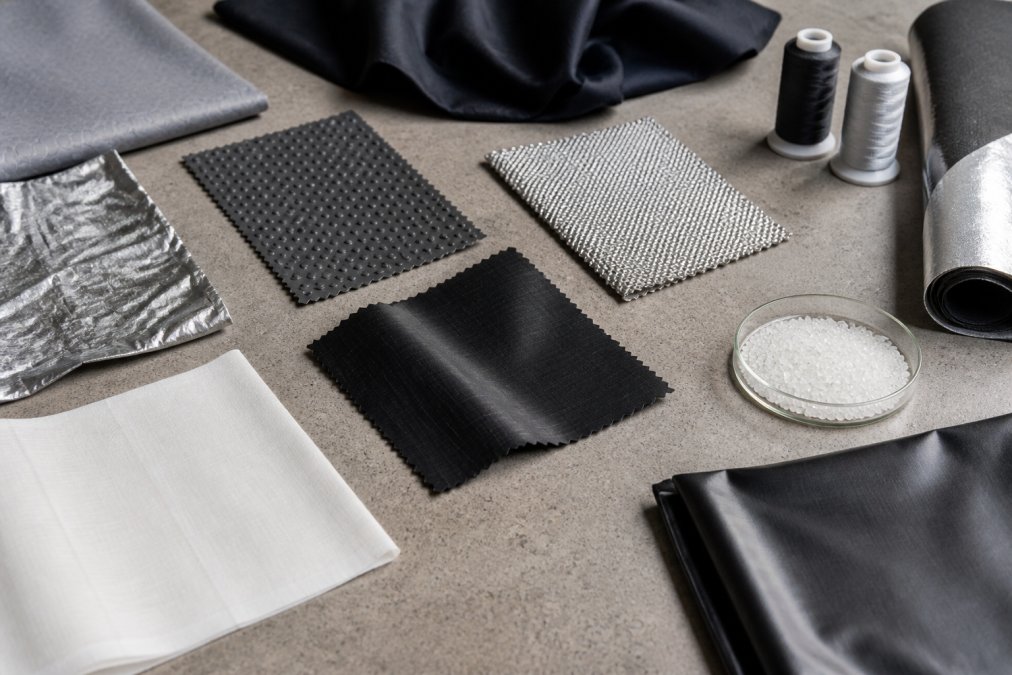
Futuristic clothing materials go beyond standard cotton. They combine performance features, visual innovation, and tactile qualities that signal forward-thinking design. Think reflective surfaces, synthetic blends, and sustainable tech fibers that blur the line between fashion and function.
Futuristic materials catch light differently, feel substantial, and signal intentional design, a core value in streetwear.
At AW3SOME CLOTHES INC, heavyweight 7.5 oz cotton with bold original graphics and reflective or metallic details reads as deliberate and engineered.
| Material Type | Key Characteristics | Best For |
|---|---|---|
| Heavyweight cotton with reflective finishes | Durable, light-catching, tactile depth | Night visibility, urban aesthetic |
| Synthetic blends and performance fabrics | Moisture-wicking, stretch, coated surfaces | Active wear, layering, durability |
| Sustainable tech fibers (polylactic acid) | Eco-friendly, breathable, performance-driven | Environmentally conscious buyers |
Smart Fabric Clothing vs Traditional Cotton
Smart fabrics integrate conductive threads, embedded sensors, or phase-change materials to monitor heart rate, regulate temperature, or respond to stimuli. Traditional cotton cannot.
Conductive threads create data pathways; phase-change materials regulate temperature; moisture-sensing fabrics trigger alerts. None exist in traditional cotton.
Why hasn't smart fabric adoption exploded in mainstream streetwear? Three barriers stand in the way:
Cost and scalability. Smart textiles require specialized equipment and sourcing, keeping prices elevated and availability limited to niche performance wear and medical applications.
Durability and washability. Smart components degrade with washing; conductive threads corrode and sensors fail if submerged. Most require hand washing, making them impractical for everyday rotation.
Aesthetic integration. Visible wiring and sensor nodes break the clean lines streetwear demands. Current smart textiles read as technical wear, not street style.
Smart fabrics currently live in performance athletics, medical applications, and military gear. Mainstream streetwear hasn't adopted them because the value proposition doesn't justify the cost and care burden.
As conductive fibers become cheaper and consumers embrace wearable tech, smart textiles will move from niche to accessible, expanding "futuristic" from visual to functional innovation.
For now, traditional heavyweight cotton with technical finishes delivers the futuristic aesthetic without the maintenance burden.
1. Heavyweight Cotton with Reflective and Metallic Finishes
Heavyweight cotton anchors the futuristic streetwear conversation because it's proven and accessible. Add reflective or metallic finishes to dense, quality cotton, and you've created something that reads as both grounded and forward-thinking.
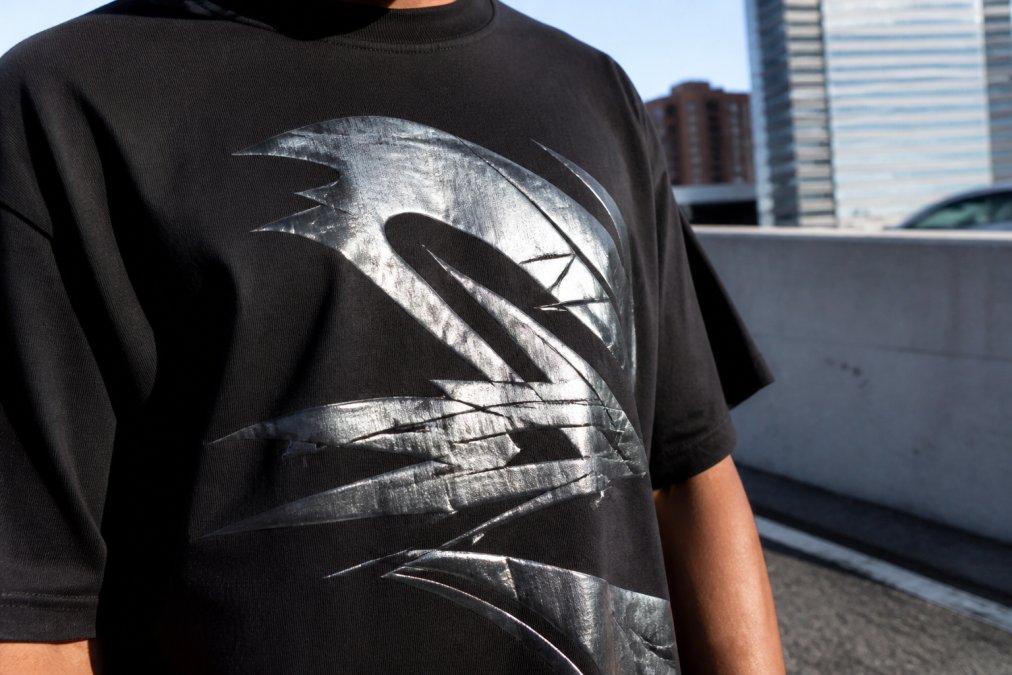
Reflective details improve low-light visibility and signal intentionality. Metallic finishes add visual depth. Applied via direct-to-garment printing on 7.5 oz cotton, they stay crisp.
Heavyweight cotton delivers durability with visual innovation. It breathes, layers, and develops character. Reflective or metallic elements transform it from classic to contemporary.
AW3SOME pieces like the Armor of God Graphic T-Shirt use this approach, premium 7.5 oz USA cotton with detailed graphics that include technical line work and schematic elements. The result reads distinctly futuristic while remaining grounded in proven textile fundamentals.

What works: Reflective details improve nighttime visibility. Metallic finishes add tactile depth and catch light in ways flat prints cannot.
What to consider: Reflective and metallic finishes work best on darker base colors. On light colors, the contrast can feel jarring rather than intentional.
2. Synthetic Blends and Performance Fabrics
Synthetic blends (polyester, nylon, elastane) add stretch, moisture-wicking, and durability. They dry faster, resist wrinkles, and maintain shape through repeated wear.
Synthetics add stretch for layering, resist color fading better than cotton, and enable coated surfaces that feel tactile and modern.
Pure cotton develops character and fades intentionally; synthetics stay consistent, which performance-focused buyers prefer.
Synthetic blends work best where durability matters. AW3SOME's 90/10 cotton-poly Heather Grey offers cotton comfort with enhanced color stability; the 50/50 Charcoal Grey pushes toward performance.
What works: Synthetics add stretch without visible seams. Moisture-wicking keeps you comfortable during layering or active wear. Coated synthetic surfaces create texture that reads distinctly futuristic.
What to consider: Synthetics can feel less breathable than pure cotton. They hold heat differently and may not age as gracefully.
3. Sustainable Tech Fibers and Polylactic Acid
Polylactic acid (PLA), made from corn starch or sugarcane, delivers breathability and durability while reducing reliance on petroleum-based synthetics.
Armor of God Graphic T-Shirt →
PLA feels premium, behaves like synthetic performance fabric, and carries the story of sustainable innovation.
PLA resists odor, dries faster, and maintains shape. For environmentally conscious buyers, it signals thoughtfulness without sacrificing performance.
Sustainable tech fibers command a premium and aren't yet mainstream, but adoption is accelerating.
What works: PLA is biodegradable and sourced from renewable materials. Performance characteristics rival synthetic blends while feeling lighter and more breathable.
What to consider:
Benefits of Heavyweight Cotton in Streetwear
Heavyweight cotton at 7.5 oz (245-255 GSM) delivers durability, holds graphics cleanly, and develops character through wear.
Heavyweight cotton feels substantial, drapes with confidence, and sits comfortably without tugging or shifting.
Heavyweight cotton also serves as the ideal canvas for detailed graphics. Direct-to-garment printing on dense cotton produces sharper lines, richer colors, and better dimensional depth than printing on lighter fabrics. The ink sits on a stable surface rather than sinking into loose weave.
Durability is measurable. Heavyweight cotton maintains its shape.
Care and Maintenance of High-Tech Fabrics
High-tech fabrics demand specific care because their performance features are chemically or mechanically vulnerable. Understanding why each restriction exists helps you protect your investment and recognize when damage is permanent.
Reflective and metallic finishes: The chemistry of light-catching surfaces
What damages them:
- Chlorine bleach breaks down the binder, causing the reflective layer to flake or dull. Even small amounts in tap water (if your municipal supply is heavily chlorinated) can accelerate this over many wash cycles.
- High heat (hot water, high-temperature drying) causes the binder to soften and lose adhesion. The reflective particles migrate or shed.
- Friction during washing (washing with heavy items like jeans or towels) physically abrades the coating.
- Alkaline detergents can degrade certain binder formulations. Neutral or slightly acidic detergents are gentler.
How to care for reflective/metallic pieces:
- Wash inside-out in cold water (below 60°F) to minimize heat exposure and protect the surface from friction.
- Use a gentle detergent without optical brighteners (these can interfere with reflective properties).
- Wash separately or with similar lightweight items.
- Air dry or tumble dry on low heat (under 130°F). High heat is the fastest path to dull, flaking finishes.
- Avoid direct sunlight during drying, UV exposure can fade metallic pigments over time.
Synthetic blends: Stretch, pilling, and heat sensitivity
What damages synthetics:
- High heat causes shrinkage and loss of stretch. Elastane (spandex) is especially vulnerable; temperatures above 140°F can permanently reduce its elasticity.
- Fabric softener and dryer sheets coat synthetic fibers with a waxy residue that reduces moisture-wicking performance and can trap odors.
- Friction and pilling occur when loose fibers on the surface tangle and ball up. This is cosmetic damage (the garment still functions) but looks worn.
- Chlorine can yellow or discolor certain synthetics, particularly white or light-colored polyester.
How to care for synthetic blends:
- Wash in cool water (60-80°F) with a mild detergent. Avoid fabric softener entirely.
- Wash separately from items with rough textures (denim, towels) to minimize pilling.
- Dry on low heat or air dry. If using a dryer, remove the garment while slightly damp to prevent over-drying and shrinkage.
- If pilling occurs, use a fabric shaver or lint roller to remove pills, this doesn't damage the garment, just restores appearance.
What damages PLA:
- Heat above 140°F causes the polymer to soften and lose shape. Unlike cotton, which can tolerate hot water, PLA becomes brittle and weak at high temperatures.
- Prolonged moisture exposure (leaving wet garments in a pile, or storing in humid environments) triggers hydrolysis, weakening the fiber over time.
- Alkaline detergents accelerate hydrolysis. Neutral pH detergents are essential.
- Chlorine bleach can discolor PLA and weaken the fiber structure.
How to care for PLA and sustainable fibers:
- Wash in cool water (below 60°F) with a neutral-pH detergent.
- Air dry completely before storing. Never leave damp PLA garments in a closed bag or drawer.
- Store in a cool, dry place. High humidity (above 70%) can trigger slow hydrolysis even in storage.
- Avoid bleach entirely.
General diagnostic checklist
After washing, inspect the garment:
- Reflective/metallic finishes: Does the coating still catch light uniformly? Any dull spots, flaking, or loss of sheen?
- Synthetics: Has the fabric tightened? Does the stretch feel reduced? Any visible pilling?
- PLA/sustainable fibers: Does the fabric feel stiff or brittle? Any discoloration or chalky texture?
Frequently Asked Questions
What makes a fabric truly futuristic in streetwear?
Futuristic fabrics blend performance with aesthetic innovation. They combine functional properties like moisture-wicking or reflective details with visual elements that evoke space-age or cyberpunk aesthetics. Heavyweight cotton with metallic finishes, synthetic blends with tactile depth, and sustainable tech fibers all qualify. The key is marrying durability and wearability with design that signals forward-thinking style, not just novelty alone.
How do smart fabrics and performance textiles compare to traditional cotton?
Traditional cotton excels in breathability and comfort but offers limited functional features. Smart fabric clothing and performance textiles add moisture-wicking, temperature regulation, or embedded tech capabilities. However, traditional heavyweight cotton remains relevant in streetwear for its durability, print surface quality, and authentic tactile feel. The choice depends on your priority: pure comfort favors cotton; layering and technical features favor synthetics or blends.
What are the benefits of heavyweight cotton in streetwear?
Heavyweight cotton (7.5 oz or 245-255 GSM) provides a substantial hand-feel and an ideal smooth surface for detailed graphics. For streetwear, heavyweight cotton is ideal for collectors and everyday wear alike.
Are sustainable tech fibers like polylactic acid (PLA) as durable as synthetic blends?
Polylactic acid and other sustainable fibers offer breathability. However, they may require gentler care. The trade-off is environmental benefit for slightly more cautious maintenance. Many brands now blend PLA with polyester to balance sustainability and performance in a single fabric.
How should you care for high-tech fabrics to maintain their futuristic features?
Most high-tech fabrics require cold water washing (no hotter than 30°C/90°F) to preserve coatings and performance properties. Skip bleach, heat drying, and ironing, these degrade reflective finishes, moisture-wicking treatments, and smart textile electronics. Air dry flat or hang-dry to maintain shape. Check care labels carefully; many tech fabrics are more sensitive than traditional cotton. Proper care preserves the functional and aesthetic features that make them futuristic in the first place.