 How-to
Where to Buy Non-Reprinted Graphic T-Shirts Online
Table of Contents
- Understanding Non-Reprinted Graphic T-Shirts
- How to Spot Original T-Shirt Designs Before You Buy
- Limited Edition Graphic Tees: What Actually Matters
- Graphic Tee Fabric and Fit Guide
- Finding Discontinued Graphic T-Shirts Online
- Where to Buy: Direct Brand Sites vs. Marketplaces
- Red Flags: What to Avoid When Shopping
- Conclusion
- Frequently Asked Questions
Last Updated: October 13, 2026
Understanding Non-Reprinted Graphic T-Shirts
Non-reprinted graphic t-shirts are released once and never produced again. Once sold out, they're gone, no restocks, no rereleases. That matters to collectors and design enthusiasts who want pieces that can't be bought by anyone else months or years later.
At AW3SOME CLOTHES INC, every design drops once, sells through, and moves on to make room for new artwork, a philosophy that respects both the artist's vision and the wearer's desire for something unique.
The appeal is straightforward: you're buying a specific moment in time, captured on fabric. When that moment passes, the design becomes part of the brand's history.
Knowing how to verify a design is genuinely non-reprinted before you buy separates smart shoppers from those who get caught reselling the same design under different names.
How to Spot Original T-Shirt Designs Before You Buy
The hardest part of buying non-reprinted graphic tees isn't finding them, it's confirming they're actually original before you commit your money.
Check the Brand's Reprint Policy
Start by finding the brand's explicit statement about reprints. Legitimate brands that commit to non-reprinted designs say so clearly on their site, in their FAQ, or in product descriptions, look for "never reprinted," "one-time release," or "limited run."
What you're looking for is a public commitment. Brands that don't reprint typically advertise it because it's a selling point; the absence of that claim suggests the possibility is still open.
Check social media history too. If a design appears across posts over months or years, it's likely been restocked or reprinted. Genuine one-time releases usually show a clear "sold out" moment followed by silence.
Verify Artist Credit and Licensing
Original designs come from somewhere. A legitimate brand will credit the artist or acknowledge the design source. Look for artist names, collaboration mentions, or licensing information.
Red flag: generic designs with no artist attribution. If a brand won't say who created the artwork, that's worth questioning. Licensed designs are often safer bets because the agreement usually specifies print runs and distribution limits.
Some brands work with independent artists on exclusive designs, usually with proof, a collaboration announcement, artist interview, or limited-edition label. If you can't find artist information, ask the brand directly.
Review Print Quality and Durability
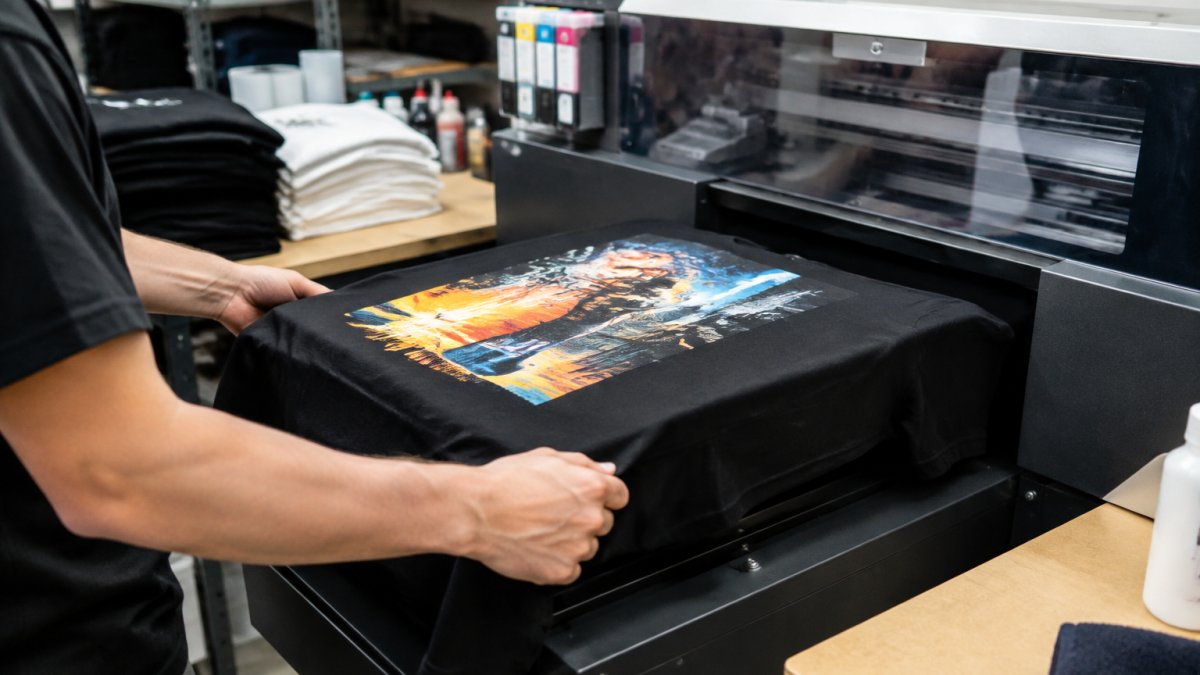
Print method affects how a design holds up and how recognizable it is. Most quality graphic tee brands use direct-to-garment (DTG) printing, which applies the design directly to fabric using specialized inkjet technology.

DTG works well for complex, multi-color designs and detailed artwork.
Examine product photos closely. Blurry or pixelated edges suggest lower-quality printing; sharp, clean lines indicate better execution. Faded or dull colors in photos often mean the shirt won't hold vibrancy after a few washes.
Read customer reviews if available. People who've worn and washed the shirt will mention if the print cracks, fades, or peels.
Limited Edition Graphic Tees: What Actually Matters
The term "limited edition" gets thrown around a lot, but it doesn't always mean what you think.
What matters is the brand's intention: is the design meant to be a one-time release, or just limited because they can only produce so much at once? The distinction changes how you should think about scarcity.
A genuine limited-edition design is typically marked clearly with phrases like "limited run," "exclusive release," or "never reprinted." Some brands include a production number on the tag or in the product description; others use a cutoff date.
The most reliable indicator is consistency. Brands that truly commit to limited releases drop new designs regularly and keep old ones gone. A history of rereleasing "sold out" designs signals they don't take the "limited" part seriously.
Graphic Tee Fabric and Fit Guide
Fabric and fit matter as much as the design itself, a stunning design on uncomfortable fabric ruins the experience.
Fabric Weight and Material Composition
Fabric weight is measured in GSM (grams per square meter) or ounces. Heavier fabric generally feels more durable and substantial. Most quality graphic tees fall in the 180-255 GSM range.
Cotton is the standard for graphic tees because it breathes, feels soft, and accepts print well. Some brands blend it with polyester (usually 90/10 or 80/20) to improve durability and reduce shrinkage; blends work fine, but pure cotton typically feels better against skin.
Check the fiber count too. High-quality cotton uses longer fibers, which create softer, more durable fabric, often specified as "16-singles yarn."
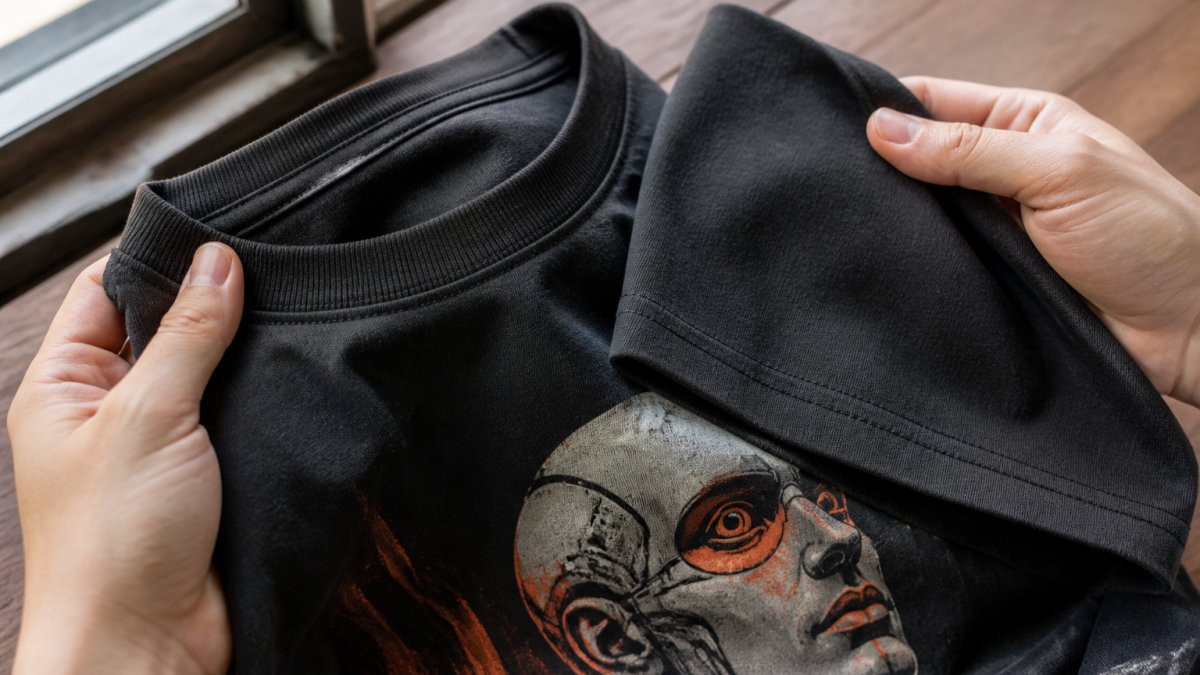
Fit, Sizing, and Garment Construction
Fit is personal, but construction quality is universal. Look for double-needle stitching on the neck, sleeves, and hem. This reinforcement prevents seams from splitting and keeps the shirt's shape intact through repeated washing.
A quality neck collar should have reinforcement tape running shoulder-to-shoulder, which prevents the neck from stretching out. A "stretch-proof" or "reinforced" collar is a sign the brand has thought about longevity.
Body construction matters too. Some brands use "quarter-turned" construction, which eliminates a center crease and creates a more balanced fit; others use side seams. Oversized or relaxed fits are standard in streetwear, but verify the specific fit description before ordering, sizes vary across brands.
Always check the size chart before buying. Measure a shirt you already own and compare it to the brand's measurements rather than relying on size labels.
Finding Discontinued Graphic T-Shirts Online
Discontinued designs are the holy grail for collectors. Once a design leaves a brand's active catalog, finding it takes patience and the right approach.
Check resale marketplaces like Grailed, Depop, or Vestiaire Collective, which host individual sellers offering vintage and discontinued pieces.
Brand archives and Wayback Machine snapshots can help too, old product pages confirm a design existed and help you identify it in resale listings. Some brands also maintain an archive section showing past releases.
Join brand-specific communities on Reddit or Discord. Collectors there often trade or sell discontinued pieces, verify authenticity, and know which designs are genuinely scarce versus which pop up regularly.
Be realistic about pricing. Discontinued designs often sell above original retail because they're no longer available.
Where to Buy: Direct Brand Sites vs. Marketplaces
The safest place to buy non-reprinted graphic tees is directly from the brand, authentic products, accurate sizing, and the ability to verify a design's status before purchase.
Independent Brand Storefronts
Brands that focus on original, non-reprinted designs typically sell directly from their own websites, giving them full control over pricing, inventory, and the story around each release. Buying from the official site means you see exactly when a design dropped and whether it's still available.
The advantage of direct purchases: you can ask the brand about a design's originality, print method, or reprint plans. Legitimate brands that care about non-reprinted culture answer clearly.
AW3SOME CLOTHES INC operates this way. Every design is released once through our site, and when it's gone, it's gone. [Our Moonlit Wanderer tee exemplifies this approach](/products/moonlit-wanderer-graphic-tee-mystical-cloaked-figure-t-shirt), a heavyweight 7.5 oz design with original artwork that won't be reprinted.

Online Marketplaces and Seller Listings
Marketplaces like Etsy, Amazon, and general e-commerce platforms host both brand storefronts and independent sellers. Quality varies widely. Some sellers are authorized retailers; others are resellers or print-on-demand operators.
The risk with marketplaces: designs can get reprinted without your knowledge. A design you buy might reappear in six months from the same seller under a different name.
If you're buying from a marketplace seller, verify their return policy. Legitimate sellers offer returns or exchanges if the product doesn't match the description; if a seller has no returns policy or poor quality ratings, shop elsewhere.
Look for seller verification badges. Etsy, for example, shows "shop policies" and customer ratings. Sellers with hundreds of positive reviews and transparent policies are safer bets than new sellers with no track record.
Red Flags: What to Avoid When Shopping
Certain warning signs indicate a design might not be genuinely non-reprinted or that the seller isn't trustworthy.
Vague design descriptions. If a product page doesn't explain the design's origin, artist, or release status, ask before buying. Legitimate brands provide context.
No restock timeline mentioned. If a seller says "out of stock" but won't commit to whether it's coming back, that's intentionally unclear.
Seller history of reprints. Check past listings. If the same design appears over months or years, they're reprinting, that design isn't exclusive.
No customer reviews or feedback. New sellers with zero reviews are riskier; established sellers have a reputation to protect.
Unclear print method. Some sellers don't specify whether they use DTG, screen printing, or print-on-demand. Ask.
Conclusion
Buying non-reprinted graphic t-shirts online requires checking a few key details: the brand's explicit commitment to not reprinting, artist credit and licensing, print quality and construction, and the seller's track record. Direct brand sites are safest because you're buying from the source; marketplaces work too, but verify seller credibility and ask about reprints first.
The non-reprinted model exists because some people value exclusivity and originality in their wardrobe. If that's you, the effort to verify authenticity pays off, you end up with pieces that won't show up on someone else next season.
At AW3SOME CLOTHES INC, we stand behind this philosophy. Every design we release is original artwork on premium heavyweight fabric, and each design releases once before we move forward. [Our Fallen Angel Graphic Tee and Tokyo Street Racing T-Shirt represent this commitment](/products/fallen-angel-graphic-tee-gothic-angel-illustration-short-sleeve-shirt), bold, original designs built on 7.5 oz US cotton with durable DTG printing.

| Element | What to Check | Why It Matters |
|---|---|---|
| Brand reprint policy | Explicit "never reprinted" statement | Confirms the design won't be restocked |
| Artist credit | Designer name or licensing info | Verifies the design's origin and authenticity |
| Print quality | Sharp edges, vibrant colors in photos | Indicates durability and visual appeal after washing |
| Fabric weight | 180-255 GSM or 6-9 oz | Affects comfort, durability, and longevity |
| Seller history | Past listings and customer reviews | Shows whether designs are actually one-time releases |
| Fit details | Size chart with measurements | Prevents ordering the wrong size |
Frequently Asked Questions
How can I verify that a graphic t-shirt design is actually original and not reprinted?
Check the brand's reprint policy directly on their website or product page. Authentic independent brands clearly state whether designs are one-time releases or limited runs. Look for artist credit and licensing information, and verify the print method (direct-to-garment) matches what the brand claims. Ask the seller directly if you're unsure, legitimate brands are transparent about design exclusivity and won't hide this information.
What does 'limited edition' actually mean for graphic tees?
Limited edition typically means the design is produced in a fixed quantity or for a set time period, after which it won't be made again. However, this term varies by brand. Some brands limit by print run (e.g., 500 units), others by time (e.g., 30 days), and some don't restock but may reprint later. Always check the specific brand's definition on their product page or FAQ. Brands committed to non-reprinted designs will state this explicitly.
What should I check regarding fabric and fit before buying a graphic tee online?
Review the fabric weight (measured in GSM or ounces), material composition (100% cotton, cotton blends, etc.), and fit description (oversized, relaxed, true to size). Check the size chart provided, different brands size differently. Look at customer reviews mentioning fit and shrinkage. Verify care instructions to ensure the shirt will hold up to your washing routine. Return policies matter too, since fit can't always be judged from photos alone.
Where's the safest place to find discontinued graphic t-shirts?
Start with the original brand's website, many keep a 'sold out' or 'archive' section where you can set notifications for restocks. Independent resale marketplaces and specialty streetwear communities sometimes stock discontinued designs, but verify seller ratings and return policies carefully. Avoid sellers with no reviews or unclear product photos. If a discontinued design is rare, expect higher prices, and always ask the seller directly whether they're reselling an original or a counterfeit.