 ultimate-guide
What Makes a Graphic Tee Exclusive: Beyond Hype
Table of Contents
- What Makes a Graphic Tee Exclusive
- Limited Edition Graphic Tees: Scarcity vs. Marketing
- Original Graphic Tee Designs: What Separates Custom Art From Mass Production
- How to Style Graphic Tees for Maximum Impact
- Exclusivity and Resale Value: What Actually Holds Worth
- Frequently Asked Questions
Last Updated: October 10, 2026
What Makes a Graphic Tee Exclusive
A graphic tee exclusive isn't just a shirt with a limited quantity slapped on it. True exclusivity comes down to design originality, production integrity, and the brand's commitment to never reprinting the artwork. At AW3SOME CLOTHES INC, we've built our entire approach around this principle: when you buy a graphic tee from us, you're getting something that will never exist again in that exact form.
The streetwear market is flooded with brands claiming "limited edition" status while quietly reissuing designs months later under different names. The real differentiator isn't the hype cycle, it's whether the brand actually stands behind the never-reprinted promise. A genuinely exclusive graphic tee communicates something about your personal style that mass-produced alternatives simply can't match. It becomes part of your identity because it's truly one-of-a-kind in the market.

Exclusivity Beyond Limited Quantities
Limited quantity alone doesn't make a graphic tee exclusive. A brand could print 500 units of a design and call it "limited," then print 500 more next quarter under a different collection name. That's not exclusivity, that's inventory management dressed up as scarcity.
Real exclusivity means the design never appears again, period. No reissues, no "fan favorites making a comeback," no surprise drops of old artwork. This requires a brand to commit to constant innovation rather than leaning on proven sellers. It's harder to execute, but it's what separates genuine exclusivity from marketing theater.
When you're evaluating whether a graphic tee is truly exclusive, ask yourself: Has the brand publicly committed to never reprinting this design? Do they have a track record of honoring that commitment? A brand that cycles through old designs is prioritizing profit margins over authenticity. One that constantly creates new artwork is prioritizing the exclusivity experience.
The Never-Reprinted Promise
The never-reprinted promise is the foundation of real exclusivity. It means once a design sells out, it's gone. No vault of "classic designs" that resurface when sales dip. No nostalgia plays that undermine the original buyers' exclusivity.
Brands that honor this approach build a collector mentality around their releases. People pay attention to drops because they know missing out means permanent loss. This creates genuine scarcity, not artificial scarcity manufactured through countdown timers and urgency language, but real scarcity rooted in a genuine commitment to design originality.
The challenge for brands is resisting the temptation to reprint bestsellers. A design that sold out in 48 hours could generate significant revenue if brought back. But reprinting it destroys the exclusivity for everyone who bought it originally. It signals that the brand's commitment to exclusivity is conditional, profitable designs get exceptions. That's when exclusivity becomes a lie.
Limited Edition Graphic Tees: Scarcity vs. Marketing
Limited edition graphic tees sit at the intersection of real scarcity and marketing language. Understanding the difference between the two is crucial before you commit to buying at premium prices.

A limited edition release can be genuinely scarce (truly finite, never reprinted) or artificially scarce (limited quantity, but will likely reissue). The distinction matters because it determines whether you're buying into a real exclusive or a manufactured sense of urgency designed to close a sale today.
How to Verify a Genuinely Exclusive Release
Start by checking if the brand has a public, verifiable record of their reprinting policy. Look for explicit statements about whether designs return to production. Vague language like "while supplies last" or "limited availability" doesn't commit to anything, it leaves the door open for future reprints.
Second, examine the brand's release history. Have they reprinted designs before? If a brand has a pattern of bringing back old artwork, their "exclusive" claims carry less weight. If they've consistently released new designs without cycling through old ones, that's a signal of genuine commitment to exclusivity.
Third, check the design itself. Is it original artwork created specifically for this release, or is it a variation of existing designs? A brand that constantly remixes the same visual elements across collections is prioritizing efficiency over originality. Genuinely exclusive graphic tees feature completely unique artwork that won't appear again.
The Difference Between Limited and Sold Out
"Limited edition" and "sold out" are not the same thing. A limited edition release is intentionally constrained from the start. A sold-out design simply ran out of inventory, it may or may not return.
When a graphic tee sells out, the brand faces a choice: honor the exclusivity by never reprinting it, or capitalize on demand by bringing it back. A brand committed to real exclusivity chooses the former, even when it means leaving money on the table. A brand treating exclusivity as a marketing tactic chooses the latter.
This is where you separate brands with conviction from brands playing the exclusivity game. The best way to verify? Look at what happens after a sold-out drop. Does the brand move on to entirely new designs, or do old designs quietly reappear in future collections? The pattern tells you everything about whether exclusivity is genuine or manufactured.
Original Graphic Tee Designs: What Separates Custom Art From Mass Production
The quality of the graphic design itself is where exclusivity truly lives. A custom, original design created specifically for a release carries inherent exclusivity that a mass-produced generic design never will.

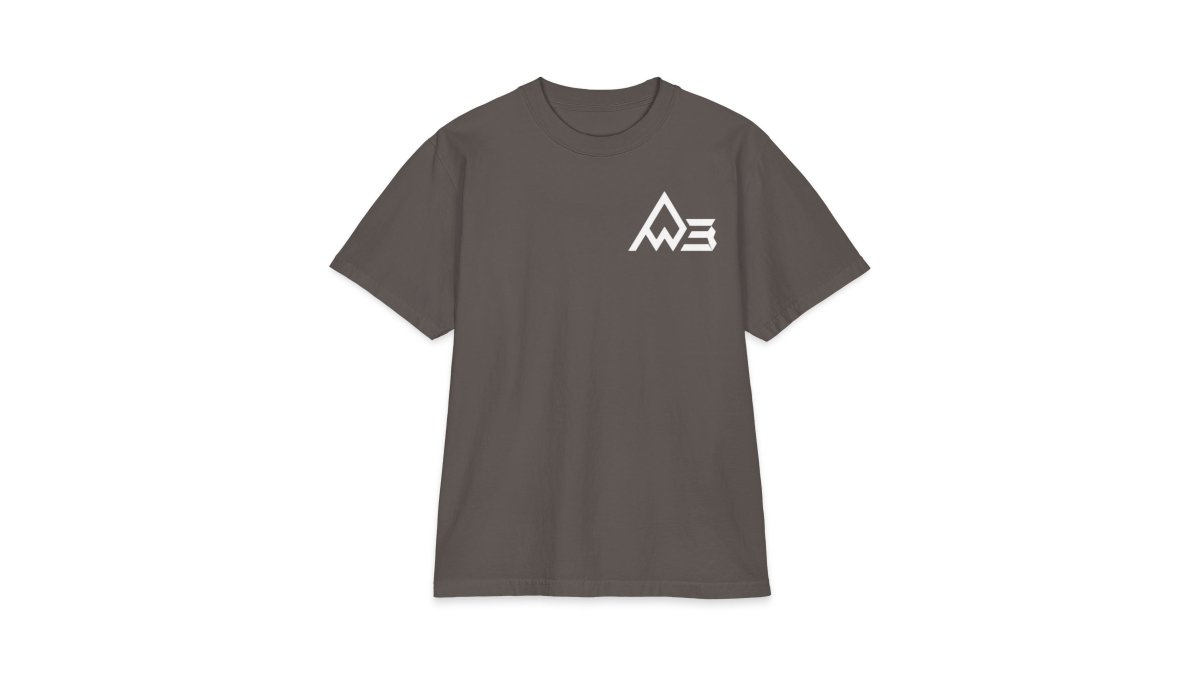
Mass-produced graphic tees rely on stock imagery, generic templates, and designs optimized for broad appeal. Original designs, by contrast, are created with intention, they reflect a specific artistic vision and are produced in limited quantities to maintain that vision's integrity.
Design Quality and Production Methods
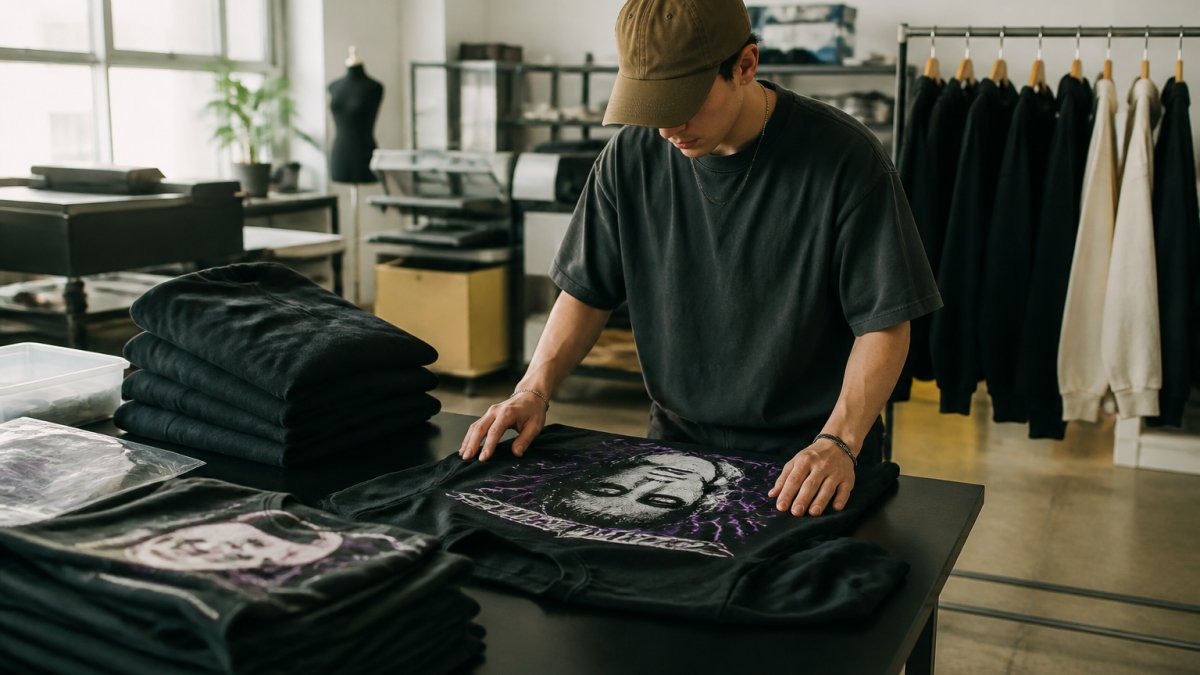
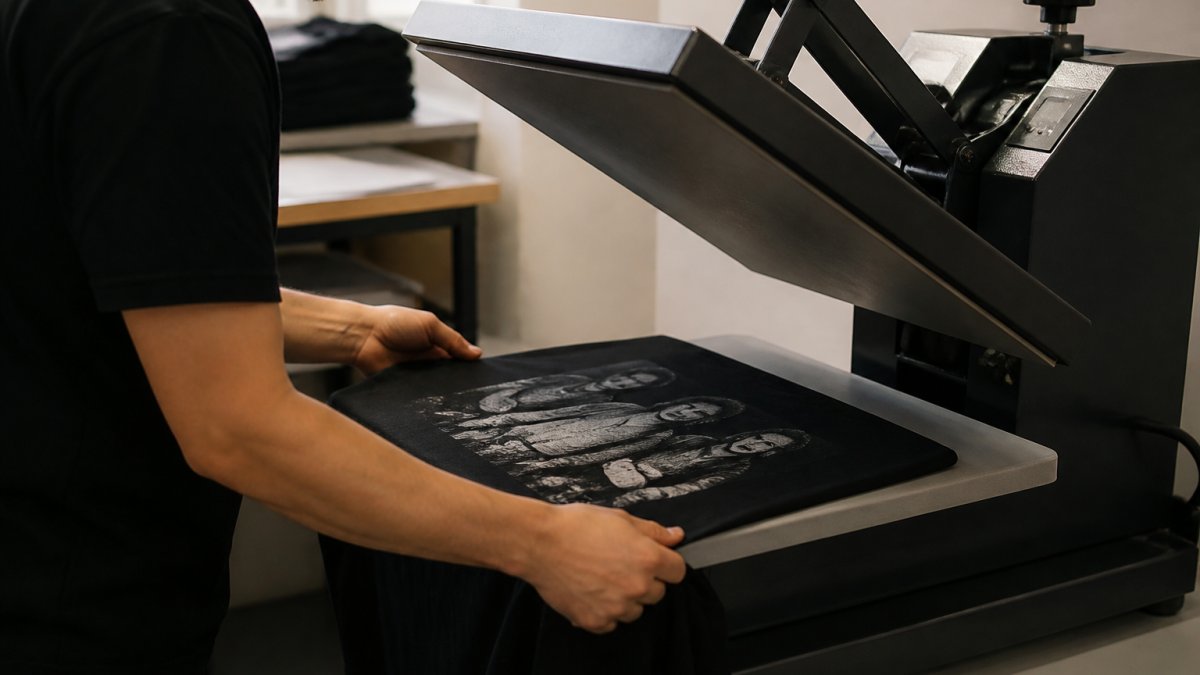
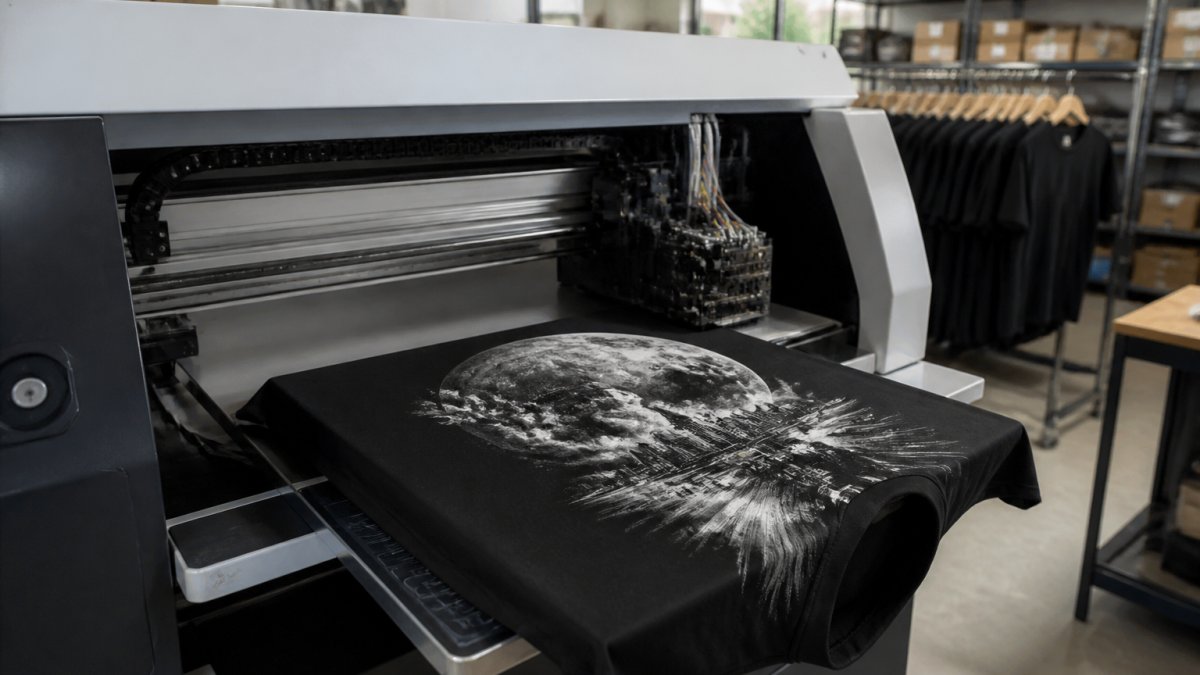
The method used to print a graphic tee affects both the quality and the exclusivity perception. DTG (direct-to-garment) printing, which AW3SOME CLOTHES INC uses, allows for detailed, full-color artwork. This method supports complex designs with subtle color gradations and intricate details.
DTG printing also enables shorter production runs without setup costs that would be prohibitive with screen printing. This means a brand can produce genuinely limited quantities of original designs without the economics forcing them toward mass production. The production method directly supports the exclusivity model.
When evaluating a graphic tee's exclusivity, look at the design complexity. Does it show evidence of custom artwork, or does it rely on simple, repeatable visual elements? A design with layered colors, photographic elements, or intricate illustrations signals investment in original creation. A design with flat colors and basic shapes suggests a more commodified approach.
Graphic Tee — Geometric Emblem Back Print with Minimal Front Logo →
Material and Construction as Markers of Exclusivity
The fabric itself communicates exclusivity. Premium heavyweight construction, like the 7.5 oz (245-255 GSM) cotton used in AW3SOME CLOTHES INC tees, signals investment in quality that mass-market alternatives don't match. Heavyweight fabric holds print detail and feels substantial.
Construction details matter too. Double-needle stitching on the neck, sleeves, and hems, shoulder-to-shoulder neck tape, and quarter-turned construction all indicate a garment built to last. These details aren't visible in product photos, but they're felt immediately when you wear the shirt.
The combination of original design, premium printing method, and superior construction creates a genuinely exclusive product. Each element alone might be replicable.
How to Style Graphic Tees for Maximum Impact
An exclusive graphic tee's design only delivers on its promise if the artwork is visible and the message is clear. Styling amplifies or diminishes that impact.
Let the graphic be the focal point. The design is the statement; everything else should support it. Pair a graphic tee with neutral, solid-color bottoms, black, navy, grey, or white jeans, to avoid visual competition. Minimal accessories and clean sneakers keep attention on the artwork.
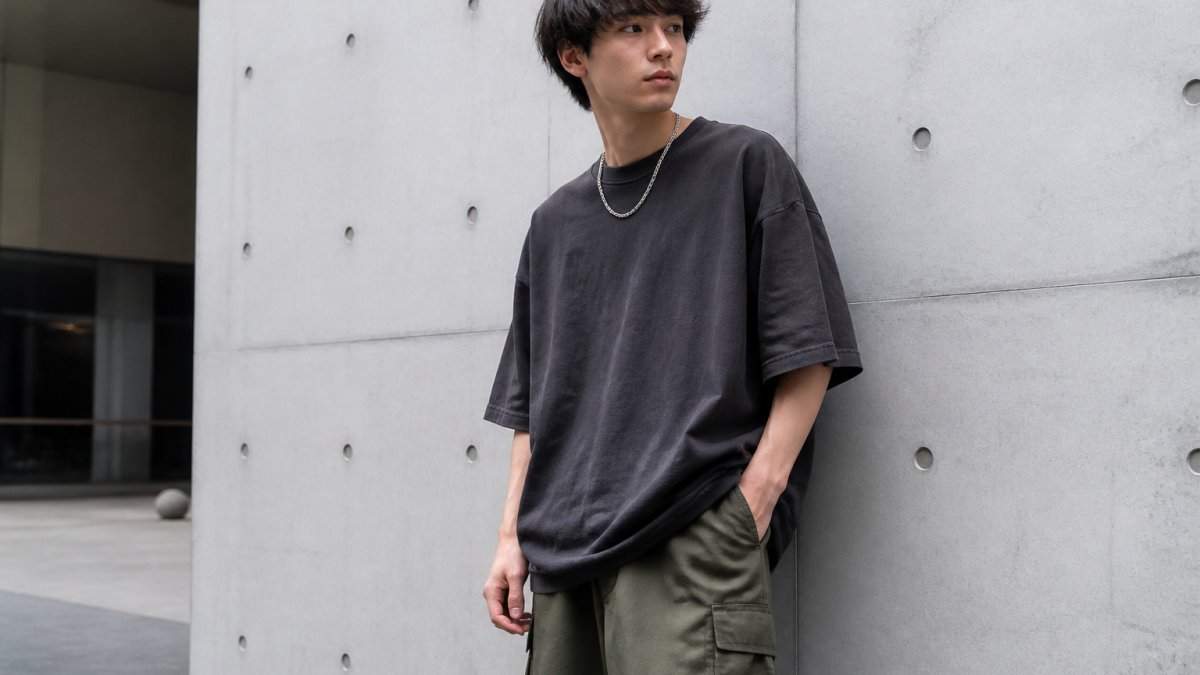
Use fit and silhouette to frame the design. The oversized, relaxed fit of premium heavyweight tees works best when paired with fitted or tapered bottoms. This contrast creates visual balance and prevents the graphic from getting lost in excess fabric.
Leverage layering to create depth and draw focus. Wearing a graphic tee under an open overshirt, denim jacket, or lightweight windbreaker creates a framing effect that highlights the design. This works especially well with back-print designs, the layering creates a reveal moment when you move.
Align the design's message with your personal identity. Graphic tees communicate identity through their artwork, typography, and cultural references. A design with bold, rebellious imagery aligns with a confident, statement-making aesthetic. A design with subtle, artistic elements suits a refined, curated approach.
Consider the design's placement and visibility. Front-print designs are immediate and conversational; they communicate your message to people facing you. Back-print designs are discovered, they reveal your taste to people behind you or when you turn around.
Wear it consistently to build recognition. Exclusive graphic tees gain meaning through repeated wear and visibility. People begin to associate the design with you, making it part of your personal brand.
Exclusivity and Resale Value: What Actually Holds Worth
Resale value is where exclusivity reveals its true meaning. A graphic tee that commands premium prices on the resale market isn't just hyped, it's genuinely scarce and genuinely desired.
Original designs that were never reprinted appreciate in value because supply is truly finite. Once they sell out, no new inventory enters the market. This creates real scarcity, which drives resale prices up.
This distinction matters whether you care about resale or not. A graphic tee that holds resale value is proof that the exclusivity was genuine. It's proof that the brand honored the never-reprinted promise. It's proof that other collectors view the design as truly exclusive.
The most exclusive graphic tees are the ones where demand exceeds the original production quantity. This happens when a design resonates with the community, when the brand's commitment to never reprinting is proven through consistent behavior, and when the quality justifies the investment.
Resale value also signals something about the brand's credibility. If a brand's graphic tees consistently hold or appreciate in resale value, it means the market trusts that brand's exclusivity claims. If they consistently depreciate or disappear from resale platforms, it suggests the exclusivity was overstated or the designs aren't resonating with the community.
Exclusivity in graphic tees isn't about scarcity theater or limited-time pressure tactics. It's about a brand's willingness to commit to original design, superior construction, and the never-reprinted promise, even when reprinting would be more profitable. At AW3SOME CLOTHES INC, we've built our entire model around this principle.
Frequently Asked Questions
What qualifies as a graphic tee?
A graphic tee is a T-shirt featuring printed artwork, illustrations, typography, or photographic imagery on the front, back, or sleeves. The graphic can range from a small logo to a full-back illustration. What distinguishes a graphic tee from a plain T-shirt is the visual design, it communicates a message, aesthetic, or identity beyond the garment itself. Graphic tees serve as wearable art, allowing the wearer to express personal style and values through the imagery they choose to display.
How can you tell whether a graphic tee design is original?
Original designs typically come from independent artists or brands that own the artwork copyright and create limited releases. Check for a designer or artist credit on the tag or product description. Verify the brand's policy on reprints, if they commit to never re-releasing a design, that's a strong indicator of originality. Compare the design across multiple retailers; if it appears identical on several sites, it's likely licensed artwork rather than exclusive. Original graphic tee designs often feature unique artistic signatures, unconventional compositions, or heritage-inspired themes that distinguish them from mass-produced alternatives.
Are limited-edition graphic tees more valuable?
Limited-edition status can increase value, but only if the release quantity is genuinely restricted and the design remains unavailable afterward. A tee printed in 50 copies holds more scarcity than one printed in 5,000. However, value also depends on design quality, material durability, and artist recognition. A poorly designed limited tee may not resell, while a well-crafted graphic tee from a respected brand can maintain or appreciate in value if it's never reprinted. The combination of limited quantity, original design, premium construction, and brand reputation determines whether a graphic tee holds or builds equity over time.
Why are some graphic tees more expensive than others?
Price differences reflect several factors: fabric weight and material quality, construction details like double-needle stitching and reinforced collars, print method and artwork complexity, brand reputation, and design exclusivity. Original designs from independent artists command higher prices than licensed or mass-produced artwork. Limited-edition releases often cost more due to smaller production runs. Premium streetwear brands also factor in design development, quality control, and the value of never reprinting designs into their pricing structure.