 How-to
7 Ways to Wash Printed Cotton T-Shirts Without Cracking
Quick Summary
Wash printed cotton t-shirts inside out in cold water on a gentle cycle, using a mild detergent and no bleach. Skip the dryer and air dry the shirt flat or on a padded hanger, away from direct sun. Hot water and high heat are the main causes of cracked prints.
- Turn the shirt inside out before washing to reduce friction on the print.
- Use cold water, about 30°C or 90°F, on a gentle or delicate cycle.
- Avoid bleach and chlorine products, which can break down the dye and print.
- Air dry the shirt, or use the lowest heat setting only if the label allows it.
- Iron only the reverse side, and never leave a hot iron on the design.
Table of Contents
- Last Updated: November 21, 2026
- Why Printed Cotton T-Shirts Need Gentle Care
- How to Wash Printed T-Shirts in a Washing Machine
- Hand-Washing Printed T-Shirts Step by Step
- How to Keep Print on Shirts from Cracking
- Drying and Ironing Without Damaging the Design
- How to Make Shirt Prints Last Longer
- Fixing Common Washing Mistakes and Stains
- Start Your Care Routine With Your Next Tee
- Frequently Asked Questions
Last Updated: November 21, 2026
Last Updated: November 21, 2026
Why Printed Cotton T-Shirts Need Gentle Care
Printed cotton T-shirts can last for years when you wash them the right way. The main enemies are heat, harsh chemicals, and rough cycles. Each of these can weaken the fabric or break down the print.
Cotton is a natural fiber. It absorbs water, swells, and can shrink when exposed to high heat. Printed graphics sit on top of that fabric, so they move and stretch with it. Over time, aggressive washing can cause the print to crack, fade, or peel at the edges.
The good news is that the care steps are simple. Most of them come down to three habits: wash cold, use gentle settings, and skip the dryer.
Watch out: Hot water and high-heat drying are the two fastest ways to cause print cracking on cotton tees.
How to Wash Printed T-Shirts in a Washing Machine
Machine washing is the easiest option for most printed tees. A few small changes make a big difference. Start by checking the care label, then follow these habits every time.
- Turn the shirt inside out before it goes in the drum.
- Use cold water, ideally no warmer than 30°C or 90°F.
- Select a gentle or delicate cycle with a slower spin.
- Wash printed shirts with similar colors to avoid dye transfer.
- Close zippers and avoid washing with rough items like jeans.
Washing inside out protects the graphic from direct friction against the drum and other clothes. This small step reduces abrasion, which is one of the main causes of print wear.
Turn the Shirt Inside Out and Choose Cold Water
Turning the shirt inside out is the single most useful habit you can build. The print faces the inside of the drum less directly, so it rubs against other fabric less. Cold water also keeps the cotton from tightening and the ink from loosening.
Warm and hot water are the common culprits behind cracked prints. If your care label says cold, follow it exactly. Most printed tees do well in cold water on a gentle cycle.
Use Mild Detergent and Avoid Bleach
Choose a mild, liquid detergent made for colored or delicate fabrics. Powder detergents can leave residue that gets trapped in the print. Use the smallest amount that cleans well, because extra soap does not clean better and can leave a film.
Avoid bleach and chlorine products on printed shirts. They can break down both the dye and the print surface. Oxygen-based brighteners are a gentler option when you need a fresh look.
Hand-Washing Printed T-Shirts Step by Step
Hand-washing is the gentlest method and works well for your favorite tees. It takes a few extra minutes, but it puts you in full control of the friction.
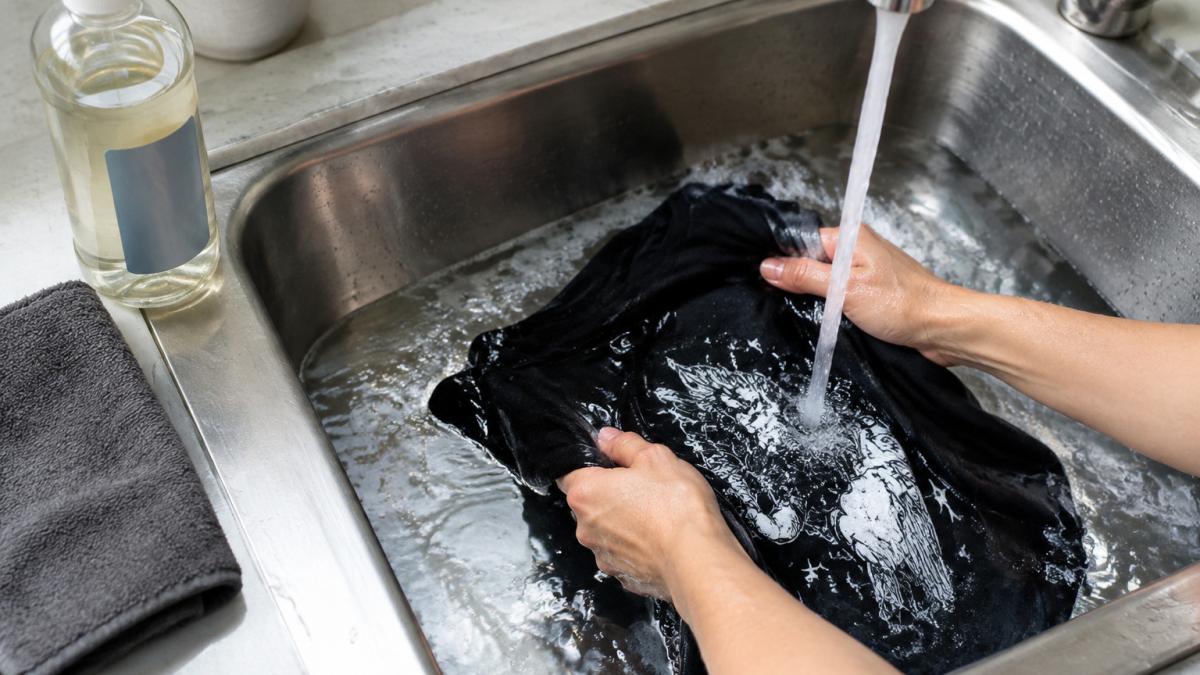
- Fill a clean basin or sink with cool water, about 30°C or 90°F.
- Add a small amount of mild detergent and swirl it until the water feels soft.
- Turn the shirt inside out and submerge it completely.
- Gently press and swish the shirt for about two minutes. Do not scrub or wring the graphic.
- Drain the water and rinse with fresh cool water until no suds remain.
- Press out excess water by rolling the shirt in a clean towel. Do not twist it.
- Lay the shirt flat on a drying rack, right side up, away from direct sun.
Hand-washing is especially useful for cotton shirts that you want to keep looking new. It avoids the tumbling motion that causes cracking over time.
How to Keep Print on Shirts from Cracking
Cracking usually starts small, with fine lines at the edges of the design. Learn more about what keeps graphic print quality intact over time. It gets worse with each hot wash or hard dry. Stopping it early means changing a few habits.
- Wash inside out in cold water every time.
- Skip the dryer, or use the lowest heat setting only if the label allows it.
- Never iron directly on the print.
- Store folded shirts instead of hanging them, so the print does not stretch.
- Rotate your tees so no single shirt gets worn and washed constantly.
The print method changes the risk
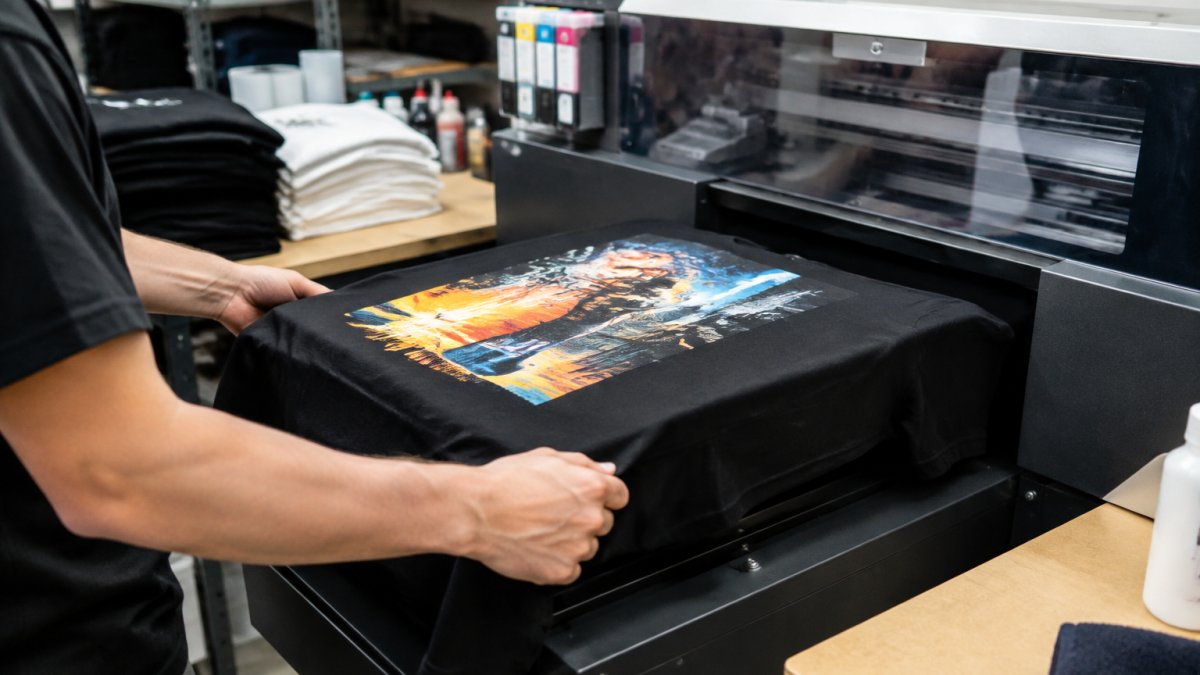
- Direct-to-garment (DTG): Water-based ink bonds into the cotton fibers rather than sitting on top as a thick layer. It tends to feel soft and can fade gradually with repeated hot washing, but it is less prone to the hard, flaking cracks you see on thick plastisol. Cold water and air drying protect the color.
Cotton-specific care matters here too
Cotton absorbs water and swells, so the fabric moves under the print during washing. Gentler cycles reduce that movement.
Here is a quick reference for how the print method and washing habits affect cracking risk.
| Factor | Recommended approach | Why it matters |
|---|---|---|
| Water temperature | Cold water, about 30°C or 90°F | Hot water speeds up cracking |
| Wash position | Turn shirt inside out | Reduces friction on the print |
| Drying | Air dry, or low heat if the label allows | High heat causes cracks |
| Ironing | Iron the reverse side only | Direct heat damages the design |
| Storage | Fold shirts, don't hang them | Stops the print from stretching |
| Print method | Direct-to-garment (DTG) ink | Bonds into fibers and resists flaking |
Drying and Ironing Without Damaging the Design
Air drying is the safest choice. Lay the shirt flat or hang it on a padded hanger, away from direct sunlight. Sun can fade colors, and heat from a dryer can shrink cotton and crack the print.
If you must use a dryer, choose a low-heat or air-fluff setting and remove the shirt while it is still slightly damp. Turn it inside out before drying.
If you need to iron, turn the shirt inside out and iron the reverse side on a low to medium setting. For a safe step-by-step method for ironing printed shirts, follow that guide. Place a thin cloth over the print if you have to iron the front. Never leave a hot iron on the design for even a few seconds.
How to Make Shirt Prints Last Longer
Long-lasting prints come from consistent habits, not one big trick. See which factors make a graphic tee print last longer. Good storage, careful washing, and gentle drying all add up over time.
- Wash only when needed. Spot-clean small stains instead of running a full load.
- Store shirts folded, not crammed into a tight drawer.
- Avoid rubbing printed areas against rough surfaces like zippers or Velcro.
- Keep shirts away from heat sources like radiators and hot car interiors.
Watch out: Overloading the washer creates more friction and can cause more print wear than normal washing.
Fixing Common Washing Mistakes and Stains
Mistakes happen, and many can be fixed if you act fast. The key is to treat stains gently and avoid high heat until the stain is gone. Heat can set stains permanently.
Spot-cleaning a stain without wrecking the print
- Blot, don't rub. Press a clean white cloth onto the stain to lift what you can. Rubbing pushes the substance into the cotton and across the print.
- Test first. Apply a drop of mild liquid detergent to a hidden area, like the inside hem, and wait a few minutes to check for color change.
- Work from the back. Turn the shirt inside out and apply a small amount of mild detergent to the back of the stain so you push it out rather than through the print.
- Rinse with cold water and check before drying. If the stain remains, repeat gently rather than reaching for a stronger chemical.
- Air dry until you are sure the stain is gone. Dryer heat can lock in whatever is left.
Avoid chlorine bleach, harsh spot removers, and scrubbing brushes on or near the graphic. These can break down the ink and the cotton at the same time.
When the print is already damaged
- Cracked print: Visible cracks will not heal. Cold washing and air drying can help slow further damage.
- Faded print: Preventing further fade through cold washing and avoiding the dryer is the practical goal.
- Color bleeding: Wash the shirt alone or with similar colors until the bleeding stops, and keep it out of the dryer in the meantime.
If a stain or print problem looks serious, avoid harsh scrubbing. A gentle approach keeps the graphic intact, and knowing when a fix is not realistic saves you from making the damage worse.
Start Your Care Routine With Your Next Tee
Good care starts when you buy the shirt. Heavier, well-made cotton holds prints better and keeps its shape wash after wash. Browse the graphic tee with a geometric emblem back print to see the construction details that affect how a shirt holds up. If you are shopping for something built to last, this guide on how to choose premium heavyweight T-shirts for men explains what to look for.

Follow the cold, gentle, and air-dry habits above and your printed cotton tees will keep their look for much longer. Pick one favorite shirt to test the routine on this week.
Frequently Asked Questions
Can you put graphic T-shirts in the washing machine?
Yes, most printed cotton T-shirts can go in the washing machine if you use a gentle or delicate cycle, cold water, and turn the shirt inside out. Check the care label first. The AW3SOME tees in this guide are rated for cold machine washing at a maximum of 30C (86F), with no bleach and no ironing, and they should be tumble dried on low heat or air dried. Following those limits helps protect the print from cracking and fading over repeated washes.
Should you turn printed T-shirts inside out before washing?
Yes. Turning the shirt inside out puts the printed side away from the drum, friction, and other garments. This reduces abrasion that can crack or peel the design. It also helps protect the fabric surface during the wash. Combined with cold water and a gentle cycle, it is one of the simplest habits for keeping graphics looking sharp for longer.
What water temperature is best for washing printed shirts?
Cold water is the safest choice for printed cotton T-shirts. For AW3SOME tees, the care instructions specify cold water at a maximum of 30C (86F). Warm and hot water can soften inks and accelerate fading and cracking, while cold water protects both the print and the cotton, which can shrink in hot water. Use a mild detergent formulated for cold water.
How do you dry a printed T-shirt without fading or cracking the print?
Skip high heat. Tumble dry on low heat or air dry the shirt flat or hung, away from direct sunlight, which can fade colors. For AW3SOME tees, the care instructions call for no heat in the dryer. Removing the shirt promptly after washing also reduces wrinkling and stress on the print.