 ultimate-guide
Why Heavyweight Tees Shrink: Science & Prevention
Table of Contents
- Why Do Heavyweight Tees Shrink?
- How to Wash Heavyweight Cotton Shirts Properly
- Drying Techniques to Minimize Shrinkage
- Pre-Shrunk vs. Raw Fabric: What's the Difference?
- Heavyweight Tee Sizing Guide
- How to Stretch Out a Shrunken Shirt
- GSM and Fabric Density: Why Weight Matters
- Long-Term Maintenance for Heavyweight Streetwear
- Frequently Asked Questions
Last Updated: August 31, 2026
Why Do Heavyweight Tees Shrink?
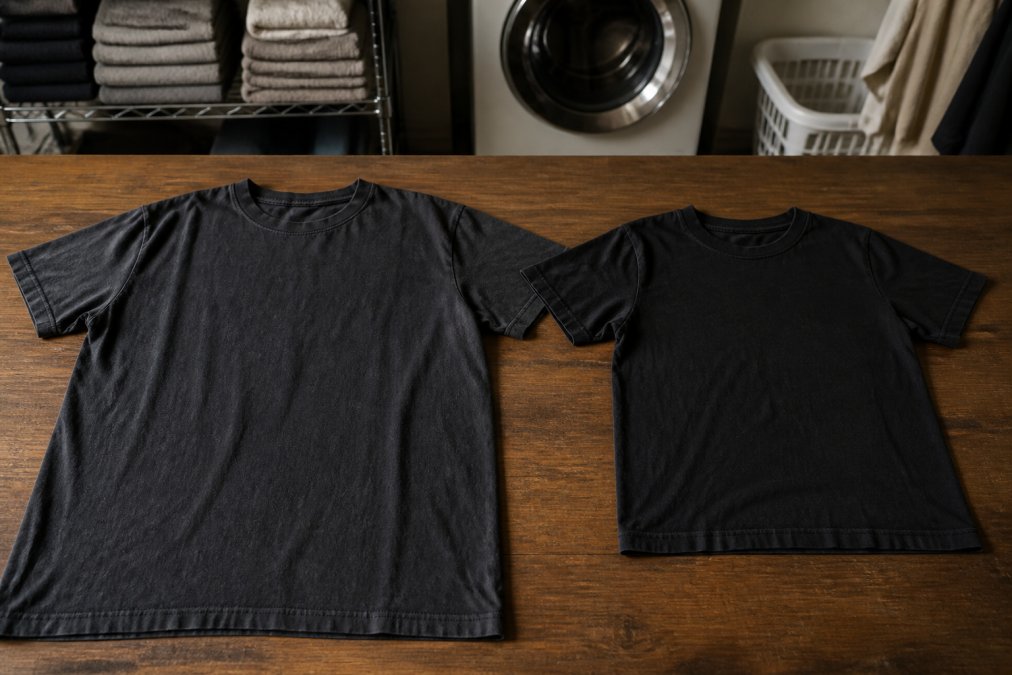
Heavyweight tees shrink because cotton fibers naturally contract when exposed to heat and moisture. It's not a flaw in construction, it's how the material behaves at a molecular level. Understanding why this happens helps you make smarter choices about washing, drying, and sizing.
Cotton is a natural fiber made of cellulose. When subjected to hot water and high heat in the dryer, the cellulose fibers tighten and shorten through a process called fiber contraction. Most shrinkage happens in the first wash, though some additional shrinkage can occur with repeated laundering.
The amount your heavyweight tee shrinks depends on fabric tension during manufacturing, fiber quality, yarn tightness, and how you care for it. At AW3SOME CLOTHES INC, we use 16-singles yarn and quarter-turned construction, which helps stabilize the fabric. Still, cotton will shrink without proper care guidelines.
Cotton Fiber Structure and Heat
Cotton fibers are hollow tubes made of cellulose chains. When dry, these chains are relaxed and spread out. Heat causes them to vibrate faster, allowing the chains to slide closer together, this is why heavyweight tees shrink.
Natural fibers behave differently than synthetic blends. A 100% cotton tee shrinks more noticeably than one blended with polyester, since polyester fibers don't contract the same way. Standard AW3SOME colors are 100% USA cotton, making them more prone to shrinkage than our Heather Grey (90/10 cotton/poly) or Charcoal Grey (50/50 blend).
High-quality cotton that's been properly processed shrinks less. Tighter, more densely spun yarn resists shrinkage better because there's less room for fibers to contract.
Fabric Tension During Manufacturing
How much tension the fabric experiences during production directly impacts shrinkage later. When yarn is woven or knit, it's under constant tension. Once the fabric is cut and sewn into a garment, that tension is only partially released.
When you wash your tee in hot water, you release more stored tension. The fibers relax further, and the garment shrinks. Pre-shrunk fabrics are better because manufacturers deliberately expose fabric to heat and moisture before cutting, so most shrinkage happens at the factory instead of in your home.
Quarter-turned construction, which AW3SOME uses, helps manage fabric tension. The fabric is rotated 90 degrees before cutting, distributing stress evenly across the garment and reducing uneven shrinkage.
How to Wash Heavyweight Cotton Shirts Properly
The way you wash your heavyweight tee matters more than the fabric itself. Cold water washing is non-negotiable if you want to minimize shrinkage.
Cold Water Wash Cycles
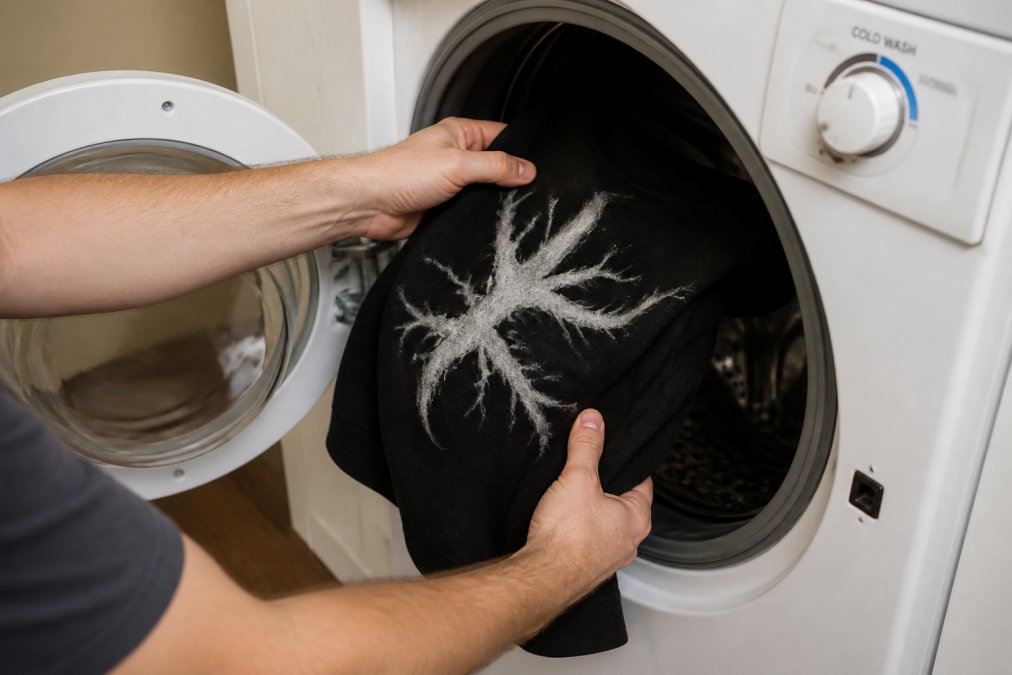
Wash your heavyweight tee in cold water every time. Cold water prevents fiber contraction and protects the graphic print from fading.
Use a gentle or normal cycle, not heavy duty. Aggressive agitation stresses fibers and causes uneven shrinkage. For graphic tees, gentle cycle is especially important to protect the DTG print from cracking or peeling.
Turn the tee inside out before washing to protect the front graphic from friction. Don't overload the washing machine, heavyweight tees need room to move.
Detergent and Fabric Care
Use mild, pH-neutral detergent, a quarter cup is usually enough for a standard load. Avoid bleach and oxygen-based cleaners, which can damage fibers and fade the graphic.
Don't use fabric softener. It coats fibers with a waxy layer that traps moisture and reduces absorbency. Wash with similar colors to prevent dye transfer.
Drying Techniques to Minimize Shrinkage
How you dry your tee is as important as how you wash it. The dryer is the enemy of heavyweight cotton.
Air Drying vs. Tumble Dry
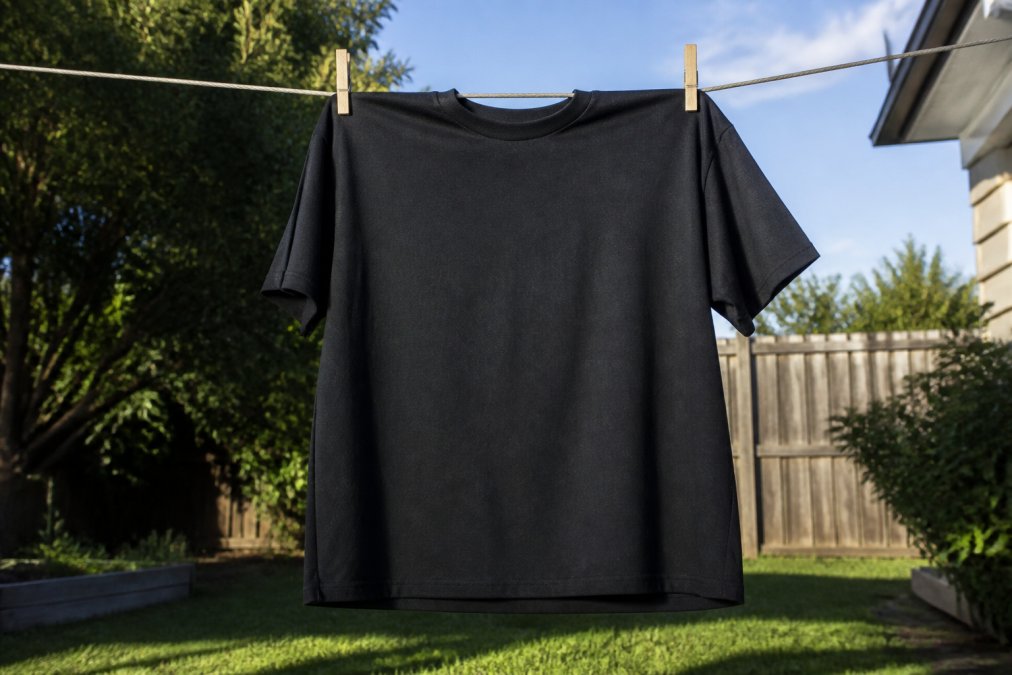
Air drying is the gold standard. Hang your tee on a clothesline or lay it flat on a clean surface. This prevents additional shrinkage and extends garment life significantly.
If you must use a dryer, use the lowest heat setting or air-only cycles. Never use high heat.
Lay the tee flat to dry rather than hanging it. Hanging wet cotton can stretch the shoulders and neckline due to water weight. Remove the tee from the dryer while slightly damp, residual moisture allows fibers to relax slightly, potentially reversing a tiny bit of shrinkage.
Pre-Shrunk vs. Raw Fabric: What's the Difference?
Pre-shrunk fabric has already been exposed to heat and moisture during manufacturing, releasing stored tension in the fibers. Most shrinkage happens before the garment reaches you.
Raw fabric hasn't been pre-shrunk and still has stored tension. When you wash it, fibers contract significantly more than pre-shrunk fabric would.
The advantage of pre-shrunk fabric is predictability. The disadvantage is cost. Not all "pre-shrunk" labels mean the same thing, some manufacturers apply minimal shrinking while others shrink aggressively.
AW3SOME tees aren't explicitly pre-shrunk, meaning they'll shrink more in the first few washes than a pre-shrunk alternative. Proper care, cold water, air drying, keeps that shrinkage minimal and manageable.
Heavyweight Tee Sizing Guide
Consider sizing up slightly when buying a heavyweight tee for the first time. A true-to-size fit might feel snug after the first wash.
AW3SOME tees have a relaxed, oversized fit with a slight drop shoulder. This design choice helps with shrinkage concerns, the extra fabric gives you room for the garment to shrink without becoming unwearable.
Measure a tee you already own that fits well and compare those measurements to the size chart before ordering. If you're between sizes, go up. Heavyweight tees are designed to feel comfortable and lived-in, not fitted.
How to Stretch Out a Shrunken Shirt
If your heavyweight tee has already shrunk, you can sometimes reverse some of that shrinkage.
Blocking and Moisture Methods
Wet the tee thoroughly with lukewarm water and soak for 10-15 minutes so fibers absorb moisture and become pliable. Gently squeeze out excess water without wringing.
Lay the tee flat on a clean towel and gently stretch it back to original dimensions. Pay attention to length, width, and sleeves. Pin the corners with T-pins or blocking pins to hold the tee in place while it dries.
Let it air dry completely, this can take 24-48 hours. Don't disturb it while drying. You might recover some lost length, but not all of it.
A small amount of hair conditioner added to the soaking water can help soften fibers and make them more pliable. Rinse thoroughly after soaking.
GSM and Fabric Density: Why Weight Matters
GSM stands for grams per square meter, a direct measurement of fabric weight. AW3SOME tees are 245-255 GSM, which qualifies them as heavyweight.
GSM isn't a measure of quality on its own; it's a measure of density. Heavier fabric feels more substantial and durable, drapes differently, and holds its shape better. But heavier doesn't automatically mean better. A poorly constructed denser fabric can fall apart faster than a well-made lighter tee.
GSM tells you how tightly fibers are packed together. Denser fabric has less room for fibers to move and contract, so heavyweight fabric shrinks less than lightweight fabric, all else being equal.
The yarn itself matters too. 16-singles yarn, which AW3SOME uses, is tightly twisted. More twists per inch means fibers are locked together more securely, reducing shrinkage and increasing durability.
Don't confuse GSM with quality or shrinkage resistance. Construction matters as much as weight.
Long-Term Maintenance for Heavyweight Streetwear
Heavyweight tees are built to last. With proper care, they can look great for years.
Wash cold every time, never make exceptions. One hot wash can undo months of careful maintenance. Air dry exclusively if possible; if you must use a dryer, use the lowest heat setting or air-only cycle.
Store your tees flat or folded, not hanging. Hanging can permanently deform shoulders and neckline. Rotate your tees to extend the life of the graphic and reduce fiber wear.
Inspect the graphic regularly. DTG prints can crack or peel if fabric is stressed repeatedly. Avoid excessive friction by turning tees inside out, using gentle cycles, and air drying.
Heavyweight cotton tees shrink because of how cotton fibers behave under heat and moisture. The good news is that shrinkage is almost entirely preventable through proper care. Cold water washing and air drying keep your garment stable and looking fresh for years.
When shopping for heavyweight tees, choose brands that prioritize quality construction and use proper fabric tension during manufacturing. AW3SOME tees use 245-255 GSM heavyweight fabric with 16-singles yarn and quarter-turned construction, specs designed to minimize shrinkage while maximizing durability. Start with our Moonlit Wanderer or Fallen Angel Graphic Tee and follow these care guidelines to keep your investment looking sharp. SHOP THE LATEST DROP →


Frequently Asked Questions
How much will a 7.5 oz heavyweight tee shrink?
Shrinkage depends on care. With cold water washing and air drying, heavyweight tees typically experience minimal shrinkage. Heat exposure, hot water and tumble drying, can lead to more significant shrinkage. The 7.5 oz fabric weight means more tightly packed fibers, which can actually resist some shrinkage compared to lighter weights, but cotton's natural fiber contraction still occurs. Following proper wash instructions minimizes loss.
Does cold water washing prevent shrinkage in heavyweight cotton?
Cold water significantly reduces shrinkage risk compared to hot water. Cold temperatures minimize thermal agitation, the main driver of fiber contraction. However, cold water alone doesn't eliminate shrinkage entirely, heat during drying matters just as much. Air drying after a cold wash is the most effective combination. Even pre-shrunk fabric can experience minor dimensional changes with repeated washing.
Is shrinkage permanent in heavyweight streetwear tees?
Most shrinkage is permanent because it reflects the actual contraction of cotton cellulose fibers when exposed to heat and moisture. Once fibers relax and shorten, they don't naturally return to their original length. However, you can stretch a shrunken tee using blocking methods with moisture and gentle tension, though results vary. Prevention through proper care is far more effective than reversal.
Should I size up when buying a heavyweight tee to account for shrinkage?
If you plan to use a dryer or hot water, sizing up one size is reasonable protection. With proper care, cold water and air drying, sizing true to your normal fit works fine. Heavyweight tees like those at AW3SOME (7.5 oz, 245-255 GSM) already sit oversized with a relaxed fit and slight drop shoulder, so the built-in room absorbs minor shrinkage. Check the fit description before ordering.
This article was written using GrandRanker