 How-to
How to Choose a Graphic Tee Fit for Men and Women
Last Updated: November 8, 2026
Quick Summary
Choose a graphic tee fit by measuring a tee you already love flat, then comparing those chest, body length, and sleeve numbers to garment measurements, not the size label. Match the cut to your build: slim, classic, or relaxed, and confirm the shoulder seam sits where you want it.
- Slim fit adds roughly 1 to 2 inches of ease beyond your body chest measurement.
- Classic fit usually gives 2 to 4 inches of ease through the chest and suits most builds.
- Relaxed fit leaves 4 or more inches of ease and often has a slight drop shoulder.
- A tee ending at the high hip keeps your leg line long.
- Wash cold and tumble dry low or hang dry to reduce cotton shrinkage.
Table of Contents
- Why Graphic Tee Fit Matters More Than the Graphic
- Typical Sizing for a Graphic Tee: What the Numbers Actually Mean
- How Graphic Tee Fits Men: Comparing Slim, Classic, and Relaxed Cuts
- How to Style a Graphic Tee for Women Without Losing the Silhouette
- How to Wear a Graphic Tee with Jeans: Proportion and Pairing
- Matching Graphic Scale and Placement to Your Fit
- How Fabric, Shrinkage, and Care Change the Fit Over Time
- Check Your Measurements Before You Buy the Next Drop
- Frequently Asked Questions
Why Graphic Tee Fit Matters More Than the Graphic
A graphic tee fit is the difference between a shirt you reach for weekly and one that hangs unworn. At AW3SOME CLOTHES INC, we build every tee on a heavyweight, relaxed cut, and we will tell you plainly: the graphic gets you to look, but the fit gets you to wear it.
Most shoppers do this backwards. They fall for artwork, then hope the cut works out. That order costs money and returns.
Here is what most guides get wrong. They treat fit as a size on a tag. Fit is actually four things working together: shoulder seam position, body width, shirt length, and sleeve shape. Get those right and even a simple print looks sharp.
Below, we break down how to choose a graphic tee fit for men and women using real measurements, not guesswork. You will learn how to read a size chart, compare cuts, and check a tee before you commit.
Typical Sizing for a Graphic Tee: What the Numbers Actually Mean
A size chart tells you body measurements, not shirt measurements. That gap trips up more buyers than anything else.
Chest width is measured across the shirt, flat, from armpit to armpit. Body length runs from the high point of the shoulder to the hem. Sleeve length goes from the shoulder seam to the sleeve edge.
Two shirts can both say "Large" and still fit nothing alike. One may measure 22 inches across the chest; another may hit 24. That is a full size of difference hiding behind one label.
So measure a tee you already love. Lay it flat. Write down those three numbers and shop against them, not against the letter on the tag.
For a deeper look at cut, fabric, and construction, our guide to Dope Graphic T Shirts: Style, Fit & Quality Guide expands on these sizing basics.
How Graphic Tee Fits Men: Comparing Slim, Classic, and Relaxed Cuts
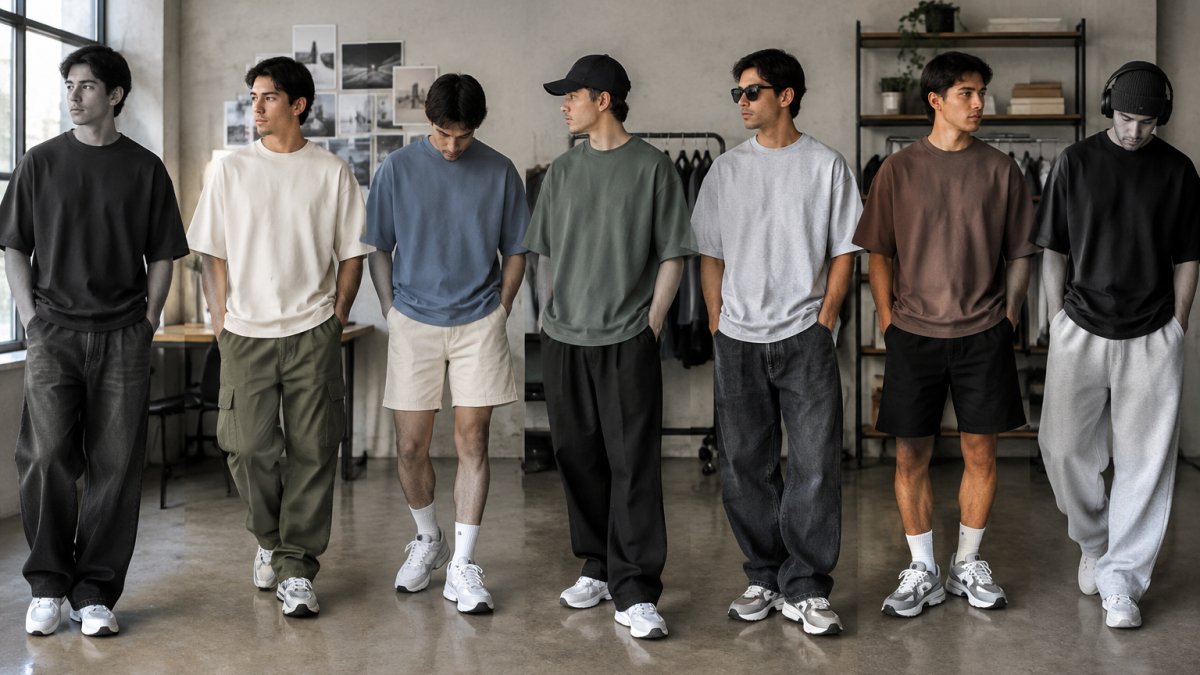
Men usually have three real choices, and each one changes the whole look. The fastest way to choose is to stop thinking in labels and start thinking in measurements. A "Large" is not a fit; it is a starting point that varies by brand and cut.
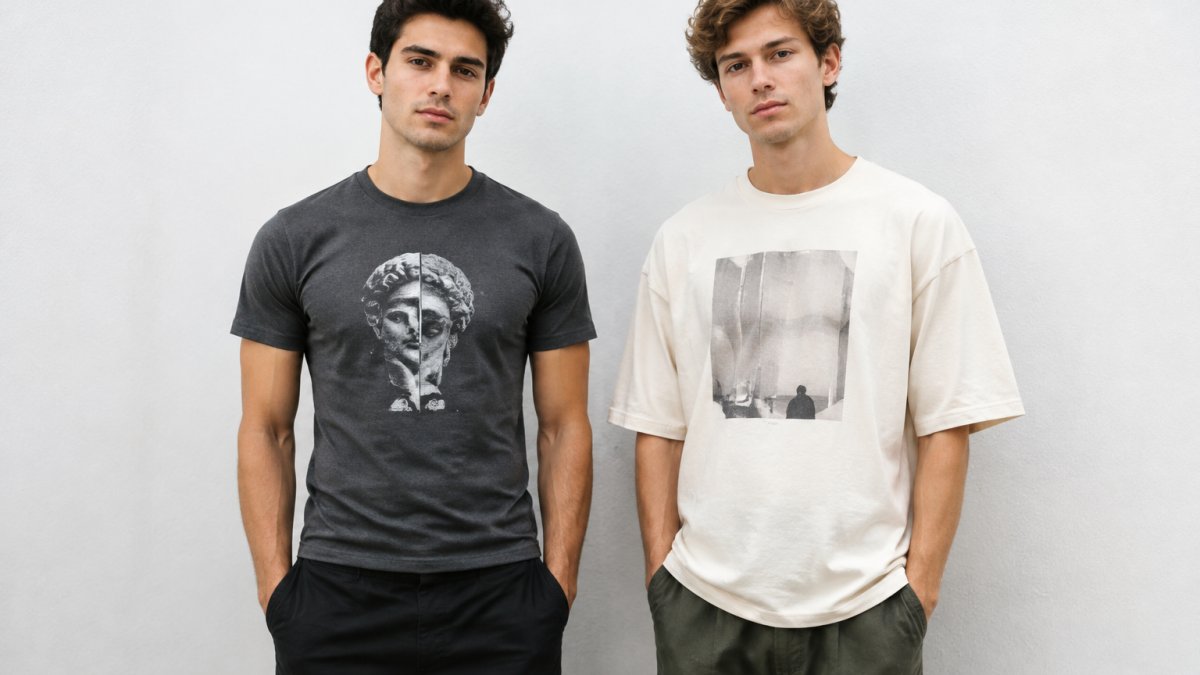
Here is how the three cuts actually differ when you lay them flat and measure:
- Slim fit runs close through the chest and tapers at the waist. Expect roughly 1 to 2 inches of ease beyond your body chest measurement. It suits leaner builds and reads sharp under a jacket. It also shows every seam line, so fabric weight matters.
- Classic fit sits close to the body without clinging, usually with 2 to 4 inches of ease through the chest. It is the safest default and works on most builds.
- Relaxed fit leaves room through the chest and body, often 4 or more inches of ease, and drapes instead of stretching. A slight drop shoulder pushes the seam down the arm, which softens the shoulder line.
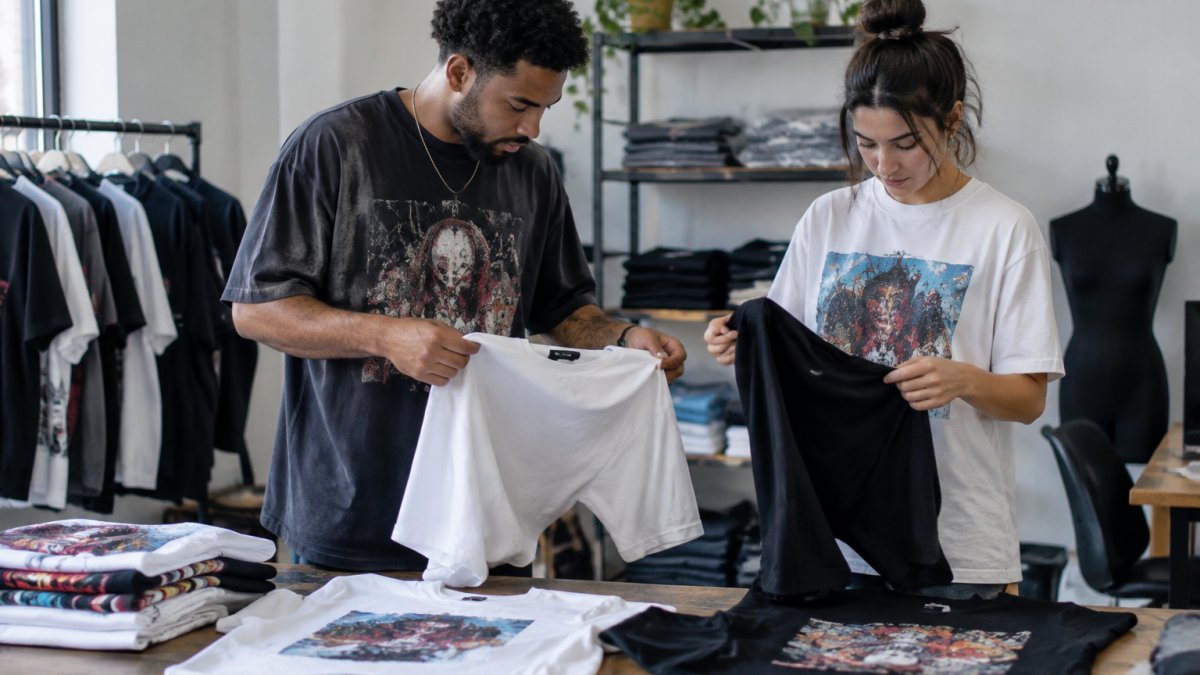
A repeatable method beats guesswork. Measure a tee you already like, laid flat: pit-to-pit chest width, shoulder-to-hem body length, and shoulder-seam-to-sleeve-edge sleeve length. Write those three numbers down. Then compare them to the garment measurements on the product page, not the body-measurement chart.
Watch the sleeve. A sleeve that ends mid-bicep makes the arm look shorter. A sleeve that hits just above the elbow balances the frame. On a relaxed cut, confirm the sleeve opening is wide enough that it does not pinch when you cross your arms.
Fit also shifts across brands and garment cuts. Two shirts can both say "Large" and still fit nothing alike. One may measure 22 inches across the chest; another may hit 24. That is a full size of difference hiding behind one label.
Our own tees run oversized and relaxed, with a slight drop shoulder. The fabric is a 7.5 oz, 245 to 255 GSM cotton body with shoulder-to-shoulder neck tape and quarter-turned construction.
How to Style a Graphic Tee for Women Without Losing the Silhouette
The goal for women is balance: let the tee keep its shape instead of swallowing it. The most reliable way to get there is to assess fit by silhouette preference rather than by gendered rules, then use measurements to confirm the shirt matches what you want.
Start with the shoulder seam. It should land at or just past the edge of your shoulder. If it slides halfway down your arm, the shirt is too big, and the waist disappears.
Then check the hem. A tee that ends at the high hip keeps your leg line long. One that hits mid-thigh cuts it short. Measure the body length of a tee you already like and match it.
Sleeve shape matters here too. A capped or rolled sleeve opens up the arm and adds shape. A longer sleeve that ends mid-bicep can shorten the arm visually. Check the sleeve length and the opening width together; a narrow opening on a relaxed body creates a pinched look.
Three styling moves that work:
- Front tuck into high-waisted jeans to define the waist
- Knot at the side to shorten an oversized tee without sewing
- Layer under an open jacket so the graphic peeks through
These moves are fixes, not rules. A front tuck works because it changes where the hem sits relative to your waist; a side knot shortens the body without altering the shoulders.
Fit differences across brands matter as much for women as for men. Boxy and cropped cuts change the proportions again. When shopping online, compare garment measurements, not size labels, and check the return window before ordering.
For more outfit ideas built around these cuts, see How to Style Graphic Tees for a Modern Look.
How to Wear a Graphic Tee with Jeans: Proportion and Pairing
The classic pairing works because the proportions are easy to control. The rule is simple: one loose piece, one fitted piece.
- Oversized tee plus slim or straight jeans balances bulk on top
- Fitted tee plus wide-leg jeans balances volume on the bottom
- Tucked tee plus high-waisted jeans lengthens the leg
Color coordination helps too. A bold graphic on a white or black tee pairs cleanly with indigo denim. A subtle graphic leaves room for a louder wash.
Shoe choice finishes it. Chunky sneakers match a baggy tee. Low-profile sneakers suit a slim cut.
One mistake to avoid: pairing an oversized tee with baggy jeans and expecting a clean line. It usually reads as shapeless rather than relaxed.
Matching Graphic Scale and Placement to Your Fit
Print placement should follow the cut, not fight it.
On a slim fit, keep the graphic moderate. A chest print or small back hit sits cleanly. A full-width print can distort as the fabric stretches.
On a relaxed or oversized fit, go bigger. A large back graphic fills the empty space and gives the shirt a purpose. Small prints on big shirts tend to look lost.
Placement rules that hold up:
- A chest print should sit a few inches below the collar, centered
- A back print should start below the shoulder blades
- Sleeve prints work best on shorter sleeves
Scale also depends on your frame. A large graphic on a smaller frame can overwhelm it. A small graphic on a broad frame can vanish.
How Fabric, Shrinkage, and Care Change the Fit Over Time
Fabric decides how a tee holds its shape. Cotton jersey with tighter spinning tends to keep structure. Looser knits stretch and sag.
Weight plays a part. A heavier cotton body, like the 7.5 oz, 245 to 255 GSM fabric we use, drapes with more body than a thin tee. That does not make it better for everyone. It simply behaves differently.
Shrinkage is a common concern with cotton garments. Two habits reduce it:
- Wash cold, not hot
- Tumble dry on low or no heat, or hang dry
Print care matters as much as fabric care. Turn the tee inside out before washing. Skip the iron directly on the graphic.
Our guide to How to Prevent Graphic Tee Cracking: Full Guide covers the full routine for keeping both fit and print intact.
Check Your Measurements Before You Buy the Next Drop
Online shopping removes the fitting room, so measurements replace it. Here is the check we would run before any purchase.
| Check | How to Do It | Why It Matters |
|---|---|---|
| Chest width | Lay a favorite tee flat, measure pit to pit | Confirms the shirt will not cling or swim |
| Body length | Measure shoulder to hem | Prevents a tee that rides up or swallows the hip |
| Sleeve length | Measure shoulder seam to sleeve edge | Keeps the sleeve ending where you want it |
| Shoulder seam | Note where the seam sits on your shoulder | Tells you if the cut is fitted or dropped |
| Fabric weight | Check the listed oz or GSM | Signals how the tee will drape and hold shape |
Two more habits help. Read the size chart on the product page, not a generic one. And check the return window before you order.
If you want a tee to test these measurements against, the Midnight Racing Club Tee, Vintage Race Car Graphic (1998) is a relaxed crew cut you can compare to your own numbers.

For readers who care about how a tee holds up over months of wear, How to Choose Durable Graphic Tees for Everyday Wear goes deeper on construction.
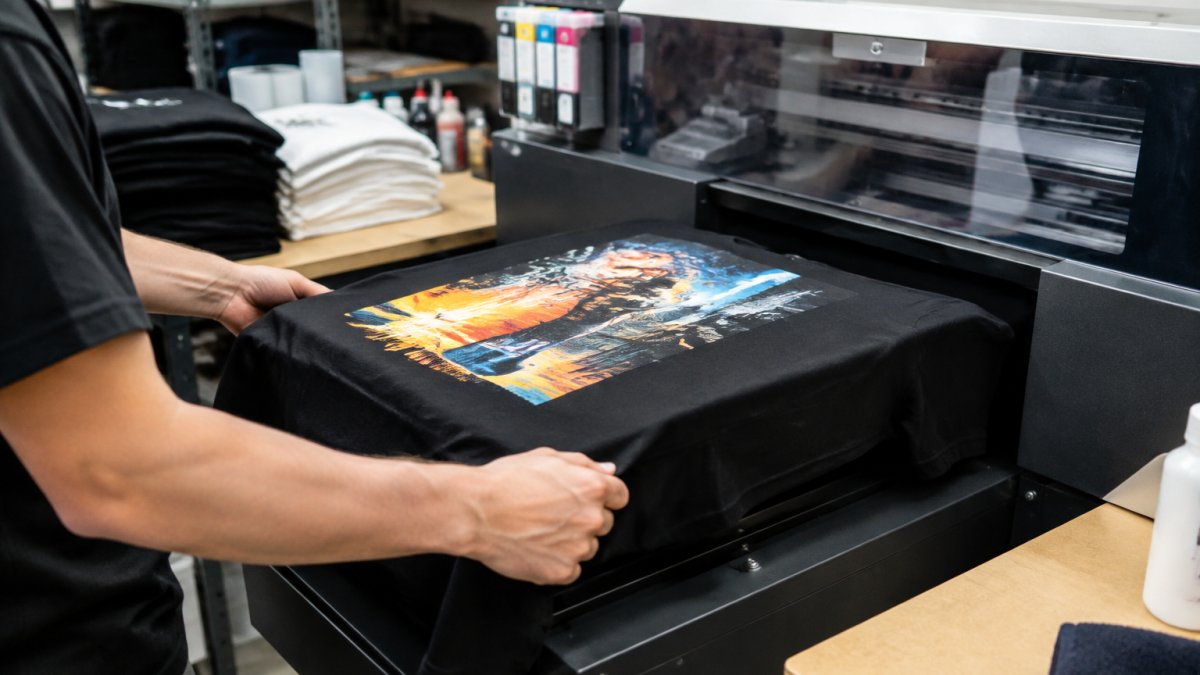
Fit is a skill, and it rewards a few minutes of measuring before every drop. We build our tees on a heavyweight, oversized cut with a slight drop shoulder, shoulder-to-shoulder neck tape, and double-needle stitched hems, all printed with DTG graphics on original artwork. If you want a shirt that drapes the way you measured for, start with our latest release.
Frequently Asked Questions
How do I know if a graphic tee is designed for men or women?
Check the shoulder seam and the body taper. A men's cut usually has a straighter side seam, a wider shoulder, and a longer body. A women's cut typically narrows at the waist and has a shorter sleeve and hem. Unisex tees, like the 7.5 oz heavyweight blanks used by AW3SOME CLOTHES INC, sit straight through the body with a slight drop shoulder and are cut to work on either frame. The label tells you the intended cut, but measurements tell you the truth.
What is the typical sizing for a graphic tee?
Most graphic tees run from small to 2XL or beyond, with chest width and body length as the two numbers that decide fit. These vary by brand, so always read the size chart on the product page and compare it to a tee you already own and like.
How should a graphic tee fit across the shoulders?
The shoulder seam should sit at or just past the edge of your shoulder bone. If it pulls inward toward your neck, the shirt is too small and the sleeve will ride up. If it hangs well past your shoulder, you are in oversized territory, which is a deliberate look, not a mistake. For a relaxed drop-shoulder fit, a seam one to two inches past the shoulder is normal and gives the drape that streetwear silhouettes rely on.
Can women wear men's graphic tees?
Yes, and many do. A men's or unisex tee worn on a smaller frame reads as an oversized fit, which works well with a front tuck, a half tuck, or a knot at the hem to bring the waist back into the silhouette. Check the body length first: a men's tee that hits mid-thigh on a shorter frame will look like a dress, not a shirt. Measure a tee you already like and match the chest and length numbers before ordering.