 How-to
How to Layer Techwear for Urban Environments
Last Updated: November 4, 2026
Quick Summary
To layer techwear for urban environments, use a three-layer system: a moisture-wicking base, a removable zip mid layer for insulation, and a packable windproof, waterproof shell with taped seams. Adjust the stack to the day, skipping the mid layer in humid heat and adding a vest in dry cold.
- Choose merino or synthetic bases over cotton, which absorbs water and dries slowly.
- A full-zip mid layer lets you vent heat without stripping down on a crowded train.
- Taped seams and a storm flap matter more than membrane brand in city rain.
- Keep the whole stack under three layers unless it is genuinely cold.
- Wash shells with technical-fabric detergent and skip fabric softener to preserve performance.
Table of Contents
- Start With the Techwear Three-Layer System
- Adjusting Your Layers for Hot, Cold, and Wet City Days
- How to Layer Techwear for Everyday Wear Without Bulk
- How to Style Techwear Cargo Pants With Layers on Top
- Urban Techwear Outfit Ideas You Can Build From What You Own
- Fabric Choices That Decide Whether Layering Works
- Build Your Layering Kit One Piece at a Time
- Frequently Asked Questions
Start With the Techwear Three-Layer System
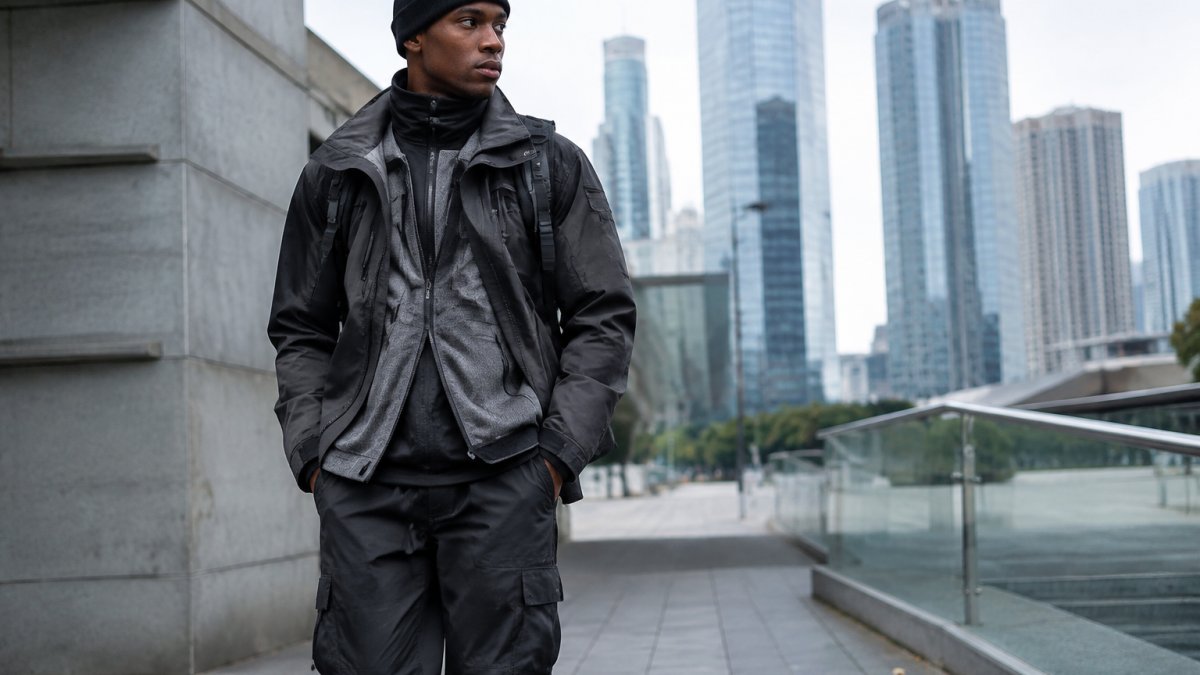
Techwear layering works because it splits the job across three pieces instead of one heavy jacket. The simple formula is a base layer that moves sweat, a mid layer that holds warmth, and a shell that blocks wind and rain. Add or remove pieces as the day changes.
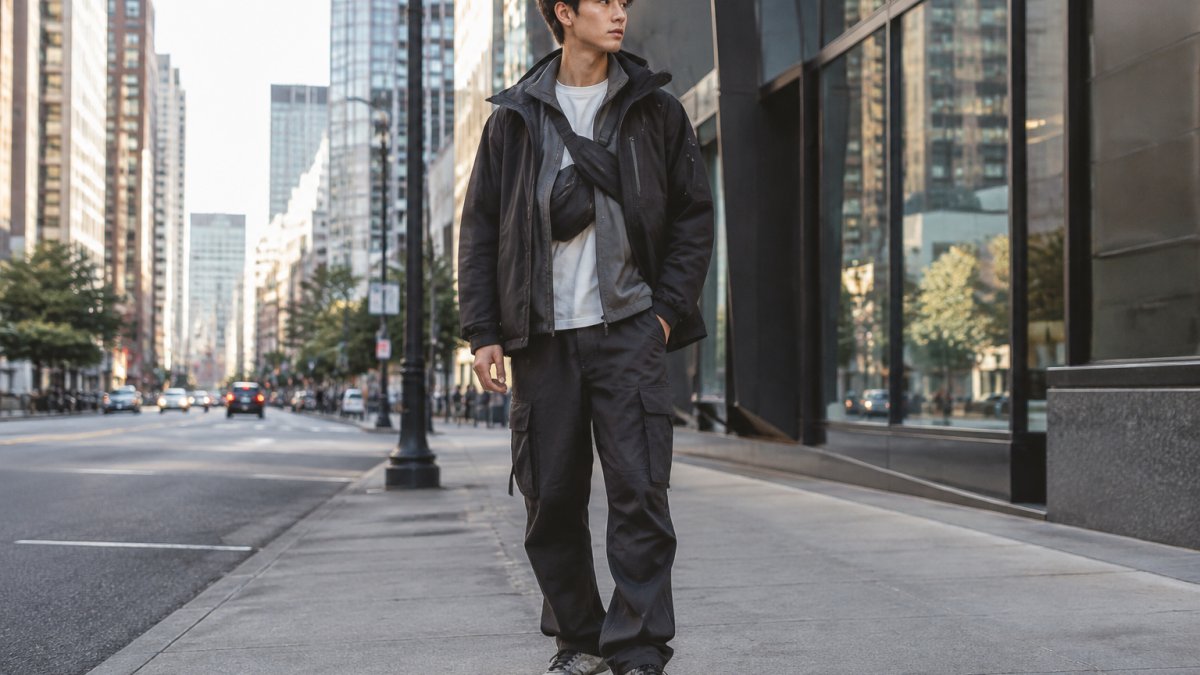
That is the core of how to layer techwear for urban environments. You are not dressing for a mountain summit but for a commute, a lunch break outdoors, a train car, and an evening walk, often within eight hours.
Base Layer: Moisture Management Against the Skin
The base layer is the piece touching your skin, and its job is moving sweat away from your body. Look for moisture-wicking synthetic fibers or merino wool.
A heavyweight cotton tee still works as a base in mild weather. Heavyweight cotton tees sit in that range, though cotton is comfortable and holds its shape but is not a performance fabric.
Mid Layer: Insulation You Can Remove Mid-Day
The mid layer traps warmth, and it should be easy to take off. Think a zip fleece, a light hoodie, or a quilted vest. The zip matters. A full-zip piece lets you vent heat without stripping down on a crowded train.
Insulation is the goal here, not bulk. A thin grid fleece often beats a thick sweatshirt because it packs smaller and breathes better under a shell.
Shell Layer: Wind and Rain Protection That Packs Down
The shell is your outer defense. It needs to be windproof and waterproof, with taped seams where rain finds a way in. Look for a DWR (Durable Water Repellent) finish that makes water bead and roll off.
A good shell packs into its own pocket and clips to a bag, useful in the city, where weather flips between drizzle and sun and you do not want to carry a stiff coat all afternoon.
Adjusting Your Layers for Hot, Cold, and Wet City Days
Climate decides which layers you actually wear. The three-layer system is a framework, not a fixed uniform. In a city, the harder variables are humidity, wind tunnels between buildings, and the swing between a heated train car and a wet sidewalk. Here is how the stack shifts across a normal week.
| Condition | Base | Mid | Shell | Watch For |
|---|---|---|---|---|
| Hot and humid | Light tee, synthetic or cotton | Skip it | Packable rain shell only | Overheating on the train |
| Cool and dry | Tee or light merino | Zip fleece or hoodie | Light windbreaker | Static and cling from synthetic layers |
| Cold and windy | Long-sleeve base | Fleece plus vest | Windproof shell | Cold wrists and neck |
| Wet and mild | Quick-dry tee | Thin fleece | Waterproof shell, taped seams | Wet cuffs and soaked shoulders |
Humid urban heat: the real enemy is trapped vapor
In humid heat, the base layer does almost all the work. A cotton tee absorbs sweat and holds it against your skin, which feels cooler at first and then clammy once you step onto an air-conditioned train. A synthetic or merino base moves that moisture outward so it can evaporate. Skip the mid layer and carry a packable shell only for thunderstorms, choosing one with pit zips or a mesh back panel so vapor can escape.
Dry cold: wind is the variable, not temperature
Dry cold is easier to dress for than humid cold because sweat evaporates. The trap is wind chill funneled between tall buildings. A windproof shell over a fleece and vest blocks that gust, and the vest adds core warmth without bulk at the arms, which matters when you are carrying a bag or holding a rail. Cover the two spots that lose heat fastest: a neck gaiter or high collar, and cuffs that meet your gloves.
Wet and mild: seams fail before fabric does
In mild rain, the shell's fabric is rarely the weak point, the seams and cuffs are. Taped seams seal the stitch holes where water wicks in, while a storm flap over the main zipper and adjustable cuffs keep rain from running down your sleeves. The base should be quick-dry, because once you are wet under a shell you stay wet until you get indoors.
Transition days: dress for the swing, not the average
Spring and fall days can swing noticeably in temperature between morning and afternoon. Build for the warmest part of the day and add removable pieces for the cold ends. A full-zip mid layer vents heat without stripping down on a crowded train.
If you want more warm-weather options, our guide to techwear alternatives for hot weather covers lighter setups that still look sharp.
How to Layer Techwear for Everyday Wear Without Bulk
Bulk is the number one complaint about layering. The fix is picking thin pieces that each do one job well, rather than one thick piece doing everything badly.
Here is how we would build a low-bulk stack:
- Start with a fitted base that sits close to the skin.
- Add a thin mid layer with a zip, not a pullover.
- Choose a shell with articulated joints so your arms move freely.
- Keep the whole stack under three layers unless it is genuinely cold.
- Roll or pack the spare layer into your bag, not around your waist.
The silhouette stays clean when each layer is thin, so you get warmth without looking like you are wearing a sleeping bag. For the full reasoning, read up on the benefits of layering streetwear before you commit to a stack.
How to Style Techwear Cargo Pants With Layers on Top
Cargo pants anchor most urban techwear looks and change how you layer above them. Wide cargo pockets add volume at the leg, so keep the top half closer to the body to keep your proportions in check.
A few rules we follow:
- Pair baggy cargos with a slimmer base and a cropped or hip-length shell.
- Tuck the base layer slightly to define the waist.
- Use a sling bag to break up a long torso line.
Paratrooper pants and tapered cargos both work. The key is matching top volume to bottom volume, not stacking loose on loose.
Urban Techwear Outfit Ideas You Can Build From What You Own
You probably already own half a techwear outfit. A plain tee, a hoodie, and a rain jacket cover the three layers. What changes the look is how you combine them and what you add.
Three builds to try:
- Commuter: heavyweight graphic tee, zip hoodie, packable shell, tapered cargos, sling bag.
- Weekend: oversized tee, open flannel as a mid layer, cargo pants, low sneakers.
- Night out: dark tee, light vest, unzipped shell worn open, black cargos.
For more starting points, our beginner techwear styling ideas show how to apply these to pieces already in your closet. The minimalist route works best: fewer pieces, sharper fits, one strong graphic.
Fabric Choices That Decide Whether Layering Works
Fabric is where layering succeeds or fails. A great stack of the wrong materials traps sweat and leaves you cold. The names on hangtags, DWR, GORE-TEX, membrane, breathability rating, are where most shoppers get lost, so here is what each one actually does.
The base layer: wicking beats warmth
- Moisture-wicking synthetics (polyester and nylon blends) dry fast and move sweat away from skin.
- Merino wool adds warmth and is often chosen for multi-day wear.
- Cotton is comfortable and holds its shape but absorbs water and dries slowly, so it is a poor base for a long active day. A heavyweight cotton tee still works as a base in mild, low-sweat weather, just know the trade-off.
The mid layer: breathability is the spec that matters
A mid layer's job is trapping warmth while letting vapor escape. Grid fleece, fleece with a waffle pattern of channels, moves moisture and packs smaller than a solid fleece of the same warmth, and poly-blends add stretch and shape retention. Look for breathability, often listed as a RET value (lower is more breathable) or an MVTR number (higher is more breathable).
The shell: DWR vs. membrane, explained
This is the part that justifies the price gap, so it is worth understanding.
- DWR (Durable Water Repellent) is a finish applied to the face fabric that makes water bead and roll off instead of soaking in. It is not waterproofing on its own, it keeps the outer fabric from becoming waterlogged, which lets the membrane underneath breathe. DWR wears off with abrasion and washing and can be renewed with a spray-on or wash-in treatment.
- A membrane is a thin layer laminated inside the shell that blocks liquid water while letting water vapor pass through. GORE-TEX is the best-known brand; many brands sell proprietary membranes on the same principle, and for city wear the performance difference is often smaller than the price difference suggests.
- Taped seams seal the stitch holes where water wicks in. A waterproof membrane with untaped seams still leaks at the shoulders.
City rain rarely demands a top-tier membrane. A solid DWR finish, taped seams, and a storm flap handle most urban downpours; the membrane matters more if you commute by bike or spend long stretches outdoors in steady rain.
Maintenance: the part most guides skip
Technical fabrics lose performance quietly. DWR stops beading, membranes clog with body oils and detergent residue, and fleece pills. A few habits keep a stack working:
- Wash shells with a technical-fabric detergent rather than standard detergent.
- Skip fabric softener entirely, it coats fibers and kills wicking and breathability.
- Tumble-dry a shell on low heat to reactivate the DWR; heat is what restores the beading effect.
One honest note: GSM measures fabric weight, not quality. A heavier tee feels more substantial, but it is not automatically better for every layer. Match the weight to the job, a lighter base for humid days, a heavier one for cool, dry weather.
Build Your Layering Kit One Piece at a Time
You do not need to buy a full techwear wardrobe at once. Build it in order of what you wear most, and add pieces as the gaps show up.
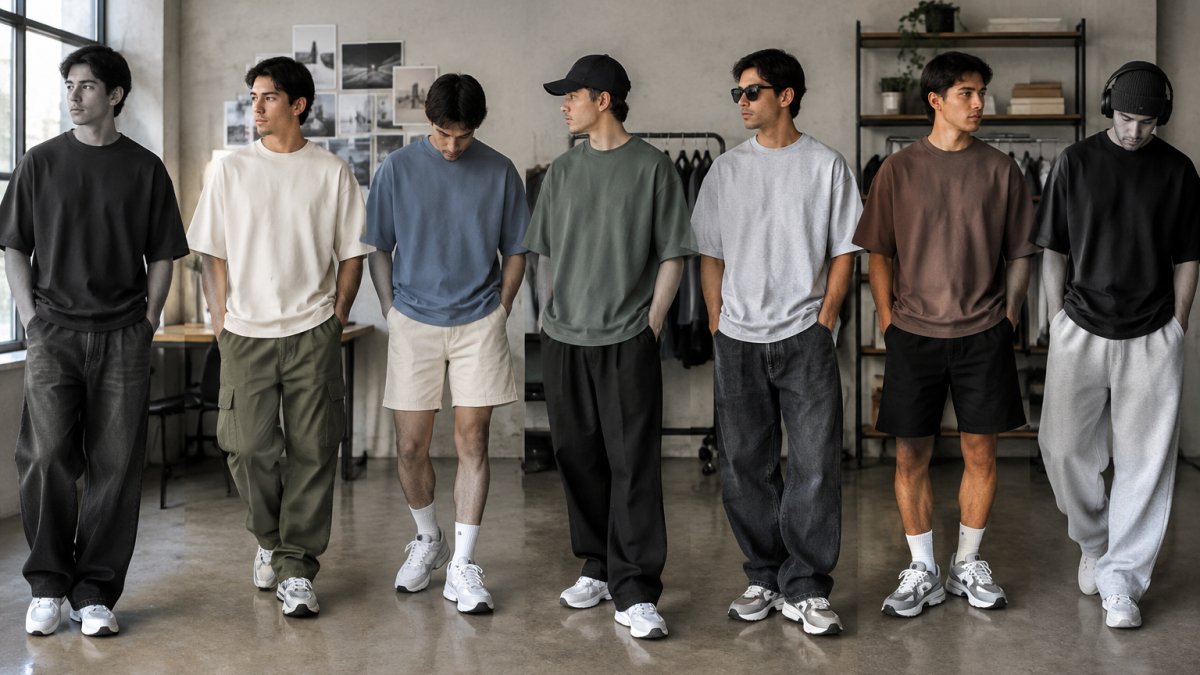
Start with the base layer, since you wear it most. Heavyweight tees are built for that role: 7.5 oz, 245-255 GSM cotton with a relaxed, slightly oversized fit and a slight drop shoulder that sits well under a jacket.
The Floral Tech Graphic T-Shirt works as a base under a shell, with a muted charcoal body and a compact chest emblem. When you are ready to add a mid or outer layer, the Soldiers graphic hoodie has a drawstring hood, a kangaroo pouch, and ribbed cuffs, and it layers cleanly over a tee.

Start with one piece that does its job well, then build outward.
Frequently Asked Questions
How do you layer techwear without looking bulky?
Keep each layer thin and close to the body, then size up only on the outer shell. A fitted moisture-wicking base, a mid-weight fleece or knit mid-layer, and a shell that fits over both adds warmth without volume. Avoid stacking two heavy items in the same spot: if your mid-layer is thick, choose a lighter base. Drop-shoulder and oversized tees work as a base under a shell because the extra room sits under the jacket rather than fighting it. Check that you can bend your elbows and raise your arms before you leave the house.
Can you wear techwear in warm weather?
Yes, but drop the insulation. In heat, wear a single moisture-wicking base layer and carry a packable shell for rain or wind instead of a mid-layer. Look for breathable synthetic fabrics or merino wool, which move sweat away from skin better than plain cotton in humid conditions. Looser cuts and lighter colors help, and cargo pockets or a sling bag let you stash the shell once the sun comes out. The three-layer system is a framework, not a requirement for every day.
What should you wear as a base layer for techwear?
Pick a base layer that touches your skin and manages moisture: a synthetic tee or a merino wool top works well, and a heavyweight cotton tee is fine for mild, dry days when you are not sweating much. Avoid thick cotton as a base under a shell in wet or cold weather, because it holds moisture. Fit matters more than brand here. A base that sits close without pinching lets the mid-layer and shell do their jobs, and it keeps the whole outfit looking intentional rather than stacked.
What kind of jacket works best for urban techwear?
A shell with a hood, taped seams, and a water-repellent finish handles most city weather, and it should pack small enough to carry when the sky clears. Look for pit zips or vents for breathability, adjustable cuffs and hem, and pockets you can reach with a bag strap across your chest. A high collar helps in wind. Length matters in a city: a hip-length shell moves better on transit and bikes than a long coat. Wear it unzipped over your mid-layer for a cleaner silhouette.
Layering for the city comes down to three thin pieces that each earn their place, not one heavy coat that does none of it well. If you want a base layer that holds up under a shell and looks sharp on its own, we build ours for exactly that. Shop AW3SOME CLOTHES INC for heavyweight tees with original graphics, and start your layering kit with a piece you will actually reach for.