 How-to
7 Reasons Fabric Softener Ruins Graphic Tees
Last Updated: October 26, 2026
Quick Summary
Fabric softener may affect graphic tees, but the effect depends on the garment and its care instructions. Softener damage is cumulative, not instant: one wash will not visibly hurt a tee, but a year of regular use will. Check the care label before washing.
- Softener builds a barrier that slowly interferes with ink adhesion and surface appearance.
- The first sign of softener damage is usually dullness, not cracking.
- Turn graphic tees inside out and wash in cold water with mild liquid detergent.
- Skip bleach and harsh chemicals, and do not overload the washing machine.
- If you see cracking, lifting, or peeling, the ink has already failed and residue removal will not reverse it.
Table of Contents
- Does Fabric Softener Ruin Graphic Tees? The Short Answer
- Why Avoid Fabric Softener on Clothes With Printed Designs
- How to Wash Graphic Tees Without Damaging the Print
- How to Prevent Graphic Tees From Cracking and Fading
- How to Dry Graphic Tees So the Print Lasts
- Fabric Softener Alternatives and When to Skip Them
- Already Used Softener on a Graphic Tee? Here's What to Do
- Check the Care Label Before You Wash Your Next Drop
- Frequently Asked Questions
Does Fabric Softener Ruin Graphic Tees? The Short Answer
Fabric softener may affect graphic tees, but the effect depends on the garment and its care instructions.
Here is what most care guides get wrong: they tell you to skip softener and never explain why. That leaves you guessing whether it is a real risk or just cautious advice.
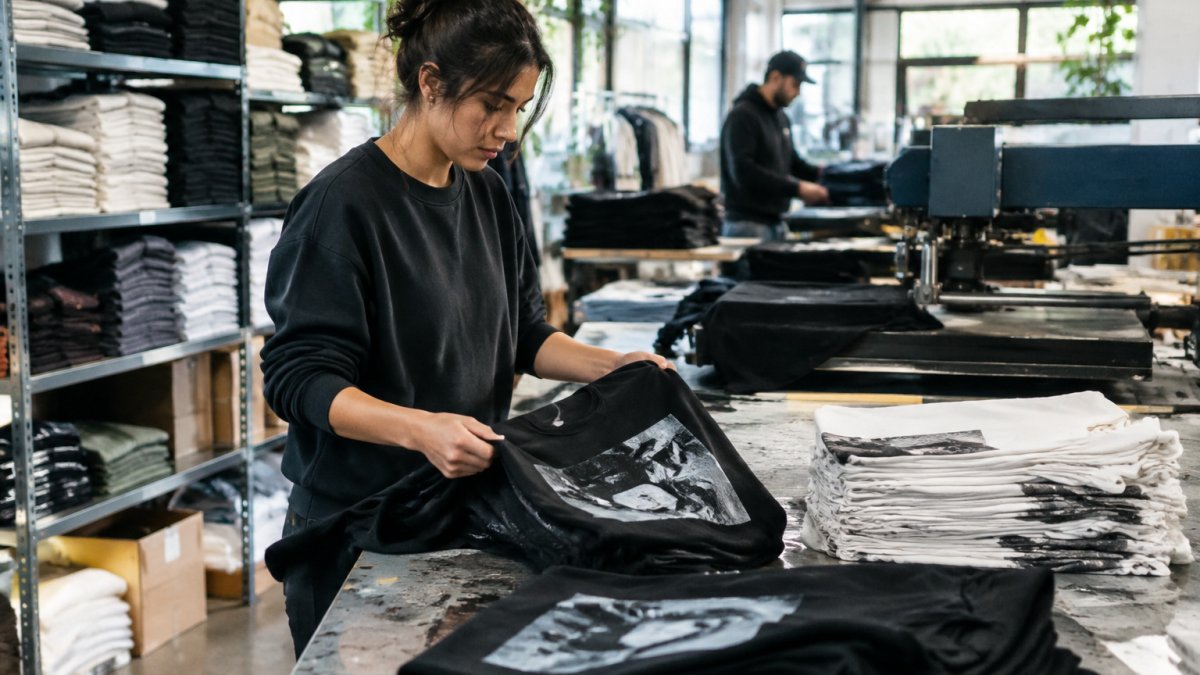
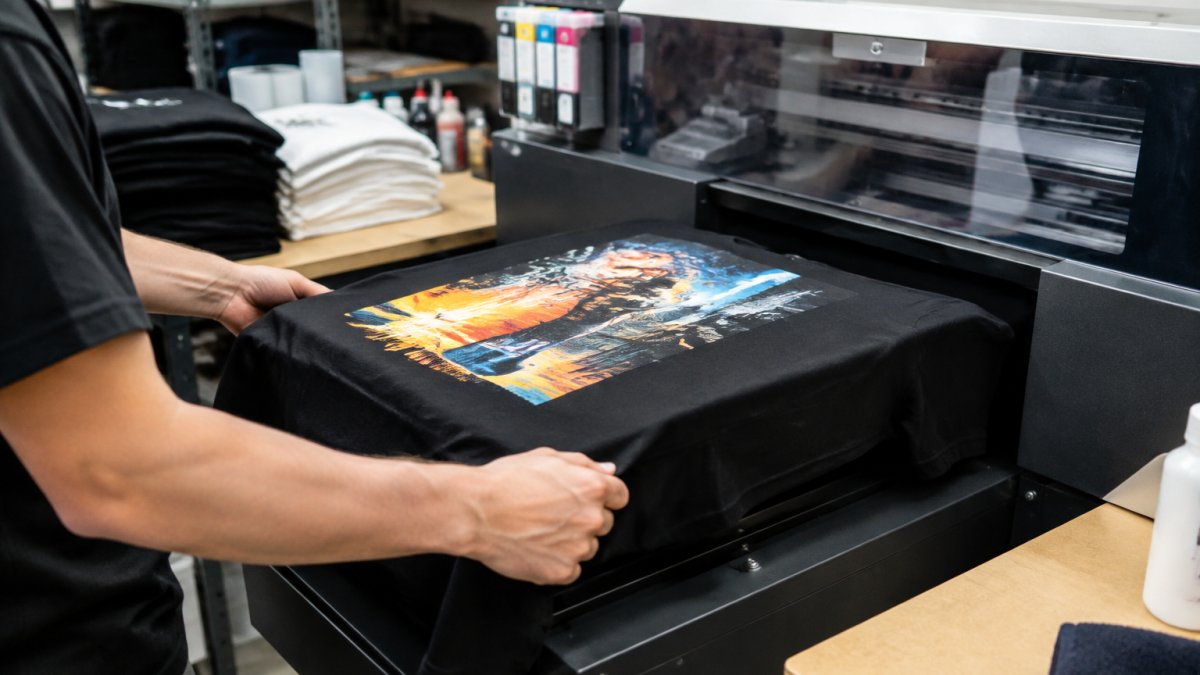
At AW3SOME CLOTHES INC, graphics use direct-to-garment (DTG) printing. Below, we discuss fabric softener and graphic tees.
Why Avoid Fabric Softener on Clothes With Printed Designs
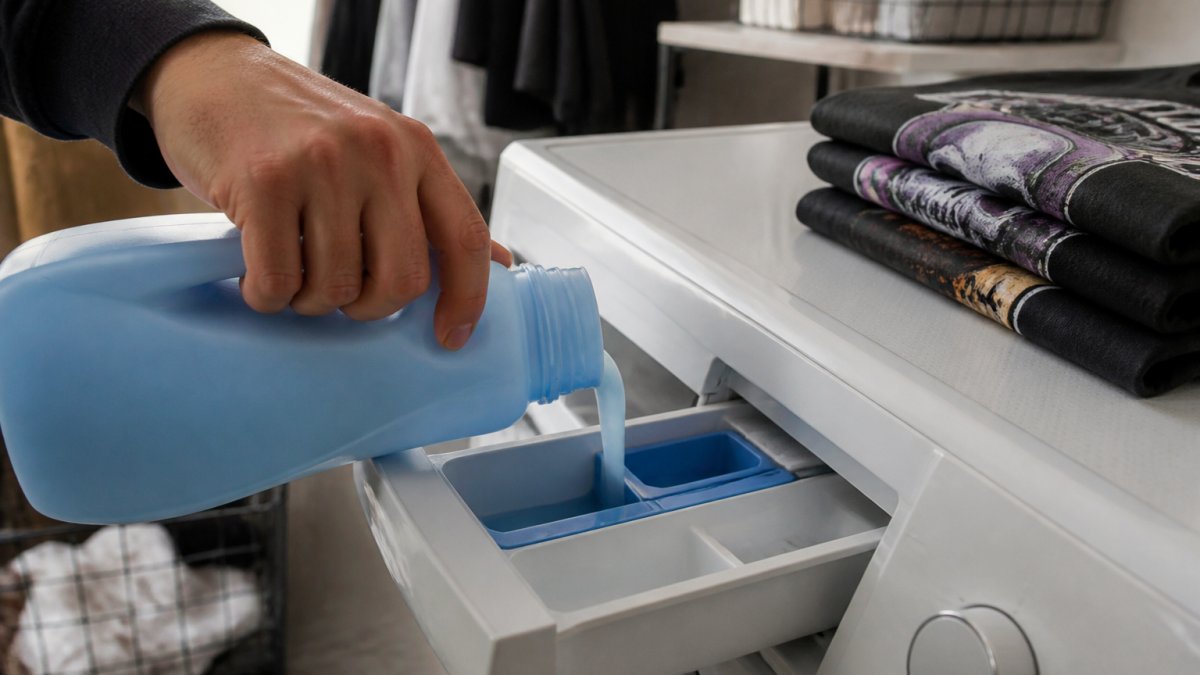
Fabric softener is a liquid conditioner. Its effects on a printed garment depend on the product and the garment's care instructions.
What Softener Actually Does to Ink and Fabric
The mechanism matters because it explains the timeline. Softener does not attack ink the way bleach does. It builds a barrier, and the barrier slowly interferes with adhesion and surface appearance. That is why the first sign is usually dullness, not cracking.
How DTG, Screen-Printed, Heat-Transfer and Sublimation Prints Differ
DTG (direct-to-garment) is the printing method used for AW3SOME CLOTHES INC graphics. To recognize quality printing when shopping, see How to Identify High Quality Screen Printing on T-Shirts.
How to Wash Graphic Tees Without Damaging the Print
Check the garment's care label before washing, and follow its instructions.
Here is the full process we recommend:
- Turn the shirt inside out. This puts the print against itself instead of against other clothes.
- Use cold water. Heat is the enemy of both ink and cotton.
- Pick a mild, liquid detergent. Powder can leave grit that rubs against the print.
- Choose a gentle or delicate cycle. Less agitation means less friction.
- Wash with similar items. Zippers, buttons, and heavy denim create friction.
- Skip bleach and harsh chemicals. They strip color from the fabric and the print.
- Do not overload the machine. A crowded drum increases rubbing.
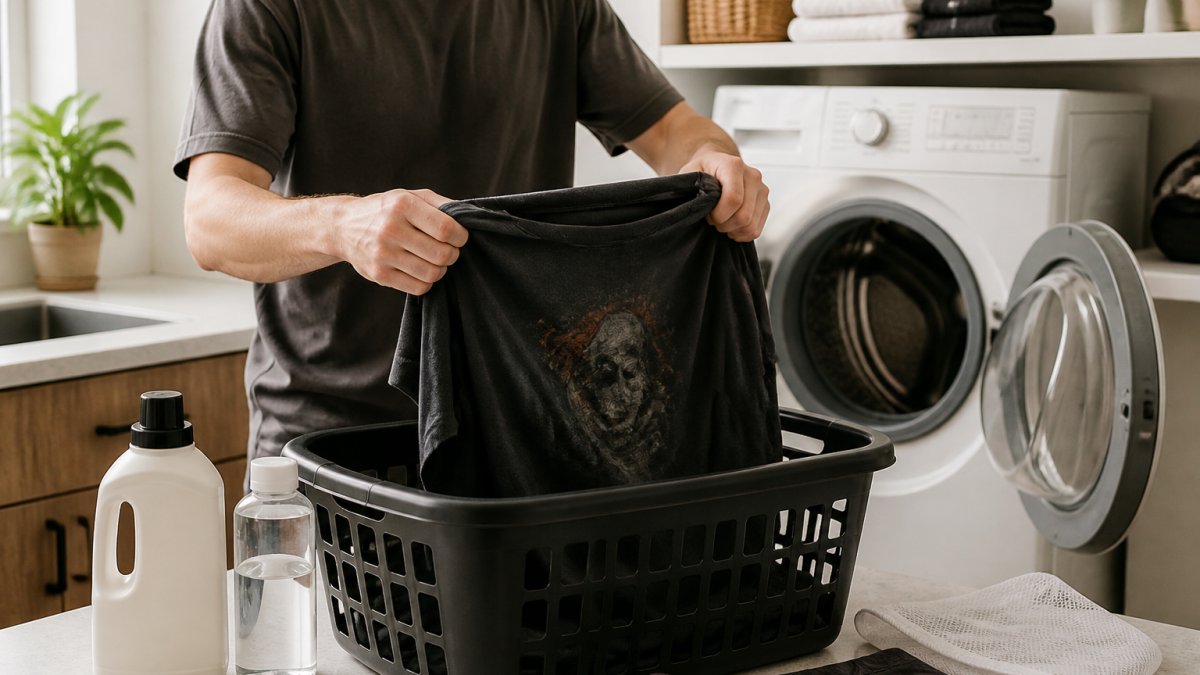
Here is the full wash process we recommend for printed tees.
| Step | What to do | Why it matters |
|---|---|---|
| 1 | Turn the shirt inside out | Puts the print against itself, not other clothes |
| 2 | Use cold water | Heat is the enemy of both ink and cotton |
| 3 | Pick a mild, liquid detergent | Powder can leave grit that rubs against the print |
| 4 | Choose a gentle or delicate cycle | Less agitation means less friction |
| 5 | Wash with similar items | Zippers, buttons, and heavy denim create friction |
| 6 | Skip bleach and harsh chemicals | They strip color from the fabric and the print |
| 7 | Do not overload the machine | A crowded drum increases rubbing |
How to Prevent Graphic Tees From Cracking and Fading
Build these into your routine: How to Maintain Streetwear Graphic Prints
- Wash inside out, every time
- Keep water cold
- Measure detergent instead of pouring freely
- Never pour detergent directly onto the print
- Air-dry when you can
How to Dry Graphic Tees So the Print Lasts
Check the garment's care label for drying instructions.
Practical drying rules:
- Hang the shirt inside out on a plastic hanger
- Avoid direct sunlight for long periods, which fades color
- If using a dryer, use no-heat or tumble-low
- Remove the shirt while it is still slightly damp
- Never iron directly over a print
Fabric Softener Alternatives and When to Skip Them
A heavyweight cotton tee already feels substantial. Good fabric does not need conditioning to feel good.
Already Used Softener on a Graphic Tee? Here's What to Do
Stop using softener on that shirt now. One or two exposures usually will not cause permanent damage, so the goal is to remove residue and prevent more buildup. But before you wash, figure out which problem you actually have, because residue and damage need different responses.
Step 1: Identify What You Are Looking At
Softener leaves two different kinds of problems, and they are easy to confuse.
Reversible residue looks like a cloudy, slightly slick, or waxy haze over the print. The ink underneath is intact. You can often see the design clearly through the film, and the fabric may feel slick or stiff in the print area.
Permanent damage looks different. Look for:
- Cracks along fold lines that do not close when you stretch the fabric gently
- Lifting or curling at the edges of the design
- Peeling corners on a heat-transfer print
- Color that looks faded in patches rather than evenly cloudy
If you see cracking, lifting, or peeling, the ink or adhesive has already failed. Residue removal will not reverse it. What you can do is stop it from getting worse.
Step 2: Remove Residue (If the Print Is Intact)
Vinegar is not a miracle cure. It helps strip residue, but it will not restore a print that has already lost adhesion. Use it sparingly and never mix it with bleach.
Step 3: Stop the Damage From Getting Worse
If you are dealing with sticky residue or damage from a heat-transfer design, our guide on how to remove vinyl residue from clothing covers safe methods to try.
Check the Care Label Before You Wash Your Next Drop
Check the care label for the garment's washing and drying instructions.
Our product listings include care instructions. For example, the Moonlit Wanderer listing says to machine wash cold, tumble dry with no heat, and not to iron or dryclean.
Before you buy any graphic tee, read the care label. For guidance on picking durable prints for everyday wear, see How to Choose Durable Graphic Tees for Everyday Wear.
You can shop the latest drop.
Frequently Asked Questions
Does fabric softener ruin graphic tees right away?
The effect depends on the garment and its care instructions. Check the care label for washing guidance.
What detergent is best for graphic tees?
Check the garment's care label and the detergent label for washing instructions.
Should you turn graphic tees inside out before washing?
Check the garment's care label for washing instructions.
Is air-drying better for printed shirts?
Check the garment's care label for drying instructions.
Fabric softener is one small habit with a long-term cost. Skip it, wash cold, turn the shirt inside out, and air-dry, and your prints will hold their color and detail far longer. At AW3SOME CLOTHES INC, every tee uses a 7.5 oz heavyweight cotton body with DTG printing, shoulder-to-shoulder neck tape, and double-needle stitched hems, built to hold up under a simple, careful routine. Get started with AW3SOME CLOTHES INC and give your graphic tees the care that keeps the artwork sharp.